বাংলা
 English
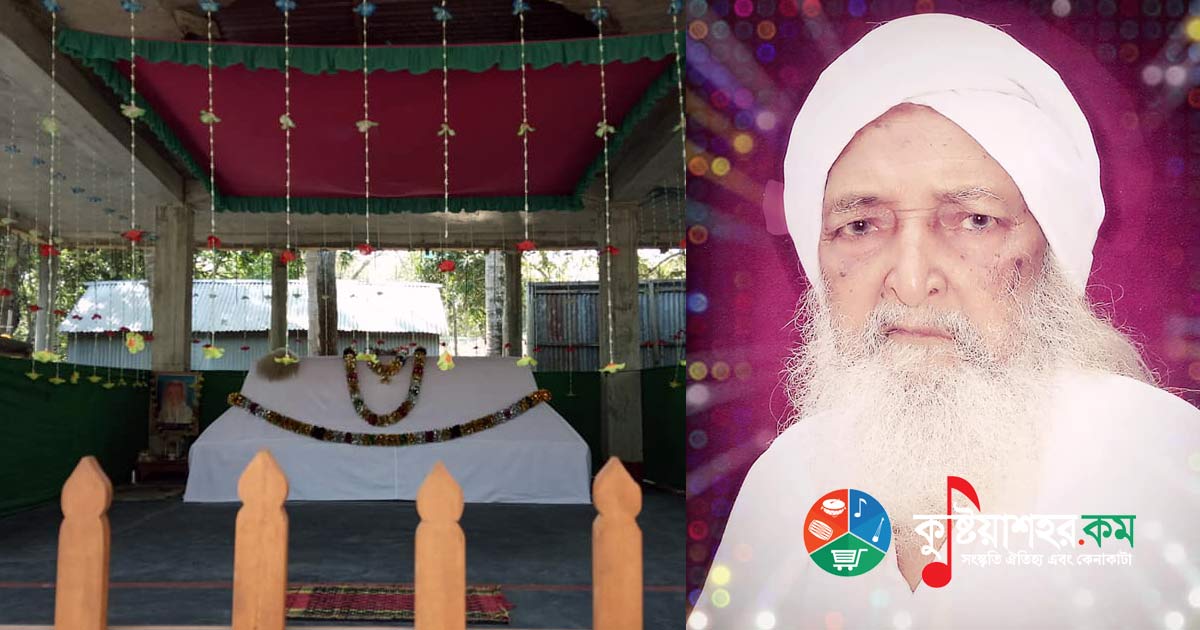
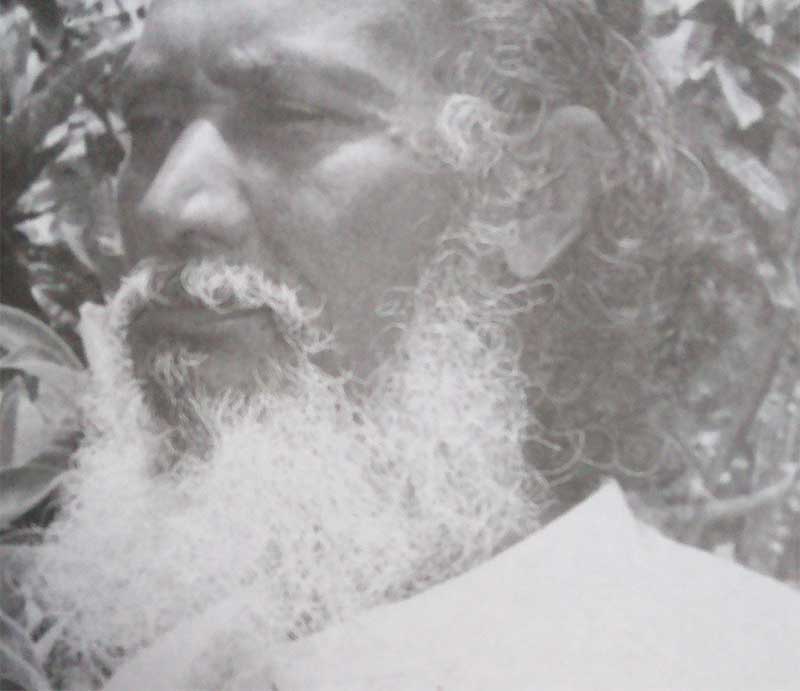
Dervish Lalmia Sai, on 6 Chaitra 1309 of the Bengali calendar, 20 March 1903 AD, on a Friday, arrived on earth in the Brahma-muhurta of the first watch. His father was Mr. Natubullah Sorkar, his mother Mosa: Tusht Begum. As Dervish Lalmia Saiji had a glowing, fair and gentle face, his grandparents named him "Lalmia". His mother, father and family members affectionately called him "Lalu".
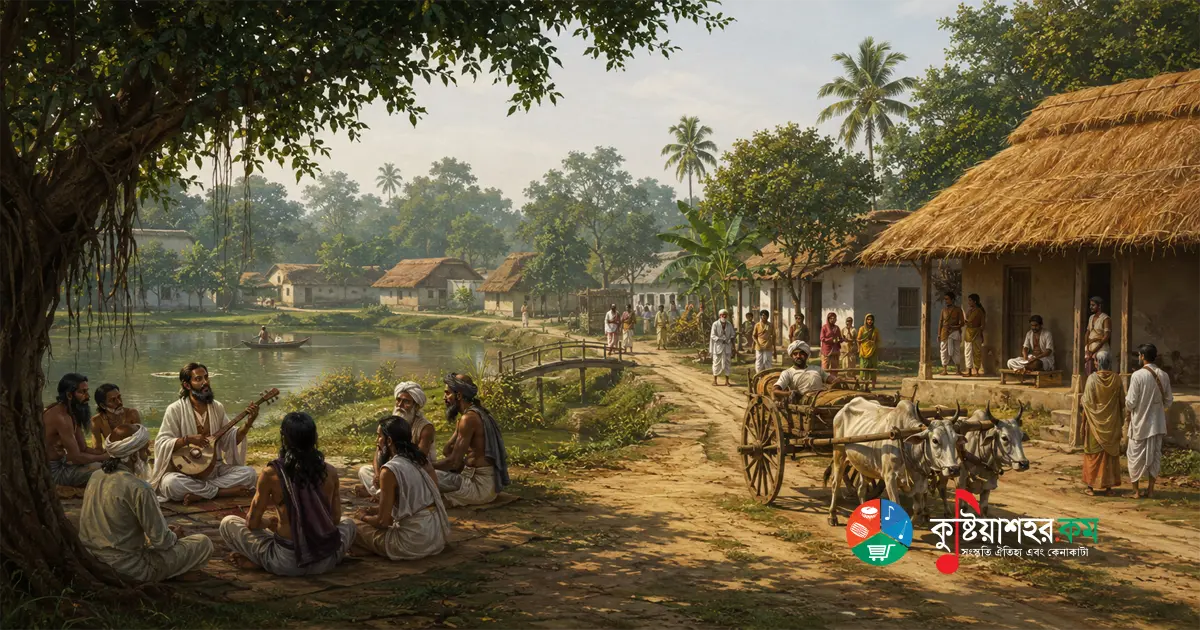
According to family and religious custom, at the age of 7 Lalmia, alias Lalu, was circumcised. Lalmia Saiji's father was also a fakir of ma'rifa. So, on the occasion of his son's circumcision, he arranged baul songs and sadhusang at home. Song and music went on all through the night, and the next morning the sadhus and saints, the bauls and fakirs, took their leave. Following close behind them, little Lalu too left home. The baul fakirs did not realise that Lalu had come with them. Meanwhile, unable to find Lalu, the people of the house wept, and searched everywhere. In those days there were not so many vehicles, so night fell before the baul-fakirs reached their destination. Someone noticed that little Lalu had come along with them. By then it was night, so in the morning they went to return Lalu home. On getting Lalu back, the family members, parents included, were beside themselves with joy. It is worth mentioning that from childhood Lalu had a very good singing voice, and he had a deep interest in, and boundless respect for, baul songs and the bauls. Meanwhile, seeing his deep interest in the baul-fakirs and in song, his father Natubullah Sorkar surrendered the boy to a baul-fakir, and Lalu went off again with the bauls.
Thus began the baul-fakir life of Dervish Lalmia Saiji. Of his 113-year life, Dervish Lalmia Saiji spent about 80-85 years practising folk song alone. He kept company with many Lalon disciples and veteran baul-fakirs who had lived and moved with the great fakir Lalon and had seen Lalon Saiji himself. On that account he preserved countless songs of Lalon Fakir in his voice and memory. He regarded singing Lalon's songs in their original bhab and melody as a supremely pious work. He enjoyed the companionship of many sadhaks, among them Panju Shah, the poet Jalaluddin Khan, Ahsan Ali Khondkar, Rajjab Dewan, Halim Khondkar and Bhoba Pagla. Besides this, with the aim of gaining knowledge he toured the akhras and darbars of various sadhu-gurus of India and Bangladesh, the pilgrimage sites and the religious seats. With the noble purpose of spreading the baul-fakir doctrine, Sufism and the practice of Lalon's bhab, in 1989 he founded an akhra named "Muktidham Akhrabari and Darbar Sharif". The akhrabari he founded is a wholly smoke- and drug-free, non-political, non-communal and progressive waqf-endowed centre for the practice of Lalon's bhab. Dervish Lalmia Saiji disliked distinctions of race, religion, clan and sect entirely. Erasing all identities, he felt most at ease identifying himself simply as a human being.
Dervish Lalmia Sai was a sadhu and fakir who, in accordance with Wahedaniyat, of the Al-Chishtiya tariqa, of the Nizamia lineage and of the Lalon gharana, received khilqat-khilafat. His guru's name is -
"Dervish Tayyab Shah => Dervish Fakirchan Shah => Fakir Abdur Rashid (Abdul) Shah => Fakir Panchu Sai => the great fakir Lalon Sai.
Dervish Lalmia Saiji passed away at the age of 113 on 11 Shraban 1423 of the Bengali calendar, corresponding to 26 July 2016 AD, leaving behind countless disciples, devotees, admirers and followers. His shrine (mazar) stands in the college para of Daulatpur village under Belkuchi thana of Sirajganj district in Bangladesh, in the grounds of the "Muktidham Akhrabari and Darbar Sharif".
Information thanks to:- Anan Baul