বাংলা
 English
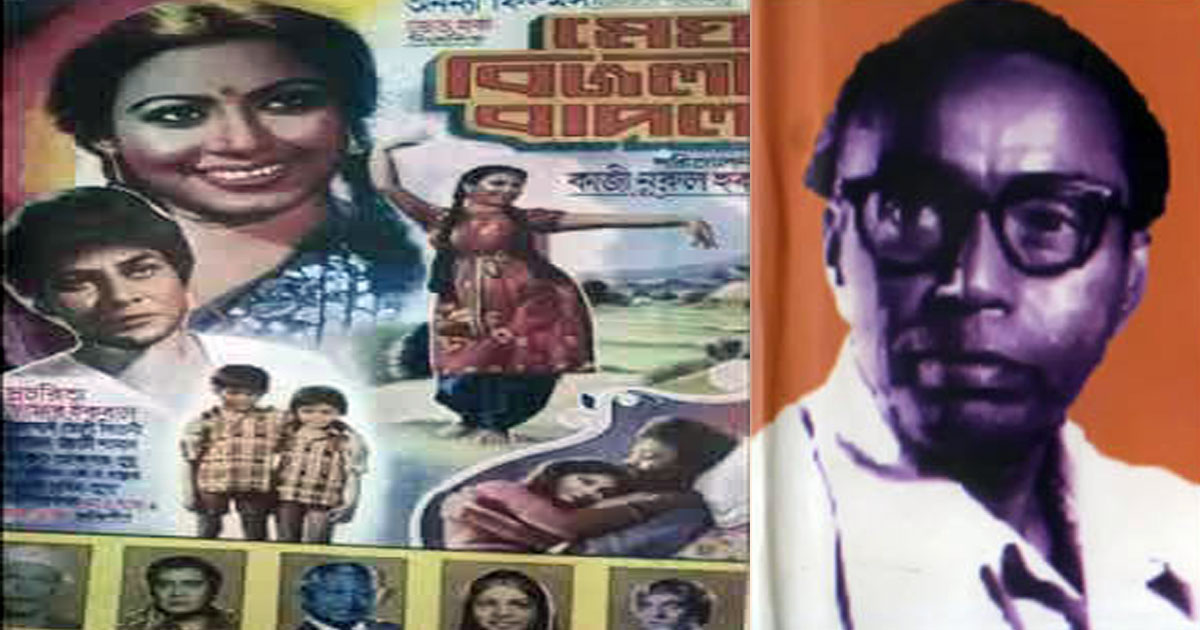
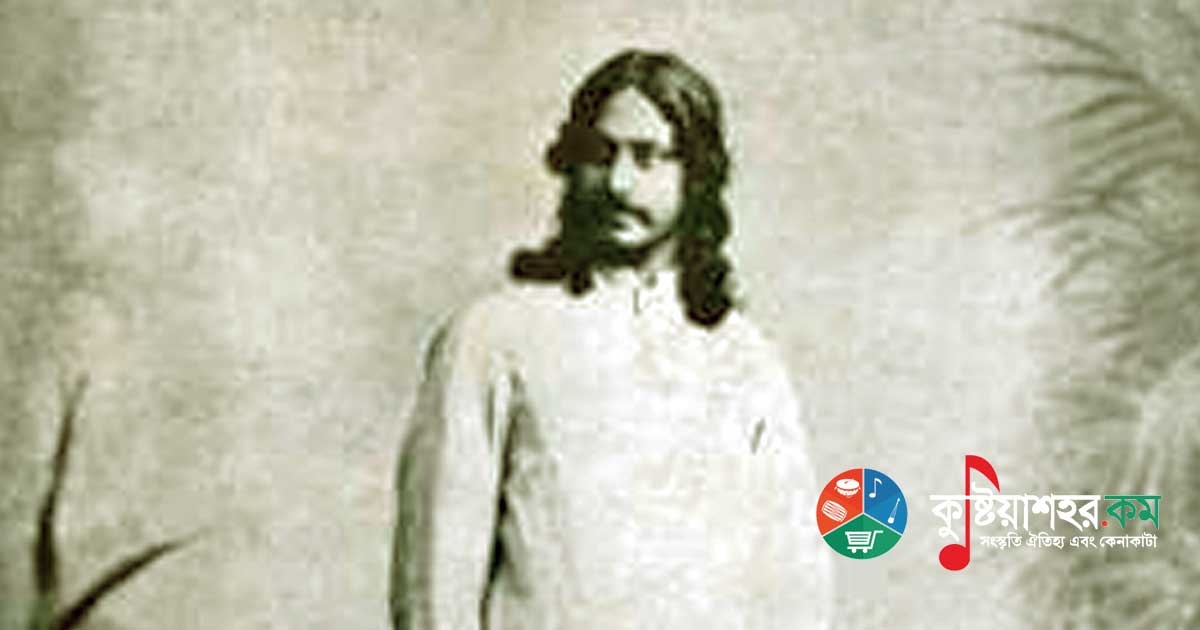
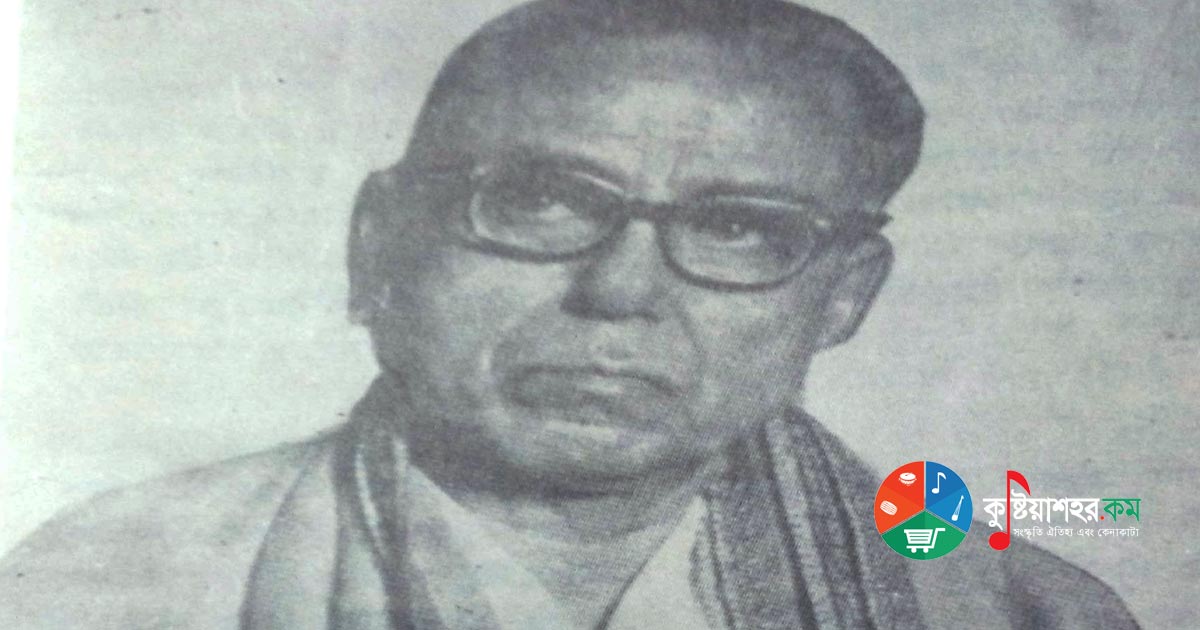
Akbar Hossain (born: 1 October 1917, died: 2 June 1981) was born in Kaya village of Kumarkhali upazila in Kushtia district. A popular Bengali fiction writer and novelist. His father was Haji Abdul Biswas and his mother Moijan Nesa. During the nineteenth and twentieth centuries, the novelist Akbar Hossain had the fortune of standing at the peak of popularity among the few Muslim writers of Bengali literature.
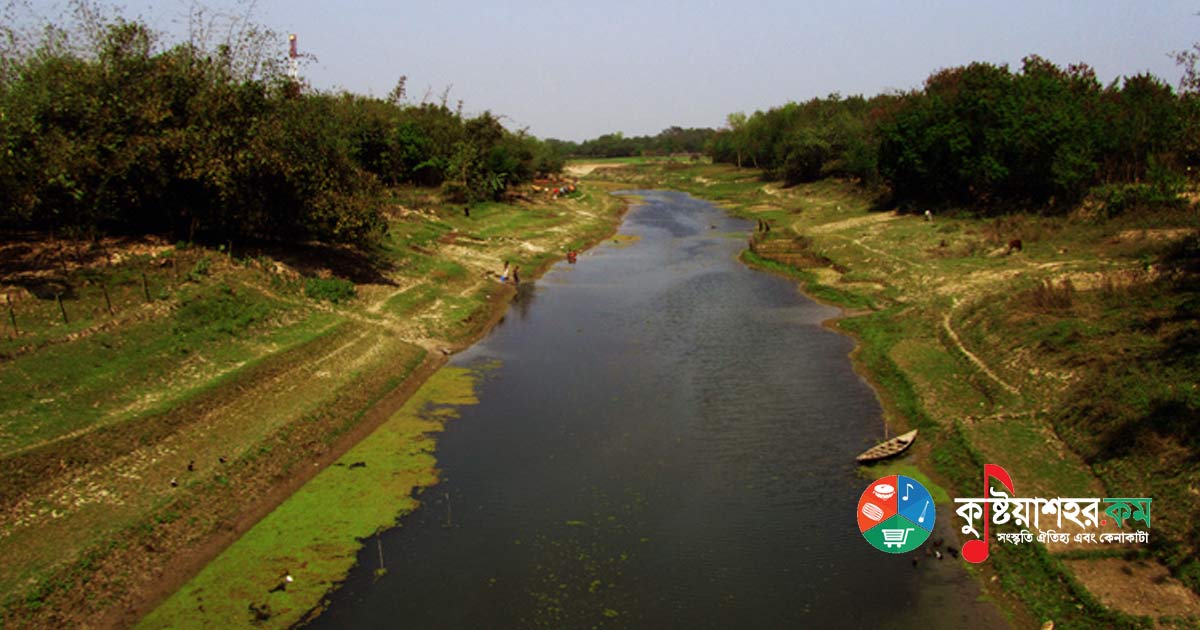
Akbar Hossain's home was at Kayar Ghat, near Kaya village on the bank of the Gorai. The beauty of the river, the open natural environment and rural life had a profound effect on his boyish mind, which helped the unfolding of his literary being. A notable event of his life is his meeting with the poet Rabindranath Tagore. It is said that the memory of that meeting with the poet guru helped mature his literary self.
According to many commentators and critics of Bengali fiction, after Mir Mosharraf Hossain (1847-1912), famed as the author of "Bishad Sindhu", and Mojibur Rahman Sahityaratna (1860-1923), known for the novel "Anwara", Akbar Hossain was one of the most popular fiction writers of East Bengal. His father was Haji Abdul Ali Biswas. Winning a primary scholarship from the village school, he enrolled at Kushtia High School, and passed his matriculation from Comilla High School.
Later he began his working life with a BA degree from Ripon College, Calcutta. For a long time he was engaged in government service. His literary talent blossomed in his student days. From his student years Akbar Hossain wrote for periodicals such as Sondhani, Shikha, the daily Azad and Nabyug. Akbar Hossain's first novel "Abanchhito" was published in Calcutta in 1941, and for a time it was read in almost every household. In 1969 Jupiter Films turned it into a film directed by Kamal Ahmed, which gained wide popularity across the country. The readership of his novels always held a satisfactory position in the two Bengals. In the fifties and sixties, when nobody's books sold in the market except those of Indian writers, Akbar Hossain was the only writer whose books could vie with the books of the other Bengal and capture the market.
For a long time he was engaged in government service. Akbar Hossain practised literature from his secondary school days. On finishing his education he began the practice of literature in full swing. His literary talent unfolded through the publication of his writings in periodicals such as "Sondhani", "Shikha", the "Daily Azad" and "Nabyug". His first novel "Abanchhito" won immense popularity among readers. He practised literature out of the pull of nature and the heart. Society and family life, the surroundings and the political situation of the time appear fluently in his writing. Rural social reform, the hopes and aspirations of ordinary people, the sorrows and pains of urban life, contemporary life-portraits, the thought of the times, the familiar world all around, the political situation, our pride - the great Liberation War of '71 - and love and romance are all presented with consummate artistry in Akbar Hossain's novels and writings. Akbar Hossain's first novel Abanchhito won immense popularity among readers. His other widely popular books are: Abanchhito (1950), Ki Paini (1952), Mohomukti (1953), Dheu Jaye (1961), Alochhaya (1964), Du Diner Khelaghore (1965), Megh Bijli Badal (1968), Notun Prithibi (1974), Dushtokkhot and Abha O Tar Prothom Purush. His first novel "Abanchhito" was for a time read in almost every household. In 1969 Jupiter Films turned it into a film directed by Kamal Ahmed, which gained wide popularity across the country.
A film was made on his novel "Megh Bijli Badal" in 1982 by Kazi Nurul Haque.
The fluency of language in Akbar Hossain's fiction, its poetic quality, its liveliness and its artistic composition made the novels popular.
In the very narrow space in which Bengali Muslim writers grew up in the historical context after Bankim-Rabindranath-Sarat Chandra Chattopadhyay, Akbar Hossain's presence glowed with a distinct talent. Writing novels on independent subjects and frameworks, he portrayed the individual and society. In his novels those subjects take on new forms in the context of the times, with different and positive dimensions. The endeavour of writers like Akbar Hossain to break out of the constraints on the road to the modernity of the Bengali Muslim was a new and bold step. His immense skill in the use of words, in plot arrangement, in character portrayal and in the expression of artistic grace seated him on the throne of an immortal novelist. In the era in which Akbar Hossain wrote his novels, artistic practice or even a readership was hardly developed among the Bengali Muslims.
His novels are mainly social in character. The presentation of ordinary human instincts, variety of characterisation and popular narrative are the hallmarks of his literary work. He wrote nine novels and one book of short stories in all. Besides, there are some poems, sonnets, songs, essays and plays. Two more novels remain unpublished. His published novels: "Abanchhito" (1950), "Mohomukti" (1953), "Dheu Jaye" (1961); story books: "Alo Chhaya" (1964), "Du Diner Khela Ghore" (1965), "Megh Bijli Badal" (1968), "Notun Prithibi" (1974), "Abha O Tar Prothom Purush" (1988).
In the artistic endeavour of preserving time he is successful; as an artist he is devoted to his duty. To enrich Bengali literature this recluse laboured on silently and tirelessly. Those who stand today at the peak of enviable popularity in the novel and in the literature of this country - Akbar Hossain was a sturdier and more powerful novelist than they. The readership of his novels always held a satisfactory position in the two Bengals. In the fifties and sixties, when nobody's books sold in the market except those of Indian writers, Akbar Hossain was the only writer whose books could vie with the books of the other Bengal and capture the market. And he was the only writer who, in the sixties, was able to build a house in Dhaka from the sale of his novels. Yet this record-breaking novelist, who shook the minds of the readers of the fifties and sixties, still remains undervalued in this country. But at the national level this man of merit has remained neglected. Even the Bangla Academy has never taken any initiative to preserve the works of this fiction writer. As a result, this litterateur is almost unknown to the present young generation.
Akbar Hossain passed away on 2 June 1981. Akbar Hossain was a popular fiction writer of his time.
Artist: - O Bondhu Re Prano Bondhu Re - Runa Laila
Film: Megh Bijli Badal, Director: Kazi Nurul Haque, Film release: 18/02/1983