
 বাংলা
 English
Pari Sundari
Pari Sundari (1800–1870) is an unforgettable character of the Indigo Revolt. The youngest daughter of zamindar Ramananda Singh of Sadarpur in Mirpur upazila of undivided Bengal's Nadia district, she fought all her life for the land and its people. Her legendary struggle against the tyrannical indigo taxes, alongside the village folk and the lathials, remains a story of courage.
- Details
- Written by: সালেক উদ্দিন শেখ
- Category: Pari Sundari
- Hits: 4
Pari Sundari is an unforgettable character of the Indigo Revolt. She was the youngest daughter of the zamindar Ramanand Singh of Sadarpur in Mirpur upazila of Nadia district in undivided Bengal. All her life she fought for the soil and for the people, for the cause of the motherland. Her struggle against the tyrannical indigo planters, together with the ordinary village people and the lathiyals, is the stuff of legend.
- Details
- Written by: সালেক উদ্দিন শেখ
- Category: Pari Sundari
- Hits: 7
The zamindar Pari Sundari was one of the notable indigo-rebel zamindars — a woman radiant like the midday sun. Protecting the tenants from the all-devouring claws of the indigo planter was her sole devotion. Hence, in the history of the indigo movement and through the literature of Mir Mosharraf Hossain, she became known among the educated for her love of her tenants. Pari Sundari was the zamindar of Kushtia-Sadarpur in the then Nadia district.
- Details
- Written by: সালেক উদ্দিন শেখ
- Category: Pari Sundari
- Hits: 6
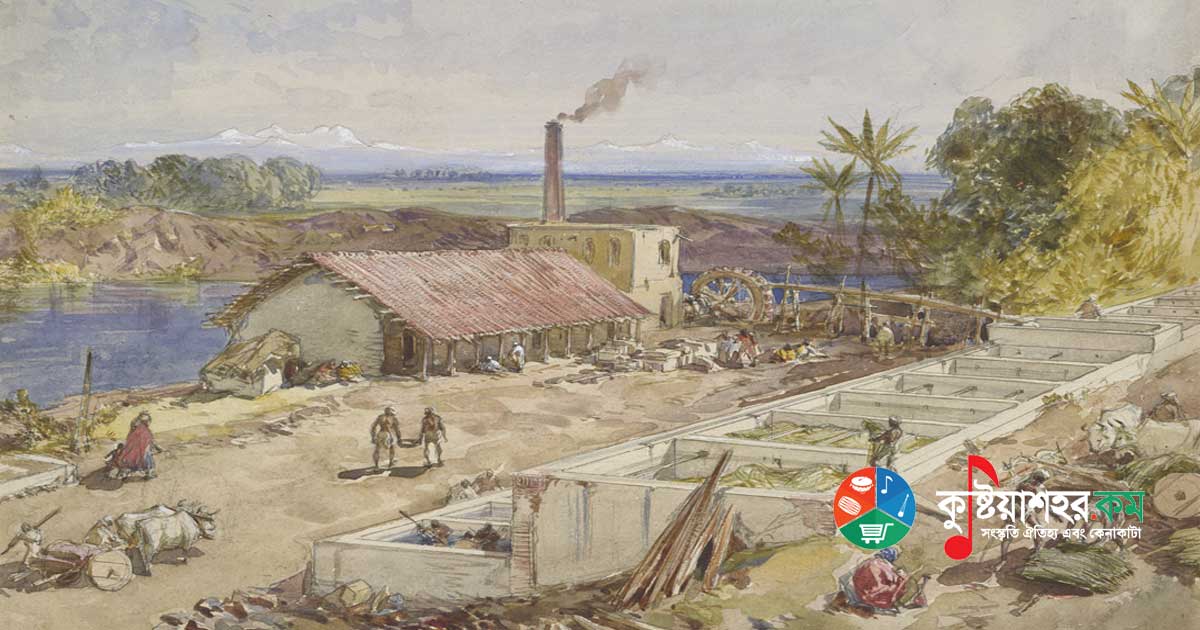
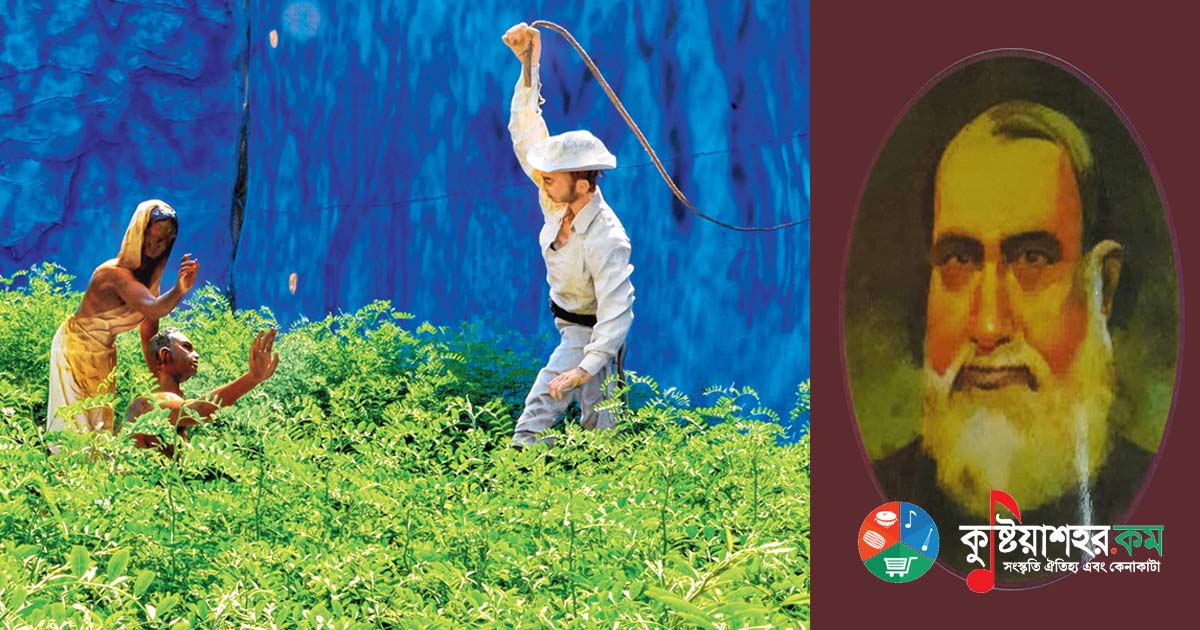
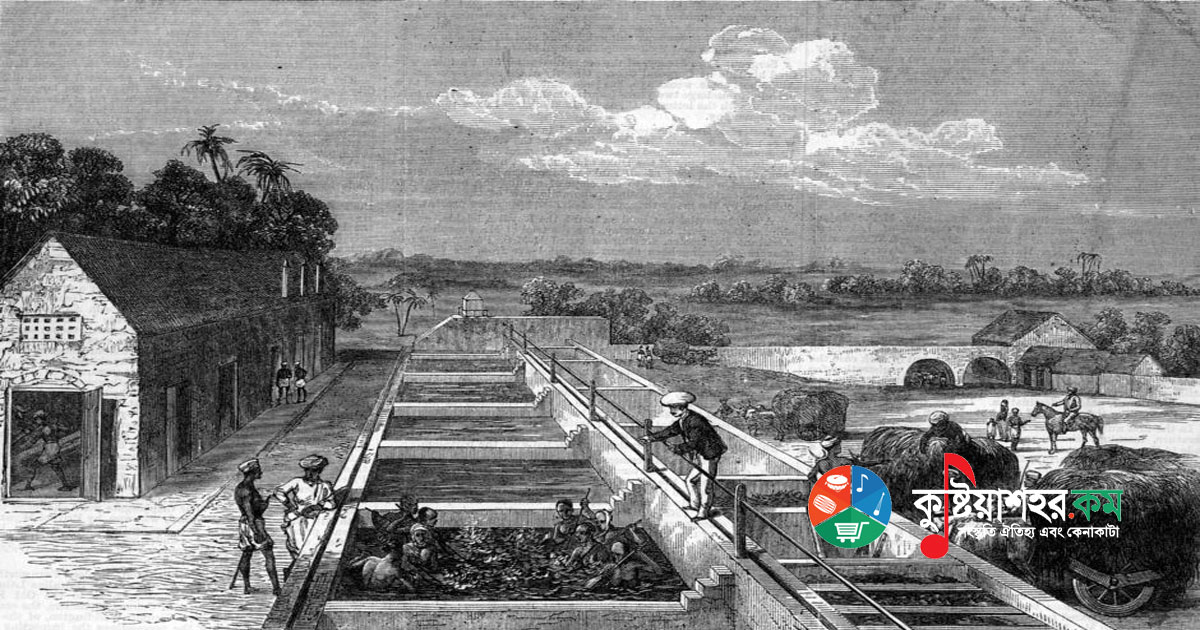
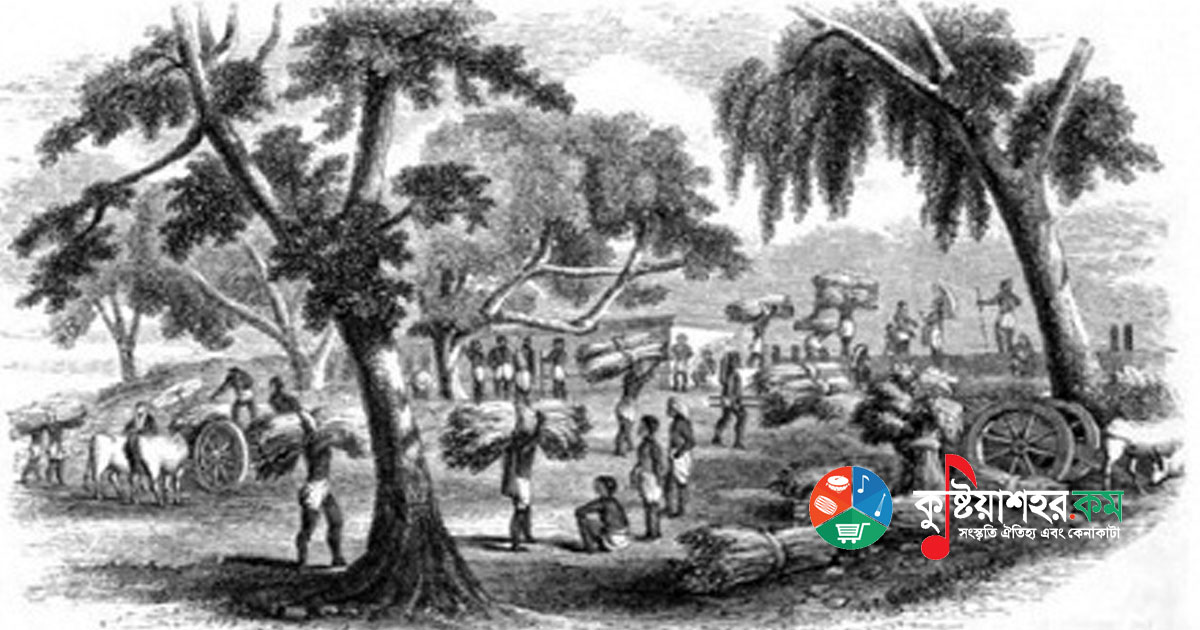
Under British rule, indigo cultivation and the indigo trade in this land, the misery they brought upon the tenants, and the revolt of conscious society and the farming community against indigo form an important chapter of history. Around indigo cultivation one finds a grim picture of the exploitation, oppression and injustice wrought on the tenants by the English sahibs, the kuthiyals and the zamindars, jotdars and moneylenders of this country. Under English rule, indigo was cultivated and traded in this land for nearly a hundred years, from 1795 to 1895. Indigo was grown on a wide scale in various places of West Bengal, including the present districts of Jessore, Khulna, Jhenaidah, Magura, Kushtia, Rajbari, Faridpur, Dhaka and Pabna. It was in this very region that the revolt against indigo cultivation took shape, known as the "Indigo Revolt". Litterateurs, journalists and educated society took up their pens against indigo cultivation.
- Details
- Written by: সালেক উদ্দিন শেখ
- Category: Pari Sundari
- Hits: 5
Although the fire of the Indigo Revolt spread across the country in 1858, protest against indigo cultivation had been rising much earlier; from 1810 onwards the tenant masses began organising themselves against indigo cultivation.

- Details
- Written by: সালেক উদ্দিন শেখ
- Category: Pari Sundari
- Hits: 5
Pari Sundari — an unforgettable character of the Indigo Revolt, a name like an inextinguishable flame of patriotism. She was the youngest daughter of the zamindar Ramanand Singh of Sadarpur in Mirpur upazila of Nadia district (present Kushtia) in undivided Bengal. All her life she fought for the soil and for the people, for the cause of the motherland. Her struggle against the tyrannical indigo planter, together with the ordinary village people and the lathiyals, is the stuff of legend. Her adversary was the indigo planter Thomas Ivan Kenny, in short T. I. Kenny; Ferguson, Shelley Crawford, Stephenson, Simpson and the like are the most dreaded names among the tyrannical indigo planters.