বাংলা
 English
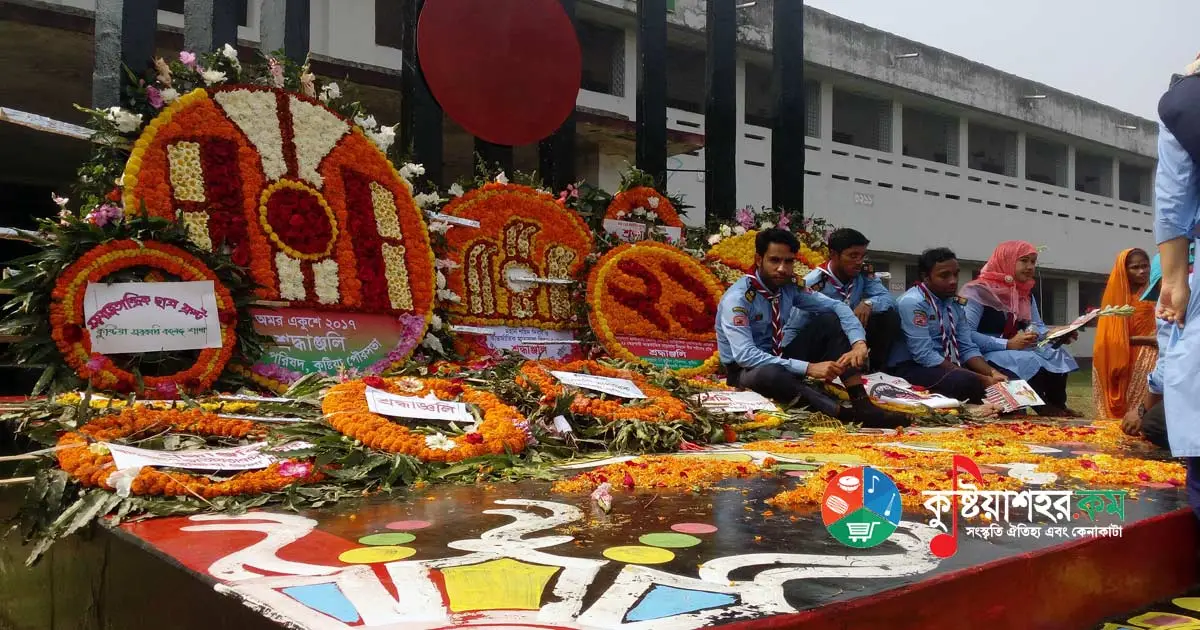
21 February is not merely a day of mourning in the life of the Bengali; it is the day of identity. On this day we lay flowers, sing songs, and remember the martyrs. But the question remains - do we embrace their ideal in our lives? The language martyrs did not give their lives only for the Bengali language; they gave blood for justice, for dignity and for standing against discrimination. If today we confine Language Day to mere ritual, it will be a belittling of their sacrifice.
The Core Lesson of the Language Movement: the Spirit of Justice and Protest
The Language Movement of 1952 was a cultural and political awakening. When the state denied a nation's language, the student community and the common people stood up against it. This movement taught us that language is not merely a means of communication; it is a symbol of human rights and existence. To snatch away someone's language means to silence them. So the lesson of the Language Movement is to speak out against injustice and to protect one's own identity.
Bangladesh Today: Are We Neglecting Our Own Language?
Sad but true, today we ourselves are becoming indifferent to the Bengali language. Considering it modern to mix English into our speech, thinking correct Bengali difficult or old-fashioned, and looking down on regional languages - all these are new forms of linguistic discrimination. If a nation that gave its life for language neglects its own language, that amounts to self-forgetting. The decay of language means the decay of thought, and the decay of thought means the decline of society.
How Society Can Be Reformed Through Language
-
The role of the mother tongue in education
There is no alternative to the mother tongue for developing a child's thought and mind. Research has proven that when a child is educated in the mother tongue, it learns to understand quickly and becomes creative. So ensuring the proper use of the Bengali language in the education system can be the first step in the reform of society.
-
The responsibility of language in the media and social communication
Today the mass media and social media are playing a great role in shaping society. If responsible language is not used, rumour, hatred and confusion spread. Courteous, truthful and humane use of language can make society tolerant.
-
Humane language in social life
Language shapes our behaviour. Harsh words and humiliating words create division in society. In contrast, respectful and dialogue-based language increases mutual understanding. It is possible to build a cordial and humane society through language.
The Context of Kushtia: a Tradition of Language and Humanity
Kushtia is not merely a district; it is a fertile land of Bengali literature and humane thought. Lalon Sai, Kangal Harinath, Mir Mosharraf Hossen - their language was simple, profound and humane. This tradition teaches us that the simpler and closer to the heart the language, the more humane the society. Platforms like Kushtiashohor.com can carry this language practice to the new generation.
The Influence of the Language Movement: the Seed of Independence and Statehood
The Language Movement was not merely an event of one day; it built the foundation of all later movements. It was from the spirit of 1952 that the mass uprising of 1969, the Liberation War of 1971 and the birth of an independent state came. Through winning the right to the mother tongue, the Bengali came to understand that without protecting one's own identity, culture and dignity, political freedom too is meaningless. The Language Movement is therefore the first clear expression of our statehood thinking.
Language and the Economy: a Neglected Relationship
Many think language is only a matter of emotion, but in reality language has a deep relationship with the economy. Mother-tongue-based education creates capable human resources, and when information and technology spread in the local language, ordinary people can join in economic activity. Increasing quality content, technology and research in Bengali means accelerating the country's overall development.
The Challenge of the Bengali Language in the Age of Technology
In the digital age the Bengali language faces a new challenge. English-dependent software, content and social media are cornering Bengali. At the same time, however, technology itself has brought the opportunity to spread Bengali across the world. Unicode, Bengali keyboards, online portals and local websites - such initiatives can play a great role in preserving the language. Platforms like Kushtiashohor.com can play a responsible role in this space.
The Young Generation and the Practice of Language
To keep the spirit of the Language Movement alive, connecting the young generation is the most important task. The young often use language beyond correctness, but the responsibility of correcting it lies with society. Language must not be ruled by force; it must be taught from a place of love. If Bengali can be made attractive to the young through literature, songs, dramas and digital content, then only will the spirit of the Language Movement stay alive.
The Soil of Kushtia and the Soul of the Language Movement
The soil of Kushtia has always been a symbol of protest and humanity. The people here have used language as a weapon for standing against injustice. The simple language of rural Bengal, folk songs, pala songs - taking it all together, Kushtia teaches us that language means the story of life. To present the history and culture of this region is to rekindle the spirit of the Language Movement anew.
The Duties of Language Day: from the Individual to the State
Language Day is not merely a state ceremony; it is a matter of personal practice. Using correct and beautiful language in the family, respect for the mother tongue at school, lucid language in offices and courts - all together can build a language-friendly society. Alongside the state, the citizens' responsibility is no less.
The Practice of Language Is a Greater Homage than Flowers
Laying flowers on 21 February is easy, but honouring language is hard. Using correct, humane and responsible language can be our true homage to the language martyrs. To love language is to love people, and loving people is the master key to the reform of society. Let us, on Language Day, take the vow - not merely to remember language, but to make it a part of life.