
 বাংলা
 English
Mohini mohon
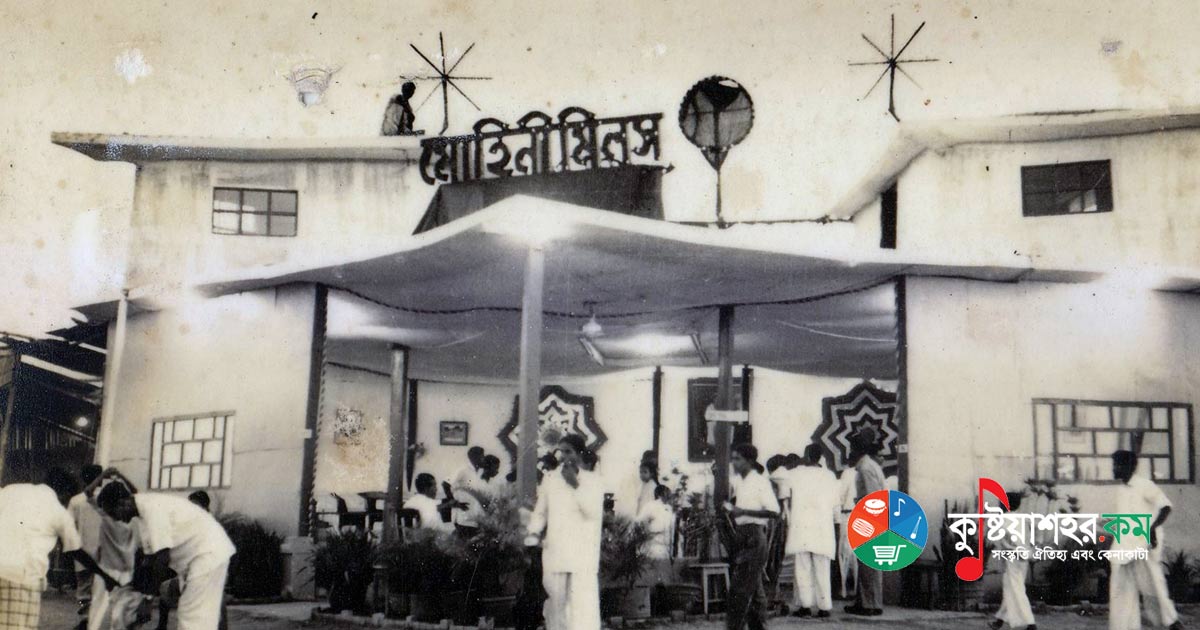
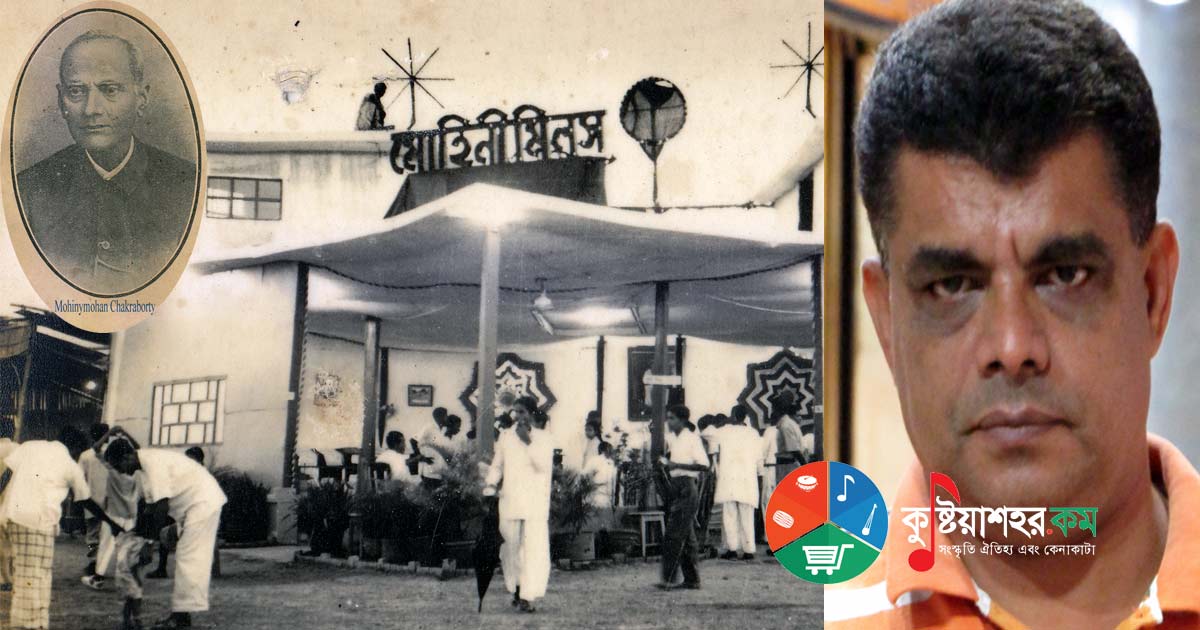
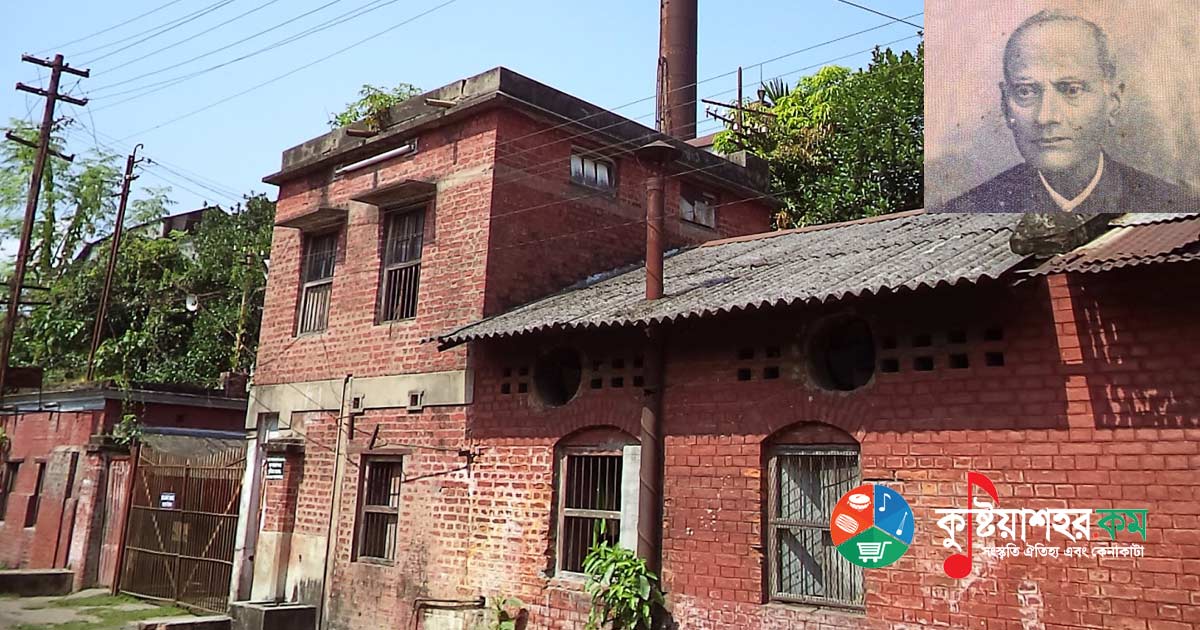
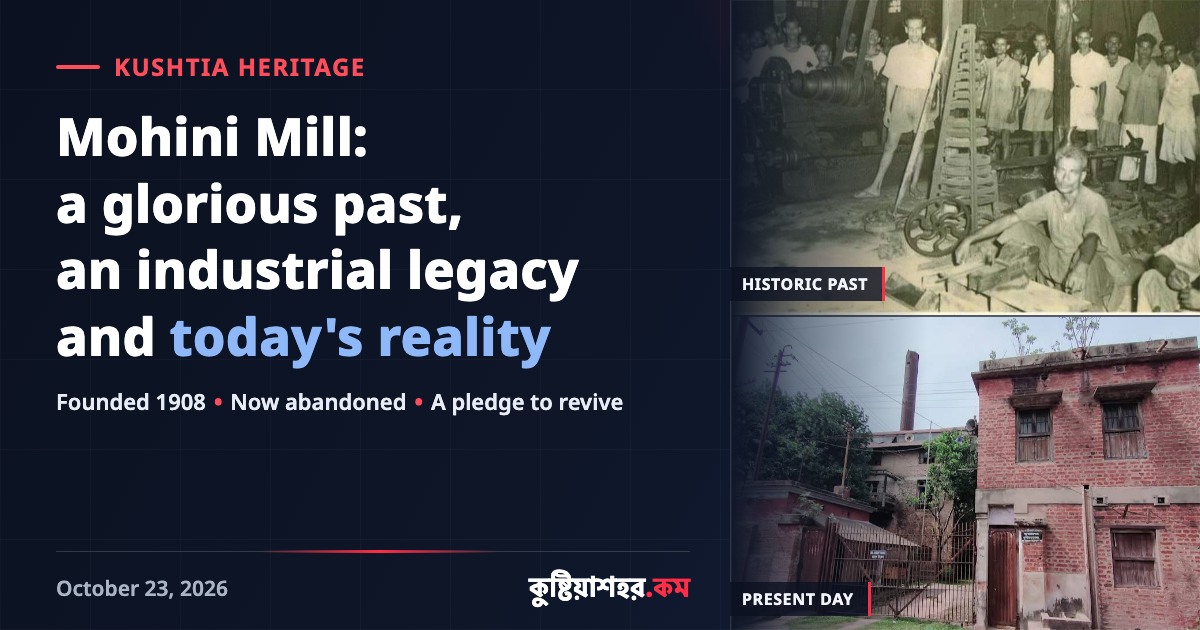
Mohini Mohan Chakraborty (1245–1329 Bengali era) was a famed yarn merchant of India. Thanks to safe river transport and improved railway links, he took the initiative to set up a yarn mill beside Kushtia's big railway station. In 1908 he built Mohini Mill on 100 acres in the Millpara area, importing brass handloom machines and nearly 200 brass-made looms from distant England — one of the most modern yarn mills in India at the time, employing around 300 workers. Its yarn reached every province of India as well as Burma, Pakistan and Sri Lanka, making the historic Mohini Mill the economic engine of Kushtia.
- Details
- Written by: সালেক উদ্দিন শেখ
- Category: Mohini mohon
- Hits: 5
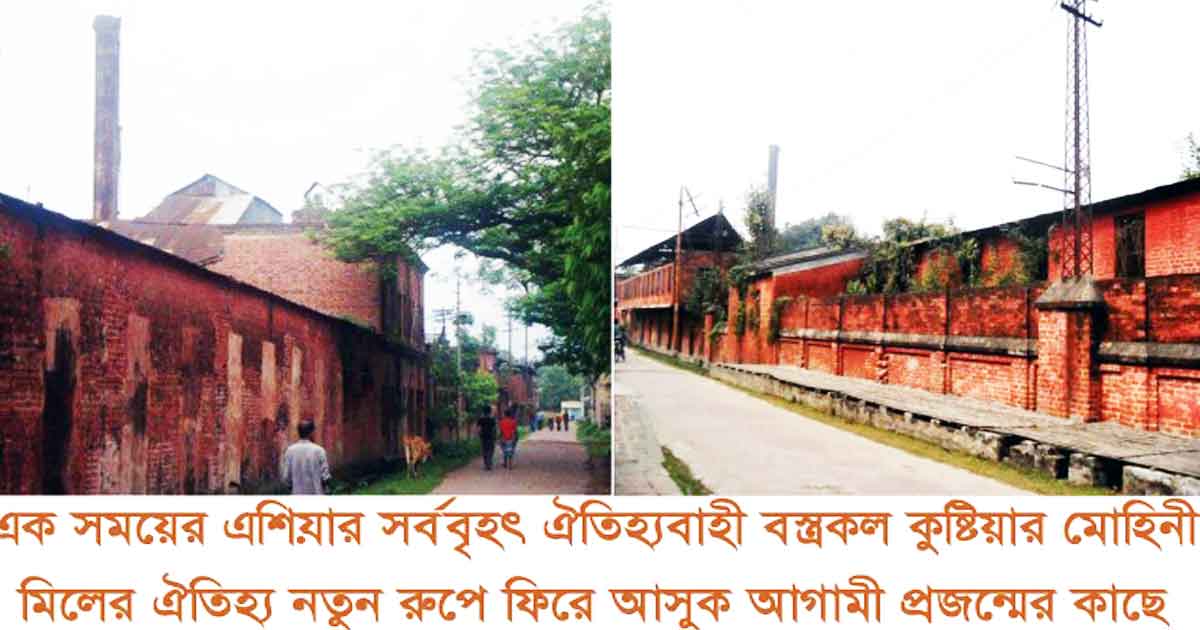
Once Asia's largest heritage textile mill, Kushtia's Mohini Mill was famed far and wide for the broad economic current it generated at the international level. But today, amid so much development across the country, the people of Kushtia express sorrow when they look at the mill's pitiful condition. Many believe that if the Bangladesh government now takes proper initiative to recover the mill and bring it back into operation with new technology in the interest of the nation's industrial development, Mohini Mill may perhaps once again regain the heritage of its lost days.
- Details
- Written by: সালেক উদ্দিন শেখ
- Category: Mohini mohon
- Hits: 6
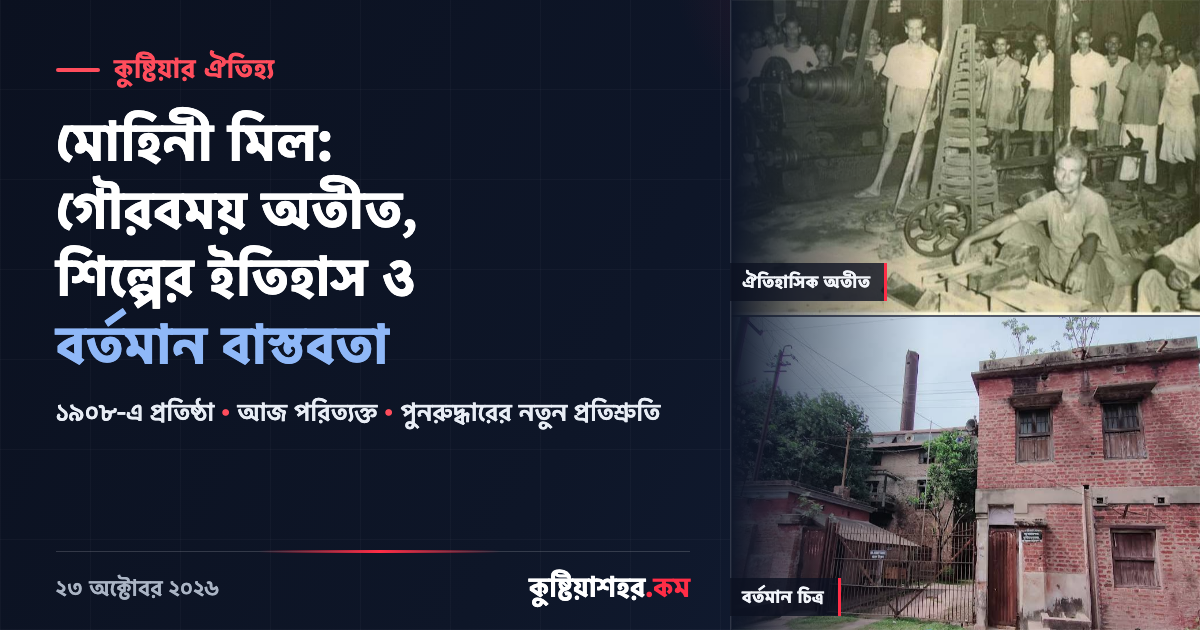
When the industrial heritage of Kushtia town is spoken of, the name that comes up most distinctly is Mohini Mill. At one time this textile mill played an important role not only in Kushtia's economy; it was also deeply intertwined with the lives of the weavers, workers, traders and ordinary people of the wider region. The yarn, sarees and dhotis the mill produced were once known in various places. Its influence on employment, trade and commerce and the local economy was considerable.
- Details
- Written by: সালেক উদ্দিন শেখ
- Category: Mohini mohon
- Hits: 7
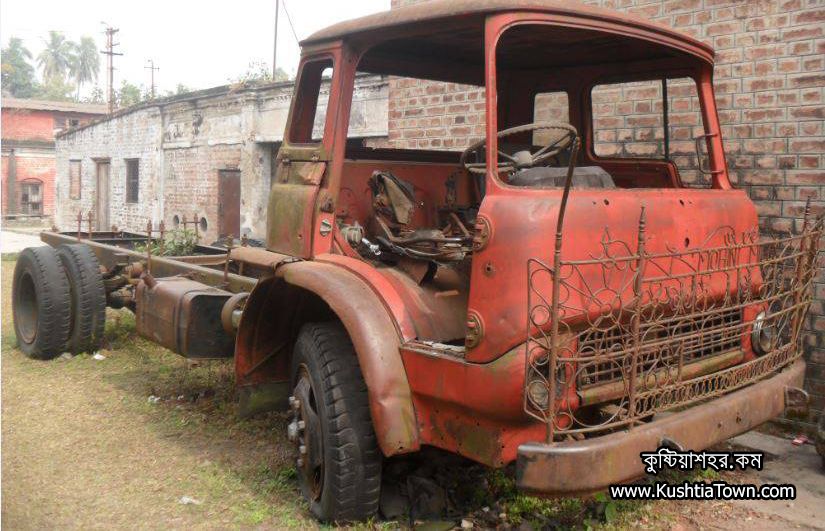
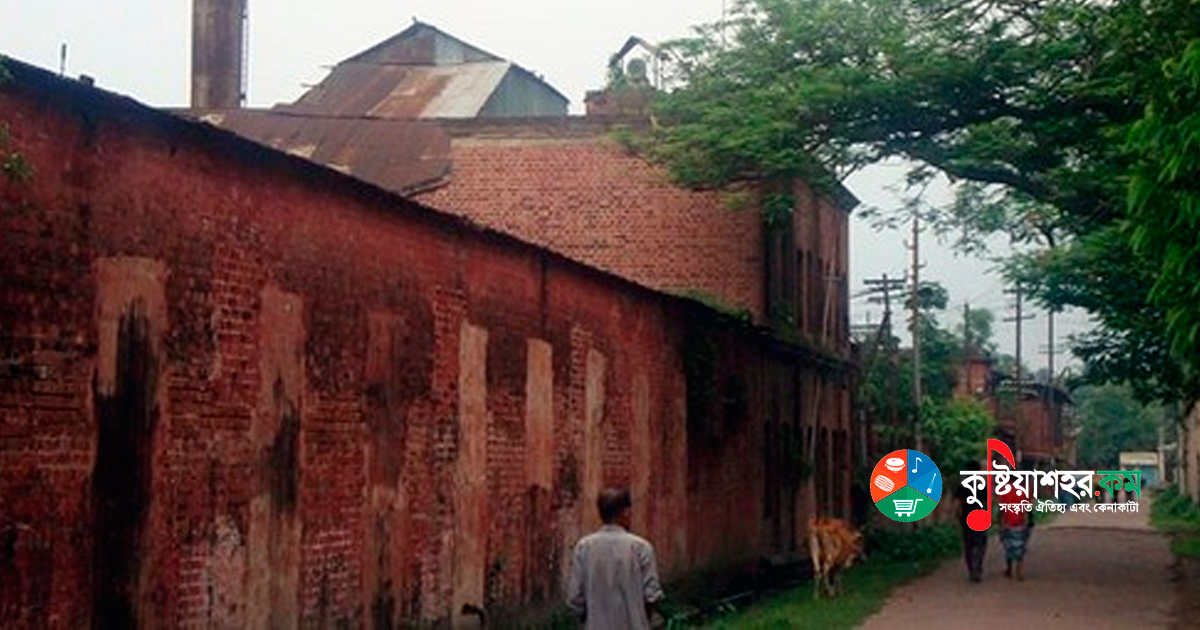
In its heyday, Mohini Mill was recognised as the largest cloth mill in the whole of Asia.
- Details
- Written by: সালেক উদ্দিন শেখ
- Category: Mohini mohon
- Hits: 4
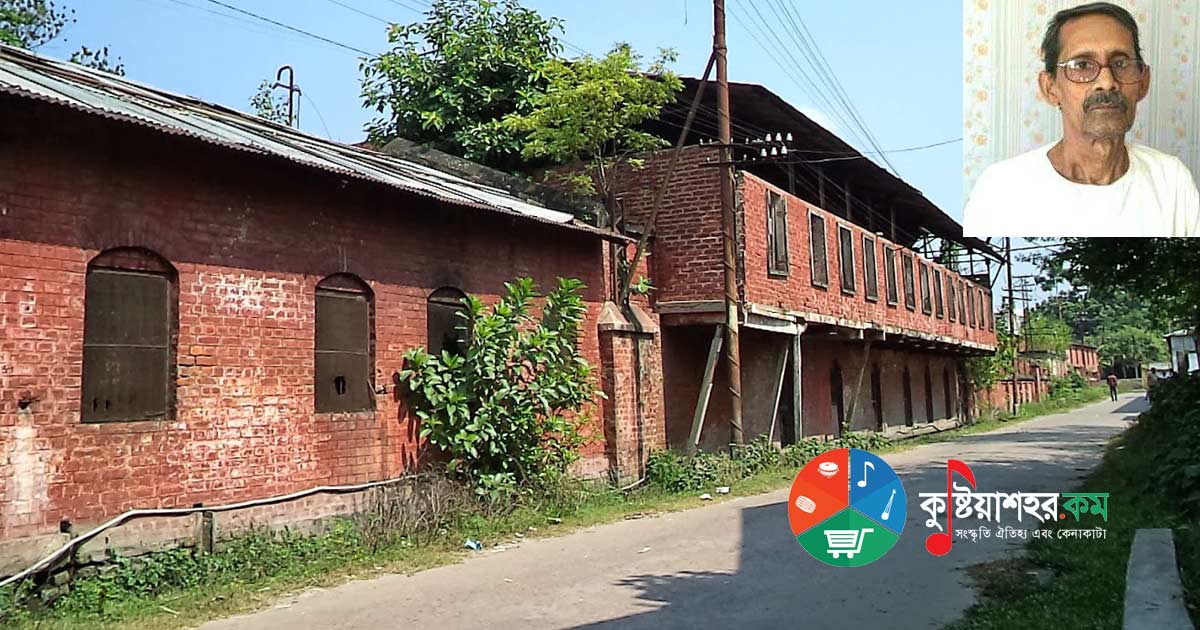
Mohini Mohan Chakrabarty was a celebrated yarn trader of India. Because of safe river-borne travel and improved railway connections, he took the initiative to set up a yarn mill on land adjoining Kushtia's big station. In 1908 he built Mohini Mill on 100 acres of land in the Millpara area. At that time he imported brass handloom machines and about 200 looms made of brass from faraway England and installed them in his mill. Among the handful of modern yarn mills then working in different parts of India, Mohini Mill was one. Nearly 300 workers laboured there. The yarn produced at this mill went to all the provinces of India, as well as to Burma, Pakistan and Sri Lanka. In those days Kushtia's heritage textile mill, Mohini Mill, was an economic driving force.
- Details
- Written by: সালেক উদ্দিন শেখ
- Category: Mohini mohon
- Hits: 4
Cloth is one of humanity's basic rights. It was to protect people from heat, cold and shame that they built the textile industry. Hand-woven cloth once met this country's popular demand. In that era grew up the Bengali's proud craft of cotton cloth. In colonial times machine weaving arrived and seized that place. Mills and factories sprang up.
- Details
- Written by: সালেক উদ্দিন শেখ
- Category: Mohini mohon
- Hits: 6
Kumarkhali in the Nadia of that era and in today's Kushtia district has at all times been known for a single, distinct identity of its own. From politics to the social order, from administrative arrangements to the cultural milieu, or from trade and commerce to the economic plane, in everything there was, as it were, a character distinguishing it from all other areas. Water transport was easy in Kumarkhali. Lying close to the bank of what was once Gauri, today's Gorai river, and again near the Padma's banks, it did not have to try hard to establish itself as an economic zone. In 1857 Kumarkhali was established as the first subdivision.
- Details
- Written by: সালেক উদ্দিন শেখ
- Category: Mohini mohon
- Hits: 3
Kumarkhali in the Nadia of that era and in today's Kushtia district has at all times been known for a single, distinct identity of its own. From politics to the social order, from administrative arrangements to the cultural milieu, or from trade and commerce to the economic plane, in everything it bore a character distinguishing it from all other areas. Water transport was easy in Kumarkhali. Lying close to the bank of what was once Gauri, today's Gorai river, and again near the Padma's banks, it quickly established itself as an economic zone.
- Details
- Written by: সালেক উদ্দিন শেখ
- Category: Mohini mohon
- Hits: 74
When the industrial heritage of Kushtia town is discussed, one name stands out: Mohini Mill. At its height, this textile mill mattered not only to Kushtia's economy but was deeply woven into the lives of weavers, workers, traders and ordinary people across the wider region. The yarn, sarees and dhotis it produced once earned recognition in different areas, and its impact on employment, trade and the local economy was considerable.