বাংলা
 English
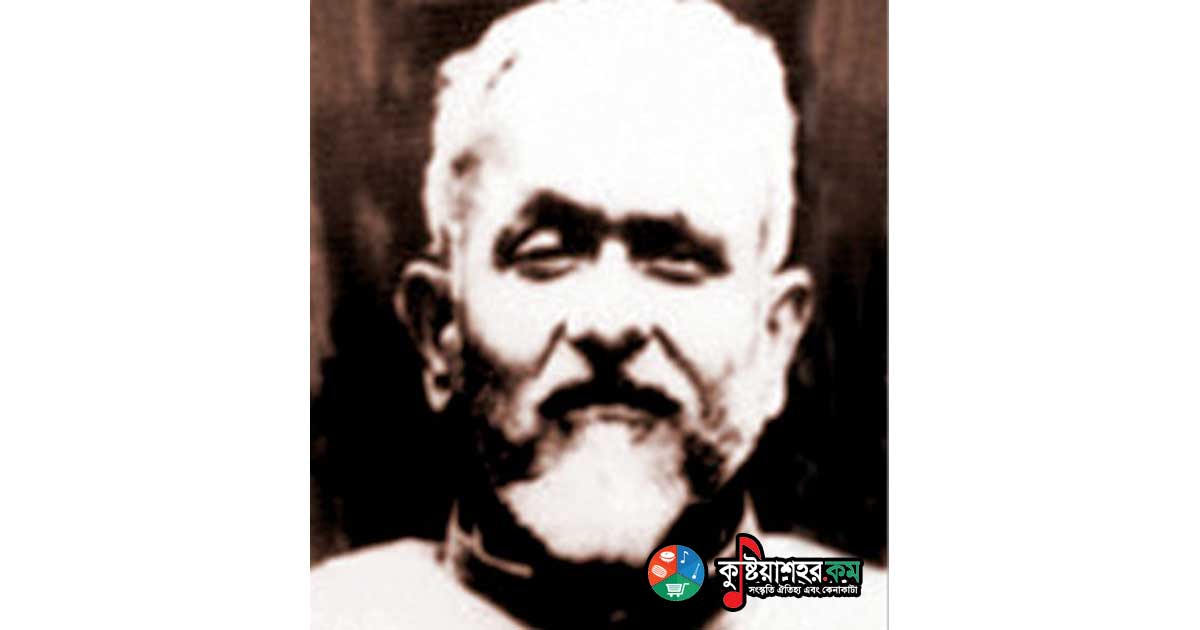
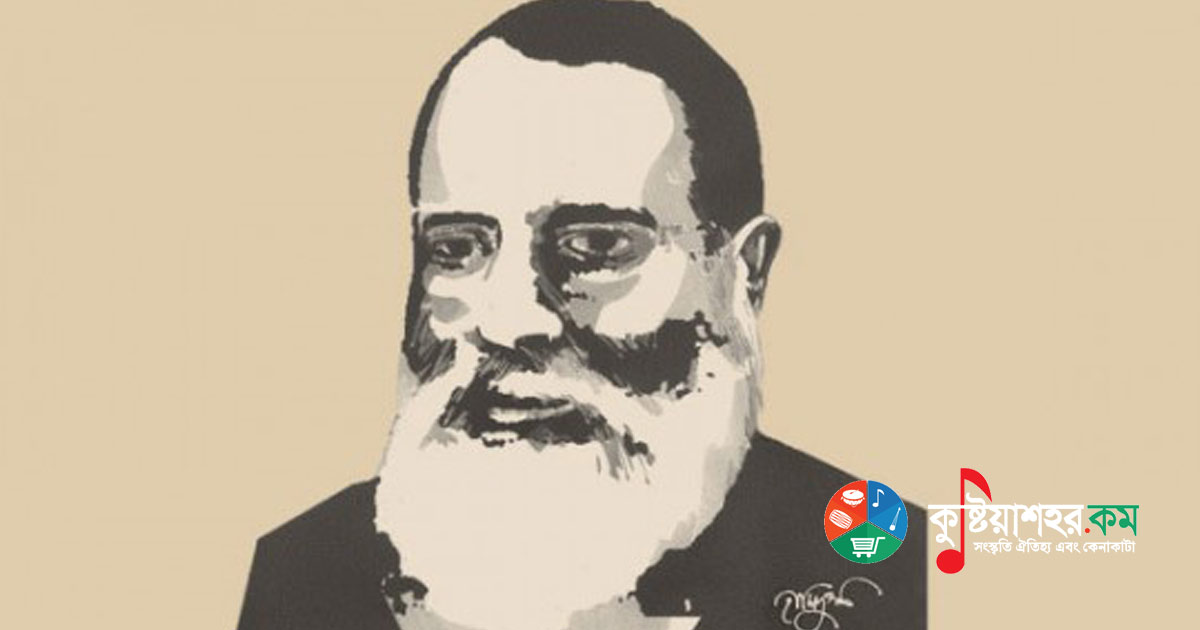
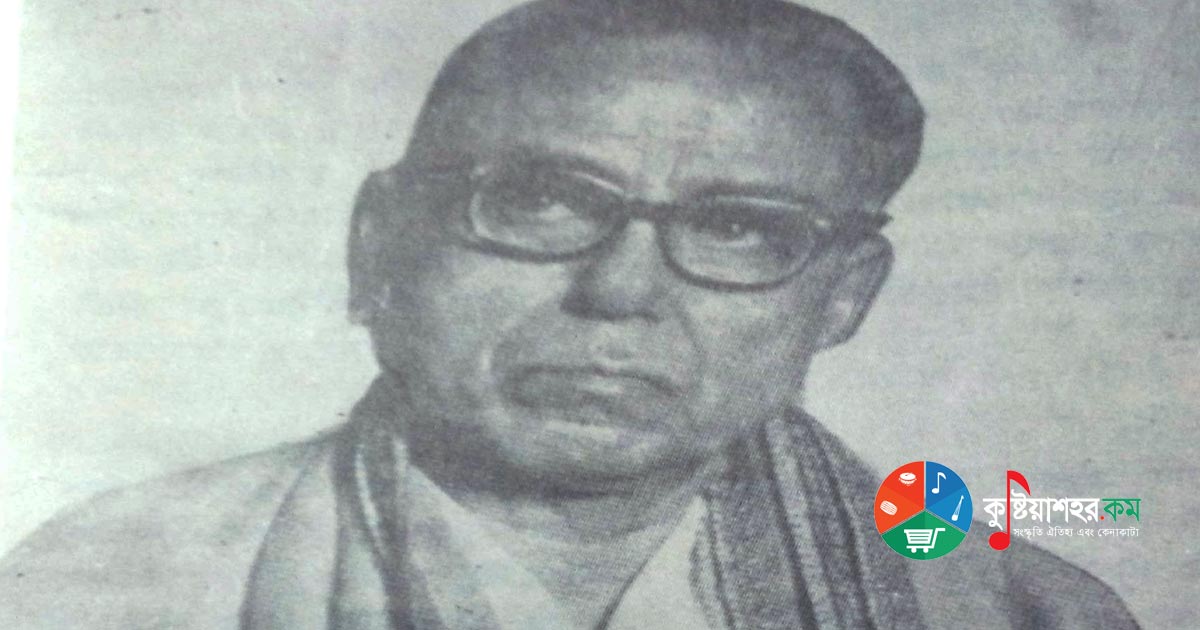
Ibrahim Khan (English: Ibrahim Khan - February 1894 - 29 March 1978) was a renowned educationist, littérateur and social reformer of the subcontinent. He was born in the village Biramdi, under the then Bhuypur thana of Tangail district. His father's name was Shabaz Khan and his mother's name was Ratan Khanam. Ibrahim Khan passed away in Dhaka on 29 March 1978 and received the Ekushey Padak.
Ibrahim Khan enrolled at the Pingna High School of Sarishabari in Jamalpur in 1906. He studied there until 1912. The littérateur Principal Ibrahim Khan was the first Muslim student to pass the Entrance (the present SSC) from Pingna High School. In 1919, after passing the MA from Calcutta University, he was engaged in teaching, and in 1924, after passing law, he began the practice of law in Mymensingh. He was the chairman of the then East Pakistan Secondary Education Board from 1948 to 1953.
Ibrahim Khan wrote more than a hundred books, combining memoirs, essays on education-literature-religion, drama, travelogues, humor, stories, novels, history and biography, children's literature, textbooks and translations. Busy in many responsible posts, he nevertheless ceaselessly composed a vast literary treasure. He walked with ease and success in all the branches of literature. In his pen found expression the endeavor of the renaissance of the cultural and political life of Muslim society.
Witnessing the miserable condition of the Muslims in British India, the great-souled man Ibrahim Khan got involved in the non-cooperation movement and the Khilafat movement at the very beginning of his career. This movement created the foundation of his deep, direct acquaintance with the life of the people. At that time, to awaken the sense of self-respect in the Muslim mind, he wrote on history, on contemporary life and on the glorious chapters of Islam - he called this his tapasya (devotion). He gave oppressed scholars of British India opportunity in his college - even students expelled elsewhere got the opportunity of study in his shelter. He was firm in his own belief, but did not disrespect another's doctrine even a bit. The principal source of the liberal humanist Ibrahim Khan's literary practice was education and reform - he was basically a reformer. The reformer of a current dazed with countless algae too has to take somewhat of a revolutionary role - he did it.
Just as Principal Ibrahim Khan contributed to literature and education, so he also played an important role in the Bengali language movement. In 1946 Principal Ibrahim Khan delivered a speech in Bengali in the Bengal Legislative Council, which was the first time in the then India that any native spoke with the British in his mother tongue. The principal initiator of the Bengali language movement was Principal Abul Kashem. He established a cultural organization named 'Tamaddun Majlish' on 2 September 1947. Principal Ibrahim Khan was a member of this organization. Principal Ibrahim Khan's attraction toward the Bengali language or the language movement was a part of his love for his homeland and his people. In his deep love for his homeland and his people there was a kind of feeling of gratitude. Out of this feeling of gratitude he joined the Bengali language movement.
Notable books
- Kamal Pasha
- Anowar Pasha
- Kafela
- Bou Begum
- Al Bokhara
- Batayan
- Istanbul Jatrir Patra
- Islamer Mormokotha
Books for children
- Jangi Begum
- Nizam Dakat
- Babur, Salahuddin
- Nazrul Islam
- Amader Mohanobi
- Omar Faruk
- Kabitay Ka-Kha
- Shial Pondit
- Byaghro Mama
- Nil Harin
- Dadur Jambil
- Khabrakhobor
- Gulbagicha
- Nobojiber Jhanda Bohil Jara
- Turki Upokotha
- Chhleder Shahnama
- Bichitra
Novels and short stories
- Bou-Begum
- Lakshmichara
- Sonar Shikol
- Monishi Mojlish
- Galpo Dadur Ashor
- Ostad
- Manush
- Galpe Fazlul Haque
- Pakhir Biday
Religious subjects
- Mohanobi Muhammed
- Islam Sopan
- Islamer Mormokotha
- Banglay Chhotoder Miladunnabi
- Muslim Jahe Sanskar Andoloner Proyojoniyota
- Hirok Har
Education, society and literature
- Amader Shikkha Byabostha
- Bhashanguchchha
- Nazruliki
Translations
- Surji Mamar Rothe
- Arab Jati
- Nurmohol
- Chengiz Khan
- Mohiyan Sulaiman
- Einstein
- Itihasher Age
- Borofer Deshe
- George Washington
- Sindbad Jahaji
- Baburer Smritikotha
- Apon Cholar Balyokal
- Khaledar Smorsmriti
- Turki Upokotha
- Itikahini
- Chhotoder Jatisongho
- Sobai Mile Gorum Je Bagan
English writings
- Anecdotes from Islam
- Gleanings in golden fields
- To my students
- A peep into our Rebel Poet.