বাংলা
 English
In Jhenaidah there lived a powerful zamindar named Raja Mukut Ray. Raja Mukut Ray had many soldiers and feudal chiefs. It is said he would not set out without 16 halka elephants, 20 halka horses and 2,200 kodadar soldiers. Like Khan Jahan Ali (RA), he too was attentive to establishing water bodies. He would advance, building roads and excavating reservoirs as he went.
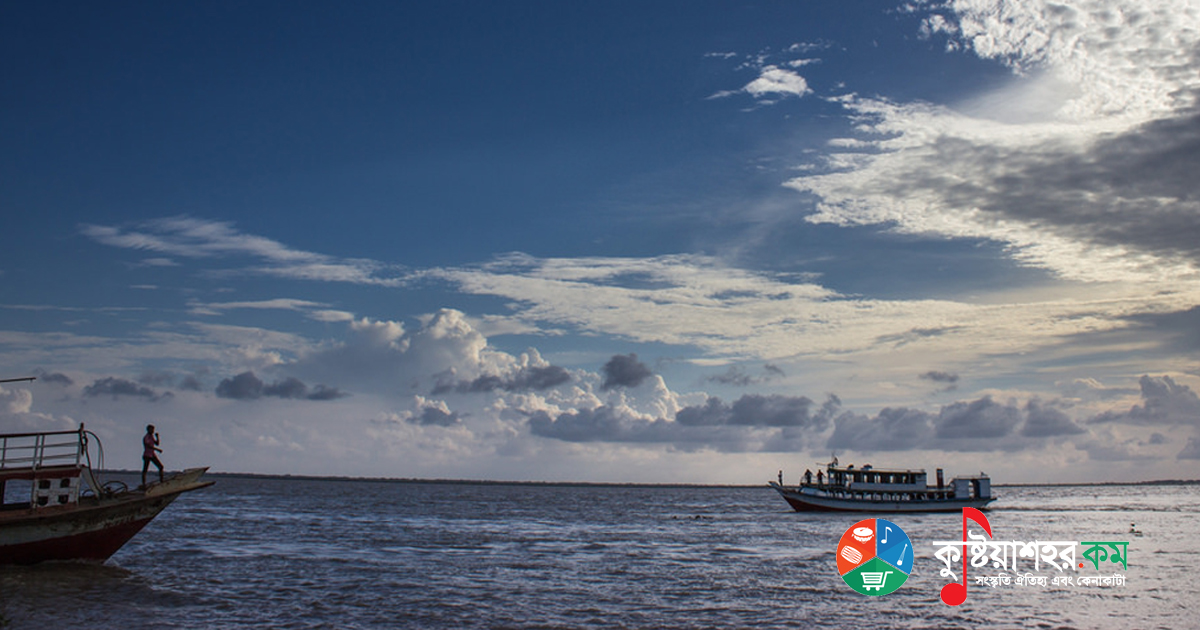
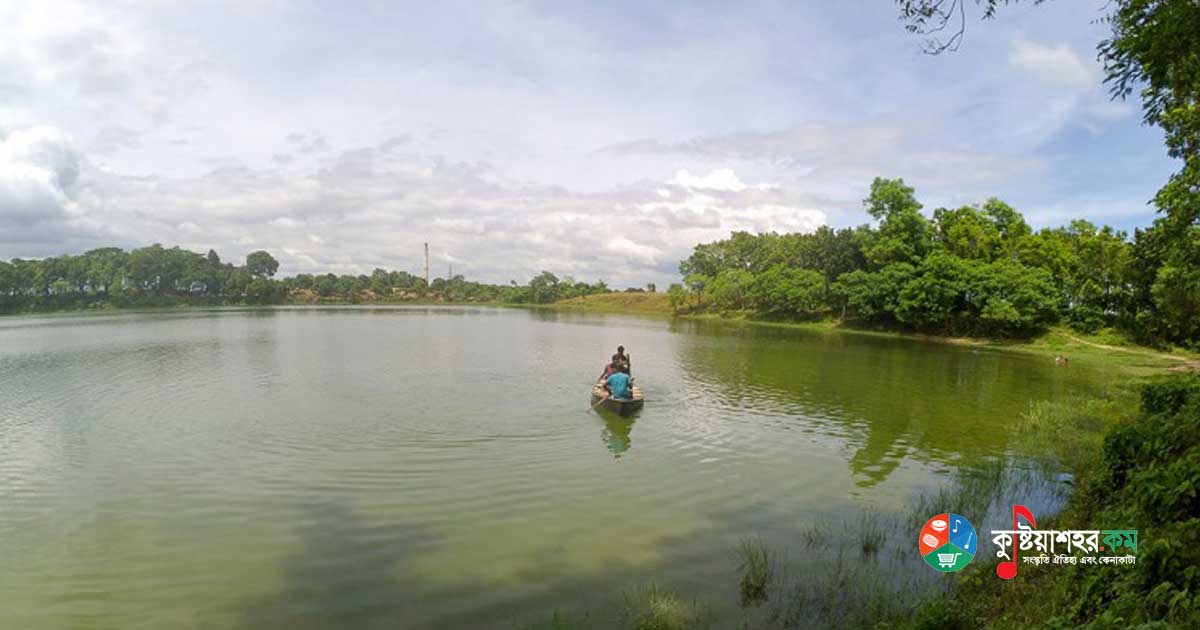
One such immortal legacy of his in Jhenaidah is the historic Dhol Samudra Dighi of Pagla Kanai union. Spread over about 52 bighas of land, this dighi is the largest in Jhenaidah. Through the passage of centuries the dighi has served as an inexhaustible reservoir of drinking water, and it survives to this day as a memory of the royal establishments of a mighty king.
East of Jhenaidah town, Bijaypur was the capital of Raja Mukut Ray. The king had a colossal cowshed at Baribathan; because he kept so many milk cows, people called him Nanda Maharaj of Vrindavan. The king had a garden at Berbari. The place where the king's kodadar soldiers lived came to be known as Kodapara. All these places exist to this day. Nothing of Raja Mukut Ray's rajbari remains. Yet archaeologists believe some historic relic may lie hidden in the crumbling brick mounds south of the Dhol Samudra Dighi. The Dhol Samudra Dighi is an attractive recreational spot of Jhenaidah.
There is a folk legend behind the excavation of the Dhol Samudra Dighi. Once, during the reign of Raja Mukut Ray, a water crisis struck. There was water nowhere - not in the beels, the baors, the rivers or the dighis. Driven to the last extremity, the king decided to dig a dighi. With the day-and-night toil of countless people the dighi grew deeper and deeper and wider on all sides - but no water rose in the pond. One day the despondent king dreamed that if the queen descended into the pond and offered worship, water would rise. Learning this, the welfare-loving queen descended into the pond with the offerings of worship. Reaching the depths of the pond, she offered her oblations to the family deity, and the water began to rise. Her prayer fulfilled, the queen began to ascend. Suddenly the water surged up with tremendous force. Amid the festive joy and playing of musical instruments of the thousands of subjects on the bank, elated at the sight of water, the queen vanished unnoticed into the depths of the boundless water. Grief-stricken, the mourning subjects went to the royal palace and bore the king this terrible news. In memory of that event, the people to this day know this dighi as Dhol Samudra Dighi.
Raja Mukut Ray was defeated at the battle of Baribathan by the combined strength of the Nawab and the Pathan soldiers. The Nawab's soldiers took Raja Mukut Ray captive to the capital. Learning the king's identity, the Nawab set him free. But the members of the king's family, believing in the king's inevitable fate, death, all took their own lives. The place of his daughter's suicide was named Kanyadah, the place of the two queens' suicide Dustiner, and the place of the royal astrologer's suicide Daibogyadaha - names by which they are known to this day.
How to get there:
It lies close to Jhenaidah town. This famous Dhol Samudra Dighi can be reached by van rickshaw or easy-bike. (It is situated 4 kilometres west of the town.)