বাংলা
 English
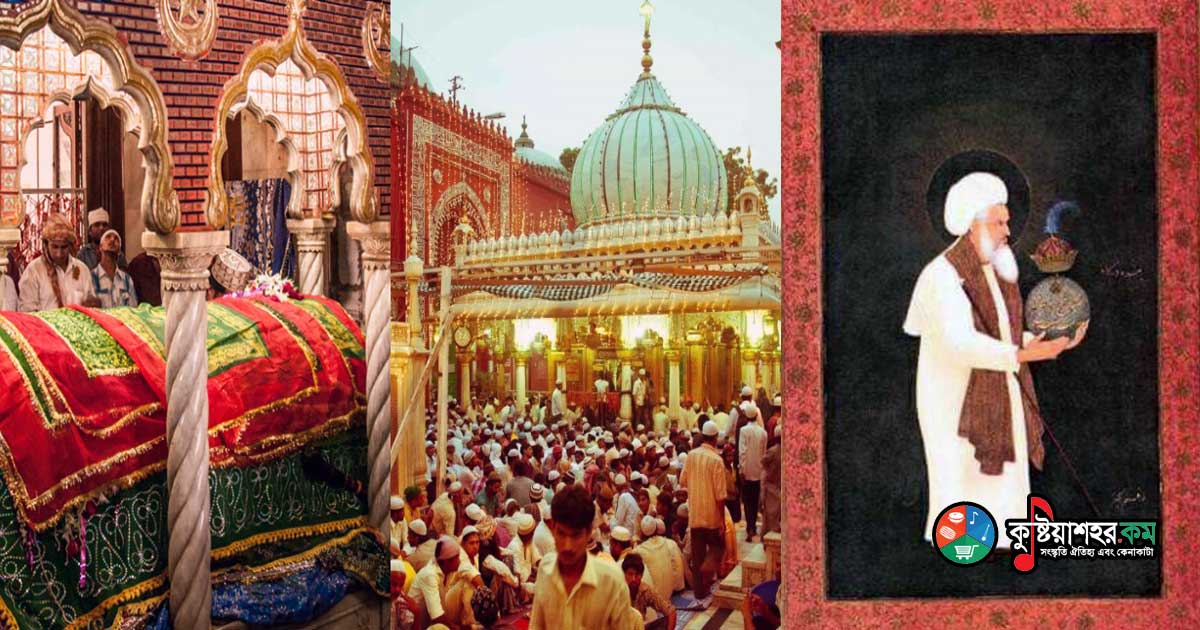
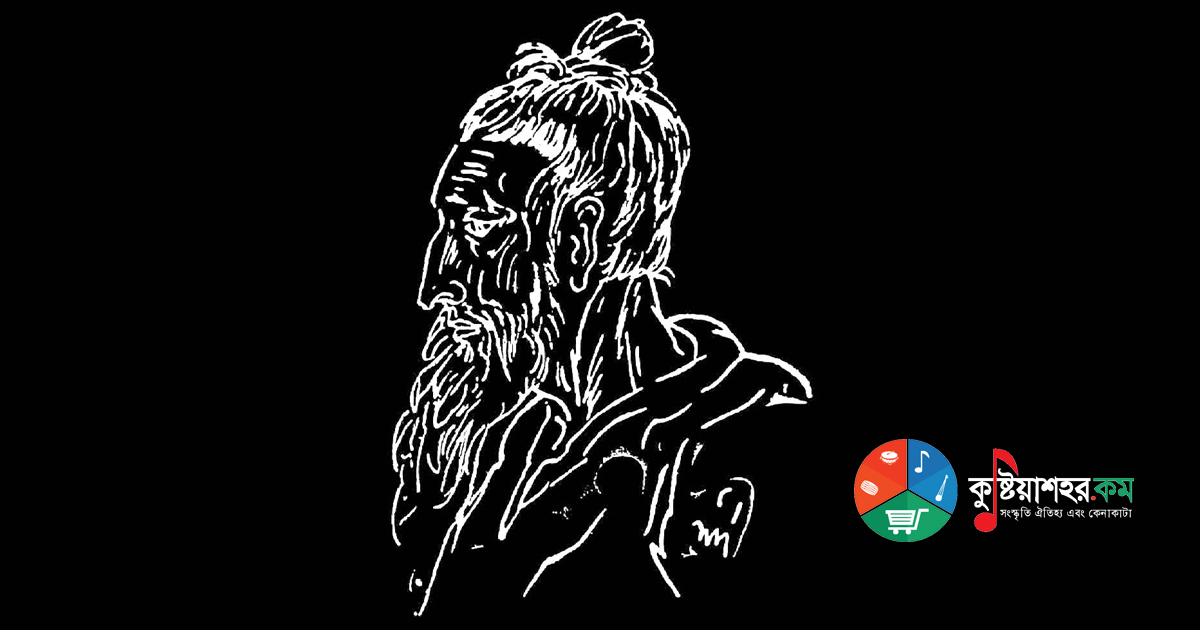
Sultan-ul-Hind, Khwaja Moinuddin Chishti (Arabic: ششتی - Chishti) was the most famous Sufi saint of the Chishti order in the Indian subcontinent. He was also known as Gharib Nawaz (غریب نواز). Moinuddin Chishti was the first to establish and popularize this order in the subcontinent. He was born in 1138 in Khorasan (present-day Afghanistan) or Isfahan (present-day Iran) and passed away in 1236 in Ajameru, Chauhan Sambar (present-day Ajmer, Rajasthan, India).
In India he introduced the spiritual order, or Silsila, of the Chishti order in this way; later his followers — such as Qutbuddin Bakhtiar Kaki, Baba Farid and Nizamuddin Auliya (each of whom was the successor-disciple of his predecessor) and many others — raised the Sufi order in the history of India to a different height.
It is believed that Khwaja Moinuddin Chishti was born in 536 Hijri/1141 AD in Chishti, in the Sakasthan province of ancient Persia. He grew up in Persia. When he was fifteen years old, his father and mother passed away. He inherited a windmill and an orchard from his father. According to legend, one day while he was watering his orchard, the famous Sufi Sheikh Ibrahim Kunduzi came to his orchard (the name Kunduzi derives from Kunduz, his birthplace). Young Moinuddin became absorbed and offered the Sheikh some fruit in hospitality. In return, Kunduzi gave Moinuddin a piece of bread and told him to eat it. After this he distributed his wealth and other possessions among the poor. Then, renouncing the attractions of the world, he set out for Bukhara in pursuit of knowledge and higher education.
Khwaja Moinuddin Chishti came from Bukhara to Nishapur. There he became a mureed (disciple) of Khwaja Usman Haruni, another famous Sufi saint of the Chishti order. He devoted himself to his service for twenty years. Later Usman Haruni granted him khilafat, or Sufi representation.
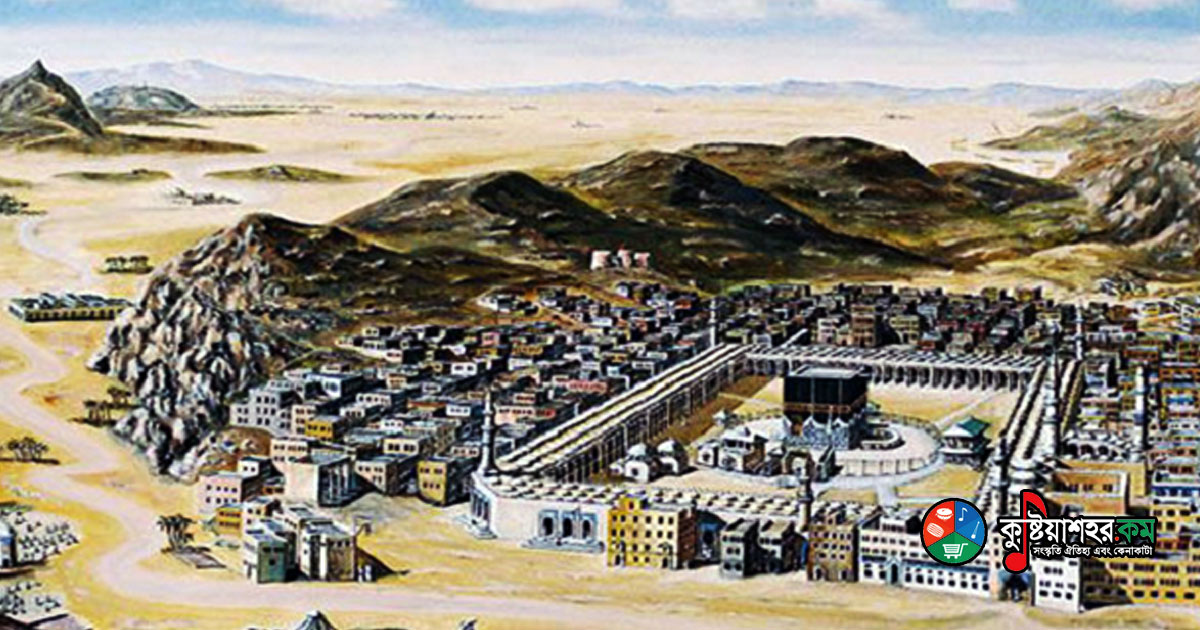
Khwaja Moinuddin Chishti traveled through many countries. From various books it is known that he met countless Sufi saints of his time, including scholars, virtuous men, pandits and philosophers. He stayed seventeen days in the presence of Abdul Qadir Jilani of Baghdad, Iraq. It is recorded in his life that at this time Abdul Qadir Jilani pointed to him and said, “The responsibility of Iraq has been given to Sheikh Shihabuddin Suhrawardi, and the responsibility of Hindustan has been entrusted to you.” On the same occasion he had received the same message from the Prophet Muhammad through his own pir Khwaja Usman Haruni during their stay and ziyarat in Medina. Being an Arab, he traveled through Iraq, Iran and Afghanistan, first to Lahore and later to Delhi, and settled in Ajmer.
Khwaja Moinuddin Chishti was a legendary historical Sufi figure in the preaching of Islam in the Indian subcontinent. On the instruction of his pir Usman Haruni he came to India, gave the people the dawah of Islam, and through it many people accepted Islam. His famous book was “Anisul Arwah”.
He entrusted the responsibility of khilafat to Qutbuddin Bakhtiar Kaki and kept the continuity of the silsila unbroken.
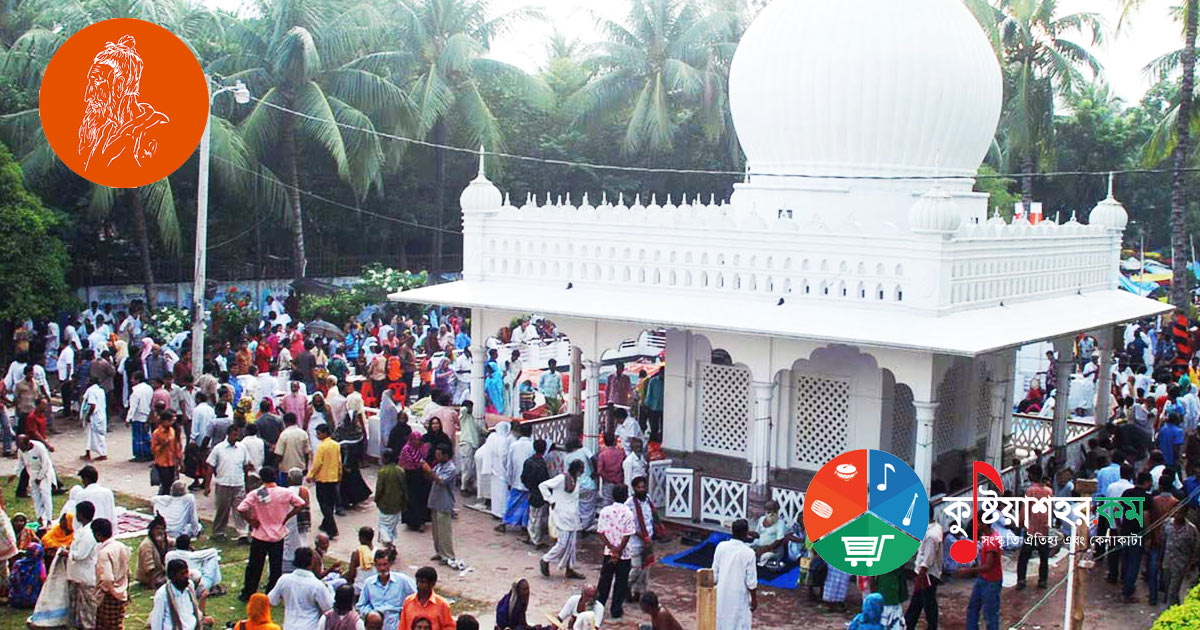
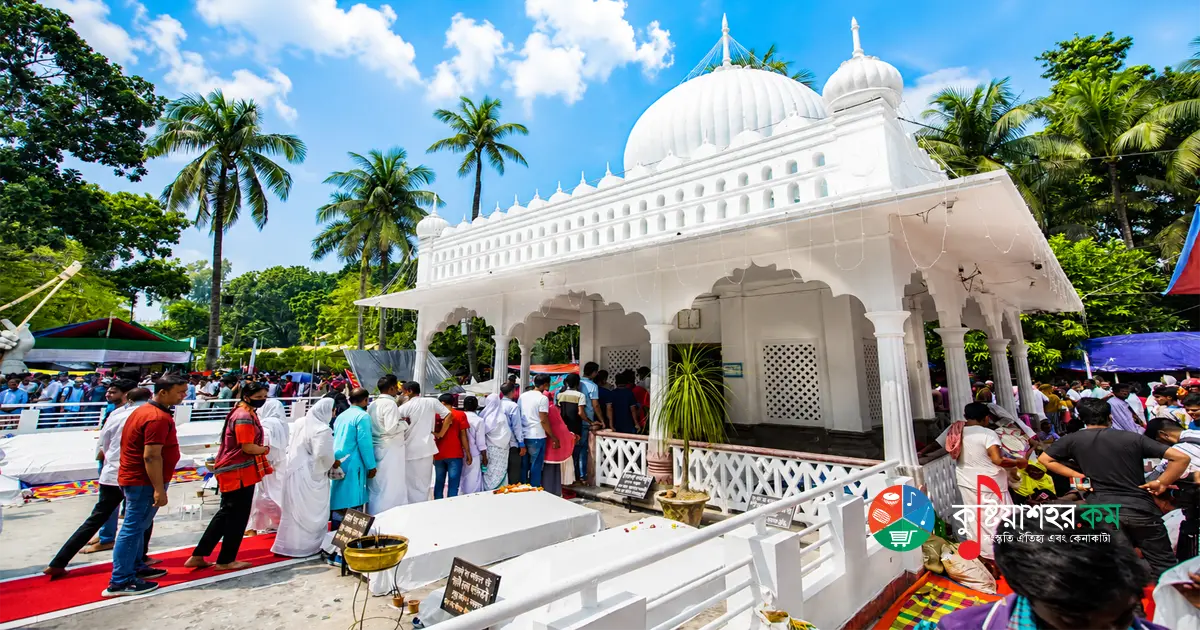
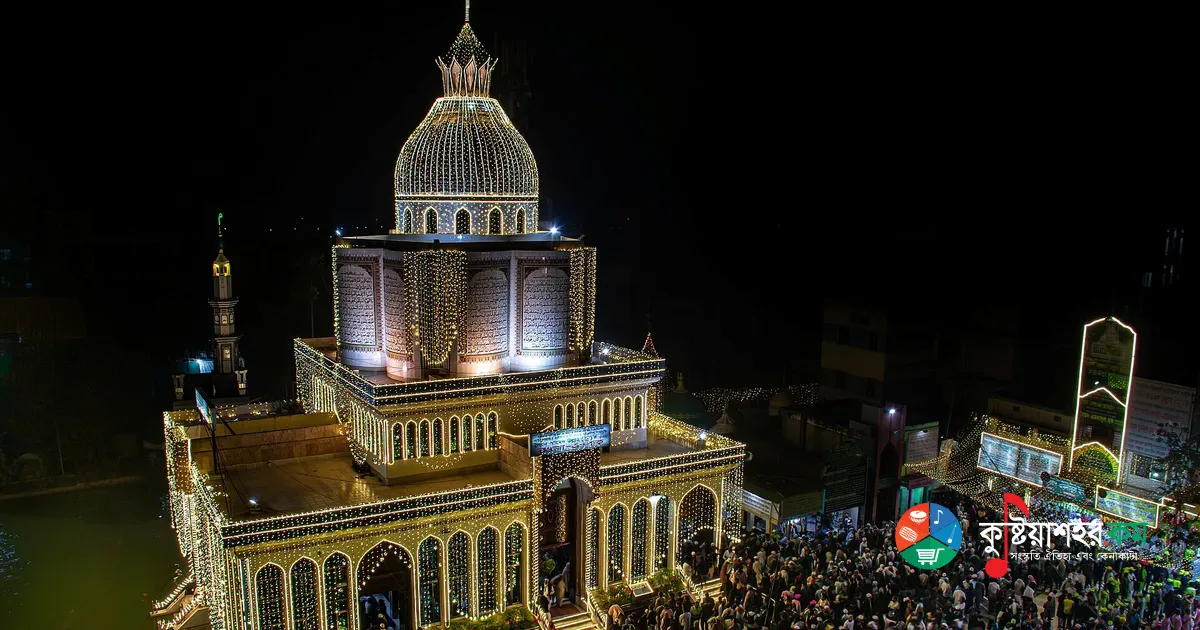
Khwaja Moinuddin Chishti passed away on the night following the 5th of Rajab, 633 Hijri, that is, at sunrise on the 6th of Rajab. He was then 97 years old. His eldest son Khwaja Fakhruddin Chishti led his funeral prayer. Every year from the 1st of Rajab to the 6th of Rajab, an Urs is held at his shrine by Amir Sharif. People of different religions, castes and clans gather from different parts of the world.