বাংলা
 English
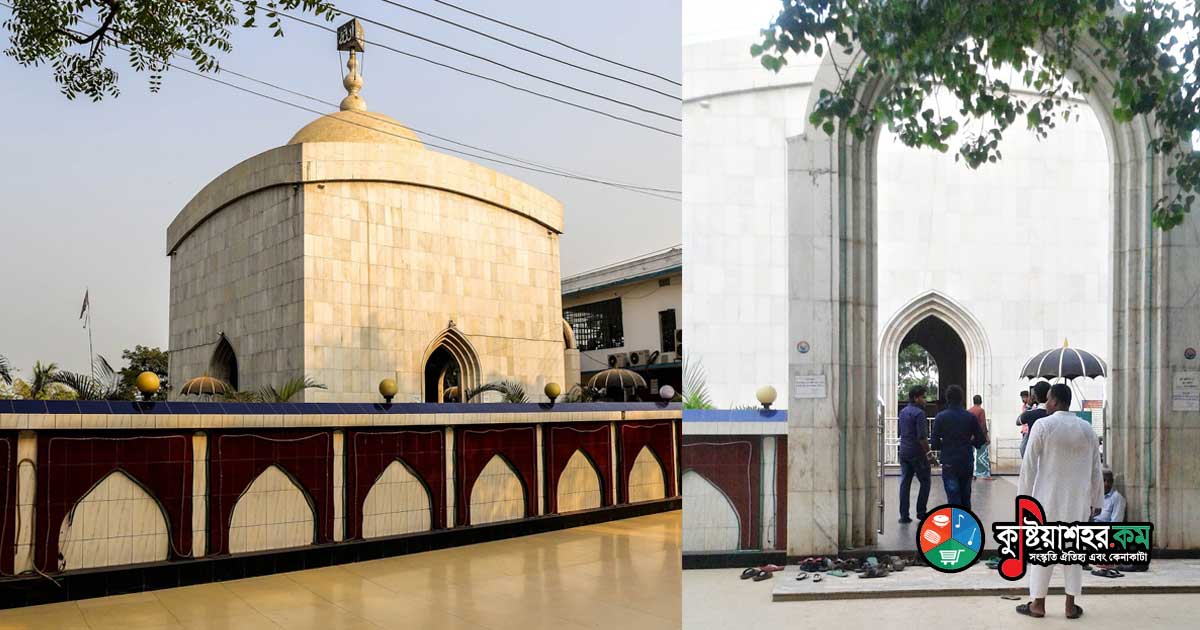
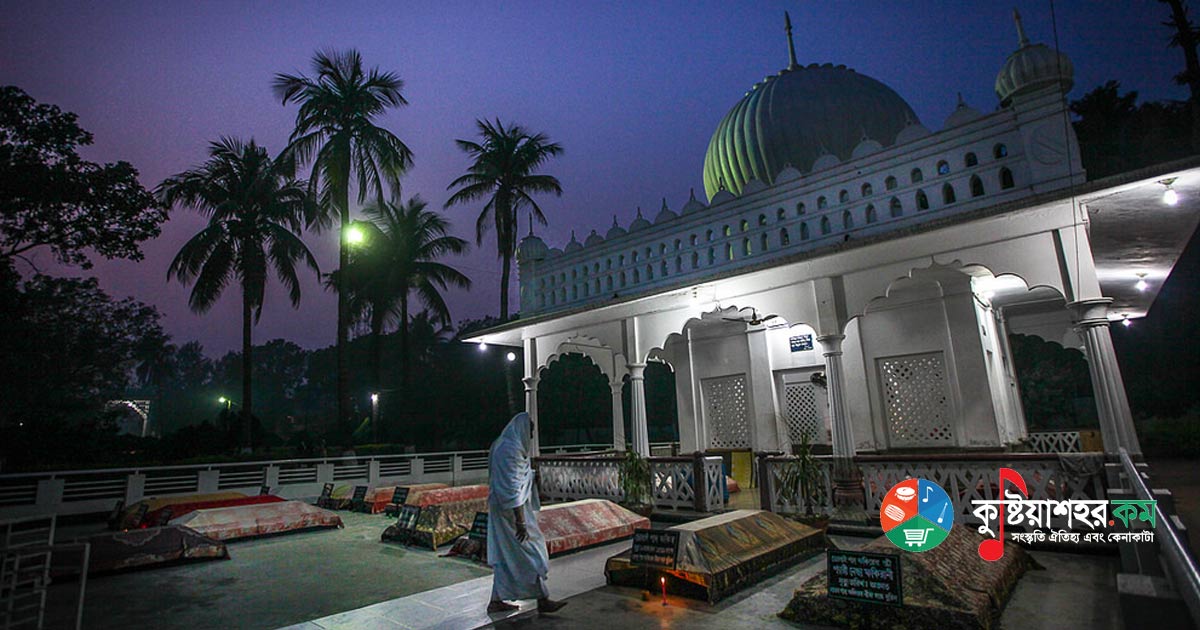
Hazrat Shah Sultan Balkhi Mahisawar (RA) was a dervish of the fourteenth century. With the aim of preaching Islam, this great saint came to this Bogura Mahasthan from distant Balkh. Coming here he defeated the Hindu king Porashuram, established the Islamic faith and lies buried here.
It is said that he was the son of the king of the state of Balkh, and for that reason he was also known as Balkhi. Shah Sultan led a completely ascetic life, renounced the royal throne he had inherited, went to Damascus and became a disciple of Sheikh Taufiq.
Pir Sheikh Taufik Shah instructed the Sultan to go to Bengal and preach Islam. The Sufi Mahisawar crossed the seas on a merchant vessel for the purpose of preaching and arrived in Bengal, settling on the sandbar (island). Some time later he came to Harirampur town near present-day Dhaka and met the Hindu king Balaram (11th century). Balaram was ruling the region at that time. The king obstructed Shah Sultan's preaching of Islam. In the clash the king was killed, and after his death, stricken with grief, the king's minister accepted the Islamic faith and ascended the throne under Mahisawar's authority.
Later Shah Sultan advanced towards Mahasthan. With a band of 120 Sufi fighters, Shah Sultan Mahisawar Balkhi arrived at Mahasthan and gave the local ruler Porashuram the dawah of Islam. Enraged by this, Porashuram attacked Shah Sultan Mahisawar Balkhi. Seven persons were martyred in that attack. On hearing of the martyrdom of Shah Sultan Mahisawar Balkhi, Shah Sultan Kamar Uddin Rumi set out for Mahasthan with a band of fighters under his caliphate. Without engaging directly in the war against Porashuram, he called people to accept the Islamic faith in the remembrance of the oneness of Allah and His beloved Prophet Hazrat Muhammad (PBUH). When Porashuram, at the instigation of the local king Porashuram and his sister Siladevi, became enraged again at this call, Shah Sultan Kamar Uddin Rumi attacked him. Porashuram was then defeated, and Siladevi drowned herself in the Karatoa river.
Shah Sultan's arrival and his wars with the kings Balaram and Porashuram are known only through popular legend. He is better known by the name Mahisawar (one who rides a fish). In this region the saint Mahisawar is very popular. It is very difficult to trace Shah Sultan Mahisawar, but the people of the region believe in him with devotion as a great spiritual dervish endowed with power.
In 1095 Hijri (1685 AD), during the reign of Aurangzeb, a sanad was drawn up in the names of three persons: Sayyid Muhammad Tahir, Sayyid Abdur Rahman and Sayyid Muhammad Reza. By this sanad they permanently received the right of enjoyment (bhumy-dakhle) of the lakhiraj land (rent-free land) adjoining the mazar. The sanad bears the seal of Kukultash Mujaffar Jangar Silmohar, and it was sent as the close directives of officials such as the musaddi, chaudhuri and kanungo of the subedar paragana of sarkar Bajuhar. Instructions were issued to the officials to determine whether the owners of the deed could enjoy the lakhiraj property of the dervish. This sanad mentions sanads and firmans granted by earlier rulers. The mazar is therefore very old, but how old cannot be determined, because the earlier sanads and firmans have not been found. The local people hold Shah Sultan Mahisawar in great reverence. Every day many people come to visit his mazar to seek blessings.
How to get there:
From the Mahasthan bus stand on the Dhaka-Rangpur road, the place can be reached by any available transport running on the Shibganj upazila headquarters road to the west of the bus stand.