
 বাংলা
 English
Theology
Theology is a field of philosophy-centred knowledge in which religious assumptions and apologetics are discussed. Historically it was most associated with the Christian faith, though later the study of all religions — especially Islam and Judaism — became part of it. Systematic and rational study of religion, its influence and the nature of religious truth is theology; its widely discussed subjects include God, humanity, the universe, liberation and eschatology.
- Details
- Written by: সালেক উদ্দিন শেখ
- Category: Theology
- Hits: 3
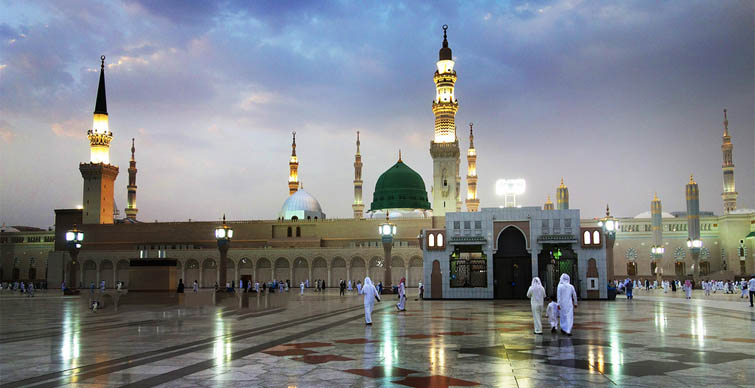
The third of the five fundamental pillars of Islam is fasting (Roza). The word 'Roza' is Persian; its Arabic equivalent is Sawm. The literal meaning of Sawm is to stop, to desist or to abstain. In Islamic Shariah, Siyam or Roza is the name of abstaining, with intention, from food and drink, sin and vice from true dawn until sunset. Siyam is not merely the name of spending the day without food. Fasting may yield some health benefits, but moral and spiritual progress may not be attained through fasting alone.
- Details
- Written by: সালেক উদ্দিন শেখ
- Category: Theology
- Hits: 5
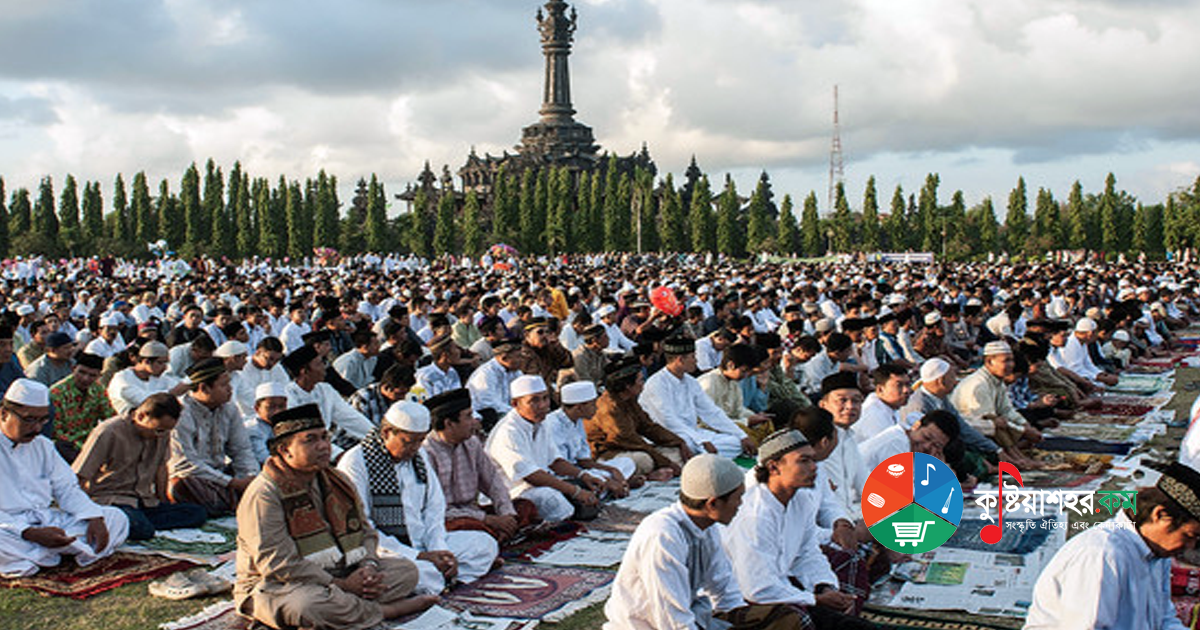
In Islamic Sharia, fasting means, with intention (niyyat), to abstain from food and drink and marital relations from the beginning of dawn until sunset, in obedience to the command of Allah. The month of Ramadan is a month of immense importance for the Muslim Ummah.
- Details
- Written by: সালেক উদ্দিন শেখ
- Category: Theology
- Hits: 4
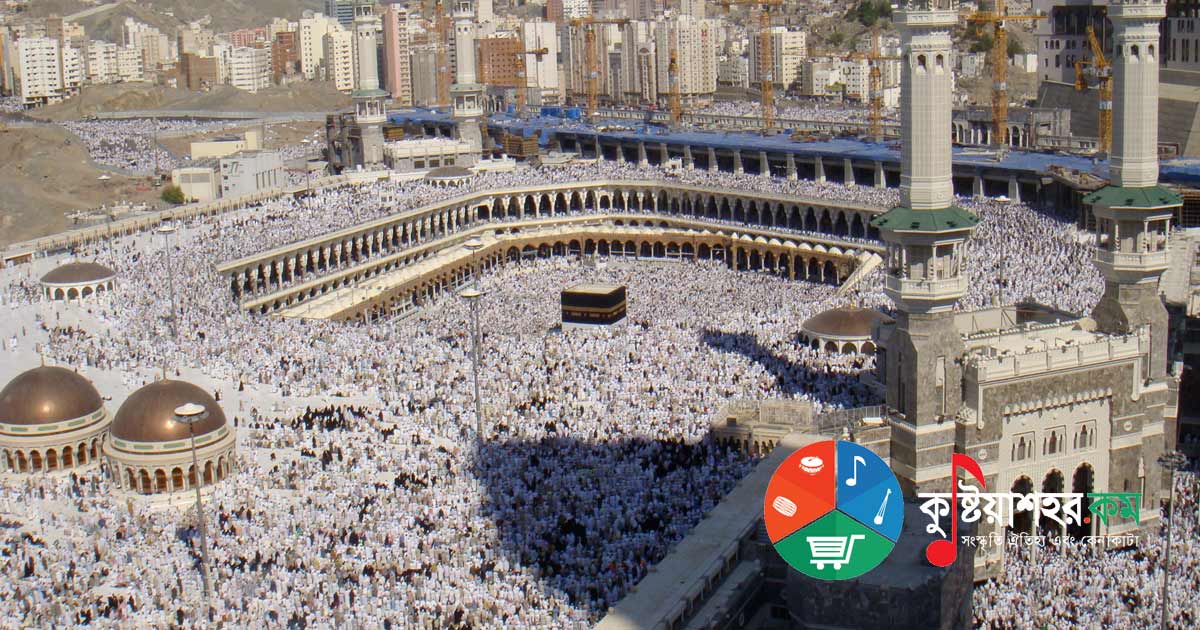
Islam (in Arabic: الإسلام) is a monotheistic and Abrahamic religion; it is governed by the Quran (a book that is wholly the word of Allah) and by the teaching system and life-model given by the last prophet Muhammad (SAW), which is recorded under the name of Sunnah and Hadith. The followers of Islam regard Muhammad (SAW) as the last prophet.
- Details
- Written by: সালেক উদ্দিন শেখ
- Category: Theology
- Hits: 6
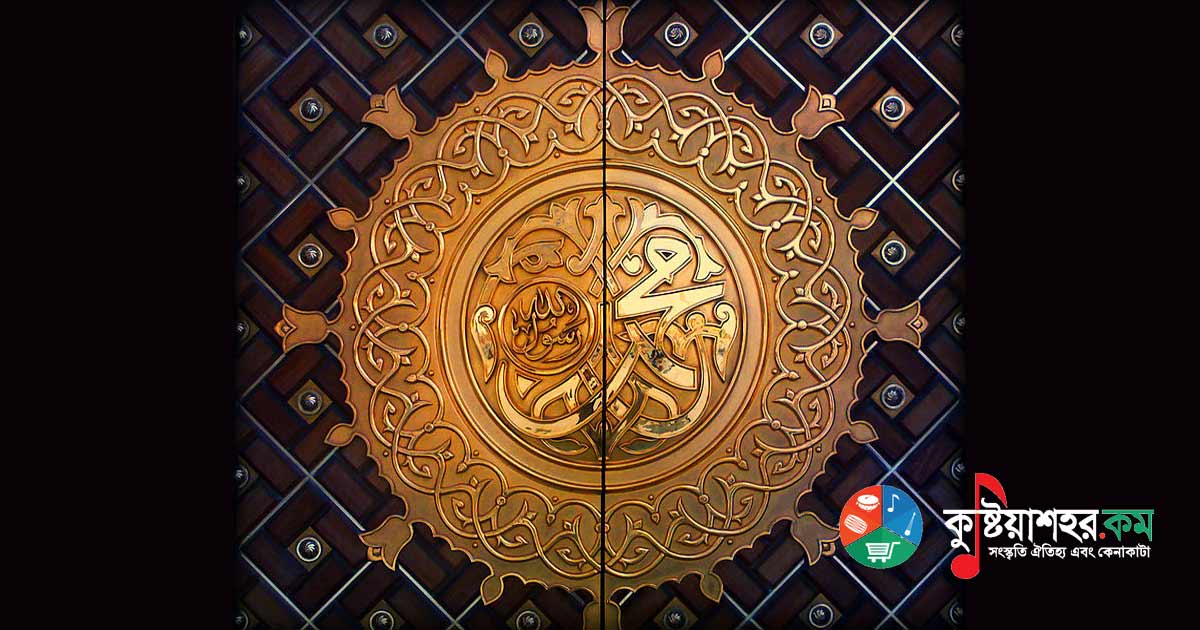
Eid-e-Miladunnabi (مَوْلِدُ النَبِيِّ) is the combined form of three Arabic words. It is made up of the three words Eid, Milad and Nabi. In the lexical sense Eid means joy, Milad birth, and Nabi messenger. In the technical sense, the joy at the great prophet's (SAW) advent in the world is called Eid-e-Miladunnabi.
- Details
- Written by: সালেক উদ্দিন শেখ
- Category: Theology
- Hits: 4
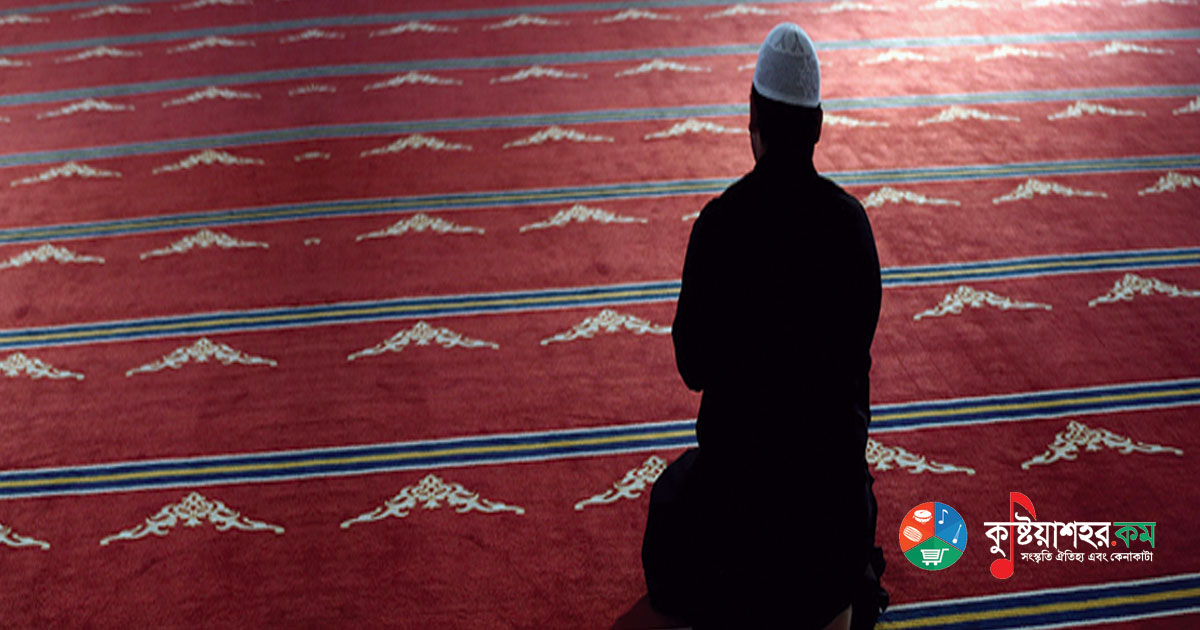
Welcome, O Mahe Ramadan. The holy month of Ramadan is the month of drawing near to Almighty Allah. In this month a person gets the opportunity to seek forgiveness from his sins, and the true servant of Allah makes use of this opportunity, becomes free from all past sins and impurities, and hastens towards building a beautiful future.
- Details
- Written by: সালেক উদ্দিন শেখ
- Category: Theology
- Hits: 5
Mahe Ramadan arrived with boundless mercy and blessings. And, by the command of Allah and through His general rule, it has also taken its leave from among us. However, through various forms of worship, devotion and practice, this blessed month has left behind for us a great lesson, a great message. Only when we understand this lesson and message correctly and stand firm upon it for the whole year is the full gratitude of this month fulfilled, and only then does the longing to have it back again become true and genuine.

- Details
- Written by: সালেক উদ্দিন শেখ
- Category: Theology
- Hits: 6
Welcome to Mahe Ramadan, the month of restraint and self-purification. The ninth month of the Hijri year, the holy Mahe Ramadan is a gift for the Ummah of Muhammad (SAW) of Allah's immense pleasure and of the Paradise He has promised. The word 'Ramadan' derives from the Arabic root 'ramd'. Its literal meaning is burning, blazing or scorching something to ashes.
- Details
- Written by: সালেক উদ্দিন শেখ
- Category: Theology
- Hits: 4
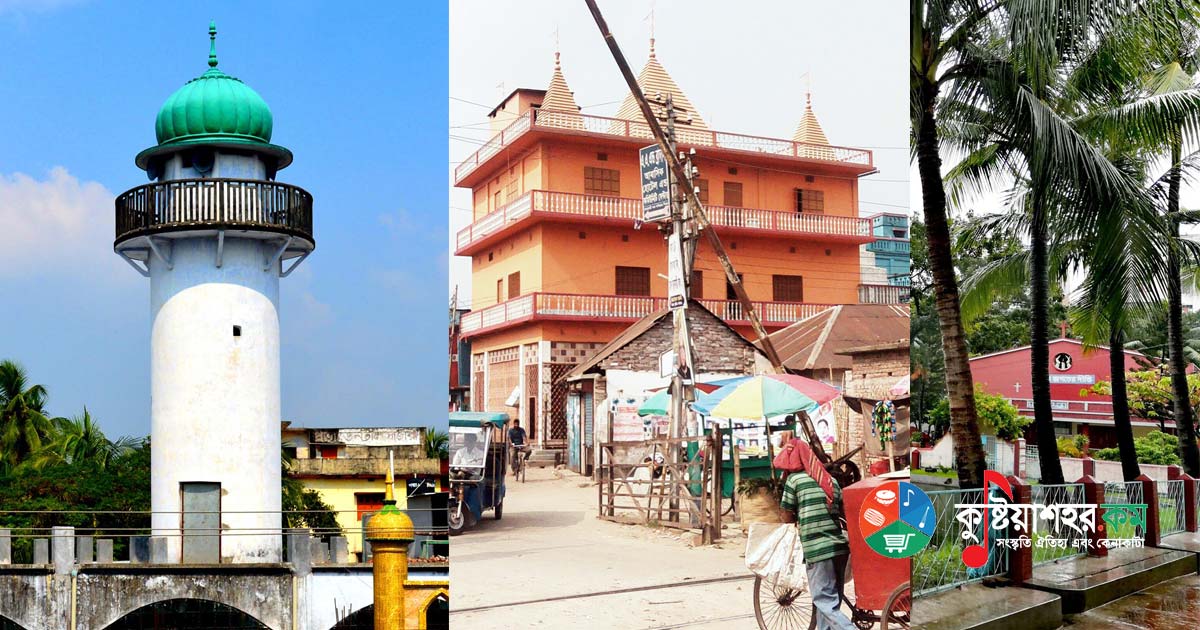
Due to its geographical location, the people of Greater Kushtia possess a rich spiritual consciousness. That is why people of all faiths — Muslims, Hindus and Christians — have been able to practise their religion freely in this region. Kushtia district was born in 1947 after the partition of the country. Before the partition, the present Greater Kushtia district — Kushtia Sadar, Chuadanga and Meherpur sub-divisions — was part of Nadia district. Nabadwip of Nadia was a major centre of Hindu religion and scripture-based scholarship. In the early twelfth century, the Bakhtiyar Khalji invasion of the Nadia river island opened the way to Muslim rule in Bengal. The emergence of Sri Chaitanya and the spread of the Vaishnavite faith on Nabadwip, or the profound influence exerted on the Muslims of Bengal, cannot be denied. Besides, the Nadia-Nabadwip-Kushtia region was the birthplace and arena of several quasi-religious sects such as Aul-Baul and Shahajiya Hayati-Gobarat.
- Details
- Written by: সালেক উদ্দিন শেখ
- Category: Theology
- Hits: 5
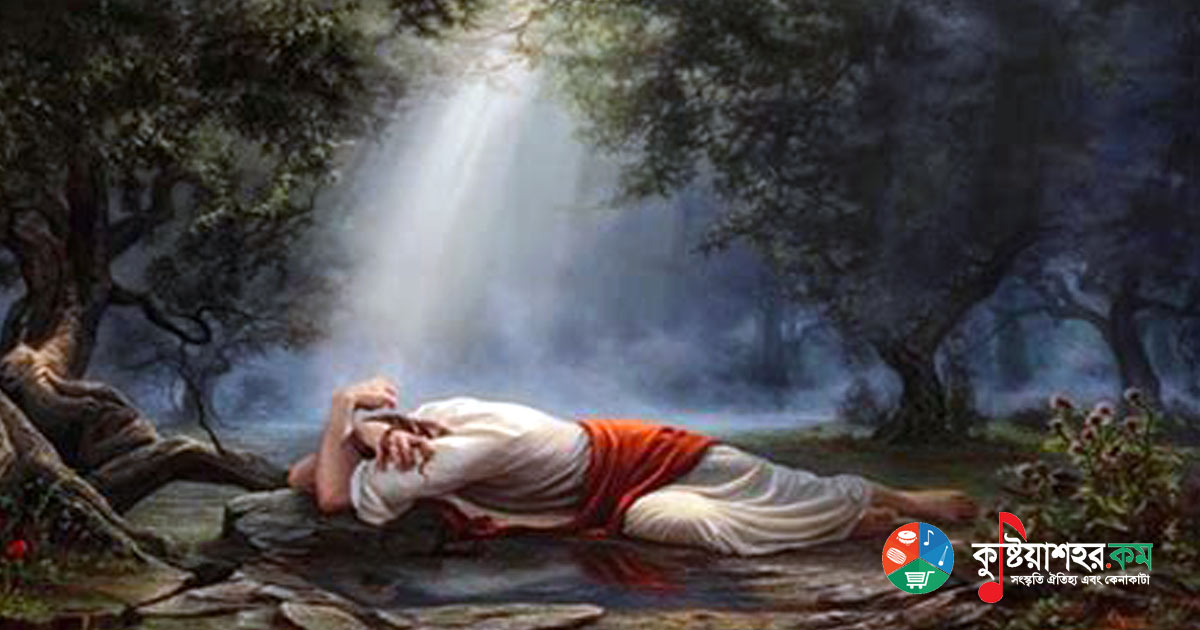
As the first human being and the first prophet of world history, Allah created Adam (peace be upon him) directly with His own two hands (Sad 38:75). Gathering the essence of all the elements of the earth, Allah created Adam in the most beautiful form of dry, potter's-clay-like earth and breathed the soul into him.
- Details
- Written by: সালেক উদ্দিন শেখ
- Category: Theology
- Hits: 5
Adam's Place of Descent
There are differences of opinion as to where Adam and Hawwa were placed in the world after being brought down from the Paradise located in the heaven. It is said that Adam was placed in Sarandib (Sri Lanka) and Hawwa in Jeddah (Saudi Arabia), Iblis in Basra (Iraq), and the snake — the alleged vehicle of Iblis's entry into Paradise — in Isfahan (Iran). Some have said Adam was brought down on the hill of Safa in Makkah and Hawwa on the hill of Marwa. There are other accounts too. But since the Quran and authentic Hadith say nothing explicit on this, many consider it best for us to remain silent on the matter.
- Details
- Written by: সালেক উদ্দিন শেখ
- Category: Theology
- Hits: 3
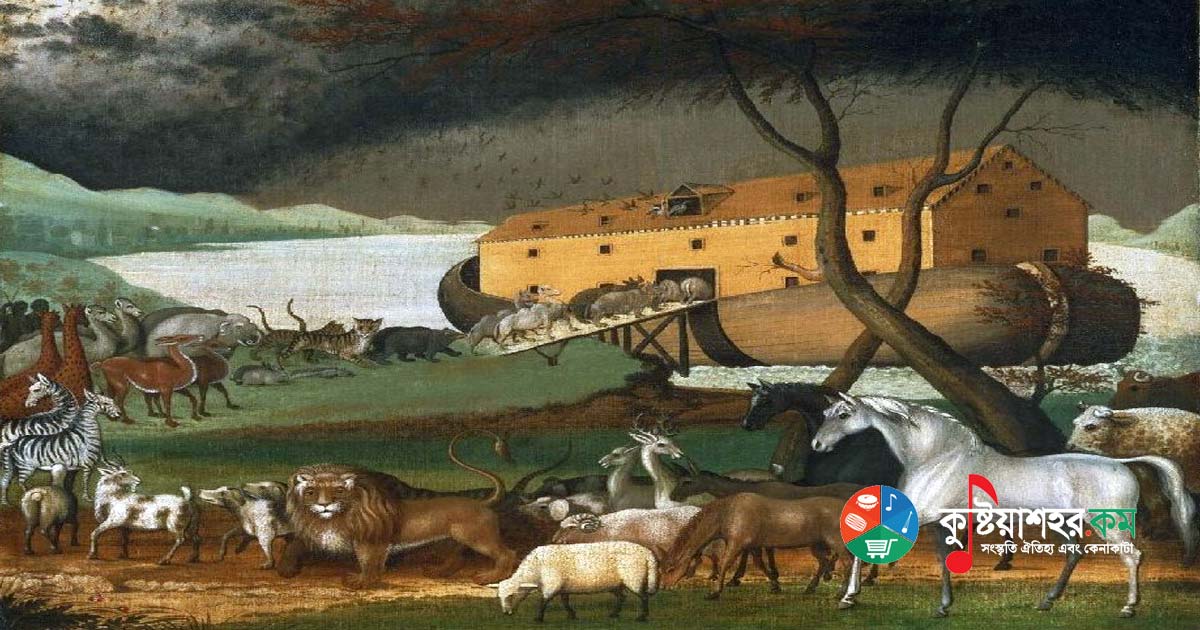
From Adam (AS) to Nuh (AS) the gap was ten centuries. Towards its end, shirk and superstition appeared among the ever-growing human race and spread. So, to reform them, Allah sent Nuh (AS) as a prophet and messenger. He was granted a long life of nine hundred and fifty years and spent his whole life in da'wah, calling the wayward people back to the path.
- Details
- Written by: সালেক উদ্দিন শেখ
- Category: Theology
- Hits: 5
The Arab Nation (الشعب العربى وأقوامها)
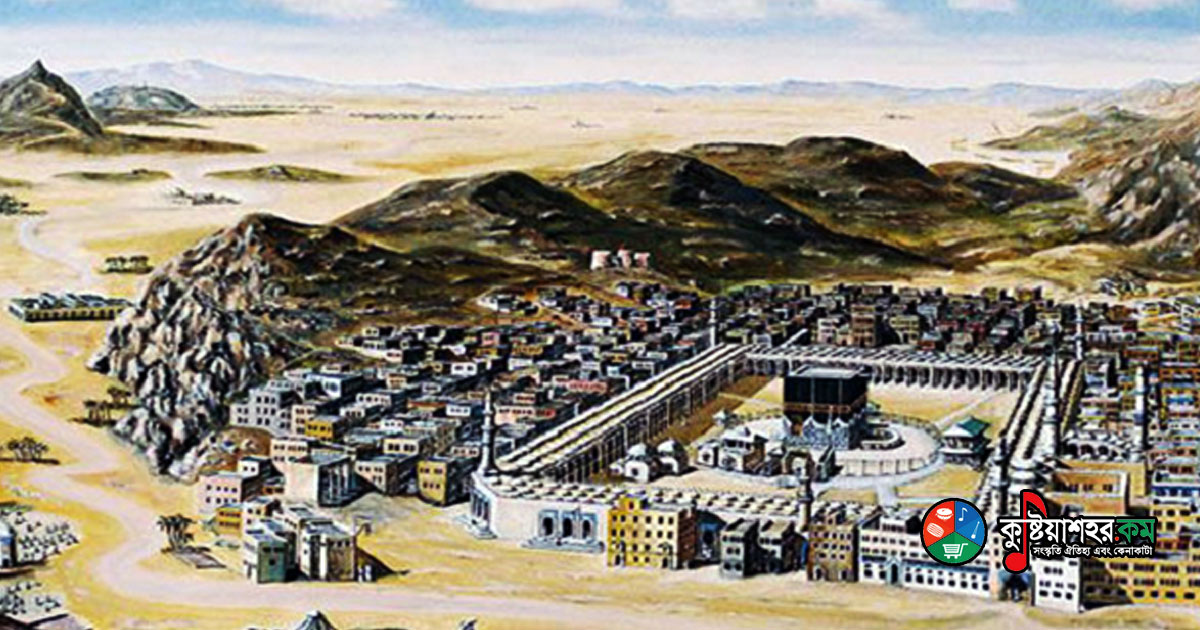
The original inhabitants of the Middle East are the Arab race. For this reason it is called the Arabian Peninsula (جزيرة العرب). The Arabs are divided mainly into three communities. 1. The Perished Arabs (العربُ البائدةُ): those of the early lineages — Ad, Thamud, Amaleqa and the like — whose extensive history cannot be found. 2. The Qahtani Arabs (العربُ العارِبَةُ), the inhabitants of Yemen, descendants of Ya'rab ibn Yashjab ibn Qahtan. 3. The 'Adnani Arabs (العربُ الْمُسْتَعْرِبَةُ), descendants of 'Adnan, descended from Ismail (AS), son of Ibrahim, who came from Iraq. It was in their lineage that the Messenger of Allah (SAW) was born.
- Details
- Written by: সালেক উদ্দিন শেখ
- Category: Theology
- Hits: 3
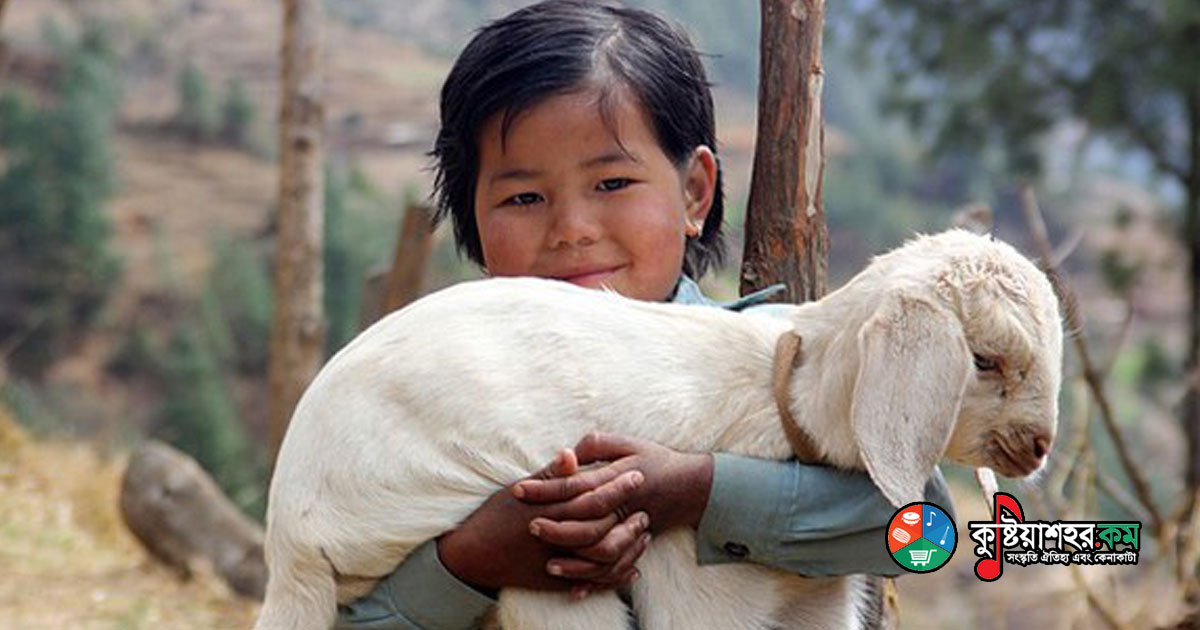
Qurbani originates from the word Qurban, which means nearness, proximity and devotion. Thus Qurbani means attaining nearness to Allah Ta'ala through offering a sacrifice. The first Qurbani in human history was the sacrifice of Habil and Qabil, the two sons of Hazrat Adam (AS). This story is narrated in verse 27 of Surah Al-Ma'idah.
- Details
- Written by: সালেক উদ্দিন শেখ
- Category: Theology
- Hits: 4
It is established in the Sunnah that for the person who has the wish or resolve to offer Qurbani, it is obligatory that, from the entry of the month of Dhul-Hijjah until the animal of Qurbani is slaughtered, he does not cut any hair, nails or other parts of his body. On this the beloved Prophet (SAW) said: "When you sight the moon of the month of Dhul-Hijjah and any one of you intends to offer Qurbani, let him refrain from cutting his hair and nails until he has performed the Qurbani." Another narration says: "Let him not touch anything of his skin (dead or cracked skin)."
- Details
- Written by: সালেক উদ্দিন শেখ
- Category: Theology
- Hits: 3
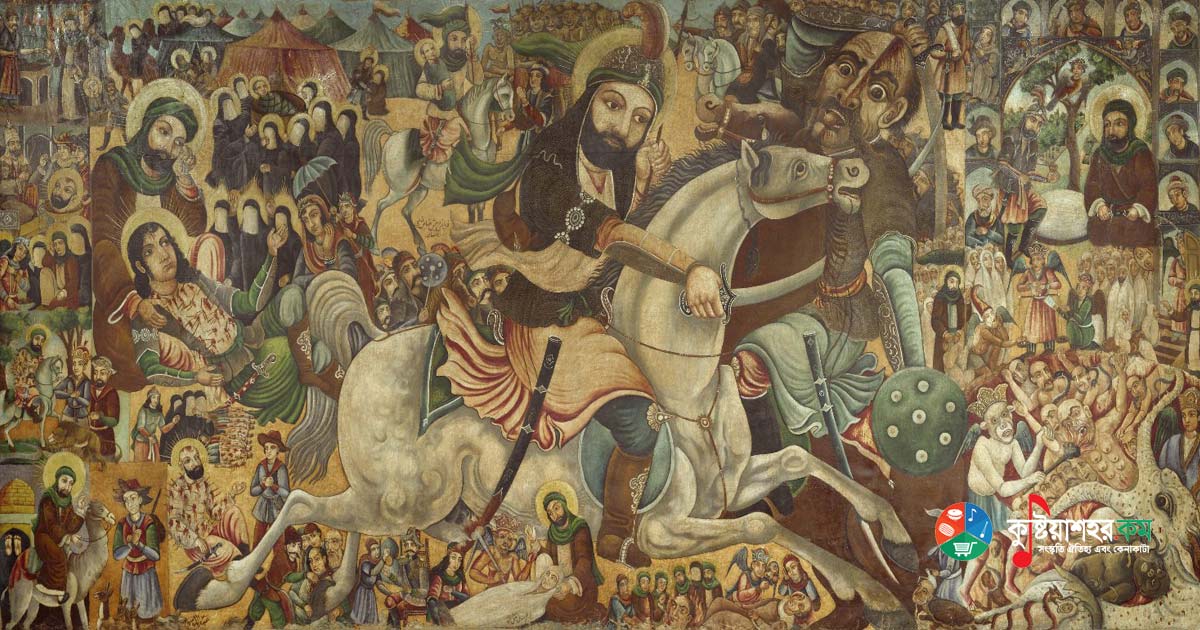
The Battle of Karbala took place on 10 Muharram, 61 Hijri, corresponding to 10 October 680 CE, on the plain called Karbala in present-day Iraq. The battle was fought between a small band of supporters and relatives of Husayn ibn Ali (RA), the grandson of the Prophet of Islam Muhammad (SAW), and the vast army of the Umayyad caliph Yazid I, whose allegiance Husayn (RA) refused to acknowledge. In this battle Husayn and all his supporters, including his six-month-old infant son Ali al-Asghar ibn Husayn, were killed, and the women and children were taken captive. According to Muslim belief, all the slain are honoured as 'martyrs' (shahid), and this battle occupies a central place in the history and tradition of the Shia.
- Details
- Written by: সালেক উদ্দিন শেখ
- Category: Theology
- Hits: 3
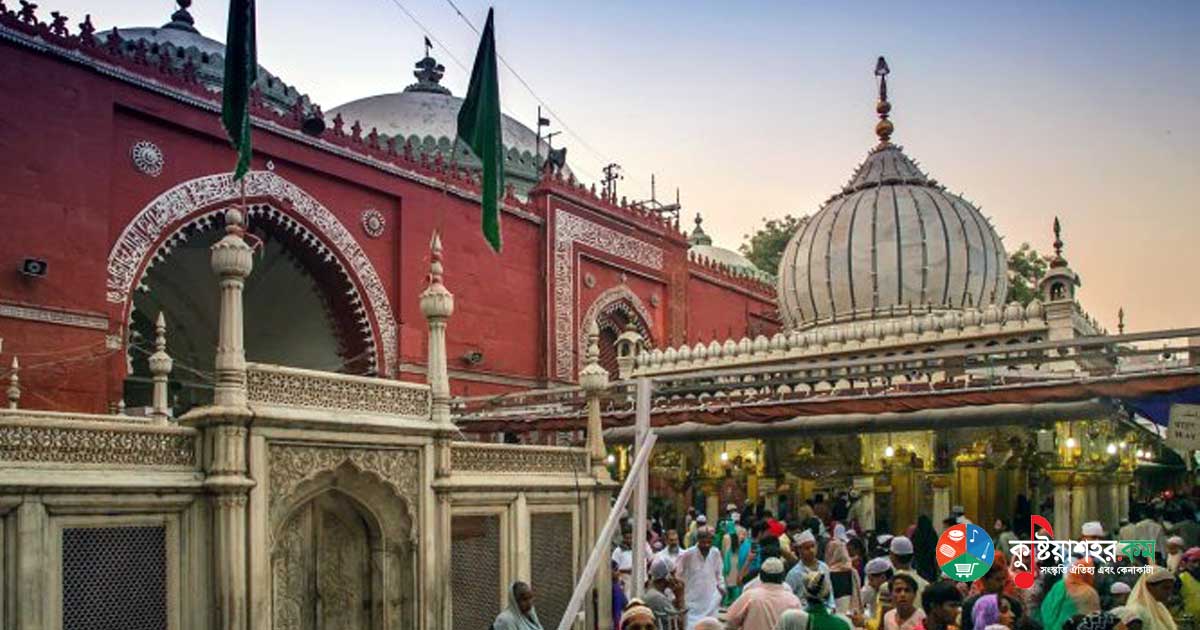
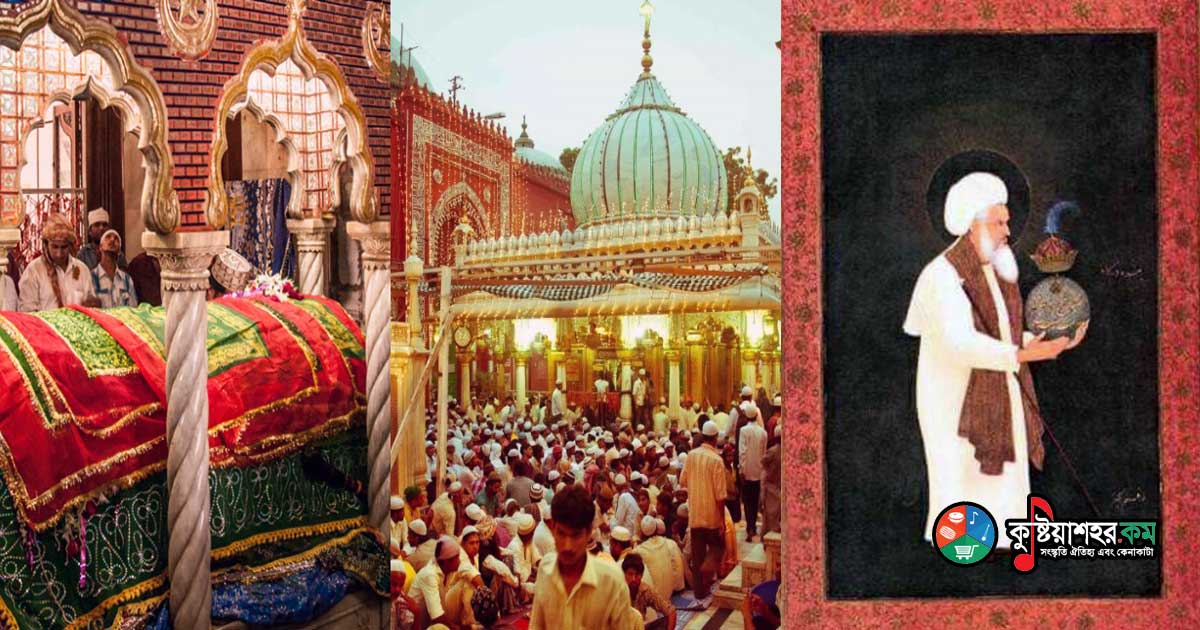
Sultan-ul-Mashaikh, Mehboob-e-Ilahi, Sheikh Khwaja Sayyid Muhammad Nizamuddin Auliya (1234 - 3 April 1325), Hazrat Nizamuddin - by these names he is also known - is a renowned Sufi saint of the Chishti order in the Indian subcontinent. He is one of the greatest Sufi saints of the Chishti order in India.
- Details
- Written by: সালেক উদ্দিন শেখ
- Category: Theology
- Hits: 4
Sultan-ul-Hind, Khwaja Moinuddin Chishti (Arabic: ششتی - Chishti) was the most famous Sufi saint of the Chishti order in the Indian subcontinent. He was also known as Gharib Nawaz (غریب نواز). Moinuddin Chishti was the first to establish and popularize this order in the subcontinent. He was born in 1138 in Khorasan (present-day Afghanistan) or Isfahan (present-day Iran) and passed away in 1236 in Ajameru, Chauhan Sambar (present-day Ajmer, Rajasthan, India).
- Details
- Written by: সালেক উদ্দিন শেখ
- Category: Theology
- Hits: 6
Hazrat Shah Sultan Balkhi Mahisawar (RA) was a dervish of the fourteenth century. With the aim of preaching Islam, this great saint came to this Bogura Mahasthan from distant Balkh. Coming here he defeated the Hindu king Porashuram, established the Islamic faith and lies buried here.