বাংলা
 English
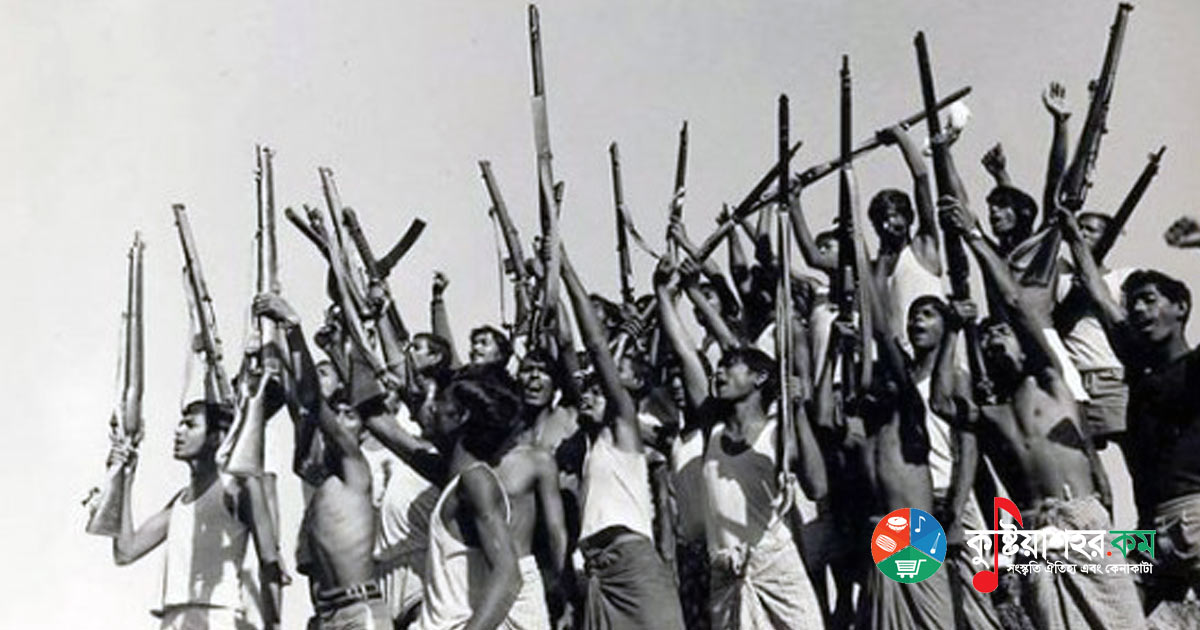
6 December is the historic Jhenaidah Free Day. On this day in 1971, Jhenaidah district was freed from the Pakistani occupation forces on the same day as Jessore. The flag of independent Bangladesh flew aloft. Civil administration was launched in Jhenaidah. Non-cooperation preparations, resistance, guerrilla attacks and finally victory in direct battle — across these four phases of 1971, Jhenaidah's role in the Liberation War was significant. The district's first frontal battle of the War of Independence took place at Bishaykhali in Jhenaidah Sadar upazila. Besides, the attack on Shailkupa thana and the battles of Kamanna, Alfapur and Abaipur remain unfaded in memory even today.
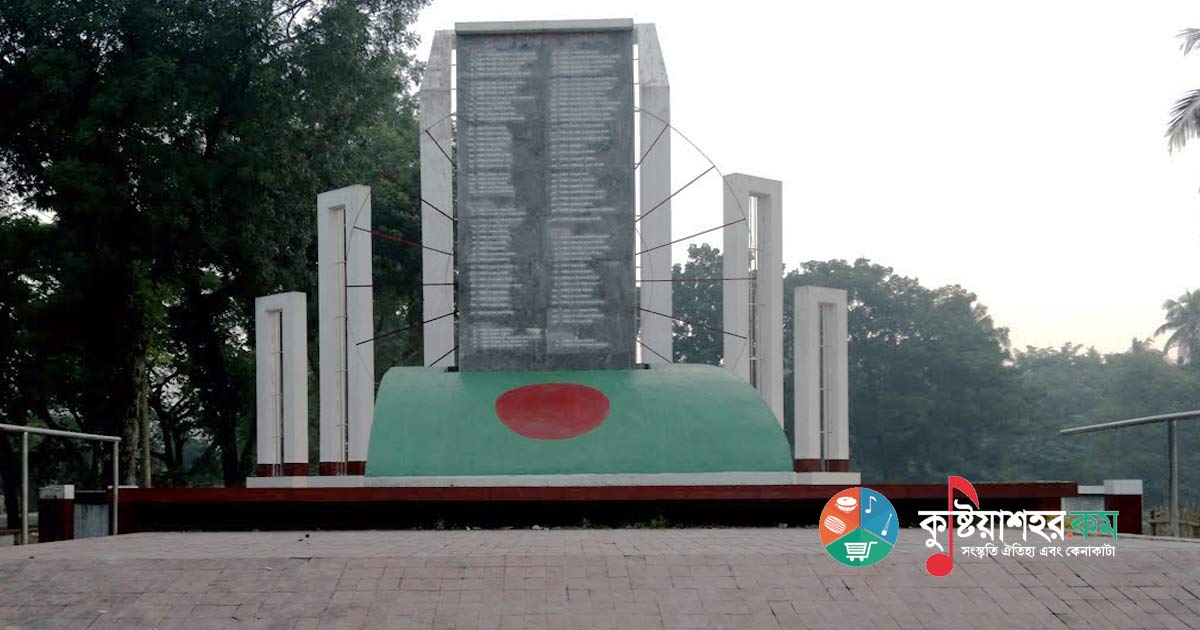
Mokbul Hossain, former commander of the Jhenaidah district freedom fighters unit, said that on 1 April 1971, when the Pakistani invading forces, equipped with heavy weapons, advanced from Jessore cantonment to occupy Jhenaidah, the freedom fighters put up a fierce barrier against them from the far side of the Bishaykhali bridge. After nearly three hours of fighting they retreated. On 16 April the invading forces again came to the banks of the Begabati river at Bishaykhali and encountered the strong resistance of the freedom fighters. Nearly six hours of fierce fighting took place there. In this battle 35 freedom fighters were martyred, and they were given a mass grave beside the bridge. From this point the Liberation War spread across the district. Fierce battles with the freedom fighters broke out in various places. The notable battles of that time included the Bishaykhali battle, the Garaganj battle, the attack on Shailkupa thana, and the battles of Kamanna, Alfapur and Abaipur.
According to the Jhenaidah District Freedom Fighters Council, 35 freedom fighters were martyred in the Bishaykhali battle between 1 and 16 April, 41 in the Abaipur battle on 14 October and 27 in the Kamanna battle on 26 November — in the War of Independence a total of 276 freedom fighters of Jhenaidah district were martyred. Among them, the district has two titled freedom fighters: Birshreshtha Hamidur Rahman and Bir Protik Sirajul Islam. Many of the martyred freedom fighters were buried in mass graves in different places, and the names and identities of many of them have still not been traced. Before 6 December, Maheshpur was liberated on 3 December, Kotchandpur on 4 December and Kaliganj on 5 December, and finally Shailkupa upazila became free of the enemy on 11 December.
Amir Hossain Malita, district commander of the Jhenaidah Awami volunteer corps during the Liberation War, said that at midnight on 5 December the allied forces came to Halidhani bazar in Jhenaidah to take stock of the situation.
He said that afterwards they entered Jhenaidah town at dawn on 6 December. The allied forces were led by Colonel Bahelle and Lieutenant Colonel P K Das Gupta. At 7 am on 6 December, he — as Jhenaidah's unit commander — together with union commander Rajab Ali, the late Monirul Islam of Bakua village, Bulu Mia of Narikelbaria and Moksed Ali of Gabla village, along with many others, welcomed the allied forces and quickly proposed launching civil administration in Jhenaidah.
Amir Malita said that at that time martial law was still in force across the country. As Jhenaidah district was the first in Bangladesh to launch civil administration, Jhenaidah became free of the Pakistanis.