বাংলা
 English
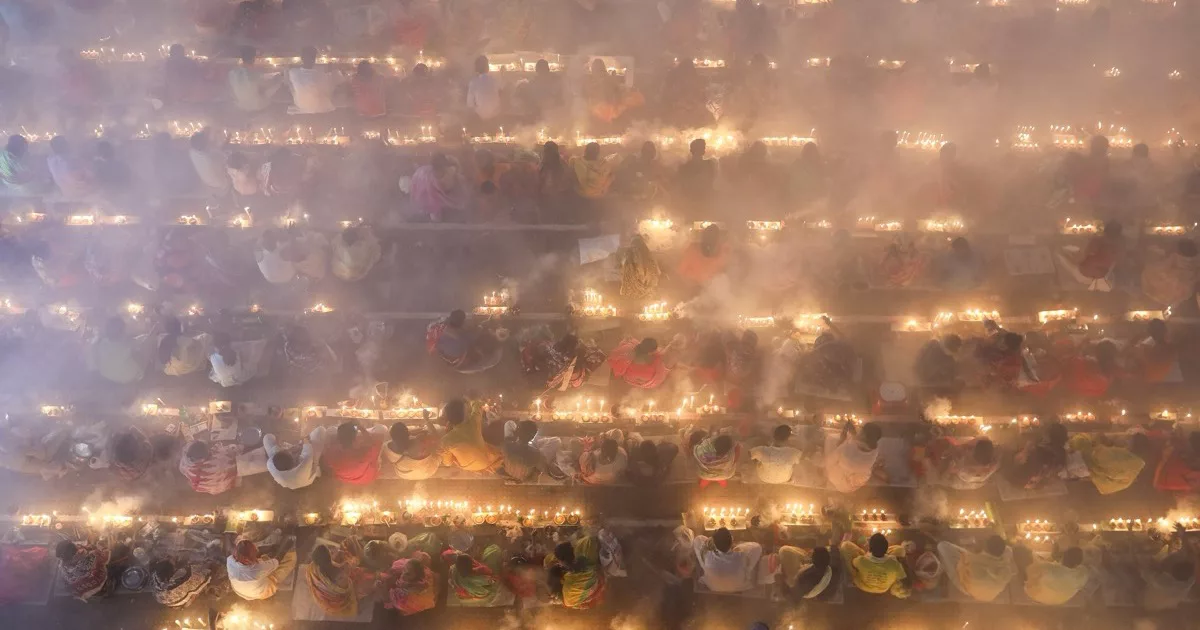
On the Saturdays and Tuesdays of the last fifteen days of the Bengali month of Kartik, temple courtyards across Bangladesh glow with orderly rows of clay lamps. Rakher Upobash — literally the fast that is "kept" — pairs day-long fasting with an evening of ghee lamps, incense and a night-long vigil, all offered as a vow for the health and protection of one's family. Its main centre is the Lokenath Brahmachari Ashram at Barodi in Narayanganj, with sister ashrams from Sherpur and Gauripur to West Bengal. Here is the vow's history, its rituals and this year's dates.
A fast that is "kept"
The name of the observance hides its own practice — devotees keep (rakhe) a fast, hence Rakher Upobash. Also known as the Kartik vrat, it is an annual religious observance of the Bengali Hindus of Bangladesh. At its heart lies self-restraint: men and women fast as a vow for the health, safety and wellbeing of themselves and their families. A prayer for deliverance from danger is the soul of the rite, which is why many also call it the fast of freedom from harm. The practice is closely tied to the devotional tradition of the eighteenth-century saint Baba Lokenath Brahmachari, whose followers treat prayer, restraint and the offering of lamps in Kartik as part of their sadhana.
Saturdays and Tuesdays of Kartik's last fifteen days
Rakher Upobash is not kept on just any day — it is observed on the Saturdays and Tuesdays that fall within the last fifteen days of the Bengali month of Kartik. This year Kartik runs from 17 October to 15 November, so the final fortnight holds two Tuesdays (3 and 10 November) and two Saturdays (7 and 14 November). The season overlaps the week of Kali Puja and Diwali, when lamp-lighting customs run through both festivals. On each fasting day, devotees travel from far and wide to the temples and ashrams, and on one of these days each year the crowds reach their peak.
Fasting by day, lamps by dusk
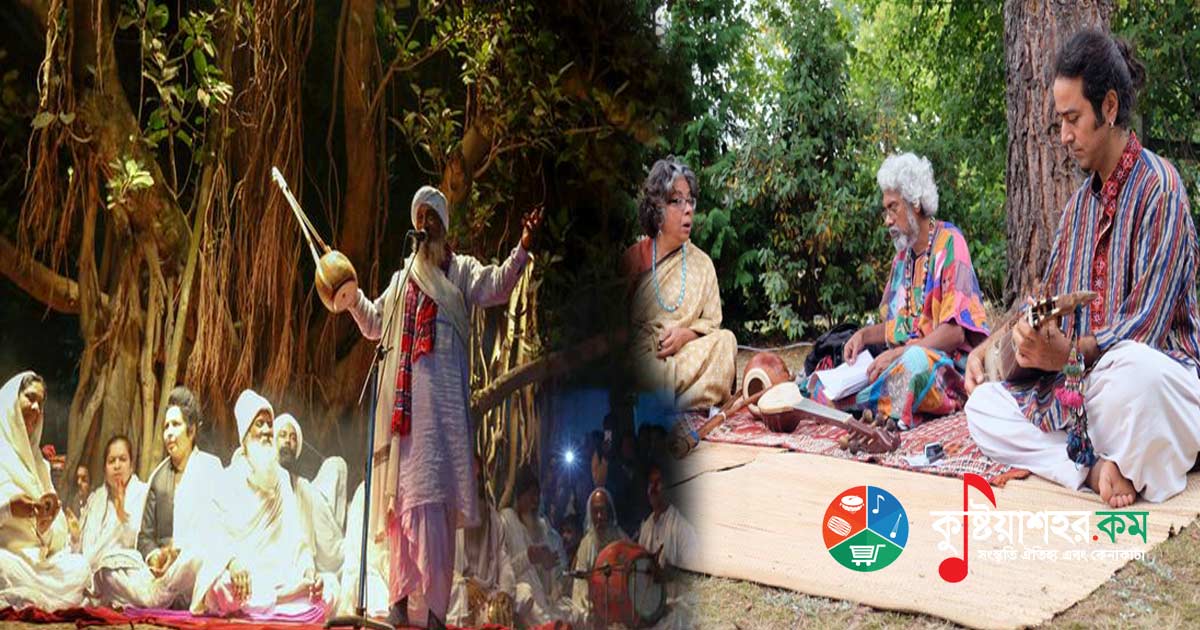
Devotees typically abstain from sunrise until sunset. After dusk, hundreds of small earthen lamps — fuelled with ghee or mustard oil — are lit in neat rows across temple courtyards and open yards. Incense hangs thick in the air as devotees sit in lines before the lamps in prayer, nama-sankirtan and meditation, many keeping awake through the night. Beside the lamps are arranged offerings of fruit, flowers and sweets. At the ashrams of Gauripur in Mymensingh and of Sherpur, the observance is known by its popular name, the Ghrit Prodeep (ghee-lamp) lighting festival. The sight of smoke and lamplight is so striking that photographers from home and abroad return to it every year.
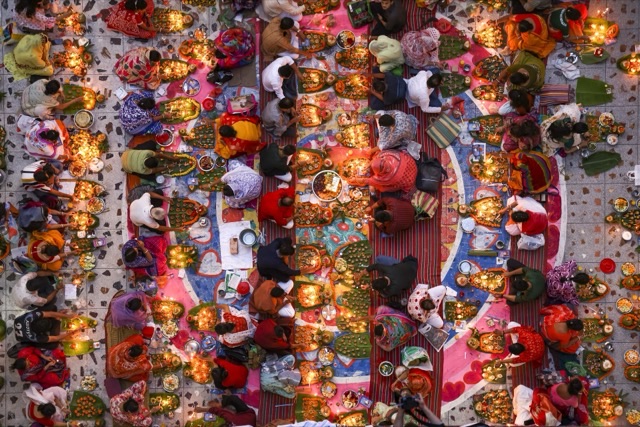
Offering trays arranged at every seat, rows of burning lamps and lines of devotees in bright clothes have together turned the festival into a distinctive image of Bengali tradition.
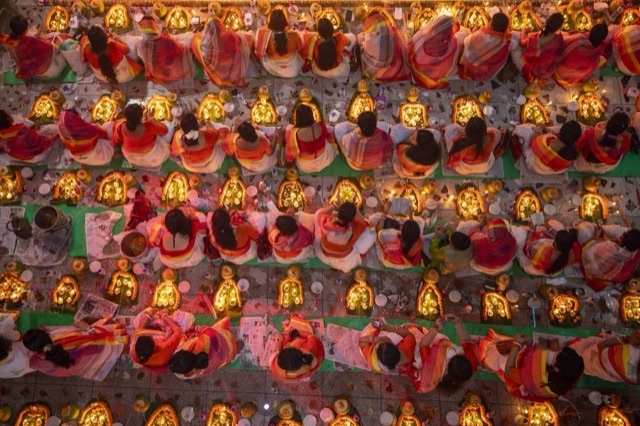
Barodi: Baba Lokenath's last ashram
The principal centre of Rakher Upobash is the village of Barodi in Rupganj upazila of Narayanganj, in the historic Sonargaon region. The Sri Sri Lokenath Brahmachari Ashram there draws the largest gathering, for the saint spent the last years of his life in this very place.
By the traditional account, Lokenath was born on 31 August 1730 (18 Bhadra 1137), on Janmashtami, at the village of Chuashi near Barasat in present-day West Bengal. At the age of eleven he took initiation from the yogi Bhagavan Ganguly of Kalighat, with his childhood friend Benimadhab at his side. After long years as a wandering ascetic and severe yogic discipline in the Himalayas, he travelled through Afghanistan, Persia, Arabia, Palestine, China and Tibet, and arrived in Sonargaon in 1863, founding his ashram at Barodi. The essence of his teaching: the divine dwells in all beings, the soul is ageless and deathless, single-minded devotion and yoga are the path to liberation, and the service of living beings is the highest human duty. He passed away at the Barodi ashram in 1890 (19 Jyaishtha 1297); his mortal remains are preserved there. Today Barodi is a major pilgrimage for devotees at home and abroad.
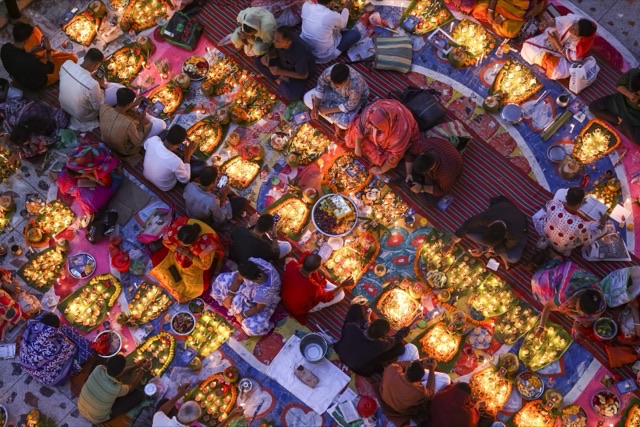
A lamp vrat spread across Bengal
Barodi is the centre, but the observance runs across the whole of Bengal. Countless ashrams bear Lokenath Brahmachari's name across Bangladesh and in West Bengal, where the Kartik lamp vrat is kept every year. At the Sri Sri Lokenath Brahmachari Ashram and Temple in Swamibagh, Dhaka (founded in 1905 by Mathuramohan Mukhopadhyay of Shakti Aushadhalaya), the month of Kartik is marked by the Damodar deep-dan festival — the same offering of light in another form. Each year the rows of lamps reach homes across the world through photographers' lenses — a once-rural vrat that has become one of Bengal's most familiar images of tradition.
Rakher Upobash 2026 at a glance
- When: the Saturdays and Tuesdays of Kartik's last fifteen days
- This year's dates: 3 and 10 November (Tuesdays), 7 and 14 November (Saturdays)
- Main centre: Sri Sri Lokenath Brahmachari Ashram, Barodi, Rupganj, Narayanganj
- Rituals: day-long fast; rows of ghee lamps, incense, sankirtan and a night vigil at dusk
- The vow: health, family safety and protection from harm
Sources
- Bangla Wikipedia: articles on "Rakher Upobash" and "Lokenath Brahmachari"
- Banglapedia (bn): "Loknath Brahmachari" by Muazzam Hussain Khan
- News reports: "Rakher Upobash and ghee-lamp lighting" at Sherpur (Sangbad Sarabela) and Gauripur (Daily Tritiya Matra); annual photo coverage by Prothom Alo and bdnews24.com
- Photos: Wikimedia Commons (Kazi Salahuddin Razu, Azim Khan Ronnie) — CC BY-SA 4.0