বাংলা
 English
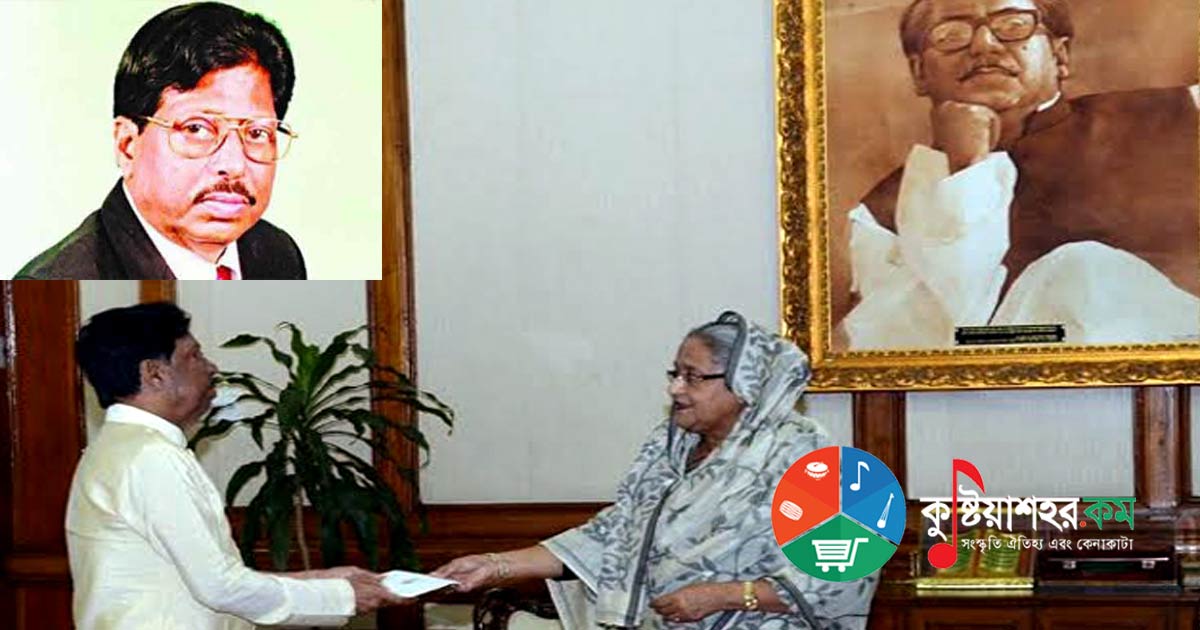
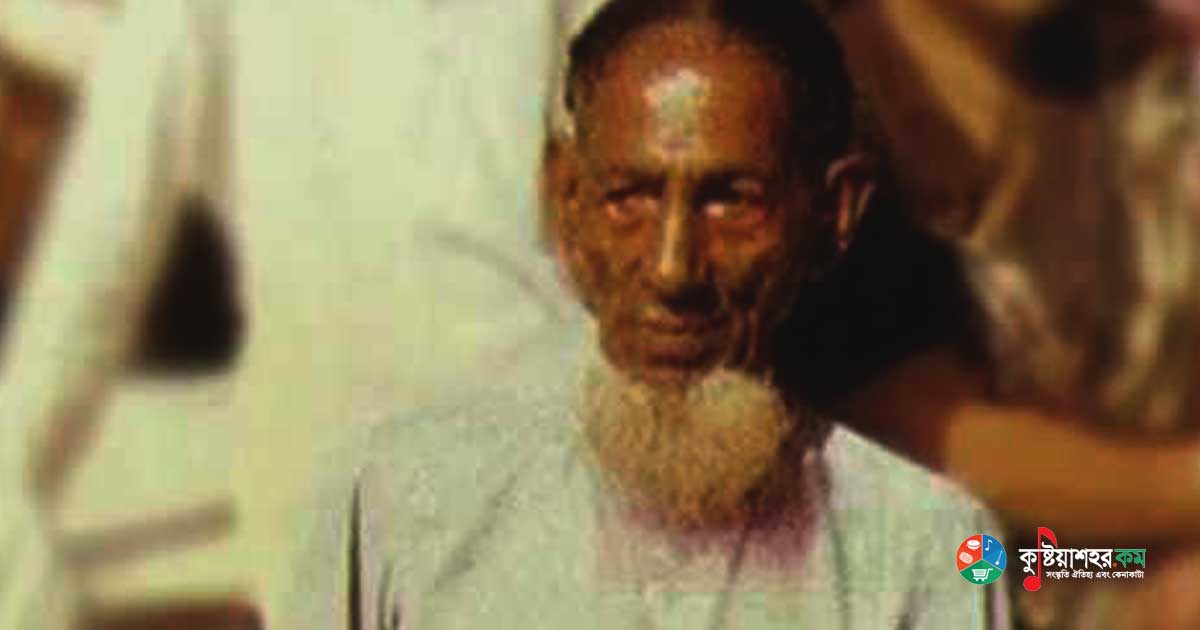
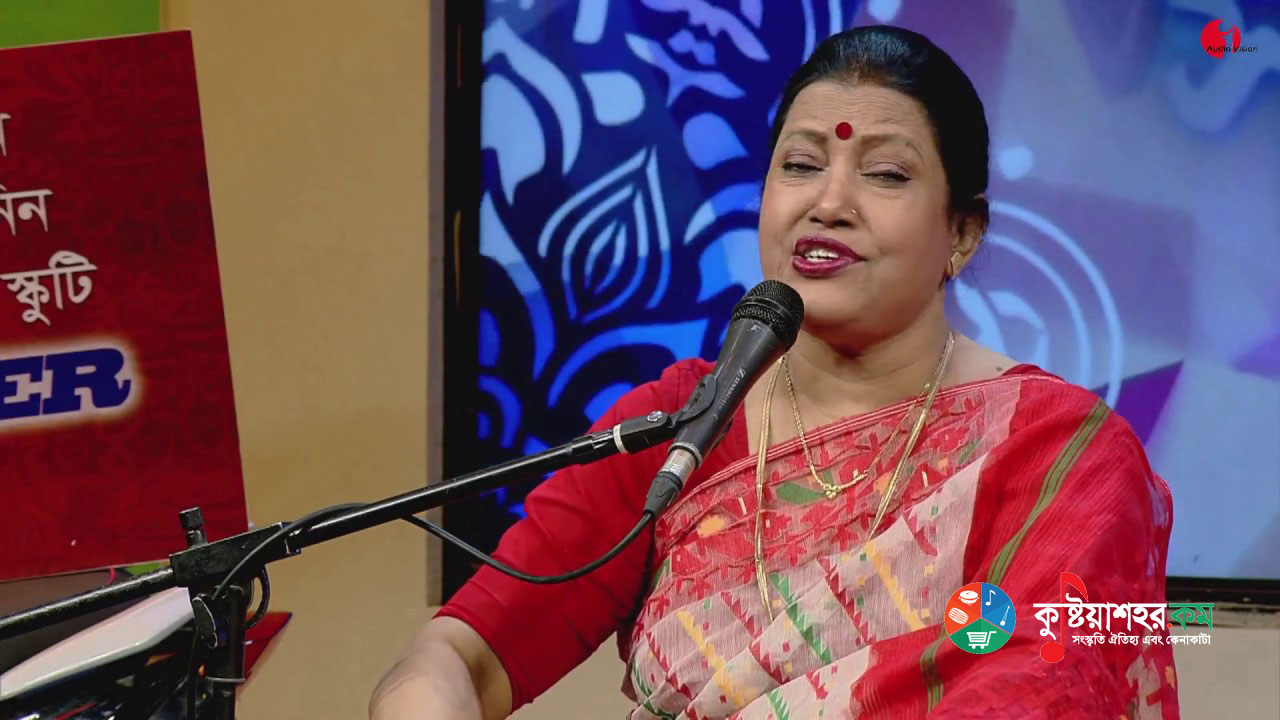
Mohammad Abdul Jabbar (born 10 February 1938 - died 30 August 2017) was a Bangladeshi music artiste. Abdul Jabbar is best known as the singer of many inspiring songs, including "Salam Salam Hajar Salam" and "Joy Bangla Banglar Joy", broadcast from the Swadhin Bangla Betar Kendra during the time of Bangladesh's Liberation War.
Abdul Jabbar was born on 10 February 1938 in Kushtia district of the then British India (present-day Bangladesh). In 1956 he passed the matriculation examination. He took training in music under Ustad Osman Goni and Ustad Lutful Haque.
The three songs he sang - "Tumi Ki Dekhechho Kobhu Jiboner Porajoy", "Salam Salam Hajar Salam" and "Joy Bangla Banglar Joy" - found places in the list of the 20 greatest songs of all time in the verdict of BBC Bangla's listeners throughout March 2006. Besides, he was honoured with two of the highest civilian awards conferred by the Government of Bangladesh, the Ekushey Padak (1980) and the Independence Award (1996).
Jabbar began singing on the then Radio Pakistan from 1958. He sang for the cinema for the first time in 1962. From 1964 he became a regular singer on BTV. In 1964 he lent his voice to the songs of Sangam, the first colour film of the then East Pakistan, directed by Zahir Raihan. In 1968 the song "Tumi Ki Dekhechho Kobhu" sung by him to the tune of Satya Saha in the film Ettuku Asha gained popularity. In 1968, in the film Pich Dhala Poth, to the music of Robin Ghosh, he sang "Pich Dhala Ei Pothtare Bhalobeshechi", and in Dheuer Por Dheu, to the tune of Raja Hossain Khan, he lent his voice to "Suchorita Jeyona Ko Aro Kichkhon Thako". One of his timeless songs is "O..re Neel Doriya" to the tune of Alam Khan in the 1978 film Sareng Bou.
After the Liberation War of Bangladesh began in 1971, he lent his voice to countless songs, including Salam Salam Hajar Salam and Joy Bangla Banglar Joy, from the Swadhin Bangla Betar Kendra to boost the morale and inspiration of Bangladesh's freedom fighters. Inspired by his songs, many took part in the Liberation War. Besides, during the war he worked in various places in Mumbai, with the renowned Indian vocalist Hemanta Mukhopadhyay, to build public opinion in favour of Bangladesh's Liberation War. At that time he toured the camps of Bangladesh's freedom fighters located in Calcutta and performed mass songs playing the harmonium, which inspired the freedom fighters. At that time he donated the 12 lakh rupees he had received at various times for singing mass songs to the relief fund of the Government of independent Bangladesh.
Abdul Jabbar's first wife was Shahin Jabbar. Shahin was a lyricist. Singers such as Abdul Jabbar, Subir Nandi and Fatema-tuz-Zohra lent their voices to the lyrics she wrote. Their son Mithun Jabbar has also pursued higher education in music in America. He first learned music from Ustad Fazlul Haque, head of the Bulbul Lalitakala Academy, and later under Ustad Karim Shahabuddin. In 2013 an album named Srimtir Bari was published, and in August the album's DVD was released. Jabbar's second wife was Rokea Jabbar Mita. Jabbar met Mita at a mazar (shrine), and through that acquaintance their relationship grew into marriage. On 26 December 2013, in the aftermath of a family quarrel, Mita attempted suicide by setting herself on fire. Burned, she was admitted to Dhaka Medical College. Four days later, on 30 December 2013, she passed away.
It is worth noting that on this very day last year, at 9:27 in the morning, he breathed his last while undergoing treatment in the ICU of Bangabandhu Sheikh Mujib Medical University Hospital (BSMMU). At the time of his death he was 79 years old. At his death he left behind his wife, two sons, one daughter and countless admirers.
Playback:
- Kothay Amar Neel Doriya (2017)
- Sangam (1964)
- Nawab Sirajuddaula (1967)
- Uljhan (1967)
- Pich Dhala Poth (1968)
- Ettuku Asha (1968)
- Dheuer Por Dheu (1968)
- Bhanumati (1969)
- Ka Kha Ga Gha Nga (1970)
- Dwip Nebe Nai (1970)
- Binimoy (1970)
- Jibon Theke Neya (1970)
- Nacher Putul (1971)
- Manusher Mon (1972)
- Shopno Diye Ghera (1973)
- Jhorer Pakhi (1973)
- Alor Michhil (1974)
- Suryagrahon (1976)
- Tufan (1978)
- Ongar (1978)
- Sareng Bou (1978)
- Sokhi Tumi Kar (1980)
- Kolmilota (1981)
Awards and honours:
- Bangabandhu Gold Medal (1973)
- Ekushey Padak (1980)
- Independence Award (1996)
- Zahir Raihan Film Award