বাংলা
 English
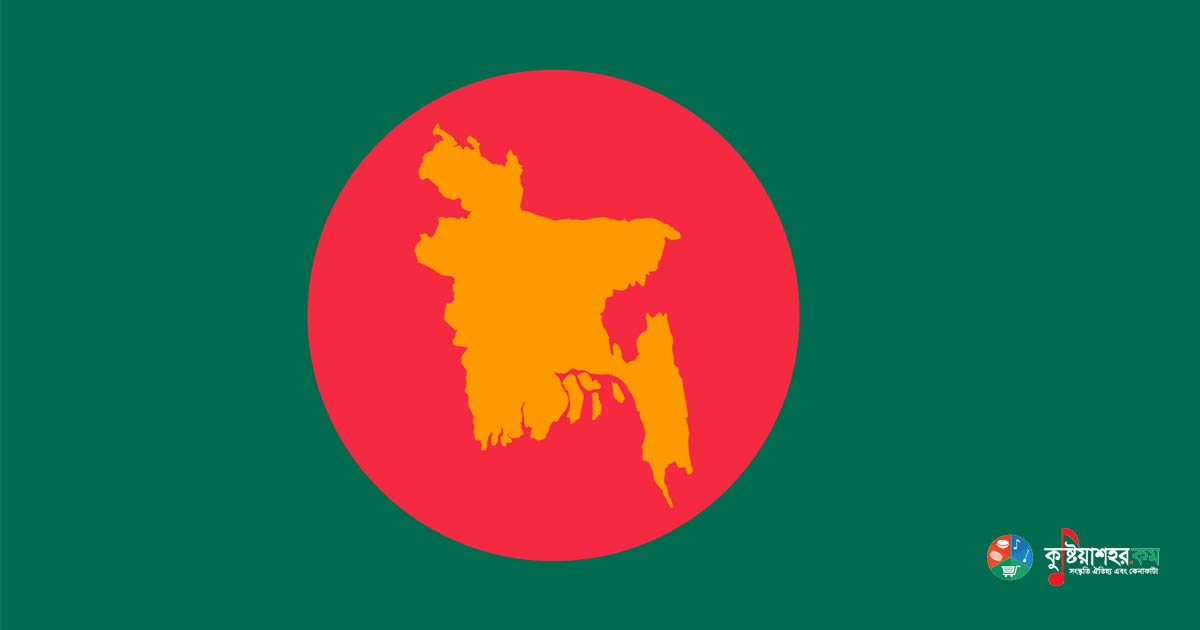
Bangladesh's Independence Day, observed on 26 March, is the national day of Bangladesh. On the night of 25 March 1971, the people of erstwhile East Pakistan formally began their struggle for independence. On 27 March, Major Ziaur Rahman, on behalf of Bangabandhu Sheikh Mujibur Rahman, made a call from the Kalurghat radio station in Chittagong to the innocent people of Bangladesh to take part formally in the war of independence. By a proclamation published on 22 January 1972, this day was instituted as Bangladesh's national day, and a public holiday is officially declared on this day.
On the night of 25 March 1971, the then West Pakistan government launched an attack on the innocent people of East Pakistan (present-day Bangladesh). People were massacred in various places in Dhaka, barbaric atrocities were committed on women in many places, and planned killings were carried out in many places. In such circumstances a situation arose in which the Bengalis had their backs to the wall, and in many places many began preparing for war without waiting for any formal declaration. Later, after the formal declaration, the innocent Bengali people threw themselves into the war against the West Pakistani nation, and through a bloody nine-month war East Pakistan became independent and the emergence of Bangladesh took place.
Operation Searchlight
Operation Searchlight, which began on 25 March 1971, was a planned genocide carried out by the Pakistani army, by which they tried to suppress the Bengali nationalist movement that had arisen in March 1971 and before. This genocide was carried out at the command of the West Pakistani rulers, as the continuation of Operation Blitz organized in November 1970. The main purpose of the operation was to take control of all the big and small cities within 26 March and to eliminate political and literary opposition within a month.
Declaration of independence
In the middle of the night of 25 March 1971, Sheikh Mujibur Rahman was arrested at the hands of the Pakistani brutal army. It is said that a little before being arrested, after 12 o'clock at night on 25 March (that is, in the first hours of 26 March), he made a live statement of Bangladesh's declaration of independence, which was sent to be broadcast through the transmitter of the then EPR stationed in Chittagong. The statement is as follows:
Translation: This may be my last message; from today Bangladesh is independent. I call upon the people of Bangladesh, wherever you may be and with whatever you have, to resist the occupying army to the last. Fight until the last Pakistani soldier is expelled from the soil of Bangladesh and final victory is achieved.
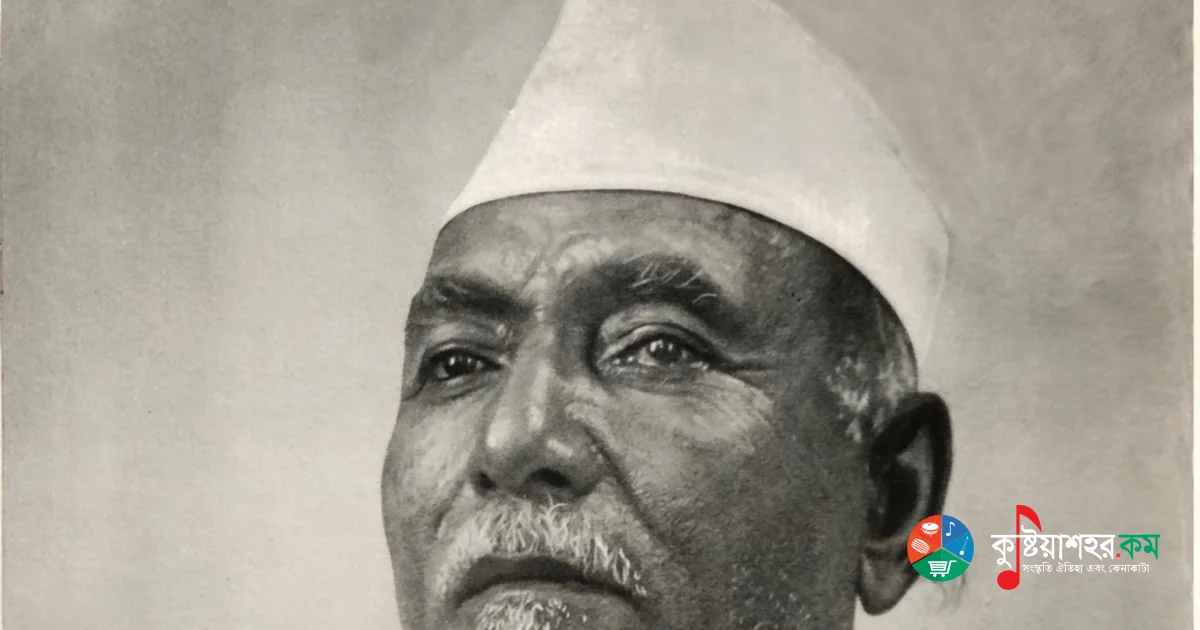
Before dawn on 26 March, Mohammed, Abu Kasem and several staff members of the Chittagong radio centre and the local Awami League leader M A Hannan first made and broadcast a recording of Sheikh Mujib's declaration of independence. Later, on 27 March, the Bengali officer of the Pakistani army, Major Ziaur Rahman, made the declaration of independence from the Kalurghat radio station in Chittagong. The text of the declaration is as follows:
Translation: I, Major Zia,
declare the independence of Bangladesh on behalf of our great national leader Bangabandhu Sheikh Mujibur Rahman.
I also declare that we have formed a sovereign and lawful government under Sheikh Mujibur Rahman, which is committed to functioning in accordance with law and the constitution. In international relations our government will follow a joint-non-alignment policy. This state will maintain friendly relations with all nations and strive for world peace. I call upon all governments of the world to mobilize public opinion in their own countries against the brutal genocide of Bangladesh.
The government of Sheikh Mujibur Rahman is a sovereign and lawful government and deserves recognition from all democratic nations of the world.
Through this declaration of 27 March 1971, the signal of a bloody war of independence arose on the soil of Bangladesh, which lasted not one but nine months.
Institution of Independence Day
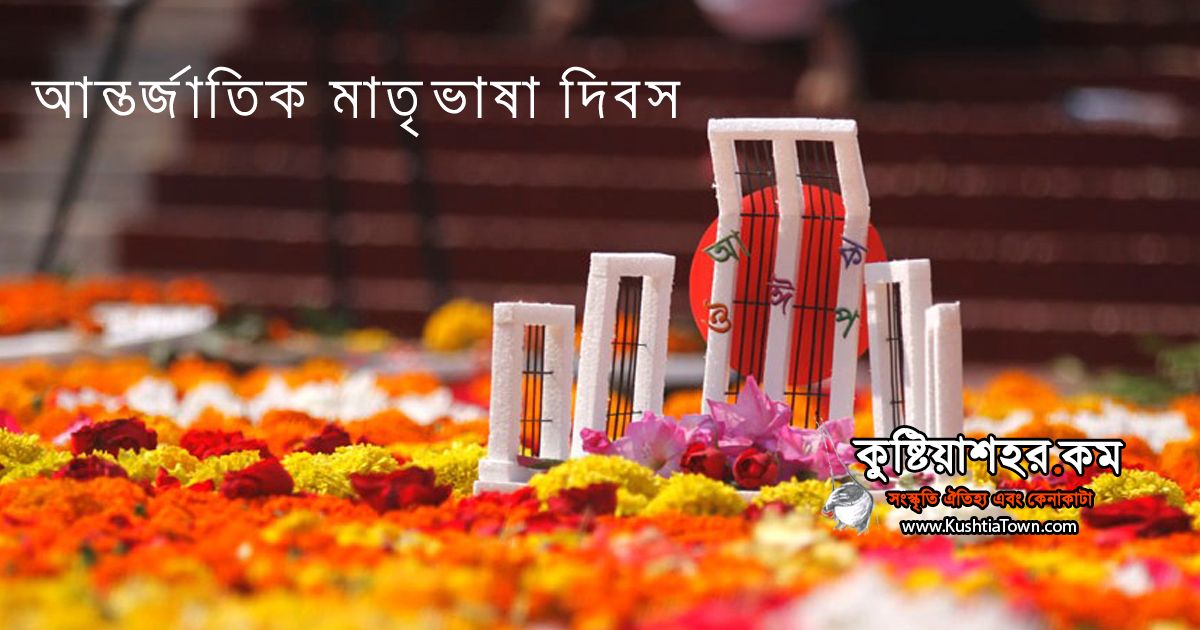
Bangladesh's Independence Day is observed with great grandeur. The observance begins with the laying of floral wreaths at the National Memorial. Thirty-one gun salutes announce the auspicious beginning of the day. At sunrise, the national flag is hoisted on government, semi-government, autonomous and privately owned buildings. On the day, from morning to night, the city's main main roads and road islands are decorated with national flags and flags of various colours. Students of educational institutions assemble at the National Stadium, where march-past, display and physical exercises are performed.
On this day there is an official holiday. The newspapers bring out special supplements. Radio and TV channels broadcast special programmes.