বাংলা
 English
Mother song is an invaluable creation of the folk culture of Bengal. The birthplace of this song is the Chalanbil region of Bangladesh's Natore district. Besides, in some other regions including Dinajpur, Rangpur, Bogra, Sirajganj, Manikganj, Keraniganj, Kushtia, Netrakona, this song is known as Madarer Banshi Tola or the Madar Bansher Jari.
Mother song is an invaluable creation of the folk culture of Bengal. The main subject of the Mother song is the praise of a pir named Shah Madar. The followers of Madar are called Madariya. Madar Pir is a martaba pir. It is said that two ferestas named Harut and Marut came down to earth from Behest (heaven), fell in love with a beautiful woman, and as a result of their love Madar Pir was born; but in reality no historical validity of this tale is found. The ceremony popularized by the people of the villages to make offerings to Madar Pir for protection from disease and sorrow and from all kinds of calamity is known by the name of Mother song.
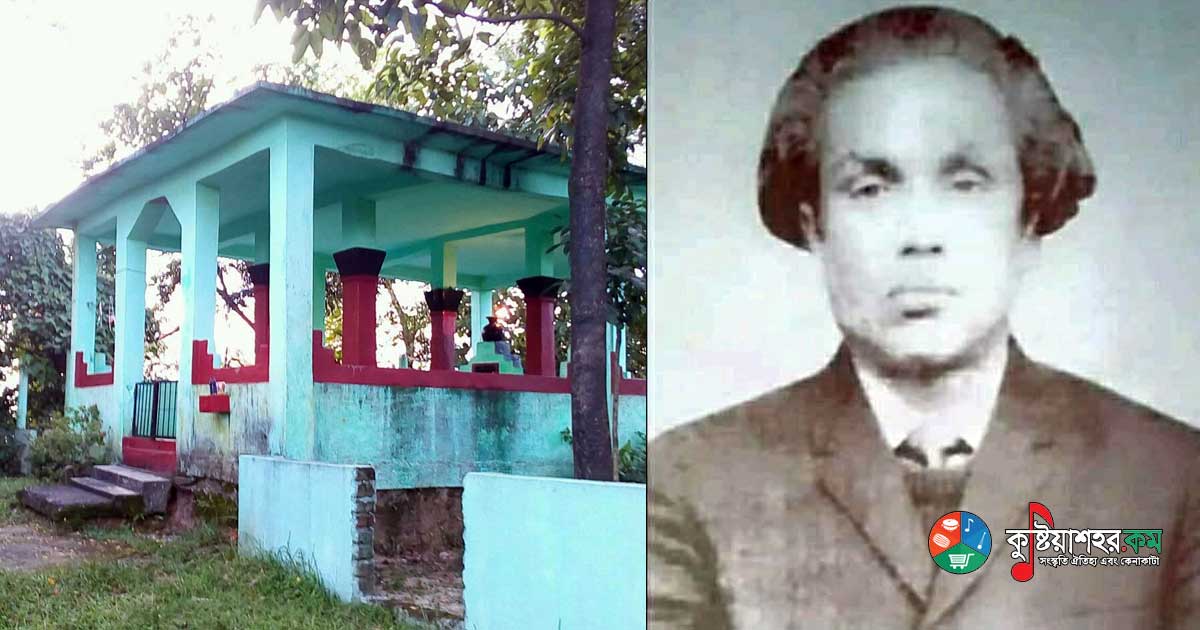
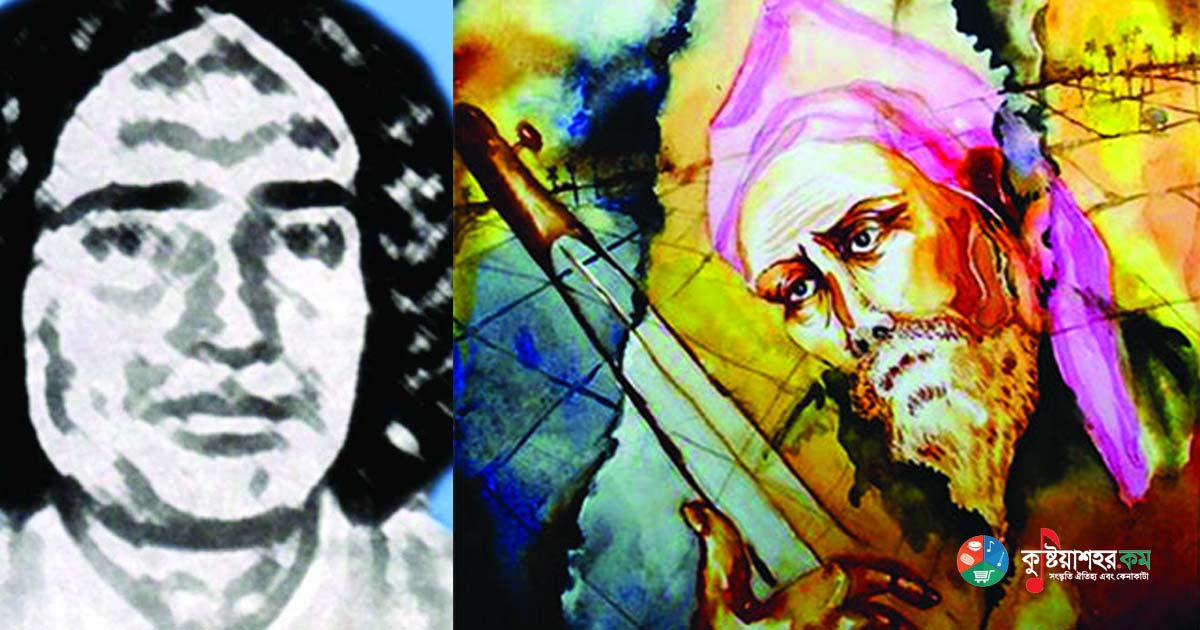
On the other hand, researchers identify Madar Pir as a historical personality. According to Dr Muhammad Shahidullah, the original name of Madar Pir was Badiuddin Shah Madar. His followers are called Madariya. In the region, Madar Pir is known by the name 'Shah Madar' or 'Dam Madar'.
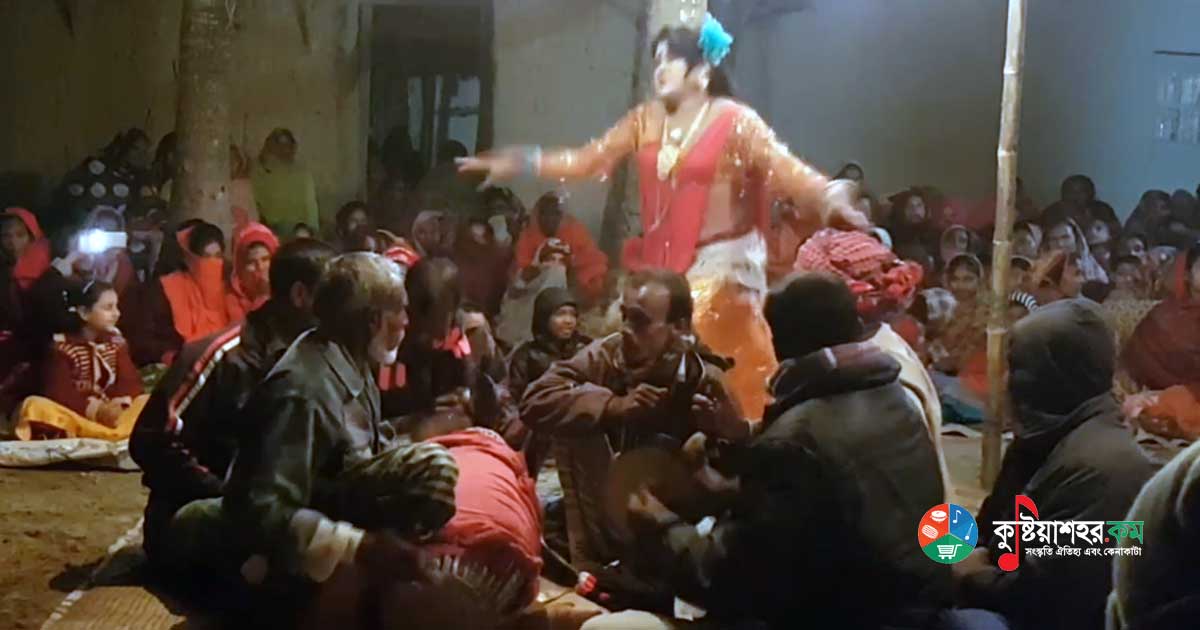
In the jari of the Mother song, a bamboo staff is used as the symbol of Madar Pir. The chief bayati, while singing, goes to a bamboo clump and cuts a bamboo at one stroke with a sharp knife. Then, bathing the bamboo in the river and binding it with red cloth, he installs it at an elevated place at the designated seat of the householder's house. The bamboo is not allowed to touch the ground. People sit on the seat praying for the fulfilment of their heart's wishes. When the prayers are over, the bayati spreads a mat in an open place, offers homage to Madar Pir and begins the pala-gan. The principal characters of the song are Madar Pir and his disciple Jumla Shah. Besides, some dohar-bayen are present. Everyone sits in a circle on a mat, and Madar Pir and Jumla Shah sing songs going round and round beside them.
The chukris dress up and perform their makeup, their eyes darkened with kajal. Wearing chumki-decorated saris and zari orna, with colour smeared on face and hands, they take part in the dancing. The dress of the Madaris is like that of the dervishes. A taj on the head, a long alkhalalla on the body, a tasbi on the neck, and a stick in the hand. The feet go without footwear, and at times they wear fetters. Jumla Shah and the other dohar-bayens wear ordinary dhoti and vest. They take part in song and acting playing the harmonium, dhol, kaser and mandira.
The Mother song has several pala-gan. Among them are the birth chapter of Madar, the pala of Kulsum Bibi, the orasnama of Madar, the pala of the great pir, the birth history of Jumla, Hashar-Nashar, the pala of Khakpattan, the last fakiri of Madar, the pala of Bibi Ganjara, and so on. At the beginning of the ceremony, after the homage to Madar Pir, any one pala is sung at the wish of the spectators or the elders, and the ceremony continues all night.
Mother song holds a special place in the history of Bengali theatre. In the Mother song can be seen the very stream of Bengali drama. All the characteristics of the rites and environment of Bengali drama are present in the Mother song. This Mother song is a special illustration of original ritual, story, costume and stage arrangement.