বাংলা
 English
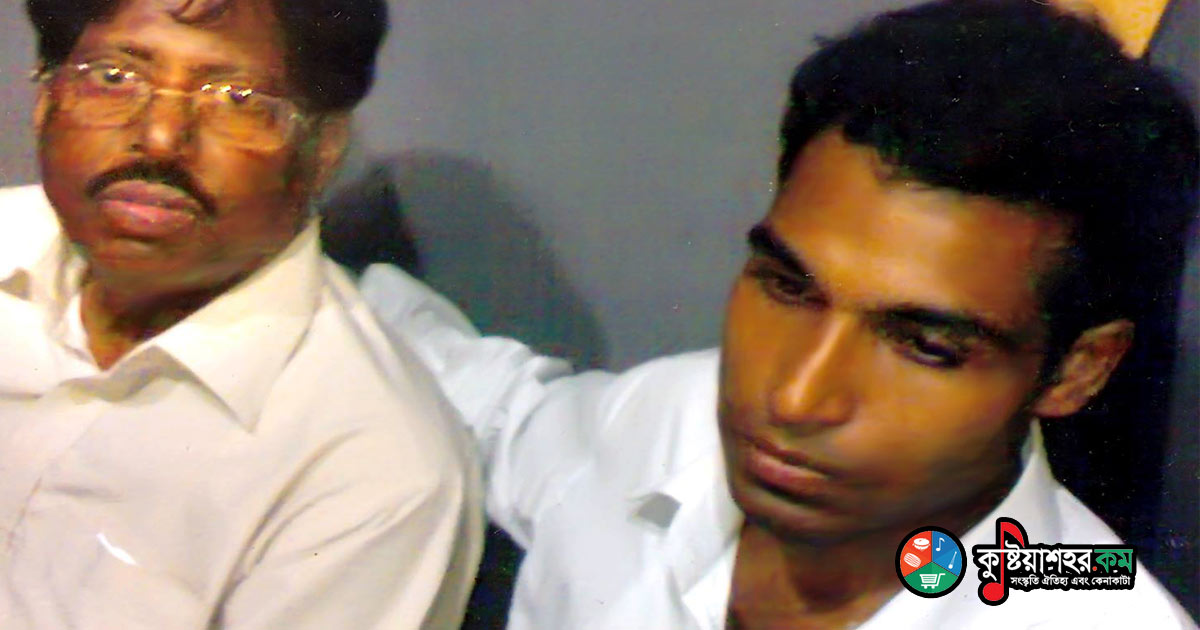
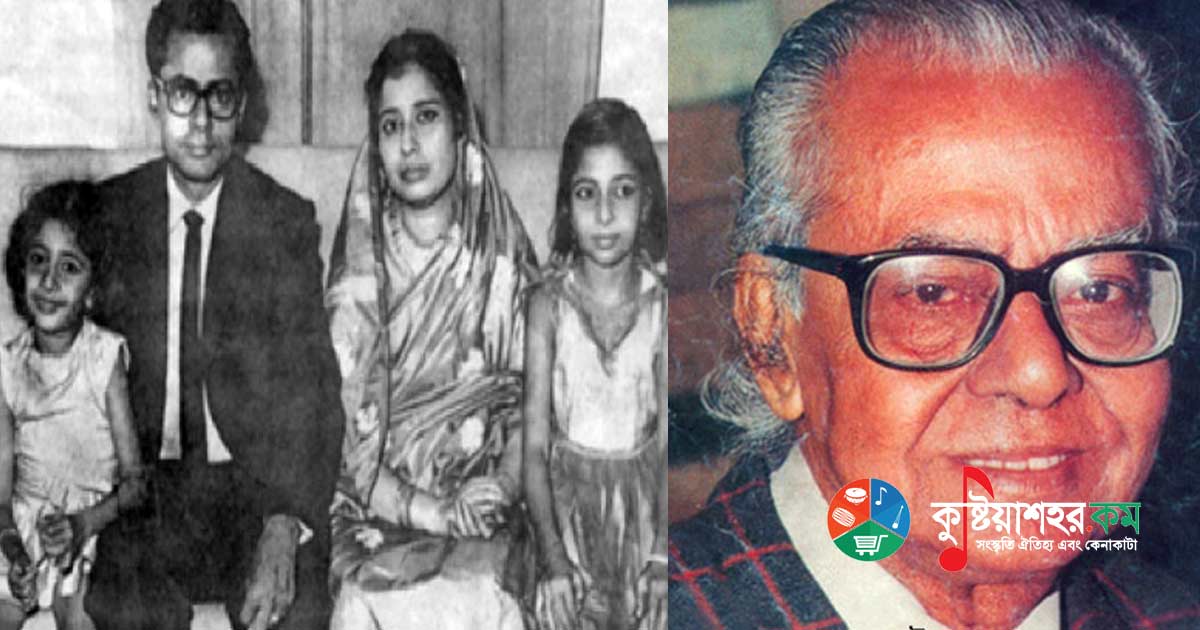
Today is the first death anniversary of Abdul Jabbar, the legend of Bengali song and a voice-soldier of the Swadhin Bangla Betar Kendra. On this occasion, Mohammad Amirul Islam, the lyricist of his one and only album, has recalled this great artist.
The cherished singer Mohammad Abdul Jabbar is a legendary figure of Bengali music, a legend of Bengali song. Countless spectators and listeners were enchanted by the intoxication of his intoxicating voice. In his hands Bengali song attained completeness and reached a unique height.
It was 2008. He lent his voice to my song 'Ekhane Amar Padma Meghna'. After the recording, sitting in the studio he listened attentively to the song several times and was so charmed that he asked me to write songs for an album. Later this song became one of his most beloved songs. From TV shows to stage shows — nowhere did he forget to sing the song. This song was one of the finest among the patriotic songs he sang. On a private TV channel he made exactly this remark about the song. I wrote songs of various kinds for the album. The words of one song were like this — 'Even if you do not like me, you will like this song of mine'. Reading the song, Jabbar Bhai became emotional and said, 'It is not only about me. You have written the heart's words of every artist.' He wished that when he was taken to the Shaheed Minar after his death, this song would be played. Though the work on the album was completed in 2009 with Golam Sarwar Bhai's tunes and music, Jabbar Bhai was indifferent about the release of the album. Inwardly I grew impatient. Besides, his health was breaking down day by day. One day I went to his home in Bhuter Goli and spoke about publishing the album. He told me to do whatever seemed good. Although the album was at first named 'Ma Amar Masjid Ma Amar Mondir', at Jabbar Bhai's wish the name of the album was changed. Finally, in April of last year, this long-awaited album saw the light of day under the title 'Kothai Amar Nil Daria'. Artist Abdul Jabbar's first and only album of original songs was added to the history of Bengali song. I became Abdul Jabbar's lyricist.
By the fortune of writing songs, I saw Abdul Jabbar from very deep within. A true patriot lived in his entire being. And I think that is why, during the war, when a renowned lyricist of Bombay offered Abdul Jabbar playback singing in Hindi cinema, he turned down the offer and rather asked when Bangladesh would become independent and when Baba (Bangabandhu) would be released. Because of this pure, selfless love for the country, in the days of 1971 he was able, defying death, to stride about from war camp to camp in the guise of a hero. He turned his voice into a weapon and transformed melody into strength. In a resounding voice he proclaimed — 'The other name of seven and a half crore people is Mujibur'.
As a lyricist of the present time, I had the opportunity to come into close proximity with Abdul Jabbar. From head to toe he was a true artist. He encouraged the newcomers. He would sometimes tell me, 'Amirul, your writing hand is good. Do not give up writing songs.' From our acquaintance until his death, my relationship with him was never severed. Throughout this long time, countless memories of him have accumulated in my mind. Those memories, clamouring, always carry me away.
There are few people who did not love the songs of artist Abdul Jabbar. From ordinary listeners to connoisseurs of music, all were charmed by the touch of his deep voice. Even the great actor Uttam Kumar expressed the regret of not being able to lip-sync on the silver screen to songs sung by Abdul Jabbar. Abdul Jabbar was such a great artist.
'Morite Chahina Ami Shundor Bhubone' — 'I do not wish to die in this beautiful world.' Like the poet, Abdul Jabbar too did not wish to die. In the light and air of this Bengal, in the rivers, fields and grass, he wished to live. When his lifeless, still body wrapped in a white shroud drenched by the pattering rain of the autumn morning and by the last tribute and love of countless admirers was being taken from the altar of the Shaheed Minar for burial, with stone-still, mute eyes he wished again and again to say in an inarticulate voice —
'Do not take me to the grave,
I wish to remain in the news of every day.'
As life is truth, so death is eternal. Defeated in the struggle of life and death, Abdul Jabbar did indeed embrace death. In the sky of Bengali song he will shine like a great star for eternity, whose radiance will never be extinguished. Even now I can hear him as if he were asking me to write songs. For him I no longer write songs. Drenched in fatigue, pain and sorrow, my songbook becomes the impeccable 'Ek Nil Daria'.