বাংলা
 English
On a winter morning, rural Bengal wrapped in a blanket of fog, the calm waters of the Padma and the Gorai, the tunes of Baul songs and countless traces of history and heritage—together these can make Kushtia one of the most attractive destinations for your winter trip. Among the culturally and historically rich lands of Bangladesh, Kushtia holds a special place. Shilaidaha Kuthibari, steeped in the memories of the world poet Rabindranath Tagore; the akhra (hermitage) of Baul saint Fakir Lalon Shah; the ancestral home of the writer Mir Mosharraf Hossain; the historic Hardinge Bridge; or the banks of the Gorai—each of these places carries its own history and heritage. November to February is especially suitable for visiting Kushtia: the weather stays comparatively cool and daytime sightseeing is comfortable. Family trips, outings with friends or solo travel—Kushtia has plenty to offer for every kind of traveller.
This travel guide covers the sightseeing spots of Kushtia, how to get there, where to stay, what to eat, and a possible two-day itinerary.
1. Why Visit Kushtia in Winter?
Kushtia is not just a district town; it is a land rich in Bengali literature, folk music, spiritual philosophy and rural culture. Some of the special attractions of a Kushtia trip are:
- Touring the akhra steeped in the memories of Baul Samrat Fakir Lalon Shah.
- Visiting Shilaidaha Kuthibari, so closely associated with Rabindranath Tagore.
- Seeing the birthplace and memorials of Mir Mosharraf Hossain.
- Spending time on the banks of the Gorai River.
- Seeing the Padma River and the historic Hardinge Bridge.
- Tasting Bengal's traditional sweets, teeler khaja and kulfi malai.
- Enjoying the everyday life, folk culture and rural setting of the local people.
2. Places to See in Kushtia
1. Fakir Lalon Shah's Akhra, Cheuria
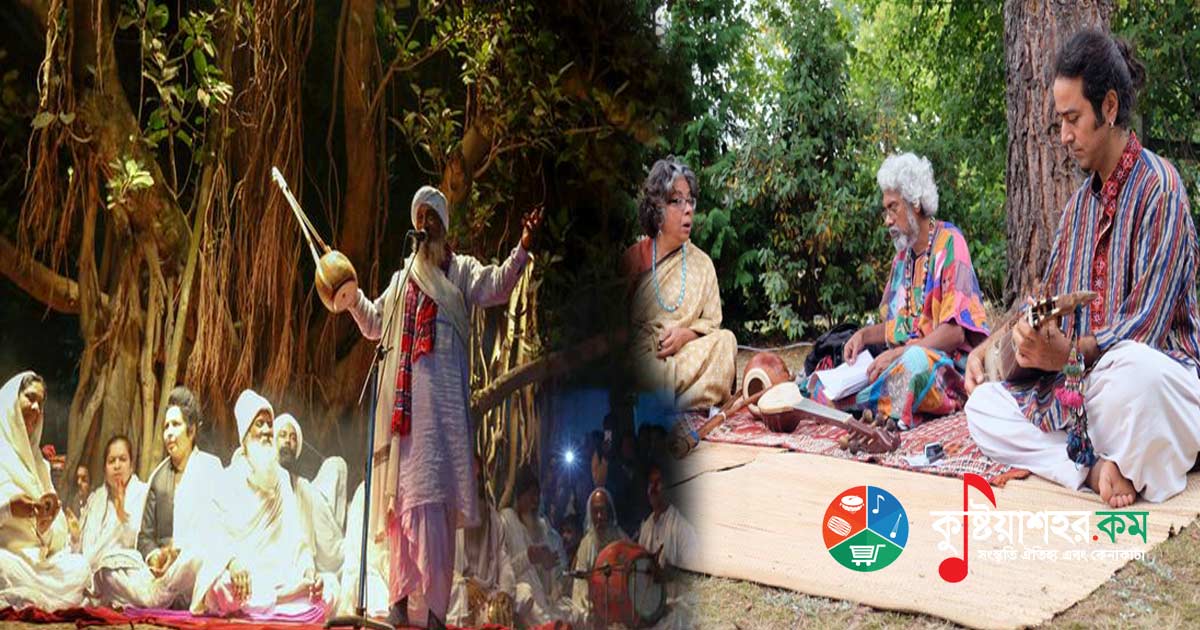
The first place that comes to mind on a Kushtia trip is the Lalon Akhra at Cheuria. Mahatma Fakir Lalon Shah is a unique saint of Bengali folk music, Baul philosophy and humanist thought. His songs and philosophy still attract countless people at home and abroad. Located in the village of Cheuria in Kumarkhali upazila, this akhra houses Lalon Shah's shrine, memorials, a gathering place for devotees, and an environment where Lalon's songs are practised.
What you can see here:
- The shrine (mazar) of Lalon Shah.
- The historic setting of the akhra.
- Musical and cultural events in Lalon's memory.
- A chance to learn about the life philosophy of Baul saints and their followers.
Especially during the Lalon tirodhan festival and Dol Purnima, large numbers of people from home and abroad gather here. Apart from festivals, the akhra can be visited at any other time of the year too.
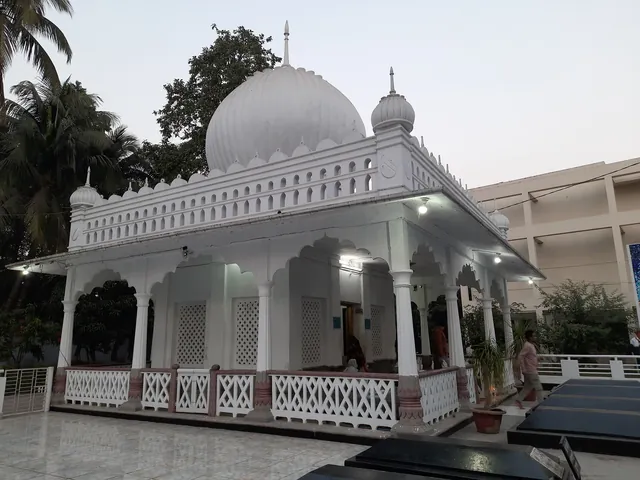
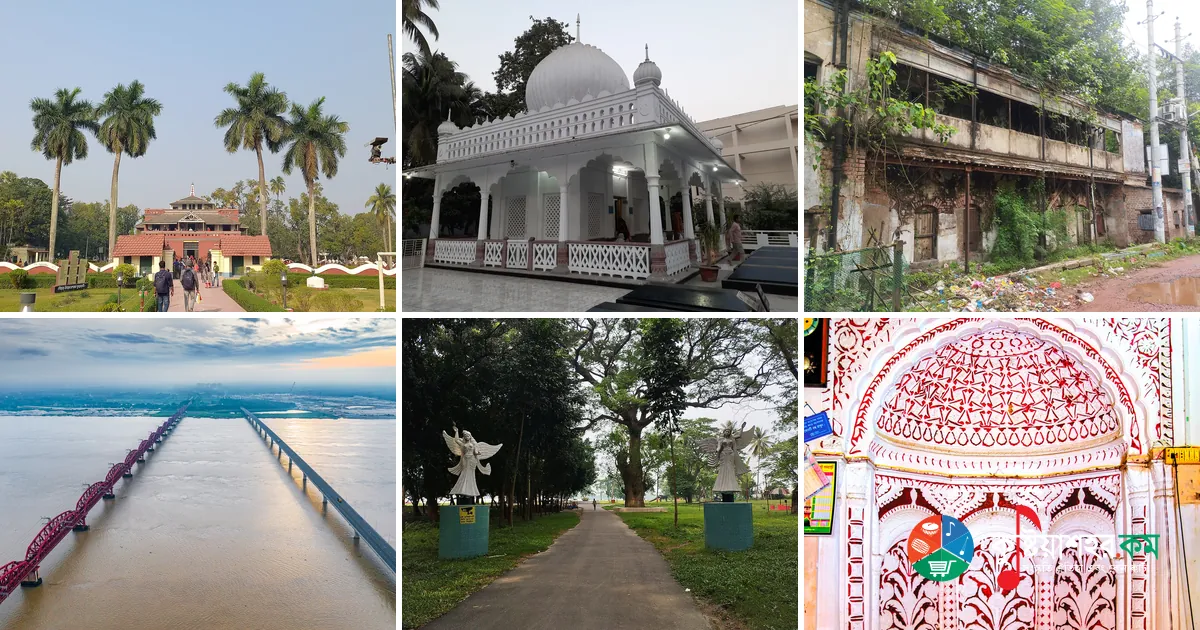
The shrine complex of Fakir Lalon Shah at Cheuria (Photo: Ifteebd10 / Wikimedia Commons, CC BY-SA 4.0)
Location: Cheuria, Kumarkhali, Kushtia.
2. Shilaidaha Rabindra Kuthibari
In the history of Bengali literature, Shilaidaha Rabindra Kuthibari is one of the most important places in Kushtia. Rabindranath Tagore spent a significant part of his life at Shilaidaha. He used to come here to look after the family's zamindari (estate), and his close bond grew with the nature of the Padma, rural life and ordinary people. While staying at the Shilaidaha Kuthibari he pursued his literary work and drew inspiration for many important creations of Bengali literature. The historic mansion, the green surroundings, the gardens and the museum attract visitors in a special way.
What you can see here:
- Tagore's historic Kuthibari.
- Various memorabilia used by the poet.
- The preserved museum and exhibitions.
- The gardens and natural setting of the Kuthibari.
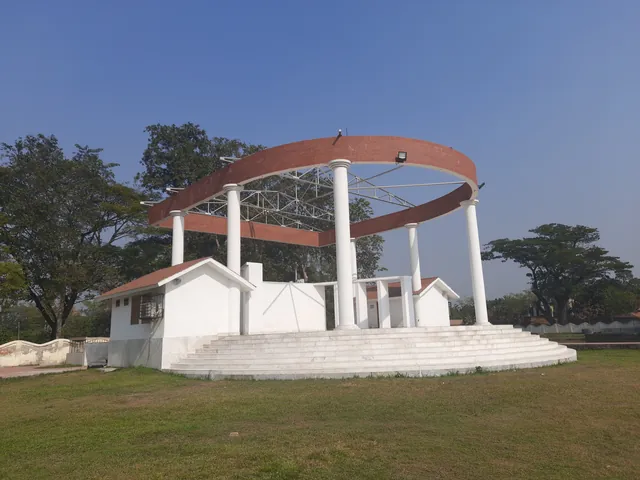
The open-air amphitheatre on the Shilaidaha Kuthibari premises (Photo: Ifteebd10 / Wikimedia Commons, CC BY-SA 4.0)
Location: Shilaidaha, Kumarkhali (about 7 km north of Kushtia town).
Travel tip: In winter the museum is generally open from 9 am to 5 pm. Sunday is the weekly holiday, and on Monday it opens after 2 pm. There is a break from 1:00 to 1:30 pm. The schedule may change on public holidays or in special circumstances. Confirm the timings with the authorities before you go.
3. The Ancestral Home of Mir Mosharraf Hossain
The name of Mir Mosharraf Hossain, one of the most important novelists of Bengali literature, is especially known for his timeless novel Bishad Sindhu. He was born in 1847 at Lahinipara in Kushtia. His literary works occupy an important place in the history of Bengali prose. His ancestral home and memorials at Lahinipara are an important destination for anyone curious about the history of Bengali literature. Here you can learn about his birth, life, literary career and contribution to Bengali literature.
Location: Lahinipara, Kumarkhali Upazila, Kushtia
4. Hardinge Bridge and the Padma River
The Hardinge Bridge is one of the historic railway bridges of Bangladesh. Built over the Padma River, it carries special importance in the history of engineering and transport. Opened in 1915, it is a remarkable structure of the British colonial era. It was named after Lord Hardinge, the then Viceroy and Governor-General of India. This historic bridge joins the two banks of the Padma—Paksey in Ishwardi (Pabna) and Bheramara in Kushtia. On a winter afternoon, watching the bridge from the banks of the Padma and enjoying the river's natural beauty can be a special experience for travel lovers.

The Hardinge Bridge (left) and the Lalon Shah Bridge over the Padma—both bridges, running from Paksey in Ishwardi to Bheramara, stand side by side here (Photo: Abdulmominbd / Wikimedia Commons, CC BY-SA 4.0)
Location: Paksey, the Padma River area adjoining Ishwardi and Bheramara.
Caution: This is an active railway bridge. Refrain from walking on the rail line or entering restricted areas. Use safe and authorised viewpoints.
5. The Gorai River and Renwick Park
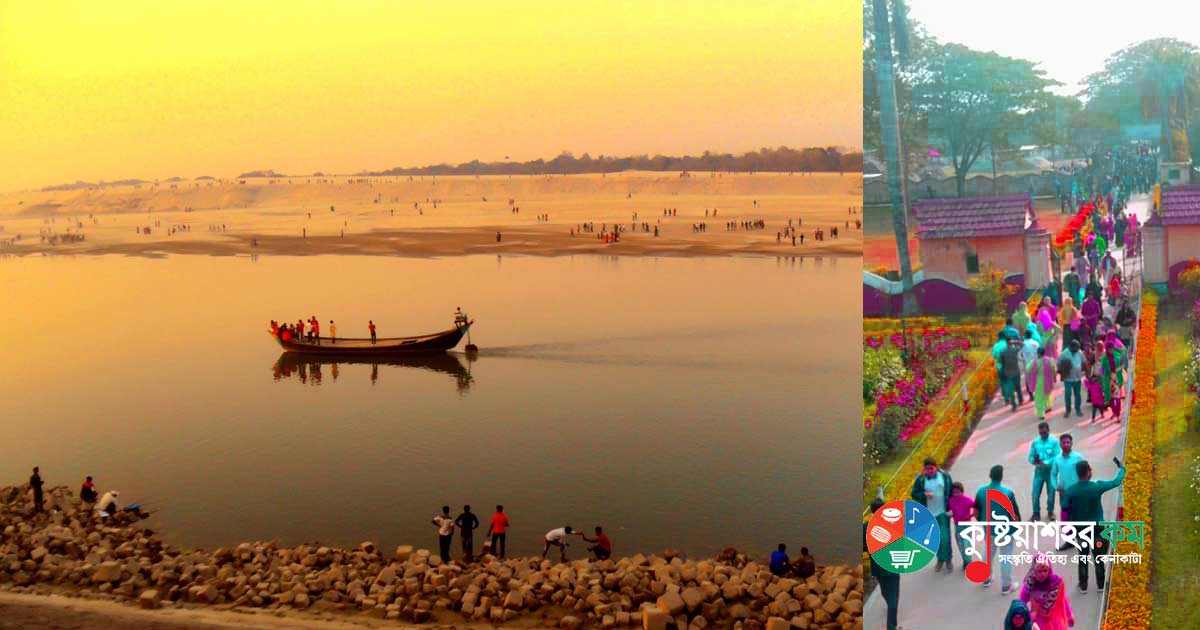
The Gorai River, flowing past Kushtia town, is deeply connected with the nature, agriculture, economy and life of this region. In winter, walking along the riverbank, enjoying the river in the afternoon light and watching the everyday life of local people can be a lovely experience. At Renwick Park and the ghat area on the Gorai bank, local people come to spend their leisure time. Those who want to spend some time close to nature may enjoy the place.
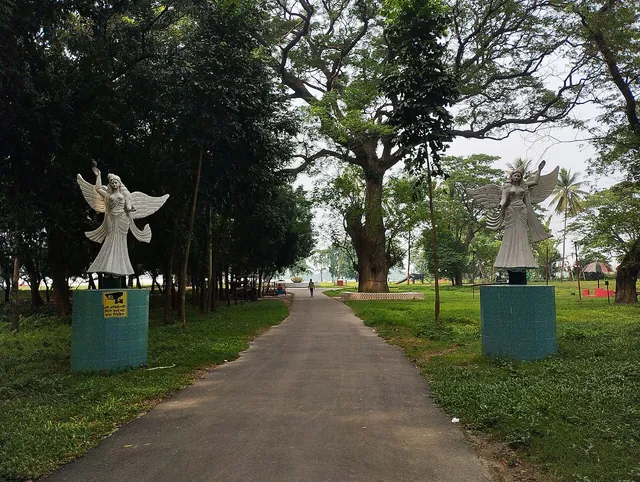
A walkway inside Renwick Park on the bank of the Gorai (Photo: Md Sakibul Hasan / Wikimedia Commons, CC BY-SA 4.0)
Location: Renwick Park and Ghat, Kushtia town.
6. Jhaudia Shahi Mosque
Among the historic architectural landmarks of Kushtia, the Jhaudia Shahi Mosque is one of the most notable. Located about 21 km south-west of Kushtia town, the mosque is known for its old architectural style and historic setting. Reliable information about its construction period and builder is limited. Locally, it is associated with the memory of a saint and various folk legends. For tourists interested in old architecture, history and archaeological heritage, it is an attractive place.
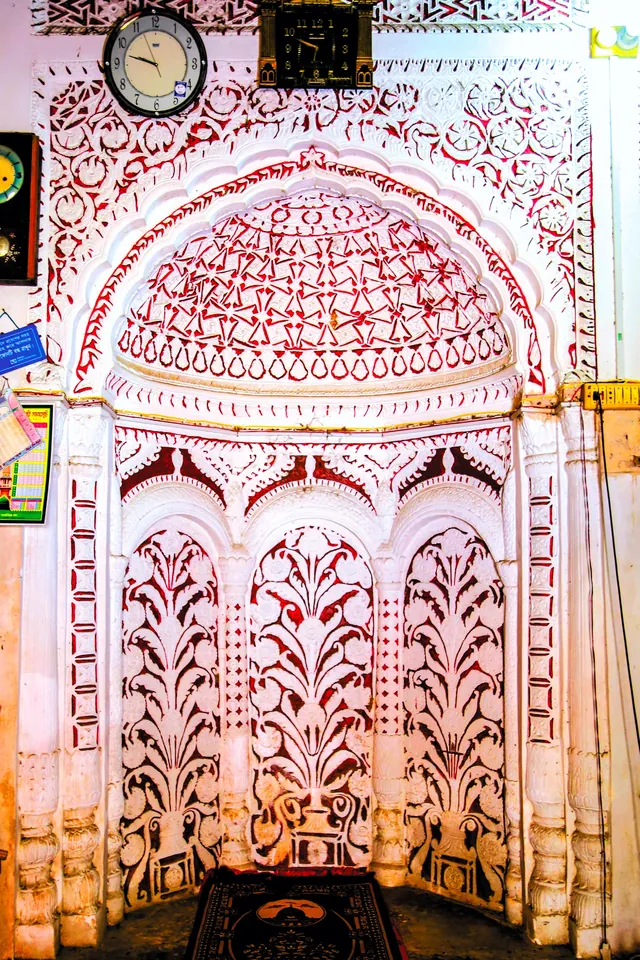
The decorated mihrab inside the Jhaudia Shahi Mosque (Photo: Md Sakibul Hasan / Wikimedia Commons, CC BY-SA 4.0)
Location: Jhaudia, Kushtia Sadar.
7. Mohini Mill
The name of Mohini Mill is woven into the industrial history of Kushtia. At one time the mill played an important role in the industry and employment of the wider region. Mohini Mill's memory is tied to industrialisation in the British era, the lives of working people, and the economic history of the locality. Learning the history of this old industrial establishment gives an idea of Kushtia's past economic and social changes. However, you should first confirm the current state of the structure and whether visitors are allowed to enter.
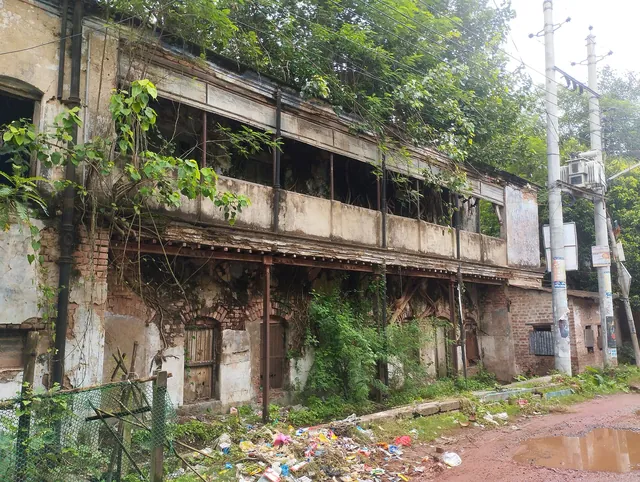
The abandoned old building of Mohini Mill (Photo: Emon / Wikimedia Commons, CC BY 4.0)
Location: Mohini Mill area, adjoining Kushtia town.
8. Chapaigachhi Beel
The largest beel (wetland) of Kushtia district, Chapaigachhi Beel - locally also called Nandiar Beel - lies at Bilandia mauza of Jhaudia union under the Islamic University thana of Kushtia Sadar upazila. Rich in biodiversity, this government fishery is a popular tourist spot. The scenery changes with the seasons: an expanse of water in the monsoon, and receding water in winter with migratory birds and open wetland views. As the Jhaudia Shahi Mosque is in the same union, both places can be covered in one trip. The beel is about 20 km from Kushtia town via the Chuadanga highway and Ailchara.
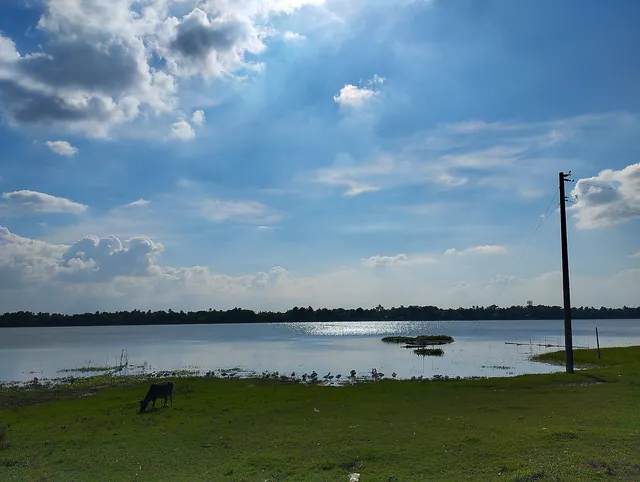
The expansive wetland of Chapaigachhi Beel (Photo: Md Sakibul Hasan / Wikimedia Commons, CC BY 4.0)
Location: Bilandia, Jhaudia union, Kushtia Sadar (about 20 km from town).
9. The Shrine of Solaiman Shah Chishti, Golapnagar
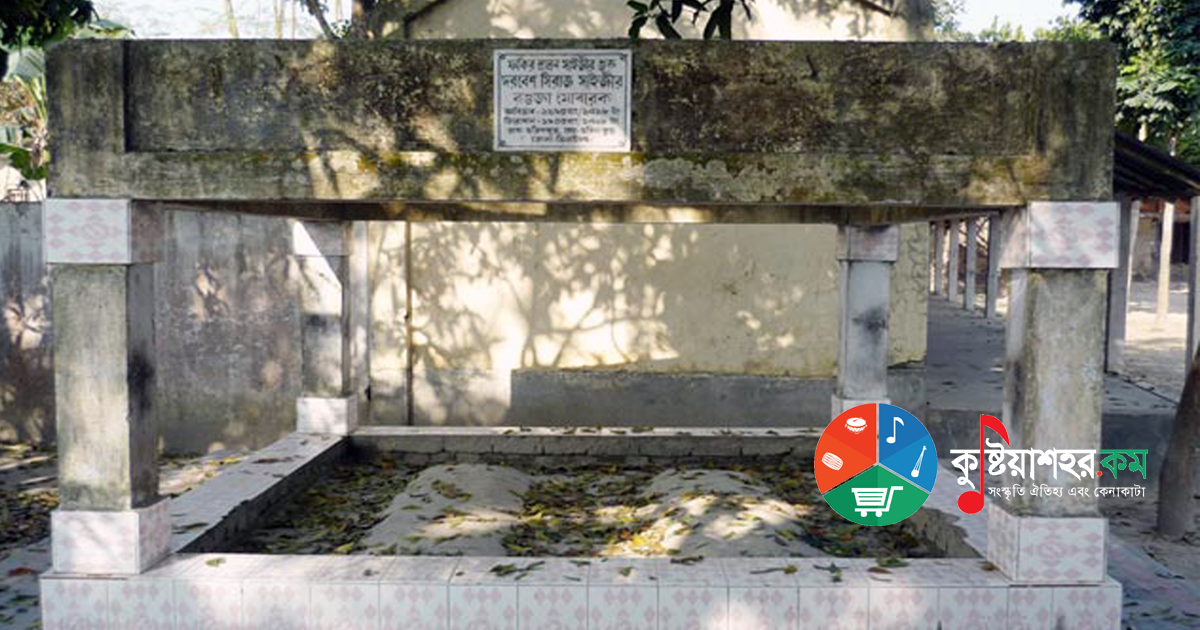
At Char Golapnagar village in Bheramara upazila, on the western bank of the Padma, stands the shrine of the Sufi saint Solaiman Shah Chishti (Rh.). It is widely held that he came to this area from Barishal in the 1960s. An annual three-day urs is held here every year, and the shrine draws devotees, pilgrims and visitors. You can pay a visit on your way to the Hardinge Bridge or the Bheramara-Paksey area.
Location: Char Golapnagar, Bheramara - on the western bank of the Padma.
3. What Else Can You See in Kushtia?
Besides the main places above, if you have the time and means, you can also visit:
- Kushtia Municipal Museum.
- Haripur Bridge and the bank of the Gorai.
- Old buildings and historic areas of Kushtia town.
- The Bheramara area on the bank of the Padma.
- The heritage-rich land of Kumarkhali.
These can make the trip even more varied.
4. How to Get to Kushtia from Dhaka
There are two ways to travel from Dhaka to Kushtia: road and rail.
By Bus
Buses for Kushtia are available from various points in Dhaka, including Gabtoli and Kalyanpur. Depending on the operator and route, buses reach Kushtia either via the Padma Bridge or the Paturia–Daulatdia ferry. The journey usually takes 5 to 6 hours or more; it depends on traffic jams, the ferry crossing and road conditions. Before boarding, confirm the departure time, route and fare from the transport company's counter.
By Train
Train is also a good way to reach the Kushtia region from Dhaka. Stations across the district, including Kushtia Court and Poradah, have rail connections. You can choose your ticket considering the routes and stops of trains such as the Sundarban Express, Madhumati Express and Benapole Express. Before travelling, check the timetable, stops and ticket availability on Bangladesh Railway's official e-ticketing website. Website: https://eticket.railway.gov.bd/
By Private Car or Motorcycle
If you want to travel to Kushtia by private car or motorcycle, you can choose your route as you prefer. However, keep road conditions, traffic and necessary breaks in mind before setting out.
5. Where to Stay in Kushtia?
If you want to visit several places, staying one night in Kushtia town is convenient. Various hotels are available in the NS Road, Majompur, Thana Mor, Upazila Mor and Chourhas areas of the town. Before choosing a hotel, consider a few things:
- Whether there are rooms suitable for families.
- Safety and cleanliness.
- Parking for your own vehicle.
- Advance booking online or by phone.
- Current room rates and extra charges.
If you plan to travel during festivals or public holidays, book your hotel well in advance.
6. What to Eat in Kushtia?
A Kushtia trip is not only about history and heritage—tasting the local food is also an important part of the journey. Some well-known foods of the region are:
Teeler khaja: Among Kushtia's traditional sweets, teeler khaja has a special reputation. Made of sesame and sugar, this snack is popular with travellers.
Kulfi malai: Made from thickened milk, kulfi malai is on the list of Kushtia's familiar treats.
Local food: At local eateries you can taste rice, local fish, dal, bhorta and various village dishes.
On your way back, you can buy teeler khaja for your family.
7. A Possible Two-Day Kushtia Itinerary
If you have two days at hand, you can follow the plan below.
Day One: Through Literature and Culture
Morning:
- Arrive in Kushtia town and check in to your hotel.
- After breakfast, set out for the Shilaidaha Rabindra Kuthibari.
- Tour the Kuthibari and the museum.
Noon:
- Have lunch at a good local restaurant.
- Visit Mir Mosharraf Hossain's ancestral home at Lahinipara.
Afternoon:
- Return to town and spend time by the Gorai at Renwick Park.
- In the evening, enjoy local food and sweets in the town.
Day Two: Baul Philosophy and Historic Architecture
Morning:
- Tour the Lalon Akhra at Cheuria.
- Learn about Lalon Shah's shrine and the atmosphere of the akhra.
Noon:
- After lunch, you can visit the Jhaudia Shahi Mosque.; the Chapaigachhi Beel can be covered on the same route.
Afternoon:
- If time and transport allow, enjoy the Hardinge Bridge and the views of the Padma in the Bheramara–Paksey area.; on the way, you can visit the shrine of Solaiman Shah Chishti at Char Golapnagar in Bheramara.
Evening:
- Return to Kushtia town for some shopping.
- Collect teeler khaja and other local foods and set off home.
Note: Some of the places in this itinerary are located far apart geographically. So it is better to arrange a car or local transport in advance. Allow separate time for visiting the Hardinge Bridge.
8. Estimated Cost of a Kushtia Trip
The cost of the trip will depend on transport, hotel, food, local travel and how many people are travelling together. The main heads of expenditure are:
| Expenditure head | What to consider |
|---|---|
| Dhaka–Kushtia transport | Bus or train fare |
| Hotel | Room rent for one night |
| Food | Breakfast, lunch and dinner |
| Local transport | Autorickshaw, CNG or rented car |
| Sightseeing | Entry tickets and other costs |
| Shopping | Teeler khaja and local products |
Before travelling, check the current prices of each head and prepare your budget. Especially during festivals and holidays, costs can rise.
9. Essential Tips for a Winter Trip to Kushtia
To make the trip enjoyable and safe, keep a few things in mind.
- Winter mornings can be foggy, so keep extra time for long journeys.
- Carry winter clothing, necessary medicines and personal items.
- Check the opening hours before entering historic buildings and museums.
- Show respect for the culture, religious sentiments and heritage of the local people.
- Stay safe while taking photographs near riverbanks or bridges.
- Do not damage the walls, sculptures or protected relics of historic structures.
- If travelling during festivals, arrange accommodation and transport in advance.
10. Final Words: Kushtia, a Unique Land of History, Heritage and Nature
If you want to know the history and culture of Bengal up close, a trip to Kushtia can be a memorable experience for you. Here you will find the humanist philosophy of Lalon Shah, the literary memories of Rabindranath Tagore, the literary legacy of Mir Mosharraf Hossain, ancient architecture, rivers, and the variety of rural life. In the winter holidays, you can explore Kushtia with your family or friends. But while travelling, do not just see the sights—try to learn the history and culture of each place. Kushtia is not merely a travel destination; it is an important chapter in the history, heritage and cultural identity of Bengal.
Come to Kushtia—get to know the history and heritage of Bengal.