বাংলা
 English
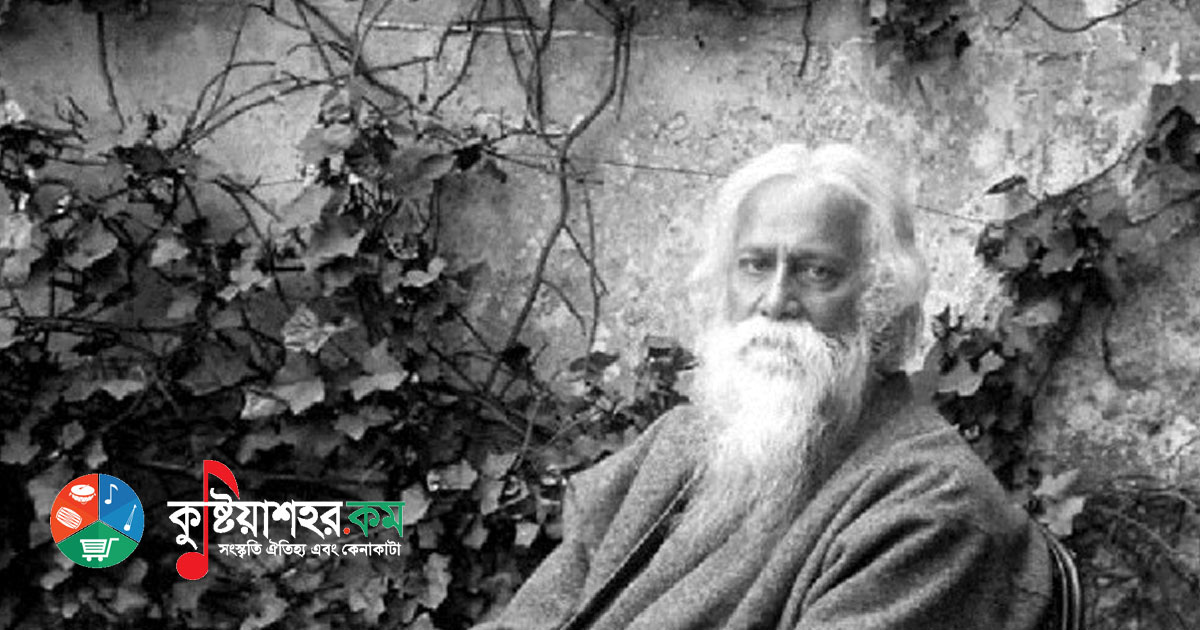
A believer in the religion of humanity, Rabindranath was devoted from early life to thoughts of his country and society. While looking after the zamindari affairs in the region by the Padma, he shared all the joys and sorrows of the tenants there with sincerity. Though not directly involved in the struggle for independence, he was not indifferent to British-ruled, subjugated India.
He maintained regular contact with many famous freedom fighters of the time, which gave inspiration to the freedom struggle. He took part directly in the movement against the partition of Bengal. At that time, on the initiative of the poet Rabindranath, the ‘Rakhi Bandhan Utsab’ (festival of tying rakhis) was observed to promote harmony between Hindus and Muslims. In 1919, in protest against the British massacre at Jallianwala Bagh, Rabindranath gave up the British-conferred title of ‘Knight’.
Shantiniketan and Sriniketan stand behind the progress of India’s education system as contributions of this personality too. Among the greatest achievements of his life are Shantiniketan and Sriniketan. Following the ideal of the ancient Indian gurukul, in 1901 he founded the ‘Brahmacharya Vidyalaya’ at Santiniketan. Later this institution developed into Visva-Bharati University. He wanted an education system in which there was scope for the all-round development of life. His endeavour to bring children into the open lessons of nature outside the four walls was novel.
Sriniketan is the institution of agricultural work and rural development education founded by Rabindranath. Through the founding of Sriniketan he dreamt of rural development. He remained engaged in teaching at the school of Santiniketan until the end of his life.