বাংলা
 English
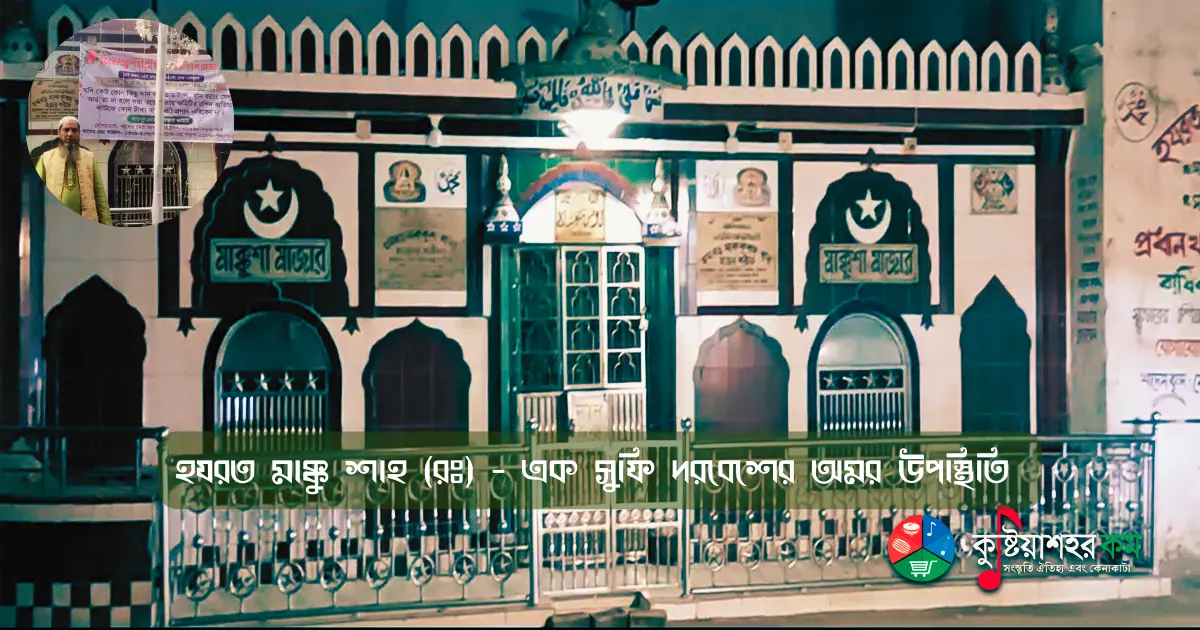
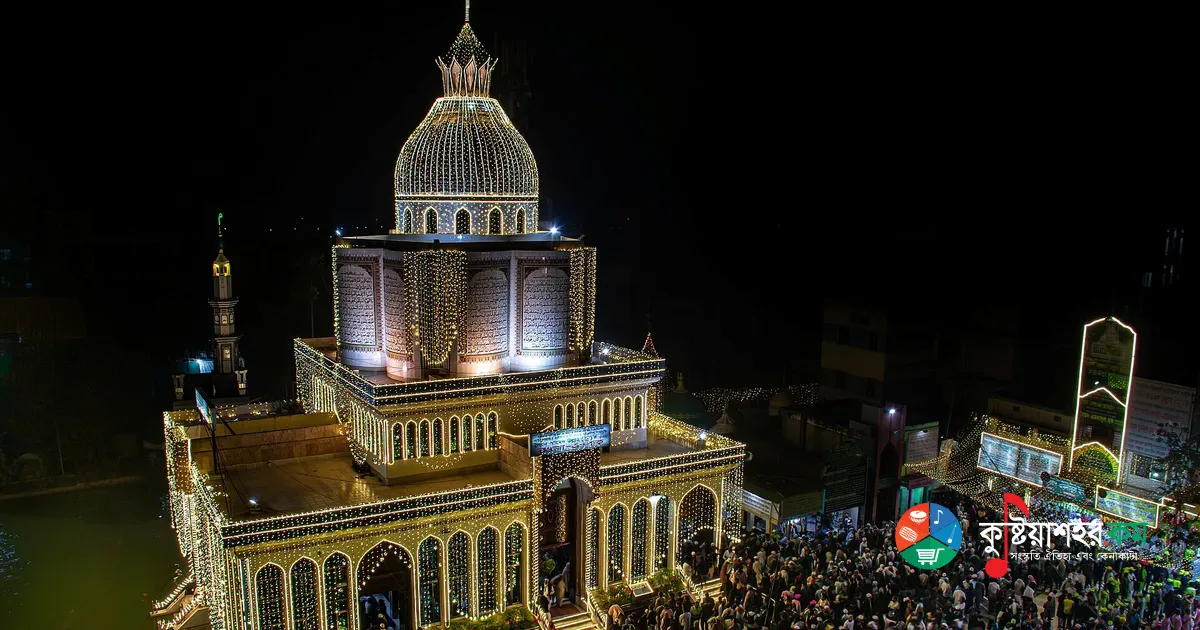
Pressed against the high and stern wall of Dhaka Central Jail, standing on Nazimuddin Road of old Dhaka, rests a silent yet powerful spiritual presence - Hazrat Makku Shah (RA) Mazar Sharif. It is not merely a religious structure; it is a living document of history, architecture, popular faith and Sufi tradition that has remained unfaded in people's hearts across the centuries.
Historical Background: Prison versus Mazar
According to historical sources and local tradition, Hazrat Makku Shah (RA) was an ancient Sufi dervish who devoted himself to meditation and the service of humanity in this region long before British rule. After his demise he was buried at this very place, which soon became a sacred pilgrimage site for the local people.
Later, during the British period, when Dhaka Central Jail was being built, this sacred burial site unintentionally fell inside the jail's boundary in the construction plan.
The Mystery of the Collapsing Wall and the Dream
Soon after the jail's construction was completed, an astonishing event took place. The jail's boundary wall adjoining the mazar collapsed for three days in a row. Each time the wall was repaired, it would crumble again the next day - for which the authorities could give no physical explanation.
On the night following the fourth day, the deputy jailer in charge of the prison had a momentous dream. In the dream Hazrat Makku Shah (RA) asked him:
I am no prisoner; why have I been confined in this jail?
The Authorities' Historic Decision
Upon learning of this dream, the jail authorities took a landmark decision. The original design was changed, and the jail's boundary wall was built curving in a crescent shape, so that the mazar would lie outside the jail's main boundary. To this day that crescent-shaped wall still stands - as a unique symbol of the state's recognition of spirituality.
Architectural Significance: The Silent Victory of Spirituality
This crescent-shaped wall declares symbolically:
- Worldly power has bowed before spiritual truth
- Even colonial rule was compelled to show respect to local belief and culture
- True holiness cannot be confined within any wall or rule
Special belief:-
Hazrat Makku Shah (RA) is specially known for securing the release of innocent people from legal entanglements and unjust imprisonment.
Current Practices and Management
Daily tribute:-
As a rare and significant practice, a garland of flowers is placed at the mazar of Hazrat Makku Shah (RA) every day at the time of the jail's prisoner count. This practice, carried on for over a century, is a unique symbol of humanity and spirituality.
Annual Urs (15 Rajab)
- 11:30 in the morning - Quran recitation
- After Asr - Milad and prayers
- After Maghrib - washing of the tomb (gusal) and spreading of the gilaf chadar
- After Isha - Sama and qawwali
- 4:30 at dawn - distribution of tabarak
Management system:-
The mazar is managed through a hereditary khadem system -
Former khadems: the late Md. Alauddin Aladu and Nasrullah Mia
Present chief khadem: Md. Akter Hossain
Etiquette and rules of the mazar:-
- The sanctity of the mazar must be preserved
- Prayers may not be made up as qaza at the mazar
- Prostration (sijdah) at the mazar is forbidden
- Modest dress and moderate conduct must be maintained
Cultural and historical significance:-
The mazar sharif of Hazrat Makku Shah (RA):
- A living symbol of Bengal's Sufi heritage
- A document of the interaction between colonial power and local culture
- A meeting ground of religion, faith and humanity
- A silent symbol of communal harmony
Conclusion: The Story of the Invisible Wall
The story of Hazrat Makku Shah (RA) Mazar Sharif teaches us that some truths are such that no wall can enclose them, and some presences are such that no law or rule can confine them. This crescent-shaped wall standing in the heart of old Dhaka silently proclaims an immortal message:
The truth that dwells in the heart cannot be imprisoned in any jail.
Even today, when the jail's prisoners place a garland of flowers at the mazar at the time of their count, it is not merely a custom but a deep tribute to humanity and spirituality, one that crosses the bounds of time and binds us all on one thread.