বাংলা
 English
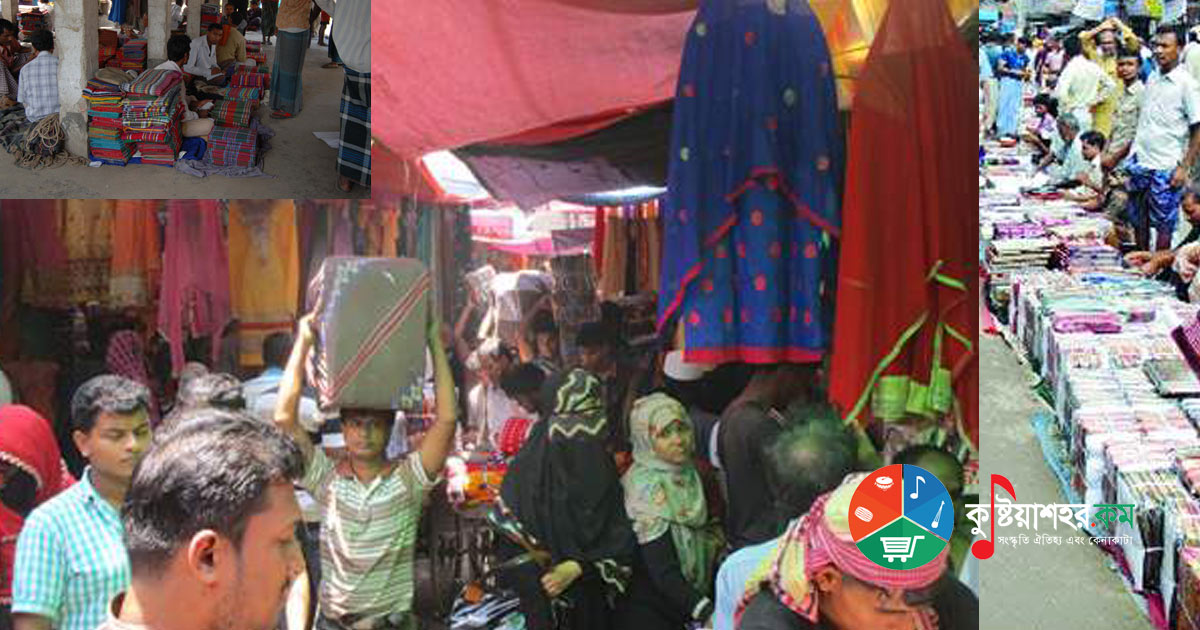
Hatsh Haripur is one of the important villages of Kushtia district. This village is the birthplace of poets, writers, industrialists, engineers, pirs and dervishes, Bauls and countless people of talent. The people of Haripur continue to play an important role in the commercial development of Kushtia town. They set off for work as soon as they rise from sleep, spend the whole day busy at work in Kushtia town, and in the evening return to their own nests. Experts believe that in the days ahead this Hatsh Haripur union will come to be known as a suburb.
Haripur has quite a few places of interest; descriptions of some of them are given below —
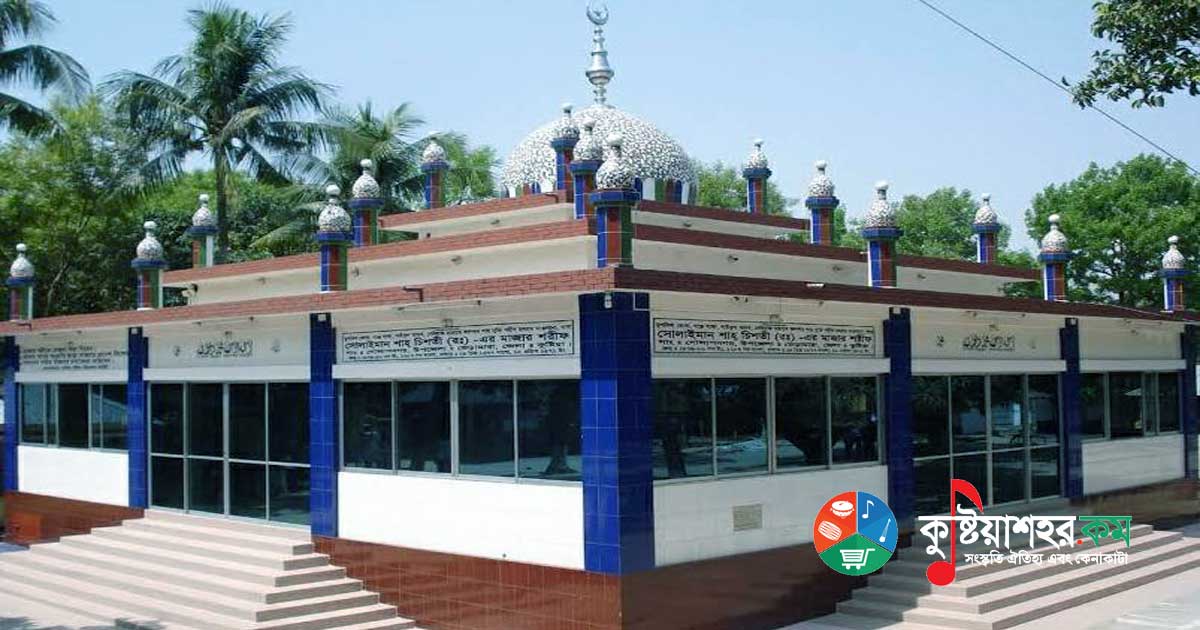
The Akdil Shah Mazar: -
Exactly where, when and how Baba Akdil Shah was born is not known with certainty, but the existence of Kushtia is known from the early decades of the seventeenth century, in the days of Emperor Shah Jahan — that is, in the Old Kushtia which today falls within the Hatsh Haripur union.
The settlement of Old Kushtia began with people of various religions taking up residence, among whom the Hindus were the most numerous. It was then that Baba Akdil Shah began preaching the faith of Islam.
Through the preaching of the saint Akdil Shah, many people began to embrace Islam. Mosques began to be built, and the call to prayer began to sound. In those days Hindus and Muslims alike took part, through the twelve months of the year, in the thirteen punja festivals.
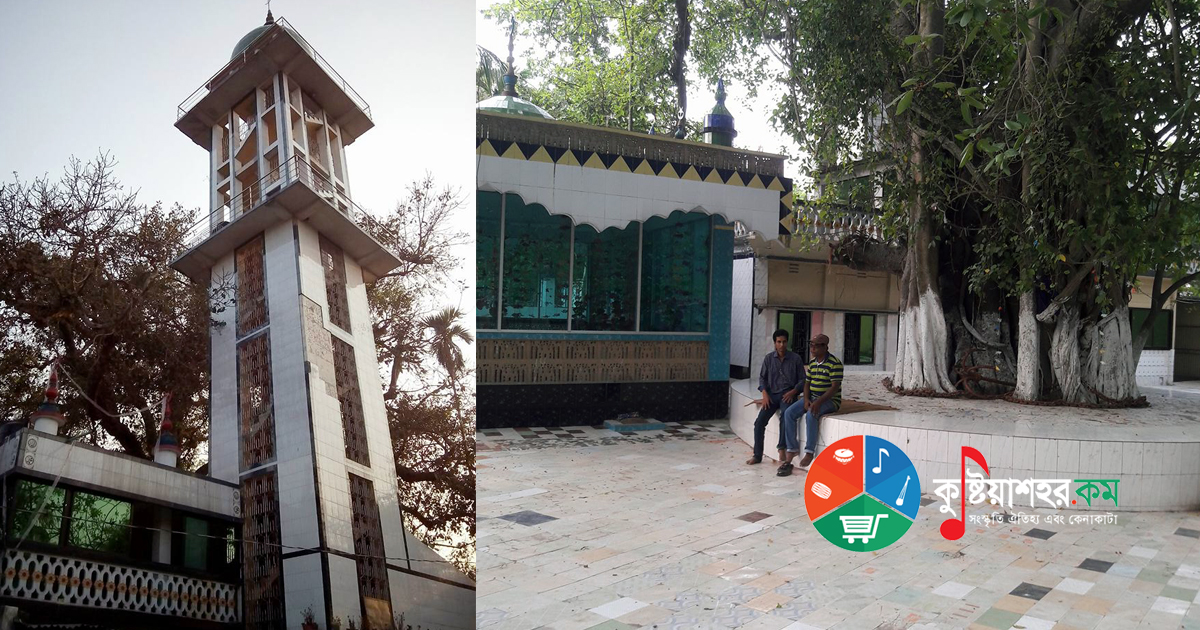
The dargah of a divine known as Akdil Shah, five or six hundred years old, stood on the banks of what was then the Padma river. From the mouths of the old elders it is known that the whole dargah was enclosed with brick walls. If anyone, overcome by wrongdoing, stole bricks from the dargah, fire would break out without reason on the roof of his house, and it would not go out until the bricks were returned. It is said that he could walk across the waters of the Padma river. People came from many places to become his murids (disciples), and he was possessed of many miraculous powers.
In 1951, while visiting the homes of his murids, he fell ill; his murids admitted him to the hospital in Kushtia, and it was there that he passed away. His murids buried his body in the grounds of this dargah, and in his memory they hold the Urs Sharif every year in the mazar grounds.
Dervish Rezwan Shah: -
Dervish Rezan Shah was born in the village of Hatsh Haripur under Kushtia Sadar thana. He belonged to the Chishti order, and he was a man of gentle and humble nature who liked always to sit quietly. When devotees came, they would discuss spiritual matters and sing songs. His guru also bore the name of dervish Sadhan Shah.
While he was alive, on the day after the passing of Lalon Shah, a sadhu sangha would be held at his house, and people came from far and wide to watch this event. His devotees were spread across the whole country. A devotee from Pangsha entered eleven bighas of land in the name of Dervish Rezwan Shah, and every year an event is held there in Rezan Shah's name. He never took intoxicants. Before his death he willed one and a half bighas of land of his homestead in the name of the state, so that after his death the owner of this land would be his countless devotees.
At present his mazar sharif stands on that very homestead, and beside his mazar is the mazar of Mamun Nadiya.
Poet Azizur Rahman: -
The poet, songwriter and radio personality Azizur Rahman was born on 18 October 1914 (in the view of some, 1917) in the village of Hatsh Haripur under Kotwali thana of Kushtia district (then part of Nadia district). The ancestral homestead of the poet Azizur Rahman carries memories of nearly one hundred and thirty years. Gathering the old actors, he built up a theatre troupe and performed in the courtyard of the Tagore house at Shilaidaha, and through this stage work he earned considerable renown in Kushtia's cultural circles. The eminent actors of that era, Dhiren Dutta and Upen Thakur, also took part in the plays. Azizur Rahman felt the greatest enthusiasm for staging plays based on the lives of Muslim heroes, and the staging of the plays Kamal Pasha, Tipu Sultan and Siraj-ud-Daula was a testament to his organisational ability. Through the performance of these three plays he sought to turn the audience's eyes toward the greatest heroes of the Muslims; in colonial India the poet Azizur Rahman showed the dream of a Muslim reawakening.
He and his cousin Hasan Faiz, who was of the same age, were the first in their area to wear payjama and sherwani, and for this they had to endure a great deal of mockery. He wished to join the Congress in order to serve the country, but inspired by Maulana Ansaruddin — the elder brother of Kushtia's illustrious son Shamsuddin Ahmed, a former minister of undivided Bengal — he joined the Muslim League.
The history of the kabial Roshan Dafadar is also quite commendable. Many other illustrious people, both departed and living, have made their home in this area; we shall try to present them later.