বাংলা
 English
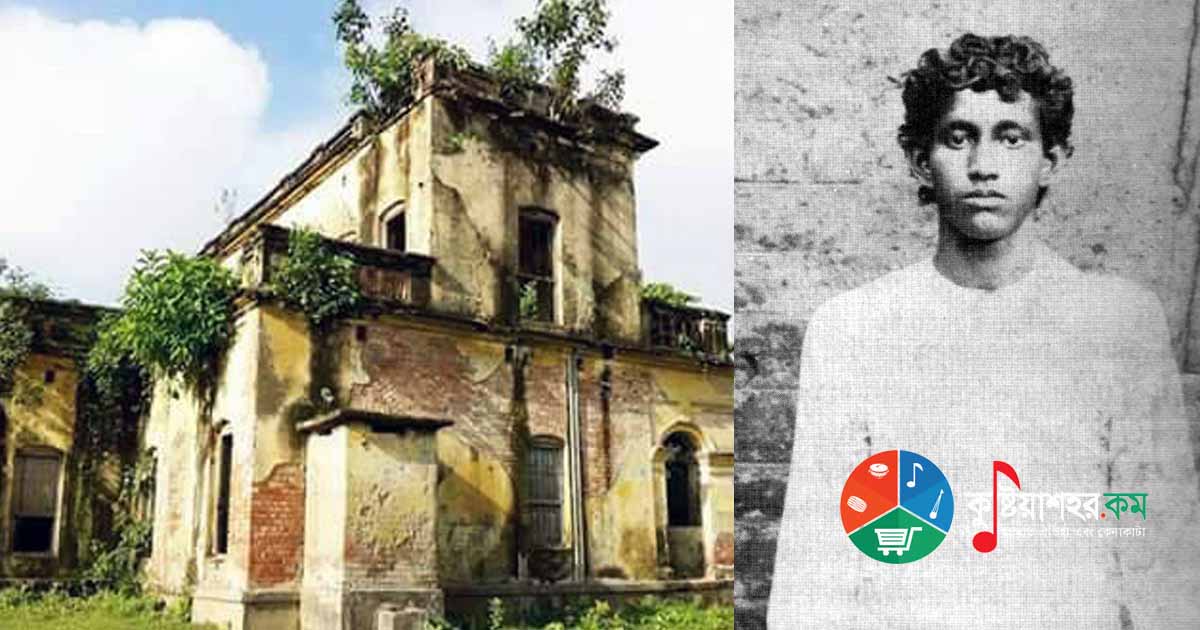
Khudiram Bose (English: Khudiram Bose) (born 3 December 1889 – died 11 August 1908) was one of the youngest revolutionaries of the early days of the Indian independence movement. At the time of his death by hanging he was 18 years, 7 months and 11 days old.
The revolutionary Khudiram Bose is a death-conquering name in the movement against British rule in India. To this day it is heard from people's mouths that the place of his arrest too was at Jadubayra village of Kumarkhali upazila in our Bangladesh's Kushtia district, though the pages of history record it otherwise. The elders of Jadubayra village still mention this.
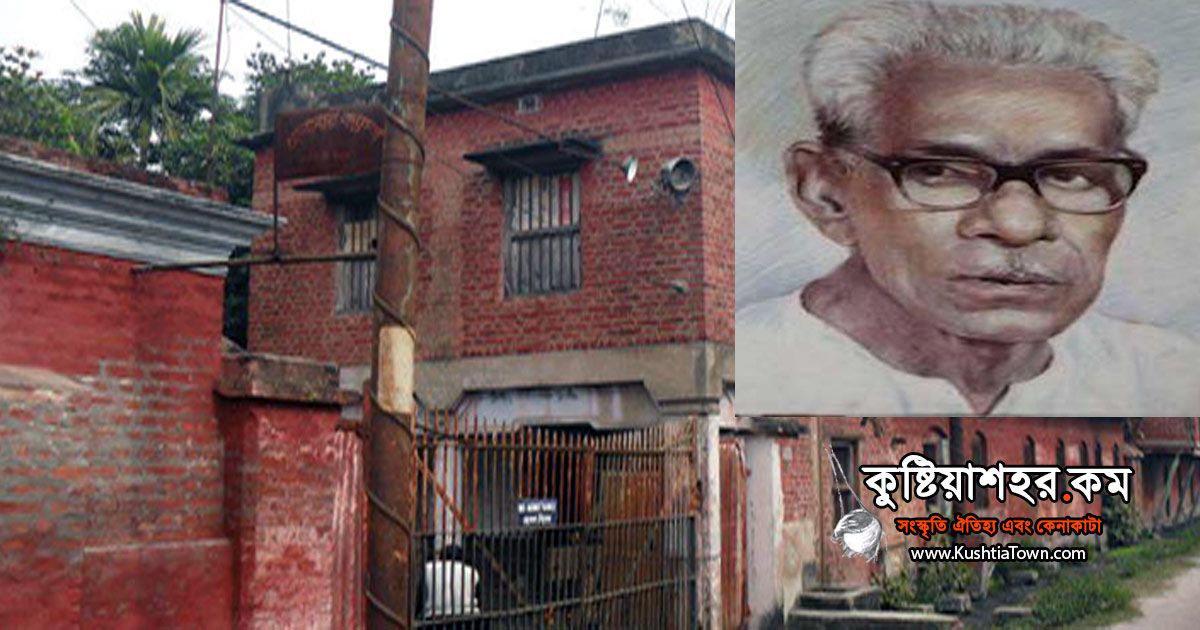
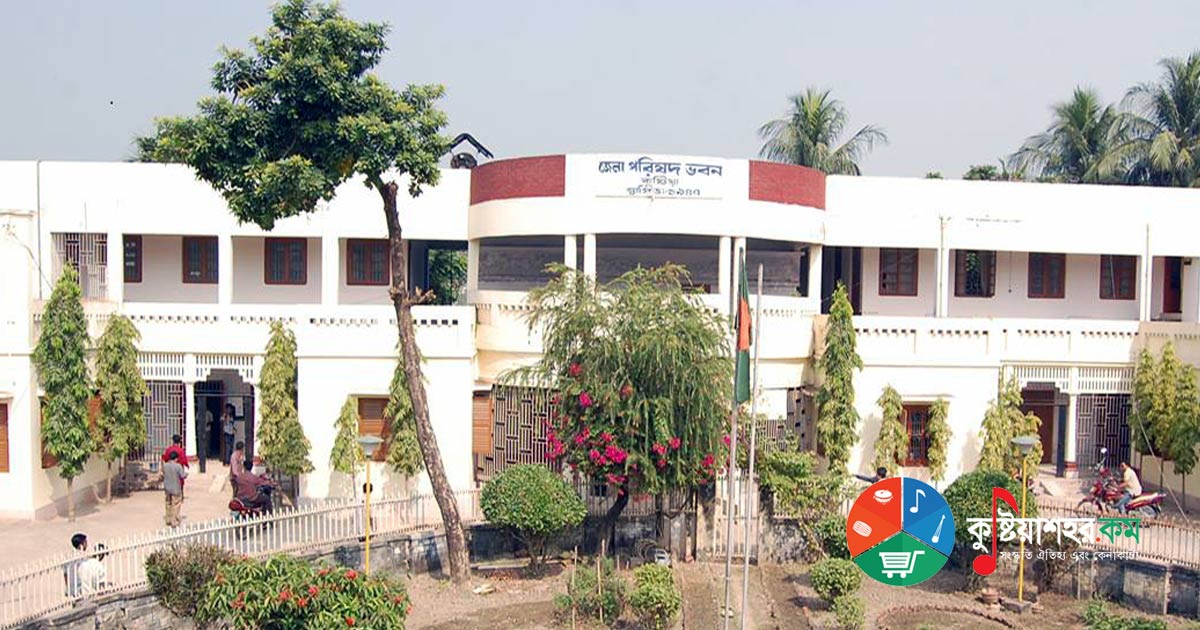
The house in the picture is the home of Purna Lahori, Khudiram Bose's maternal uncle. It was at this place that Khudiram fell into the hands of the British force. It is said that his uncle, the police daroga Purna Lahori Biswas, out of treachery had Khudiram arrested. This house stands at Jadubayra village of Kumarkhali and is at present being used as the union land office. Now it has come to the brink of destruction through neglect and indifference. The plaster of the walls and many of the doors and windows have been ruined. The house has been left in such a filthy state, defiled as a latrine, that it is unfit even to be visited.
The revolutionary Khudiram Bose was the youngest of the early fighters in the war to wrest from the British the birthright of the people of India, “freedom”. He took active part in the Swadeshi movement against Lord Curzon (Borolat), the Governor-General of India, the keeper of Bengal. He was a staunch opponent of the Partition of Bengal. Through actions such as boycotting British goods and sinking the boats carrying British salt, he played an active role in the Swadeshi movement. While distributing the revolutionary paper “Sonar Bangla” at an exhibition in Midnapore, he was arrested by the police, beat the police and fled. Though he was later arrested on this charge, the government withdrew the case because of his youth. When the revolutionaries' secret organisation needed money, he looted mail bags.
The revolutionary party decided upon the killing of Kingsford, the then Chief Presidency Magistrate of Calcutta. The task of accomplishing this fell upon Khudiram Bose and Prafulla Chaki. For his security the government transferred Kingsford to Muzaffarpur, and Khudiram Bose and Prafulla Chaki came to Muzaffarpur. At about eight o'clock on the night of 30 April 1908, mistaking a car returning from the Muzaffarpur European Club for Kingsford's car, Khudiram threw a bomb at it; as a result two British citizens, Watson and Bamfylde, were killed. The killing of British citizens too has been presented in various ways in various places.
For this offence, at five o'clock in the morning of 11 August 1908, the British government stood this fresh youth of 18 years, 7 months and 11 days upon the gallows. Outside the gate of the jail the slogan ‘Vande Mataram’ was then ringing in the voices of thousands of people. Before he was hanged, the jail authorities asked the youth what his last wish before death was. Without waiting a single second, the youth said with complete fearlessness, ‘I can make a good bomb; before I die I want to teach it to all the people of India.’ The jail authorities present that day were astonished, realising the youth's mental fortitude and his intense hatred of British imperialism. That youth of that day is the great revolutionary of the Age of Fire, Khudiram Bose.
Khudiram is no more today, but the torch of freedom that he lit in the hearts of the people of all India the British government could not extinguish despite a hundred attempts. Herein lies Khudiram's fulfilment. Even so many years after his death, walking along the way through haat, field and ghat, we often suddenly hear from the lips of bauls, saints and kabiyals:
Pitambar Das's song:
‘Bid farewell to me once, mother, I shall wander out and return.
Smiling I shall be hanged, and all the world will watch.
Having made a bomb of the Calcutta kind
I stood waiting by the roadside, O mother;
going to kill the Governor-General
I killed another Englishman instead.
After ten o'clock on Saturday morning
when no one is left at the judge's court, O mother,
Halooram's boat will carry word, mother, of Khudiram's hanging.
Ten months and ten days later
I shall be born in my aunt's house, O mother;
if then you fail to recognise me, you will see the noose on my throat.’
Then one feels that Khudiram's self-sacrifice for the country did not go in vain. It is because of Khudirams like him that British imperialism was one day forced to leave India. In exchange for the lives of lakhs of Khudirams like him, on 16 December 1971 we received our beloved Bangladesh. So Khudiram does not die. In the heart of every freedom-loving person of the country Khudiram will thus live for all eternity.