বাংলা
 English
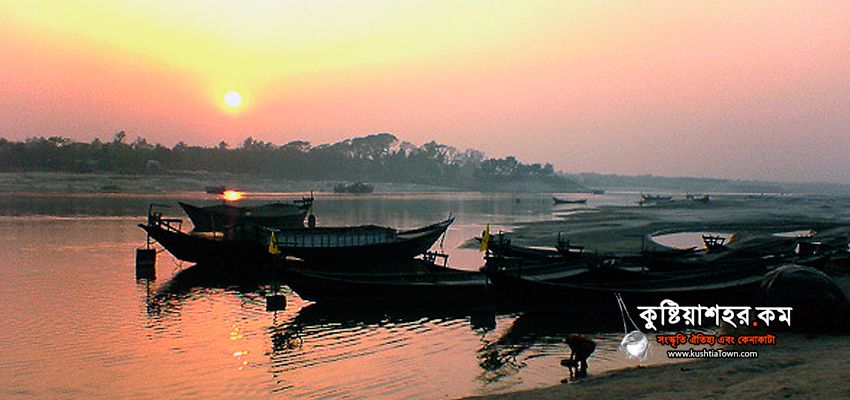
The name of Kushtia district originates from the word "kushta," which means the fibre of jute. Even in the 1990s, jute production in the Kushtia region was good. Long before the birth of Bangladesh, this region enjoyed a reputation of its own — elders say it has been renowned since the Mughal era.
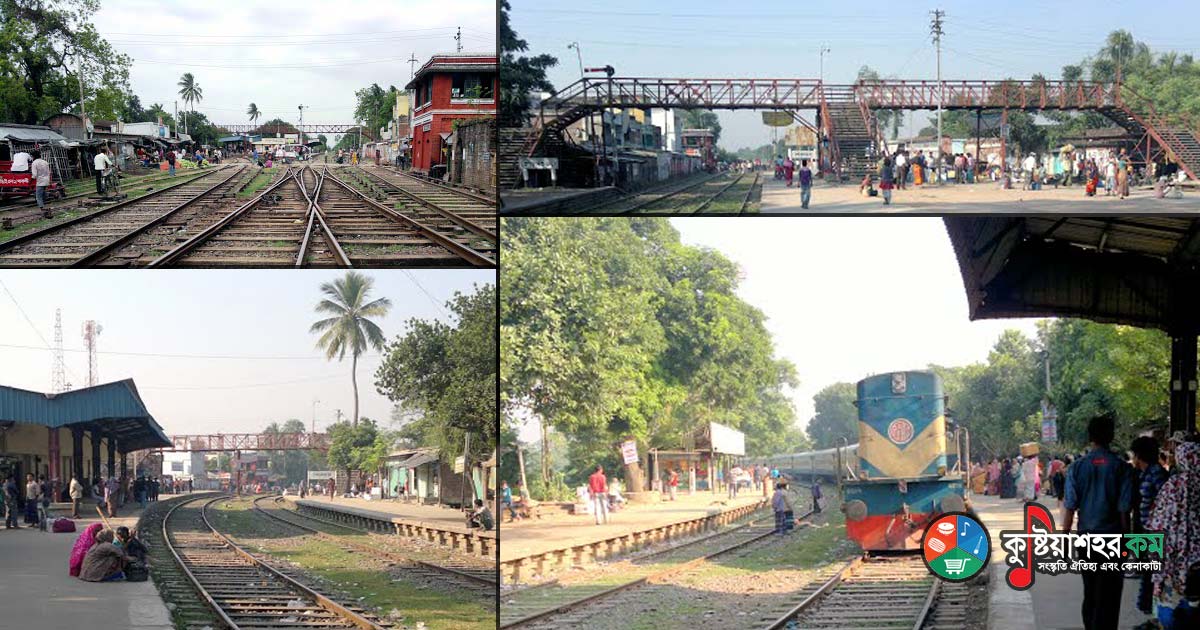
Kushtia is a town whose transport system has been good since the Mughal period, although there was no railway back then. In those days trade and commerce moved along river and land routes. The Padma, the Gorai and the Kaliganga rivers flow past Kushtia town.
Nawab Siraj-ud-Daulah ruled the whole of Bengal in the eighteenth century. According to what the elders say, the road known today as NS Road (Nawab Siraj-ud-Daulah Road) was the route he used when travelling through this region.
From those days down to the present, many talented people have lived in Kushtia town.
Kushtia district, known as the capital of literature and culture, is bounded on the north-west and north by Rajshahi, Natore and Pabna districts across the Padma river, on the south by Jhenaidah district, on the west by Meherpur and Chuadanga districts and by Nadia and Murshidabad of India, and on the east by Rajbari district. Kushtia shares a 46.69-kilometre border with India.
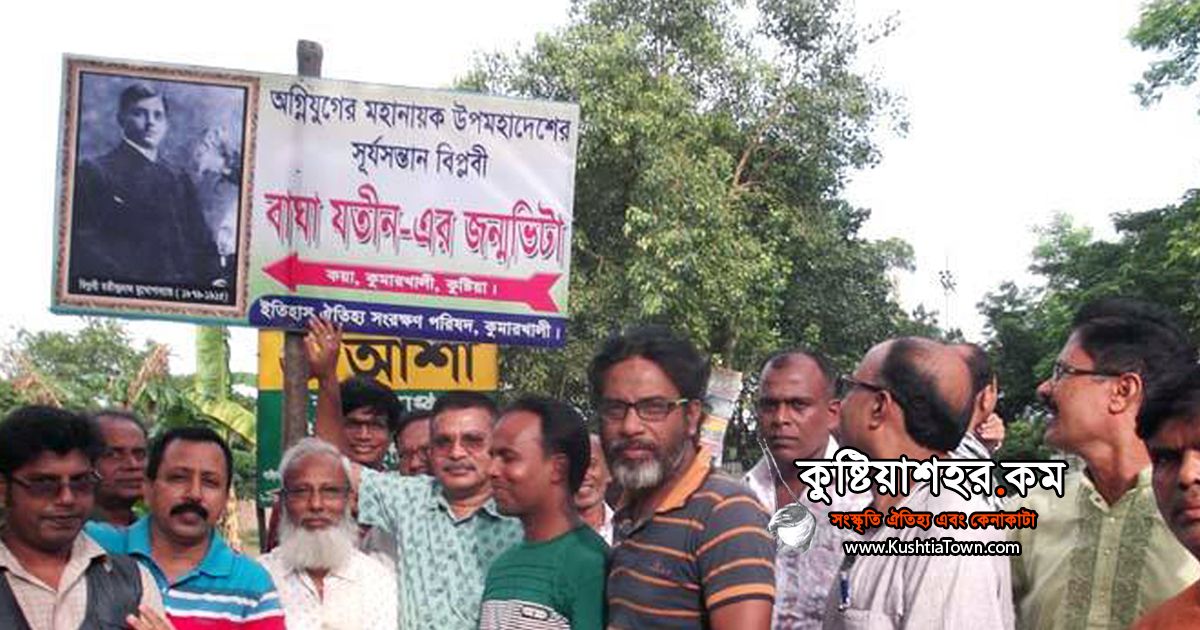
Steeped in the memories of world poet Rabindranath Tagore, Kushtia has enriched Bangladesh in industry, literature and culture. It is also the pilgrimage of Mir Mosharraf Hossain, author of Bishad Sindhu, and of Baul emperor Lalon; the homestead and grave of lyricist, composer and poet Azizur Rahman lie in the village of Hatsh Haripur of old Kushtia. This land has been enriched by countless luminaries born here — the noted poet Dad Ali, the writer Mahmuda Khatun Siddika, Abu Jafar, writer of the song "Ei Padma Ei Meghna", former prime minister Shah Azizur Rahman, Kangal Harinath, the founding father of Kushtia's literature and culture, Pari Sundari, the heroine of the Indigo Revolt, Bagha Jatin, leader of the Swadeshi movement, engineer Kamrul Islam Siddiqui, and singers Mohammad Abdul Jabbar and Farida Parveen.