বাংলা
 English
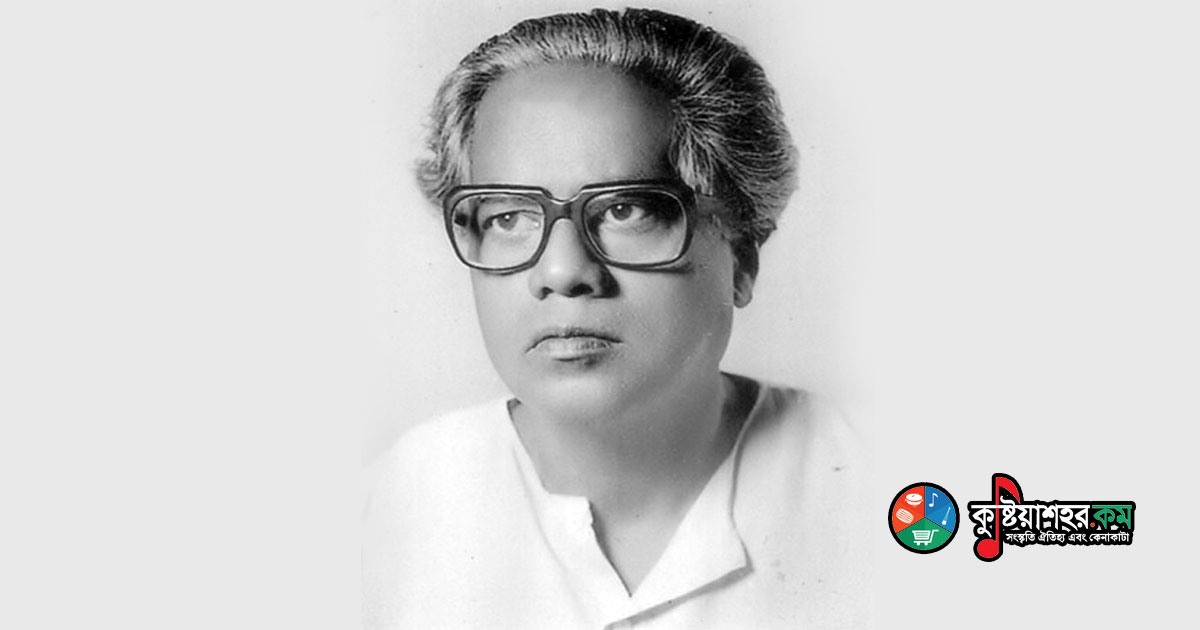
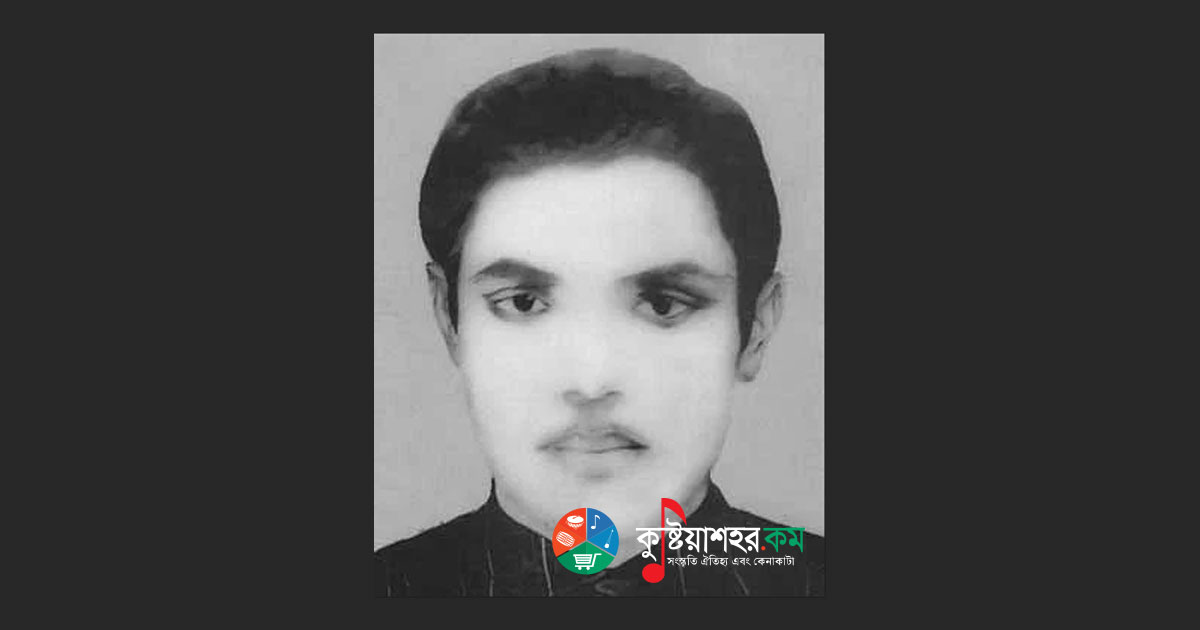
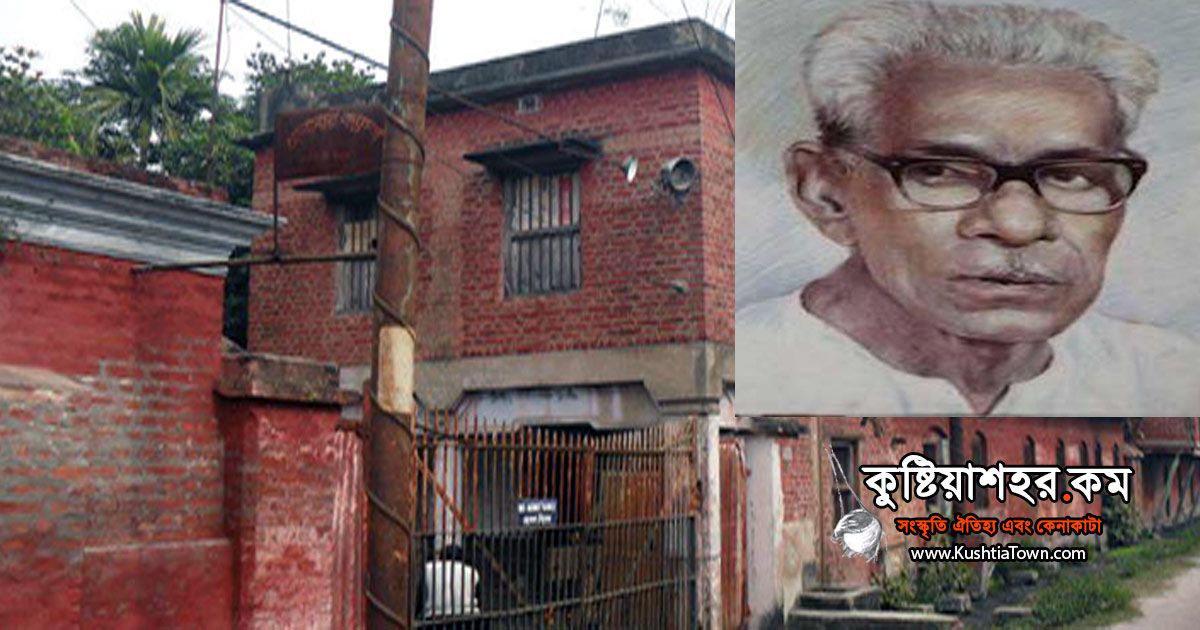
M. A. Rahim (born: 8 January 1931 – died: 7 September 1987) was the first, and twice successive, chairman of Kushtia pourashava (municipality) elected by the people's direct vote after the country's independence. It may be noted that in his personal life the amiable, benevolent and genial M. A. Rahim was the first elected municipal chairman of independent Bangladesh. On 8 January 1931 he was born into the family of the eminent social worker Jeher Ali Mondal and Moijan Nesa of Aruapara in Kushtia town.
From his childhood he was able to play an important role in social welfare and cultural activities. From the 1950s to the mid-1960s he was actively involved with the Mohini Mill stage and the Parimal Theatre. He also acted successfully in a number of plays of these two institutions. In the early 1960s he was the Rajshahi divisional representative of the 'Pakistan Jadukar Parishad' (Kushtia was then part of Rajshahi division). At that time, as a student of Pakistan's famous magician Aladdin, he performed magic shows on various stages of Kushtia.
Around 1960–61 he founded 'Mitali Parishad' as a library, cultural and social welfare institution. He was also general secretary of the Kushtia Transport Syndicate from 1964 to 1973, and public director of BRTC's Khulna division from 1975 to 1977. Along with being involved in social, cultural and traders' organisations, he was widely praised for discharging the responsibilities entrusted to him as a public representative.
From 1952 he served multiple terms as ward commissioner of the pourashava. He was also ward chairman of Milpara ward from February 1964 to March 1971, and in two terms, from 1974 to 1982, was the elected chairman of Kushtia pourashava.
After independence, while Kushtia town, like the rest of the country, was gradually being steeped in the touch of modernity, almost all classes of people here knew that pourashava meant M. A. Rahim. In the early days after the founding of Kushtia pourashava in 1869, during the British era, representatives of the 'lord sahibs' used to serve as the pourashava's chairmen.
Later, from among the town's notables, the locals would nominate one person by voice vote and send him to the district's highest official, who would seat him in the post of the municipal helmsman. This went on for a long time. Then, in 1971, after the country became independent through the great Liberation War, the Bengalis attained their rights. The war-ravaged country was for the time being run through a provisional administrative system to put everything in order, and Kushtia pourashava carried on as well. At the time of that voice vote, M. A. Rahim was a resident of Milpara ward, once the most bustling area of the town.
From his student days he devoted himself through various social-cultural organisations. Then came student politics. The anti-Pakistan movement and struggle, and above all the establishment of this town's cultural practice, came essentially from M. A. Rahim's family. For his father Jeher Ali Mondal too was a bearer of Bengali cultural practice; and on the maternal side the same identity is found. When there was no cinema, dish, CD or satellite entertainment, this family devoted itself wholeheartedly to stage plays, songs and various Bengali festivals and celebrations, providing the town's people with entertainment as well as cultural emancipation. M. A. Rahim grew up in this family.
Passing through childhood and adolescence, when he stepped into youth he saw the grandeur of cultural practice in a progressive family; nor did he stay away from it. At one point M. A. Rahim entered public service. He was elected commissioner of Milpara ward. Not for himself, but purely on behalf of the area's people, he represented them — from drinking water to the removal of sanitation problems — before the authorities at the town hall. In this way his popularity kept growing. In his successes, M. A. Rahim was elected commissioner of that ward several times in a row.
In 1973, under the Bangabandhu government's Representation of the People Ordinance, all local government institutions across the country — including pourashavas and city corporations — were brought directly under the people's vote. M. A. Rahim contested the Kushtia pourashava election with the hurricane lamp as his symbol. Winning an overwhelming vote, M. A. Rahim was elected the first elected chairman of Kushtia pourashava. From then on no one could overtake him. From then until 1982 he served Kushtia pourashava continuously as a popular chairman. In his time began the planned drainage system of Kushtia pourashava, mosquito eradication, streetlights and quite a few other development works. Not only that: in his personal life M. A. Rahim was an extremely benevolent, amiable and universally respected person. In this town you will not find a person who was ever hurt or saddened by his words or deeds.
On 7 September 1987 he passed away while under treatment at the PG Hospital in Dhaka. At his death he left behind his wife, two sons and two daughters.
His elder son Md. Akhtaruzzaman is a businessman and a director of The Chamber of Commerce and Industry, and the owner of Mondal Filling Station. The younger son Hasan Zaman Lalon was general secretary of district Chhatra League and a former GS of the students' parliament of Kushtia Government College, and he died in a road accident in Darjeeling, India, on 29 September 1996. Md. Rakibuzzaman Setu, a former director of The Chamber of Commerce and Industry, is his grandson.