বাংলা
 English

"Joy Guru" is two short words, yet there are many layers of meaning inside them. Some say it as a greeting, some in gatherings of devotional song, some at the start of a prayer. People of different traditions find different meanings in it. This article first looks at who says it and how, and then presents one Allah-centred philosophical reading of the phrase.
What does "Joy Guru" mean?
"Joy" means victory, glory and splendour. "Guru" ordinarily means a teacher or guide: one who leads people out of the darkness of ignorance towards knowledge and light. In its simplest sense, "Joy Guru" expresses the wish that the guide's glory, and the truth he points to, may prevail.
"Joy Guru" on the lips of every tradition
"Joy Guru" is not the exclusive expression of any single religion or community. People of many traditions use it according to their own faith and understanding.
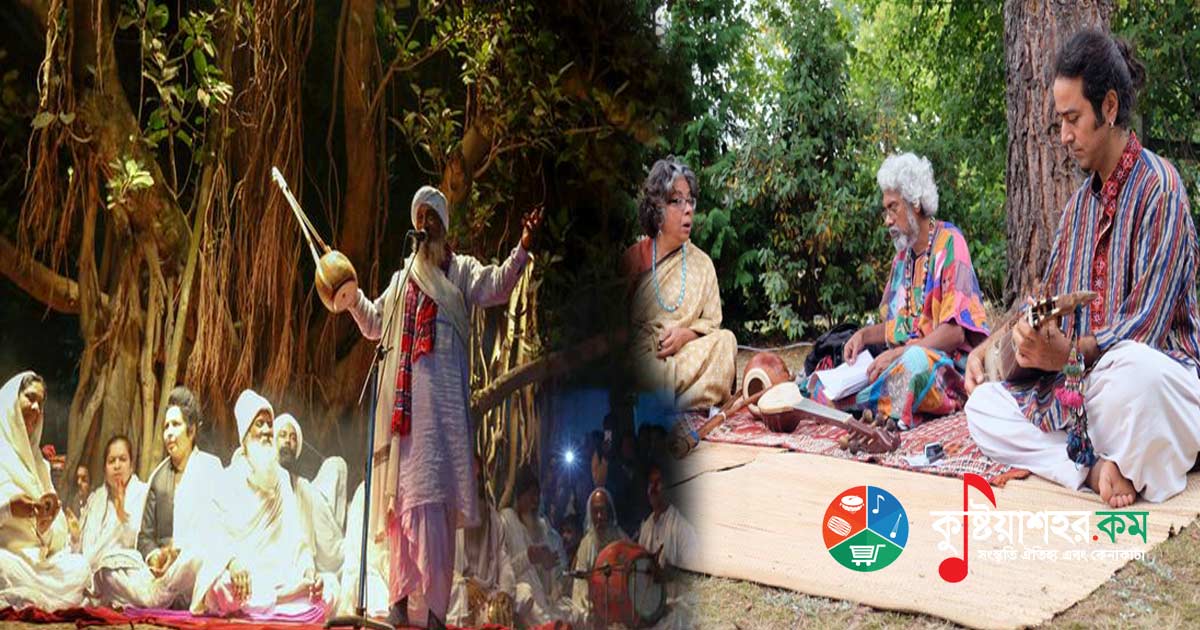
In the akhras of the Baul-fakirs who follow Lalon Sai, the phrase is heard in remembrance of the guru: at the gatherings of Chheuria in Kushtia, and at akhras in other parts of the country. Followers of Sri Sri Thakur Anukulchandra's Satsang family greet one another with "Joyguru". It is also heard among devotees of various guru lineages in Hindu society. The Sikh cry "Waheguru" likewise rests on the idea of the guru, though that is a religious term of their own.
The reason is simple. "Joy" and "guru" are words whose meaning is not tied to any one scripture or doctrine. Respect for the giver of knowledge, gratitude to the guide, the wish for truth and goodness to prevail: these feelings exist in almost every society. So one person hears "guru" as the murshid or guide on the spiritual path, another as an ideal great soul, another as a teacher, and another as the Creator himself, the true guide.
An Allah-centred reading
Because the phrase belongs to no one, each believer may look for its meaning in the light of his or her own faith. In that light, "Joy Guru" can become an expression of reverence for the glory of the Almighty Creator, Allah, for his ideal and for the path of truth he has shown. Whenever people have lost their way, Allah has sent prophets and messengers, and through them people have received the teaching of truth, justice, the oneness of God and the right path.
One point must be made clear here. This is only a proposed philosophical interpretation. It is not an established term of Islam or a recognised form of dhikr, and Allah's names and attributes are determined by the Quran and the Sunnah. The recognised words for praising and glorifying Allah are "Alhamdulillah", "Allahu Akbar" and the other dhikr rooted in the Quran and Sunnah. This piece is no substitute for those; it is simply one reflection.
The true measure of greatness
Greatness is measured by ideals, character and deeds, not by popularity or the number of followers. Truthfulness, justice, kindness, forgiveness, honesty and standing against wrong: a life in which these qualities shine becomes a light for others. One who calls people to truth should carry the mark of truth in his own life. One who speaks of humanity should have compassion for people.
This measure applies to every guide and points at no particular person. The greatness of a great person lies not in personal power but in loyalty to truth and justice.
The role of the prophets and messengers
According to Islamic belief, Allah sent prophets and messengers to different peoples in different ages. Their task was to call people to worship the One God, to follow the truth and to live a life founded on justice. They did not come to establish their own greatness; they came to deliver the word of Allah. From their lives people learned to stand against injustice, to stand beside the weak, and to put aside pride and be humble.
In Islamic belief the right to worship and to ultimate obedience belongs to Allah alone. Honouring a guide is one thing; placing him on the seat of worship is another.
Victory comes from Allah alone
People struggle for truth, stand up against injustice and work for the welfare of others. This takes effort, courage and patience. But according to Islamic belief, ultimate help and victory come from Allah. The Holy Quran says:
وَمَا النَّصْرُ إِلَّا مِنْ عِنْدِ اللَّهِ
Meaning: "And victory is only from Allah." (Surah Al Imran, verse 126; the same phrase also appears in verse 10 of Surah Al-Anfal)
A person's duty is to do good, to stand with the truth and to remain steadfast on the path of justice. The outcome depends on Allah's will, so there is no room for anyone to think of himself as the owner of victory. Victory belongs neither to one person's pride nor to the sole credit of any group.
May the ideal prevail, not the person
History has known many sages, preachers and reformers who brought good change to people's lives. They are remembered for the truth, justice, humanity and welfare they taught and left behind.
There is nothing wrong in loving or respecting a person, or in learning from him. But rather than judging truth by the person, we should judge the person by the light of truth. This outlook keeps people away from pride and narrowness and leads them towards self-purification and moral life.
Conclusion
The aim of human life should be to follow the truth, establish justice, serve humanity and win the pleasure of the Creator. One may be a guru, another a sage, another may earn a place in people's hearts as a great soul. But above them all stands Almighty Allah.
So let there be no hymn to any person and no claim of any group's superiority. May truth, humility and justice prevail, and may ultimate victory come from Almighty Allah alone.