বাংলা
 English
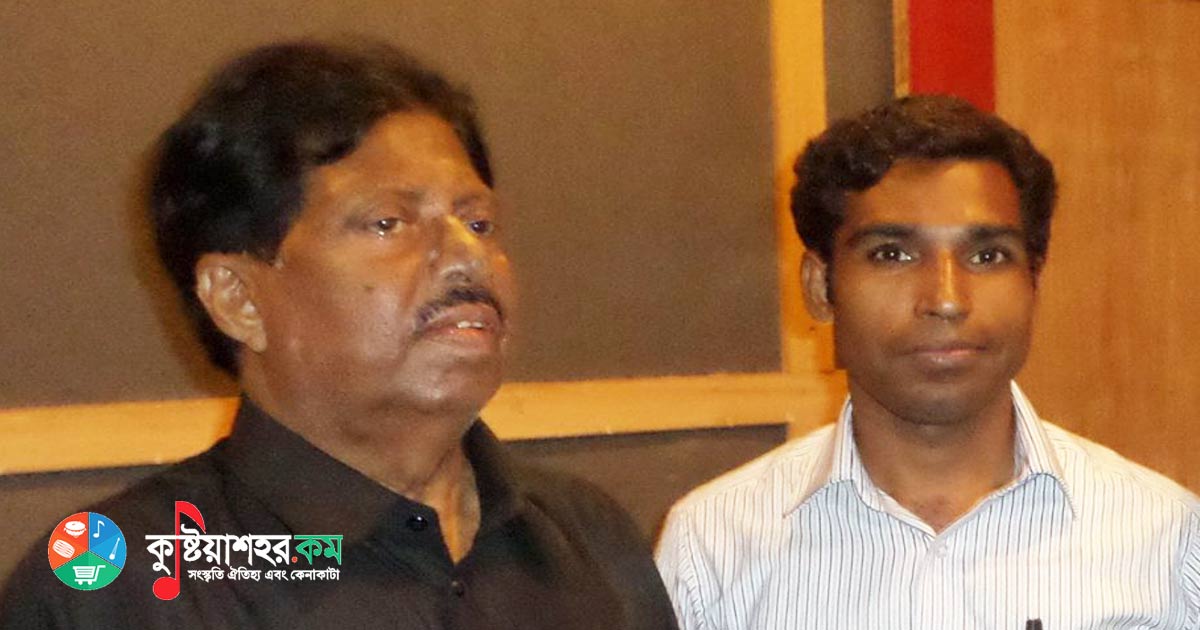
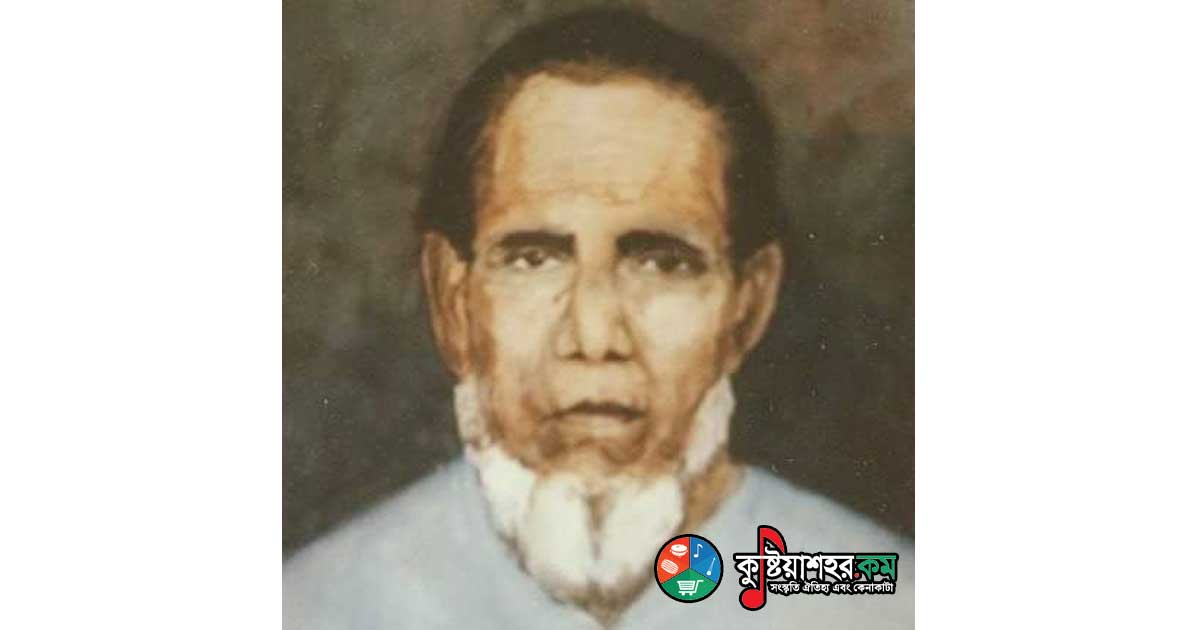
With the passing of Abdul Jabbar, legend of Bengali song and a voice-soldier of the Swadhin Bangla Betar Kendra, a shadow of mourning has descended on the world of music. Reminiscing about the artist is lyricist Amirul Islam, who wrote the words of his only album. Amirul Islam is one of the creative lyricists of the present time. It was 15 November 1979, in Kushtia, the pastoral land of Lalon. Growing up in the lap of Kushtia's lush, gentle nature, cradled by the Padma and the Garai, Amirul Islam felt from childhood a powerful pull toward music and a deep love for it.
Out of that love he did a little writing now and then. Who could have known then that one day Amirul Islam would stand as a witness of time as the lyricist of the only album of original songs of Abdul Jabbar, legend of Bengali song and voice-soldier of the Swadhin Bangla Betar Kendra.
He whose intoxicating vocal artistry cast a spell over countless listeners, whose full-throated magic ushered in a golden age in the history of Bengali song — he is the artist Abdul Jabbar. I met him in 2008. After my song 'Ekhane Amar Padma Meghna' was recorded in his voice, he expressed the desire to make an album. One by one I composed the remaining songs of the album. I wrote a song about his artistic life. The song said — 'Even if you do not like me, you will like this song of mine.' Seeing the song, Jabbar bhai was overcome with emotion and said, 'It is not only me. You have written what is in the heart of every artist.' He had said the same at the show 'Amar Joto Gan' broadcast on Channel TwentyFour. After singing the song on that programme, in his reaction he said, 'When, after my death, I am carried on shoulders to the Shaheed Minar, let this song too be played along with my song Salam Salam Hazar Salam.' That wish of his, of course, remained unfulfilled.
Composer Golam Sarwar bhai composed the tunes of the songs. In 2009 the album's work was finished. The album was named 'Ma Amar Mosjid, Ma Amar Mondir'. Under this title the Daily Star, the daily Manabkantha and some other national dailies published news of the album. Although Jabbar bhai went on singing the album's songs on Bangladesh Television and various other channels, he showed no interest at all in releasing the album. Time kept slipping by. I too kept waiting. His health was not doing too well. One day I went to his home at Bhuter Goli and spoke to him about releasing the album. He agreed. The album's name was changed. Echoing his song 'Ore Nil Doriya', the album was renamed Kothay Amar Nil Doriya. At last, in April this year, after a long wait, the album was released online under the title 'Kothay Amar Nil Doriya'. Thus was created Abdul Jabbar's only album of original songs. I have become joined to this work of his for a lifetime.
The last of Jabbar bhai's songs about Bangabandhu — and 'You Are the Heart of Bangladesh' — were written by me. A few days before his death he had asked me to write another song about Bangabandhu —
'Bangabandhu, I saw you,
I saw the Liberation War
you drove out the jackals and cleansed the soil'
— that is the kind of song I had written. But in the end the song was never recorded. Working on the album, I came to know Abdul Jabbar from very close quarters. Throughout Abdul Jabbar's being there was an utterly pure, unalloyed love of country. And drawn by this mighty love of country, he scowled at death and thundered in a glowing voice on the battlefield of 1971, saying 'Joy Bangla, joy Banglar joy'. For the newcomers he is a great inspiration, a rare ideal. He would almost always tell me, 'Amirul, do not give up writing songs. Poet Nazrul went hungry, starving, and wrote his songs.'
In the present decade it is perhaps I alone who had the opportunity to become close to Abdul Jabbar. From our introduction until his death I remained by his side. Through this long time countless memories of mine are entwined with him. Sometimes in the studio, sometimes on BTV, sometimes at his own home. Searching through that procession of memories, with eyes brimming with tears, I grope only for him. By nature's inexorable rule, Jabbar bhai has bid a final farewell to this world. A born artist never dies. He was in this Bengal, he is here, he will remain. Even today his ever-familiar voice resounds in the skies and air of Bengal —
'A thousand years later
I have come back again
I stand in the heart of Bengal'.
Even from lakhs of koti yojanas away, piercing the deepest black darkness, he blazes like a polestar in the sky of Bengali song, and will blaze on, age after age. Even now, if I listen closely, I can hear him as if he is telling me, 'Amirul, write songs for me.' I shall never write a song for him again. In grief and sorrow, drenched in tears, my pen wants to stop again and again.
Reminiscence by Amirul Islam — lyricist and teacher
KushtiaShohor.com prays for the forgiveness and salvation of the soul of the voice-soldier Abdul Jabbar, and hopes that lyricist Amirul Islam will keep gifting us with ever more beautiful songs.