বাংলা
 English

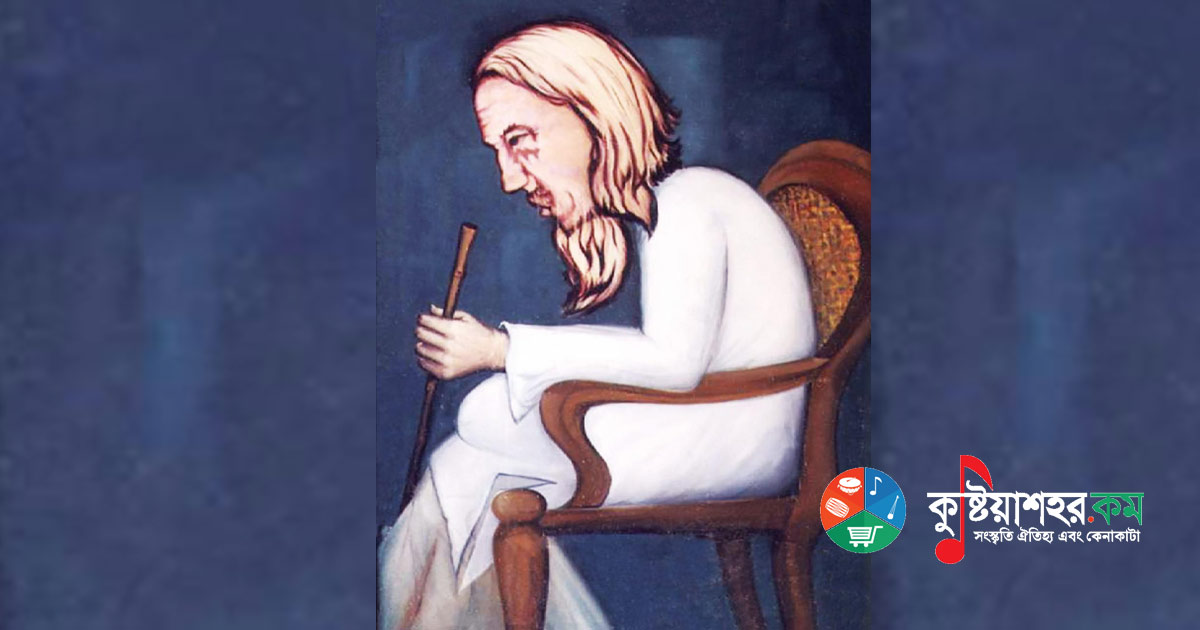
He told his disciples, I am leaving. Lalon lay at rest with a lump of camphor held in his fist, and the disciples sat on the floor. At one point, moving the camphor from his forehead aside, Lalon said, I will sing you my last song.
Lalon began the song, a song of profound, matchless beauty —
Carry me across, O merciful Moon.
Forgive my offences
in this prison of the world.||
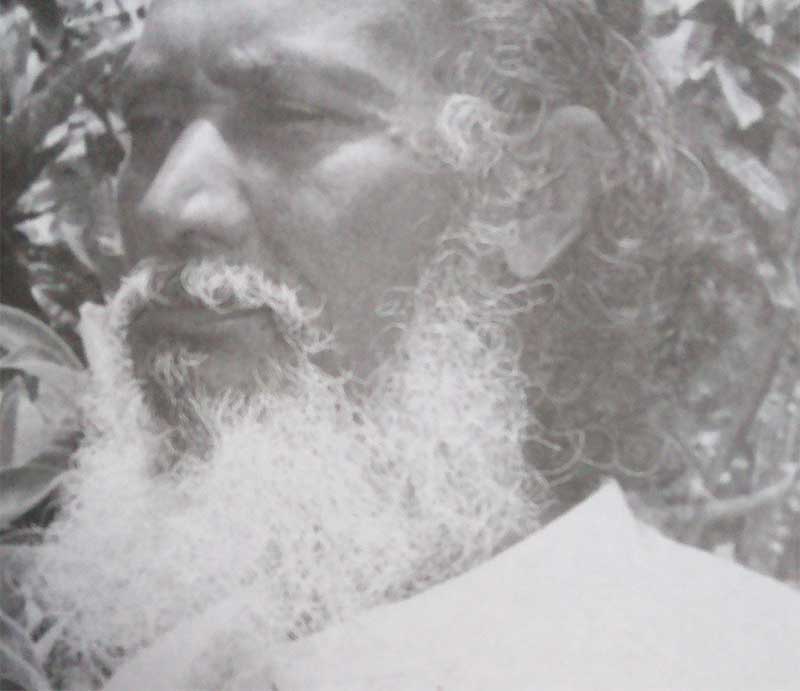
The song ended, and fakir Lalon fell silent forever, the lump of camphor in his fist. The year of fakir Lalon's birth is not known; he died on 1 Kartik 1297 of the Bengali calendar, corresponding to 17 October 1890, and he lived 116 years.
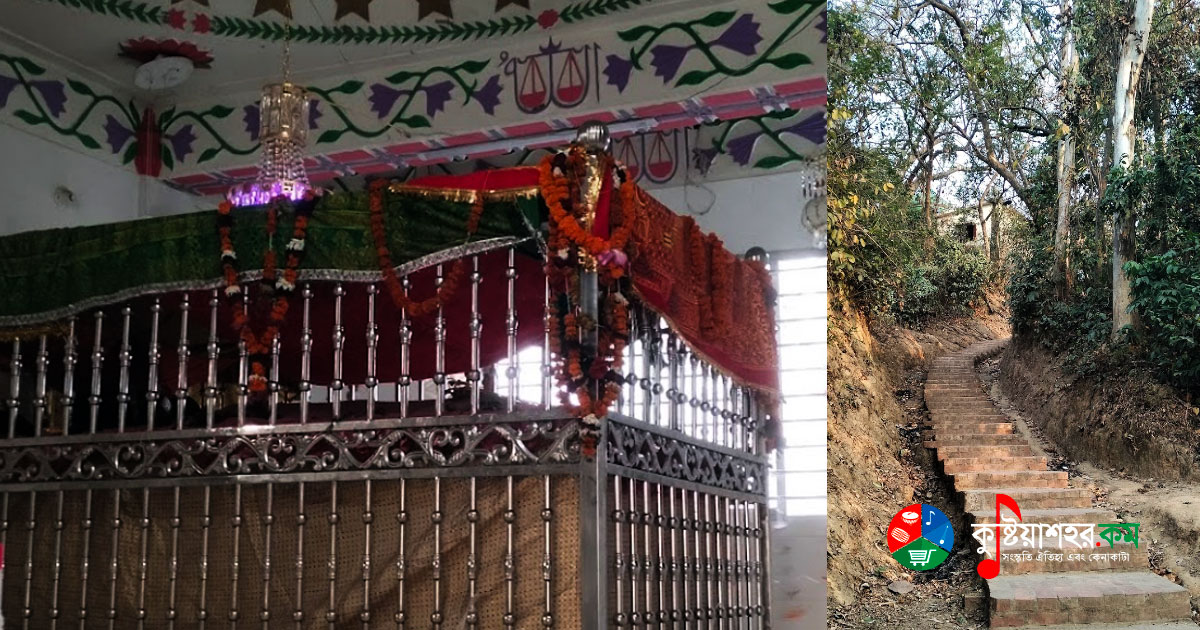
By that reckoning he was born in 1774. At Cheuria lie the tombs not only of fakir Lalon but of his foster mother Matijan Firani, his foster father fakir Molom Shah, fakir Pandit Manik Shah, Shital Shah, Bholai Shah, Bishkha Firani, fakir Moniruddin Shah, and many of his fellow-spiritual successors besides.
Every year on 1 Kartik thousands of Bauls from home and abroad gather here to observe the anniversary of his death.
Shortly after Lalon's death, on 31 October 1890, an objective article titled 'Mahatma Lalon Fakir' was published in the fortnightly Hitakari paper, edited by Kangal Harinath Majumdar and published from Rahinipara of Kushtia. Reading the article one obtains a clear description of the way of life of Lalon and his disciples.
The author of the article wrote,
'In this region no one is left who has not heard the name of fakir Lalon. We have seen him with our own eyes and, through conversation with him, have grown deeply fond of him. It is heard that he has more than ten thousand disciples across the whole of Bengal. Not far from Kushtia, in the village of Cheuria on the banks of the Kaliganga, stands a beautiful Akhra of his.
The Akhra has no more than fifteen or sixteen disciples. Of the disciples, two named Shital and Bholai he loved like his own sons; the other disciples he did not love any the less. He lived at the Akhra with his wife. According to the religious tenets of the community, no offspring is born to him. Many of the disciples too have wives, but children are not born to them. Recently a new community of this persuasion, known as Sadhu-seba, has come into being. The disgrace that we see in the Sadhu-seba and the Baul company — Lalon had nothing of that kind.
Lalon was far removed from all base deeds, and he appears to have been conspicuously elevated in his religious life. Fakir Lalon had a great abhorrence of falsehood and deceit. He himself did not know reading and writing, yet hearing the innumerable songs he composed one takes him for a most learned pandit.
It is difficult to find any material for writing his biography. His disciples, perhaps held back by his prohibition — or else being simply unacquainted — can tell hardly anything. On his face was the mark of smallpox.'