বাংলা
 English
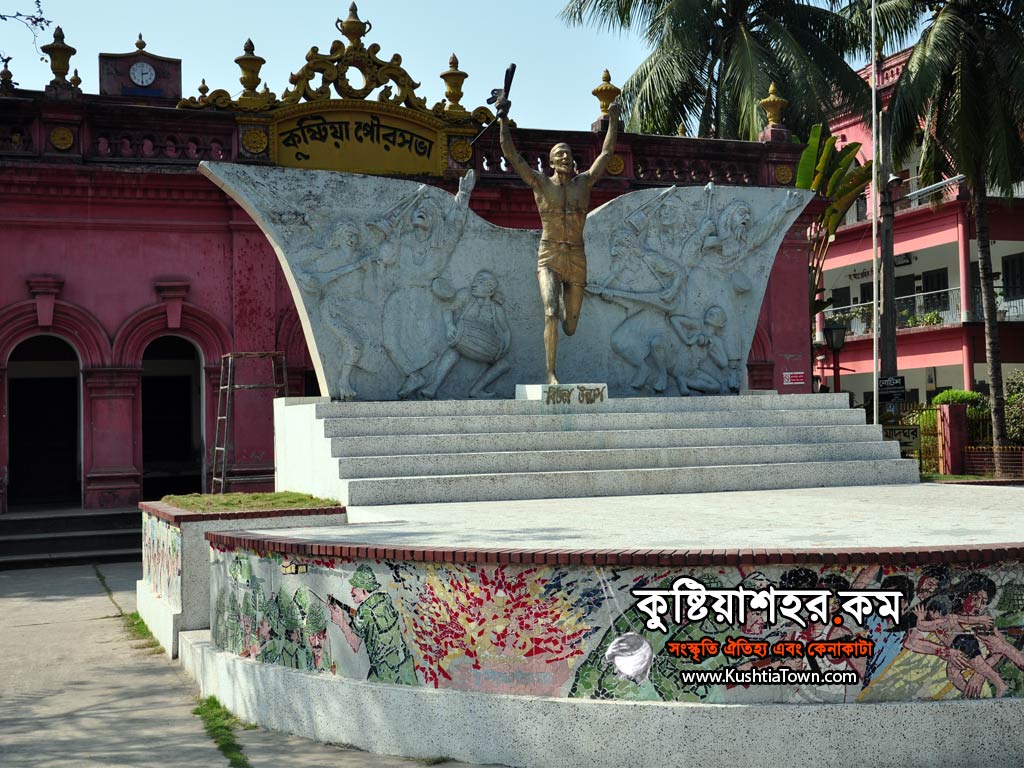
History of Kushtia Municipality
In the days of the Company, Kushtia was under Jessore district. In order to protect the Kushtia thana — which stood on the other bank of the Chaltedah (the present-day Gorai river), at the mouth of Talbaria on the north-western edge of Dakdah — from the devouring grip of the Padma, and with the aim of putting in good order the British administrative system, which had been left unsettled in the aftermath of the Indigo Revolt, the thana was shifted to the north-eastern part of the village of Majampur.
The area, centred on the new thana, came to be known thereafter as Kushtia, and it was here that the sadar office of this subdivision town was built. Until 1856 the Kushtia thana was under Pabna district of the Rajshahi division; in 1861 Kushtia became a subdivision, and in 1863 this subdivision was included in Nadia district of the Nadia division.
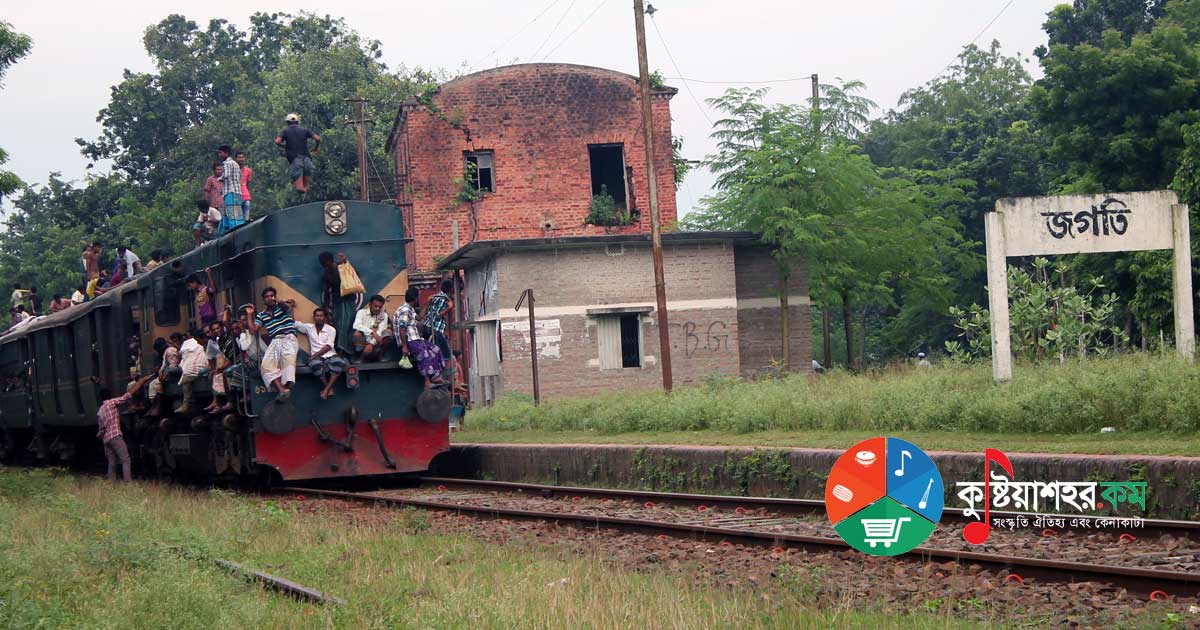
Later, in 1868, a municipal act was passed for the preservation and development of the semi-urban and economically backward areas of undivided Bengal. Under that act the Kushtia municipality was founded on 1 April 1869. At the beginning, the municipality's area was nearly twice as large as it is today. The Kushtia municipality was formed out of the villages of Majampur, Baradi, Mangalbaria, Harekrishnapur, Kamalapur, Udibari, Jagati, Chourhas, Aruapara and Bahadurkhali. Later on (about a decade afterwards), as Mangalbaria, Harekrishnapur, Udibari, Baradi, Jagati, Chourhas and a part of Majampur came under the local board, the Kushtia municipality shrank in size. Almost a hundred years later (in 1981) the municipal area was expanded again: North Lahini, Harishankarpur, Kalishankarpur, the Housing Estate and a part of Chourhas were added.
At first the municipality was run by people nominated by the government; the then assistant magistrate and collector F. W. Grible was the first administrator of the Kushtia municipality. But the municipal act of 1884 introduced elections — although not everyone could become a voter. Male taxpayers living in the municipal area (for at least one year) and aged at least eighteen could become voters under special conditions. Women at that time had no right to vote. Under the third act of 1884, the responsibility for works of public benefit in the municipal area — education, health, roads and the like — was placed upon the municipality. As a result, in order to raise the necessary funds, the municipality could collect taxes and fees under such heads as houses and land, animals and vehicles, professions and business, water supply, street lighting, conservancy, personal tax and miscellaneous items.