বাংলা
 English
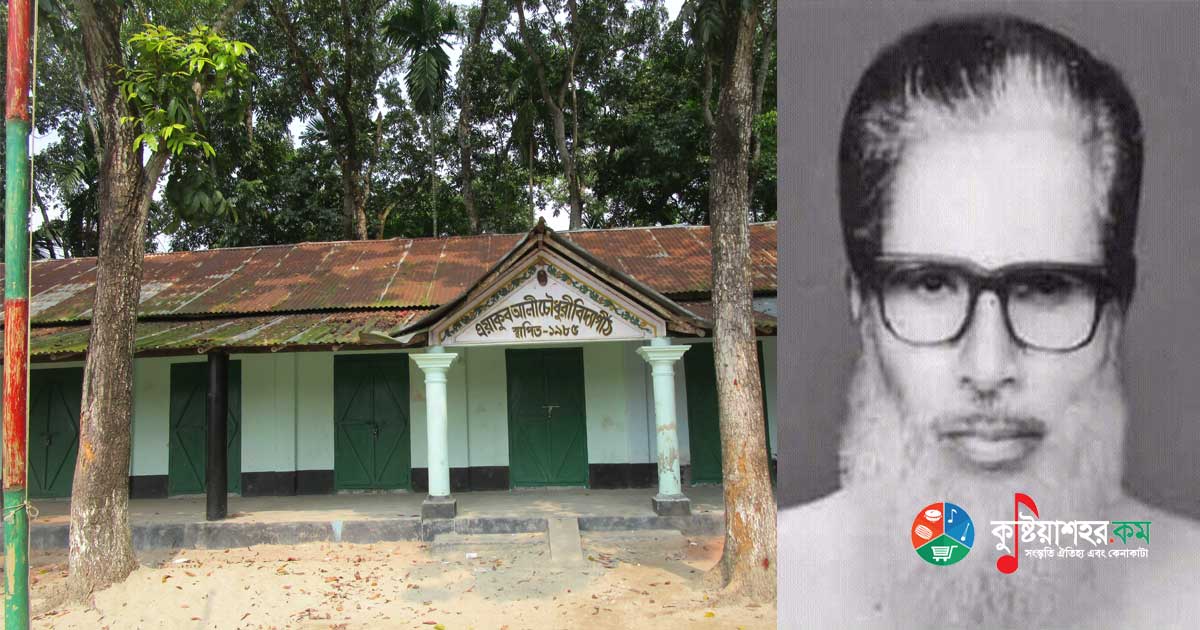
Mohammad Eyakub Ali Chowdhury (born: 1888, died: 15 December 1940), commonly known as the littérateur Eyakub Ali Chowdhury, was a writer and journalist of the Bengali language. He made the backward Muslims pioneers through educational reform.
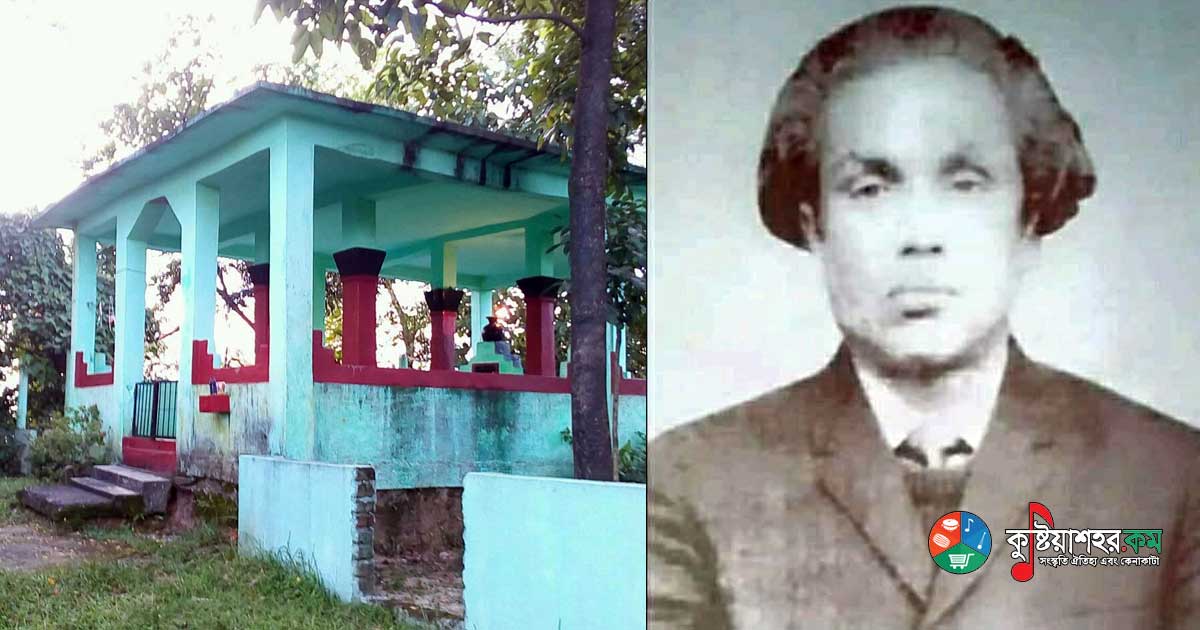
He was born in the village of Maguradanga in Pangsha of Rajbari district on 18 Kartik 1295 (1888). His father was the police officer Enayetullah Chowdhury. He passed the ME from Pangsha High School and the Entrance from Suryakumar Institution of Rajbari. Although he was admitted to Presidency College in Calcutta, he was compelled to give up his studies when his eyesight weakened during the BA classes.
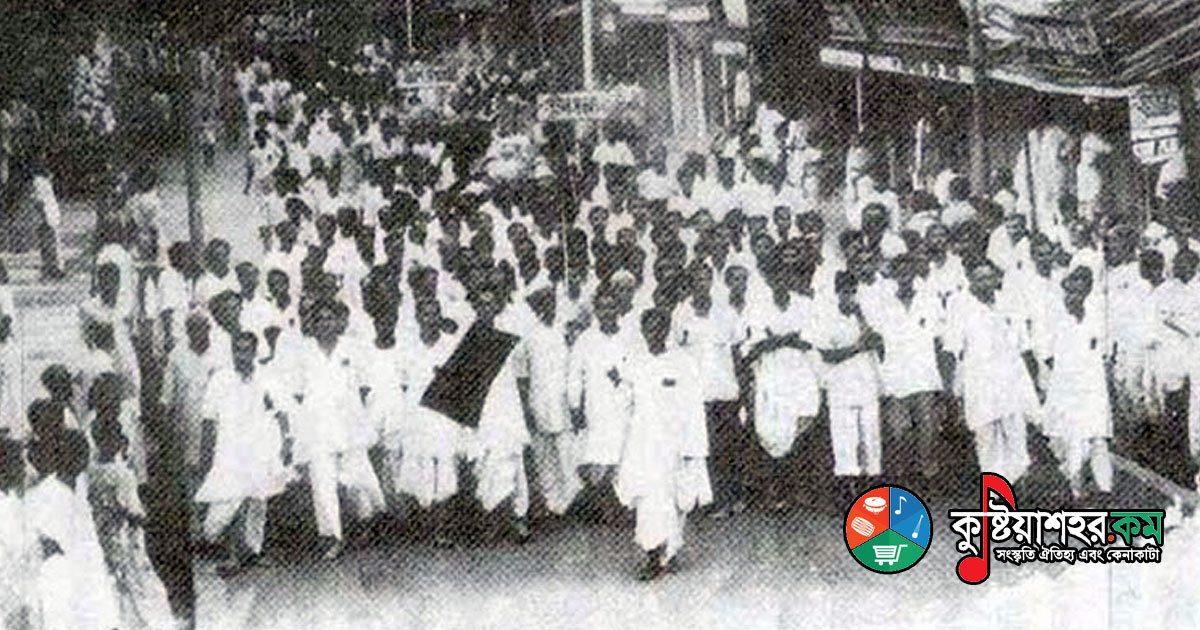
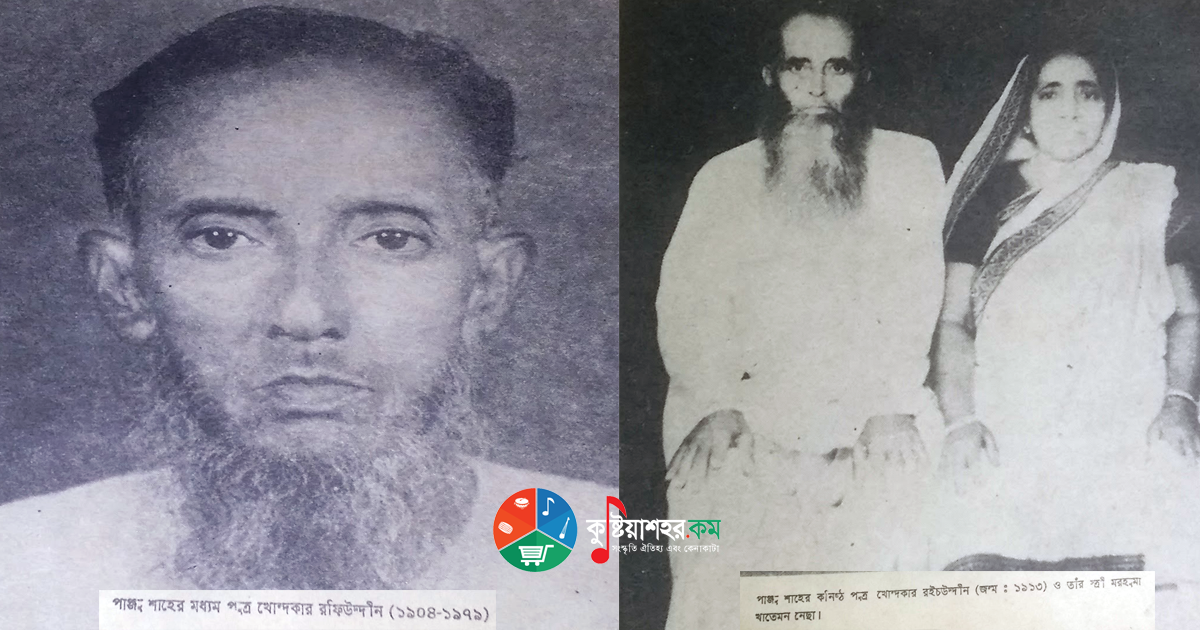
While studying at Presidency College, when his own elder brother Rowshan Ali Chowdhury, editor of the monthly literary magazine Kohinoor (1305-1308, 1311-1313, 1318-1319 and 1322), fell ill and became incapacitated, he took over the editorship of that magazine. In 1914-15 he taught at Jorwarganj High School in Mirsharai thana of Chittagong district. He then joined Suryakumar Institution in Rajbari as a teacher. While teaching at Pangsha High School in 1920-21, he joined the Non-Cooperation and Khilafat movements and, as a result, suffered imprisonment at the hands of the British government. After his release from prison he resigned from teaching, went to Calcutta, and joined journalism with his elder brother Aoulad Ali Chowdhury. He was one of the founders of the Bangiya Mussalman Sahitya Samiti (4 September 1911). He also served as secretary of this samiti for several years. He was joint editor of the samiti's monthly journal Sahityik (1926). Edited jointly by Eyakub Ali Chowdhury and the poet Golam Mostofa, it was published for about a year. Upon the untimely deaths of Rowshan Ali Chowdhury and Aoulad Ali Chowdhury, Eyakub Ali took responsibility for their families. Plunged into grief, sorrow and poverty, he was stricken with tuberculosis at the age of only 47-48. In the last four-five years of his life he lived like one dead at his village home. Two years before his death, the Bengal government granted him a literary stipend of 25 taka per month.
He was a powerful artist of Bengali prose. Islamic philosophy and culture were the main theme of his writings. The forcefulness of his assertions, the sweetness of his language and the gravity of his thought make his works deserving of special esteem. He believed in Hindu-Muslim amity. In the early twentieth-century debate over whether the mother tongue of Bengali Muslims was Bengali or Urdu, he championed the Bengali language. He was also renowned as an orator.
Published Books
The number of his published books is 3. In the book Nurunnabi, Rabindranath's words of praise have been appended.
- Dhormer Kahini (1914)
- Nurunnabi (1918)
- Shantidhara (1919)
- Manob Mukut (1922)
In addition, the Bangla Academy published a book named Eyakub Ali Chowdhury Aprakashito Rachana (Eyakub Ali Chowdhury's Unpublished Writings). Its editor was Aminur Rahman.
A lifelong bachelor, Eyakub Ali was of shining character and a standard-bearer of justice. Stricken by severe financial hardship and tuberculosis, he spent the last part of his life at his village home. He died on 15 December 1940.