বাংলা
 English
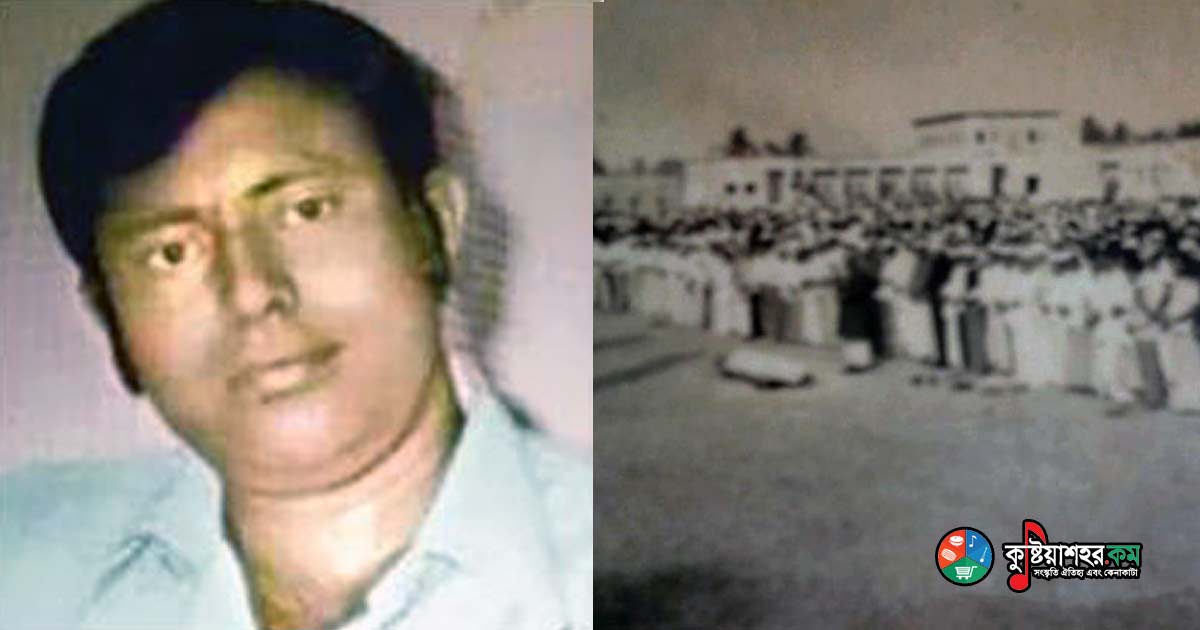
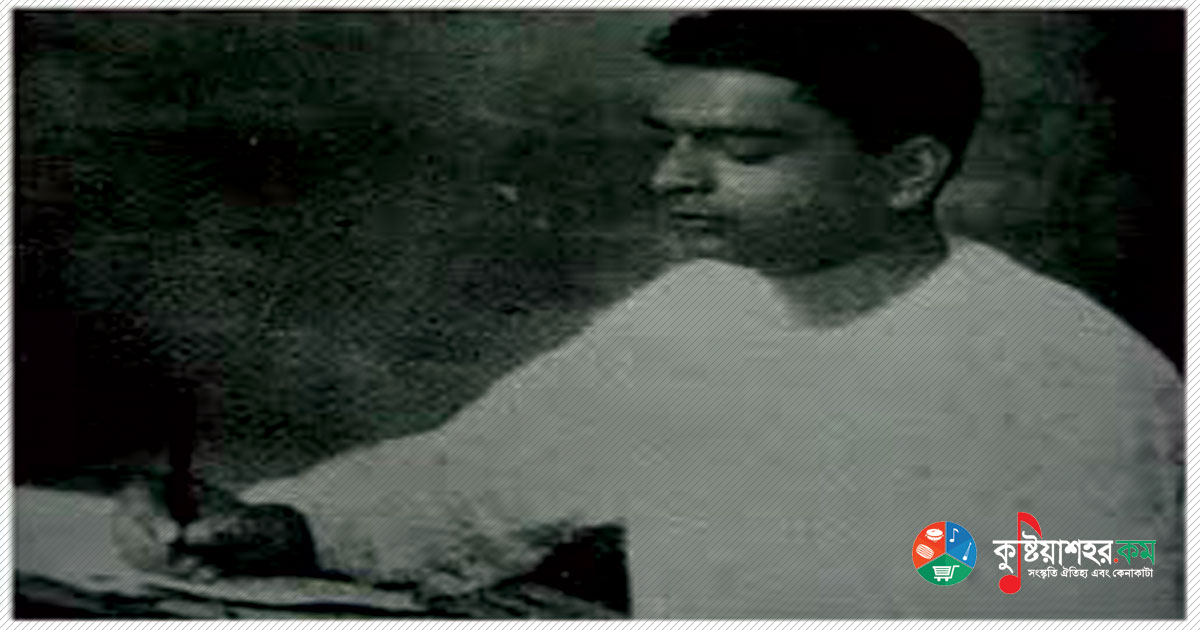
Raju Ahmed (born 1939 - died 11 December 1972) was born on 28 Baishakh 1348 of the Bengali era at Amlapara in Kushtia. He was not only a powerful actor; as a freedom fighter he also played an outstanding role in the resolve to free the motherland, and on the other hand he was a painter.
Mad about theatre, Raju established himself as a capable actor within a short time. A holder of a Bachelor's degree in Fine Arts, Raju was compelled by the demands of life to live in the then West Pakistan. This popular villain of the cinema of the sixties acted in quite a few plays in Karachi under the name Masud Khan. While staying in Karachi he also drew everyone's attention by staging Bengali plays there with the Bengalis. Returning from Karachi, he came back to Kushtia again. His profession was a life-insurance job, and his passion was theatre.
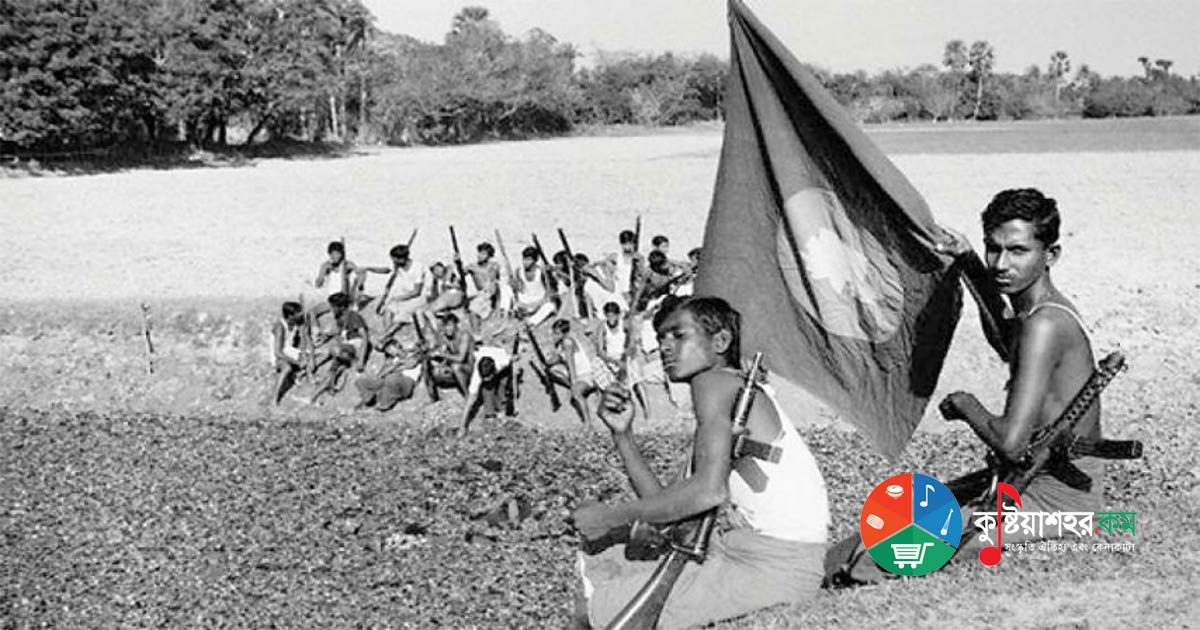
In those days Raju Ahmed's acting on the stage created such an impact that spectators would imitate his diction after watching the plays. Razzaq and Kabari were then at the height of their popularity. At just that moment this unconventional villain arrived in Bengali cinema. Then came participation in the Liberation War in 1971. After independence he began working in films again. This actor, beloved of the audience, did not confine himself to cinema alone; at the same time he held equal sway over radio and television.
On television, his acting in Kazi Nazrul Islam's play Rakkhushi was such that no one was able to match it in the later period. Not only an actor in heart and soul — all the qualities of a good human being were present in Raju Ahmed. No arrogance could touch Raju, the pride of Bengali cinema.
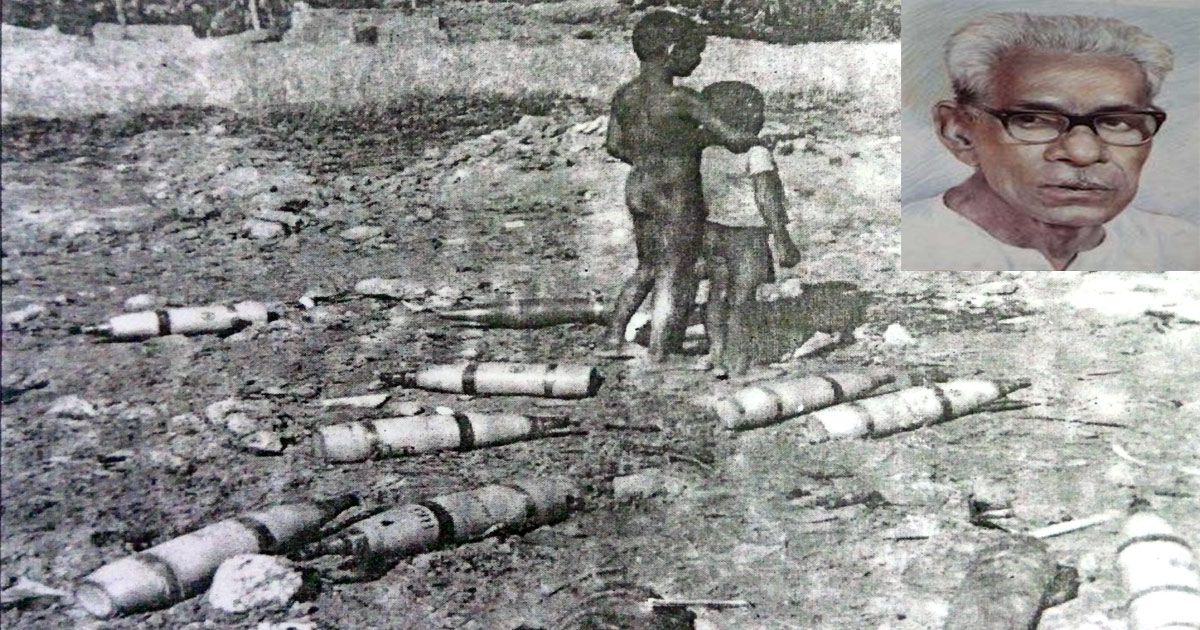
By the merit of his own talent Raju Ahmed rose beyond the boundaries of the country to become an international artist. The brave freedom fighter Raju Ahmed was a sound soldier of the battlefield. He acted in the role of the executioner Yahya Khan in the play 'Jallader Darbare' (In the Executioner's Court), broadcast by Swadhin Bangla Betar Kendra. His full-throated voice in that play gave courage and strength to the freedom fighters of that time. Raju Ahmed's father Khandaker Lutful Haque was a classical musician, a lawyer and a theatre personality. His mother was a treasury of virtues. All his brothers and sisters are established in their respective fields.
Raju Ahmed, a man of extraordinary talent, wanted to turn 'Jallader Darbare', the popular program of Swadhin Bangla Betar Kendra that he had performed in, into a film in the free and independent country. Its maharat (clap) ceremony was held at the FDC under the direction of Abdullah Al Mamun. To request his working in that film, they went to the house of Shiuli Ahmed, along with the director Kalyan Mitra. After finishing their conversation, they were returning home around 8 o'clock at night. But local Babla and Parot and several others had long been lying in wait at that place with weapons in hand. Seeing Raju Ahmed, the weapons in their hands bristled. They opened fire. Raju Ahmed, Kalyan Mitra and their rickshaw puller were shot. On 11 December 1972 the hot bullets of these human hyenas left the vigorous 33-year-old young man's body torn apart. He collapsed on the road. A short time later he died. Kalyan Mitra, shot in the hand, survived. Wounded, Kalyan Mitra was able to take the shot rickshaw puller to the hospital. The indiscriminate firing by the armed men spread a reign of terror across the whole area. Having committed the incident, the armed men were quickly able to flee the scene. His janaza was held at the Kushtia Muslim School ground on 12 December 1972, and thousands of people of Kushtia took part in it. Later he was buried in their family graveyard.
The theatre-mad actor's death too, it seems, occurred in a theatrical way. When news of this horrific murder spread, people were stunned. The cultural arena rose up grief-stricken. In post-independence Bangladesh this was the first killing that shook people so deeply.
That night, at around 10 o'clock, Raju Ahmed's younger brother Aminul Haq Badsha, the press secretary of Bangabandhu, himself recovered his brother's body and took it to Bangabandhu's house. Having committed the incident, the armed men were quickly able to flee the scene.
After the murder of Raju Ahmed, the police began an investigation. But because of negligence the investigation did not move forward. Raju's near and dear ones never got justice for his killing. Later the case was transferred to the CID. Khan Mojlish was the investigating officer of this case. During the Zia government, under martial law, the murderers Babla and Parot were arrested. Serving only four to five years in jail, they walked free. Raju Ahmed's brother says: the man who, in the great Liberation War, played the executioner's role in 'Jallader Darbare' and unmasked Yahya never got justice even for his own death.
Raju's murderers were never tried. After killing Raju, those same killers murdered the actress Shiuli Ahmed as well. In 1973, after shooting Shiuli Ahmed dead, the armed men poured acid over her body. Even now, people shudder at the memory of these two killings, one after the other.
Our misfortune: Raju Ahmed met an unnatural death at a very young age. We lost Raju Ahmed just when he had found the way to the highest peak of his powers as an actor and had begun the climb toward it.
Notable films acted in by Raju Ahmed:-
- Balyabandhu
- Padma Nadir Majhi
- Mishor Kumari
- Kanch Kata Hire
- Smritituku Thak
- Amar Jonmobhumi
- Kancher Sorgo
- Oshanto Dheu
- Duti Mon Duti Asha
He was not only an actor; he was also a painter. Raju painted pictures. Before the country became independent, one of his paintings won an award at an art exhibition held in Karachi. After Raju was killed, his unfinished dubbing was completed with the voice of Darashiko.
Falling victim to a violent world in pitch-black darkness, Raju Ahmed was lost before his time. He left behind his bold, bright footprints on the path of art and culture. Today we have forgotten the actor and freedom fighter Raju Ahmed. In the everyday struggle of making a living, Raju Ahmed is absent today. Yet at special times and on special days, his memory still cannot help but pain us.
The renowned actor Raju Ahmed has to this day received no posthumous award. No government assistance has been arranged for Raju's family. Raju Ahmed's wife struggled alone to keep their three children alive, and today she too is dead. Raju Ahmed has not been lost. He is alive, and he will live forever in the hearts of the Bengali people.