বাংলা
 English
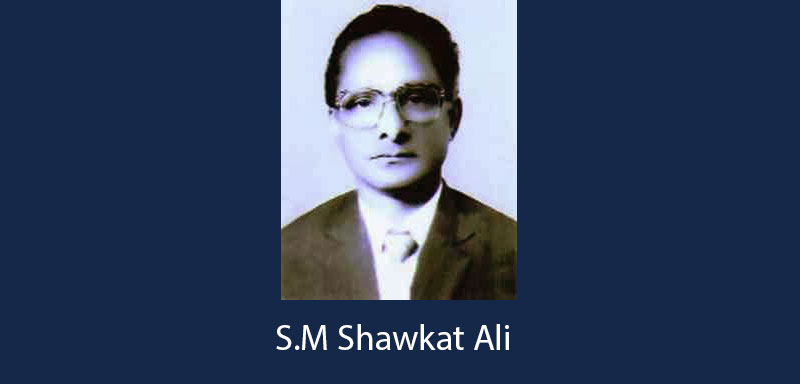
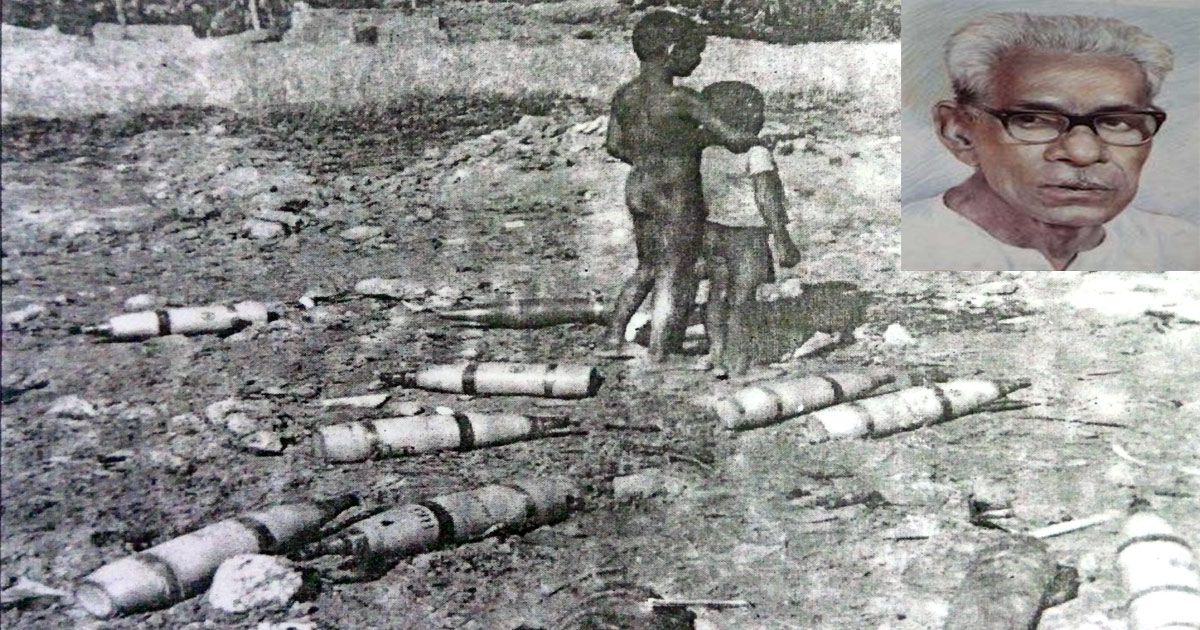
S. M. Shawkat Ali (born 31 October 1939, died 26 December 2001) earned wide renown by writing the history of the soil and the people of Kushtia. He introduced Kushtia to people at home and abroad, and for that reason the people of Kushtia take pride in him. He is the eminent writer and historian S. M. Shawkat Ali.
The book he wrote, The History of Greater Kushtia, still plays an important role in tracing the region's history and heritage. Throughout his life he was known in Kushtia town as a special cultural figure and a good orator. He wrote countless essays, articles and poems in his lifetime, which were published in the various papers published from Kushtia at that time as well as in national newspapers.
This eminent man is known by one name as the author of the two books Kushtiar Itihas (The History of Kushtia) and Kushtia Jelay Islam (Islam in Kushtia District). He was a teacher.
Among the accomplished sons of Kushtia who quietly contributed much for Kushtia, S. M. Shawkat Ali is one of them. Not only as a teacher but also as a human being he was sociable and free of arrogance. His thoughts, reflections and ideas were largely occupied with Kushtia.
In his endeavor to present the history and heritage of Kushtia — which has faded in the flow of time — before the new generation, the people of Kushtia will remain forever indebted to him. He devoted himself precisely to holding Kushtia up before everyone.
He took his students into his affection like his own children. He made many of them attentive to their studies. Had they gone astray, they might perhaps have been lost in some dark world; he turned the course of their lives around. His countless students are spread across the whole country, and some have gone abroad.
This man of generous spirit and secular heart was born on 31 October 1939 in Ambaria village of Khoksa thana (present), then Kumarkhali of the former Nadia district.
Education:
From childhood he was extraordinarily talented. As a student of Sengram in Kumarkhali, he secured first position in the Khulna division in the primary scholarship examination. He passed his SSC in 1956 from Kushtia Muslim High School with letter marks in history. He passed his HSC in 1958 from Kushtia Government College, and from the same college he passed the BA examination under Rajshahi University in 1961. Around that time he was elected VP of the college students' union. He obtained his B.Ed. from Rajshahi Teachers Training College in 1969, and in 1972 he passed the MA examination in Bangla from Rajshahi University.
Career:
He began his teaching career at the Mohini Mohan Bidyapith School established by the industrialist Mohini Mohan. He taught there for nearly ten years with great competence and reputation. He then joined Kushtia Zilla School and taught at this school until his retirement. In 1995 he took on the responsibility of assistant head teacher of Kushtia Zilla School. After retiring from this school in 1997, he joined Alauddin Ahmed Collegiate School and the Teachers Training College as a professor in 1998.
Organizational activities:
He was a human rights worker. Braving a hundred obstacles, he tried to do something for society. He was a member of the Kushtia Sahitya Parishad (Literary Council), Kushtia Shilpakala Academy, Kushtia Public Library and Kushtia Lalon Academy, a former member of Bangla Academy, and a life member of the Kushtia unit of the Bangladesh Red Crescent Society and of the Bangladesh Asiatic Society. He was president of the Kushtia branch of the Human Rights Commission and founder general secretary of the Kushtia Probin Hitaisi Sangha (Well-wishers' Association for the Elderly). During his student life he was joint general secretary of the Kushtia branch of the Chhatra League, and he was a member of the advisory council and of the ad hoc committee of the Kushtia district branch of the Bangladesh Awami League.
Literary works:
He wrote stories, poems, articles and essays for various newspapers and anthologies. His written and published books are Kushtiar Itihas (1978) and Kushtia Jelay Islam (1992). He also left behind a large number of manuscripts at his home. His last literary endeavor was to publish a new edition of Kushtiar Itihas, and he had completed its manuscript. The second edition was published on 16 July 2012, edited by his two sons — edited by Abdullah Sayed and published by Hamidullah Suman Sayed.
In 1959 he married Halima Khatun of the distinguished Chowdhury family of Mazampur in Kushtia district. He had three sons and four daughters. This great teacher, historian, lover of literature and sociable man passed away on 26 December 2001. Through his pen he earned the popularity with which he will live for a thousand years.