বাংলা
 English
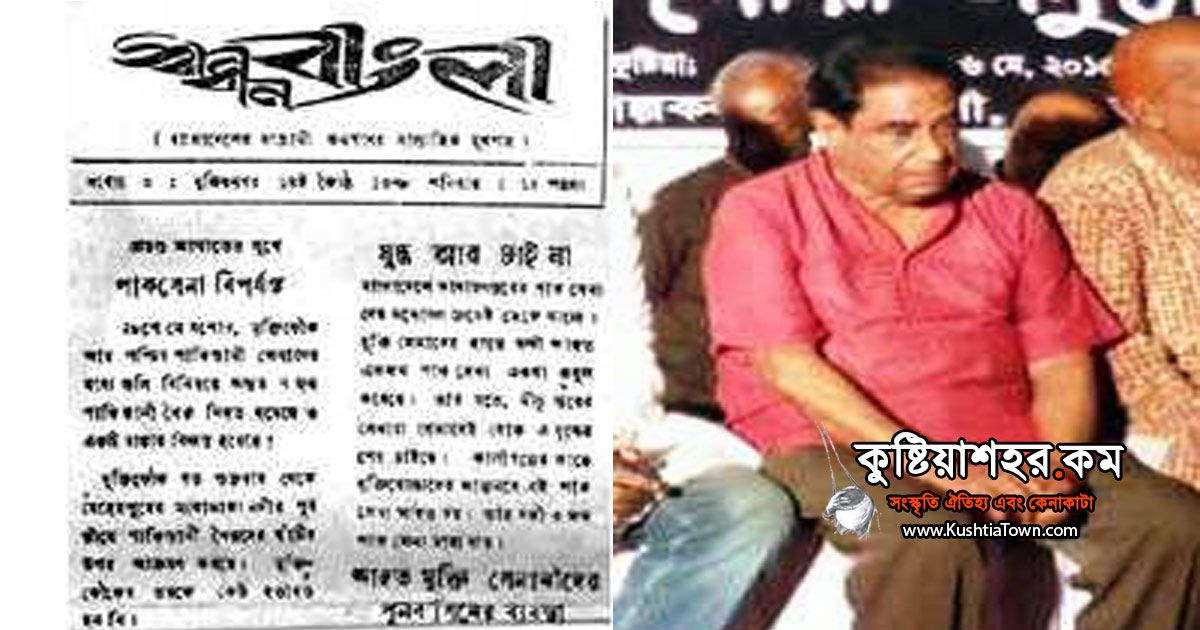
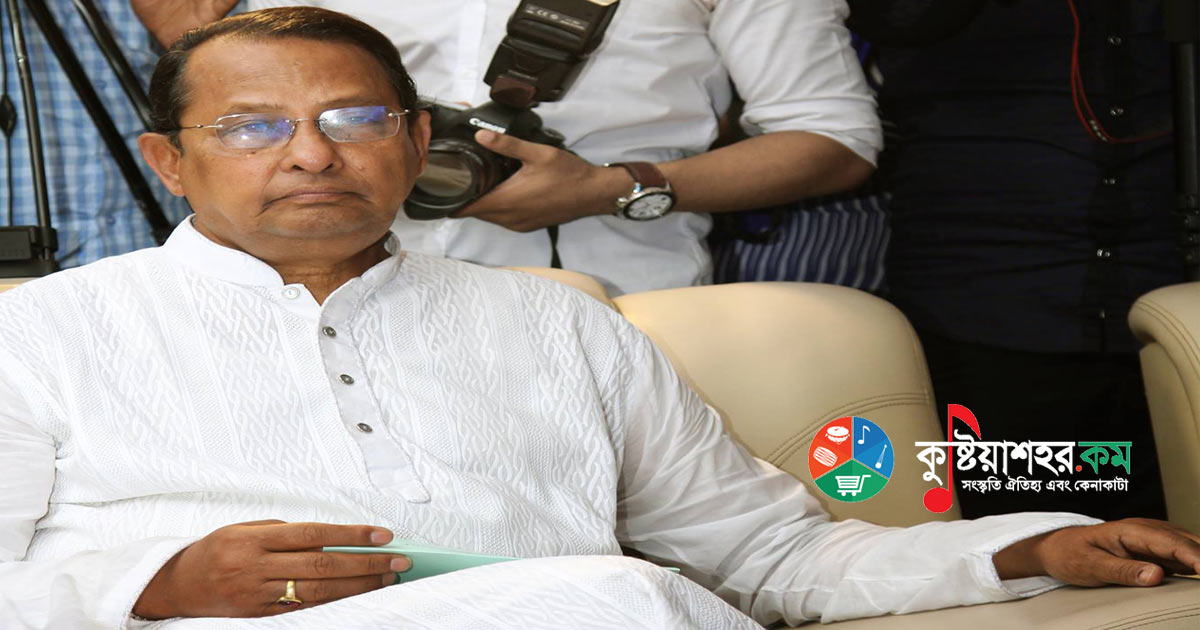
Khondokar Samsul Alam Dudu was born on 17 August 1942 in Abdalpur village of Harinarayanpur union under Sadar thana of Kushtia district. Father — the late Khondokar K. Ahmed, mother — the late Chara Khatun; five brothers and three sisters. He is the fourth among the siblings, and third among the brothers.
He studied at the Abdalpur primary school, later at the Aruapara Masjidbari Byline Primary School in Kushtia, and then at Muslim High School up to class nine, and passed his matriculation from Dhaka. He studied first at a college in Dhaka and later at Kushtia College, passing his BA from Kushtia College.
He was the elected VP of the Kushtia College students' union in 1963, and at the same time, in 1963, the first president of the Kushtia district (East Pakistan) Chhatra League. Later he enrolled for his MA at Dhaka University and was a resident student of Iqbal Hall [Zohurul Haq Hall]. After completing his masters he enrolled in the LLB and later obtained his law degree from the Central Law College in Dhaka. In 1965 he traveled to the then Pakistan as a student representative, visiting every province of Pakistan and its major areas, including Mari, Karachi, Peshawar, Rawalpindi and Lahore.
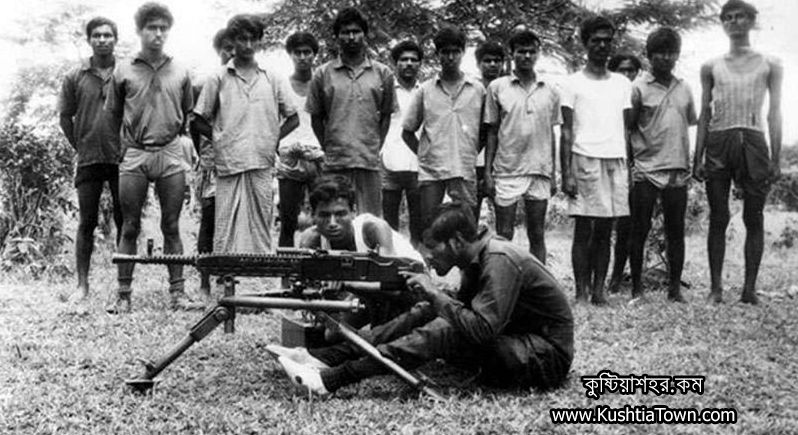
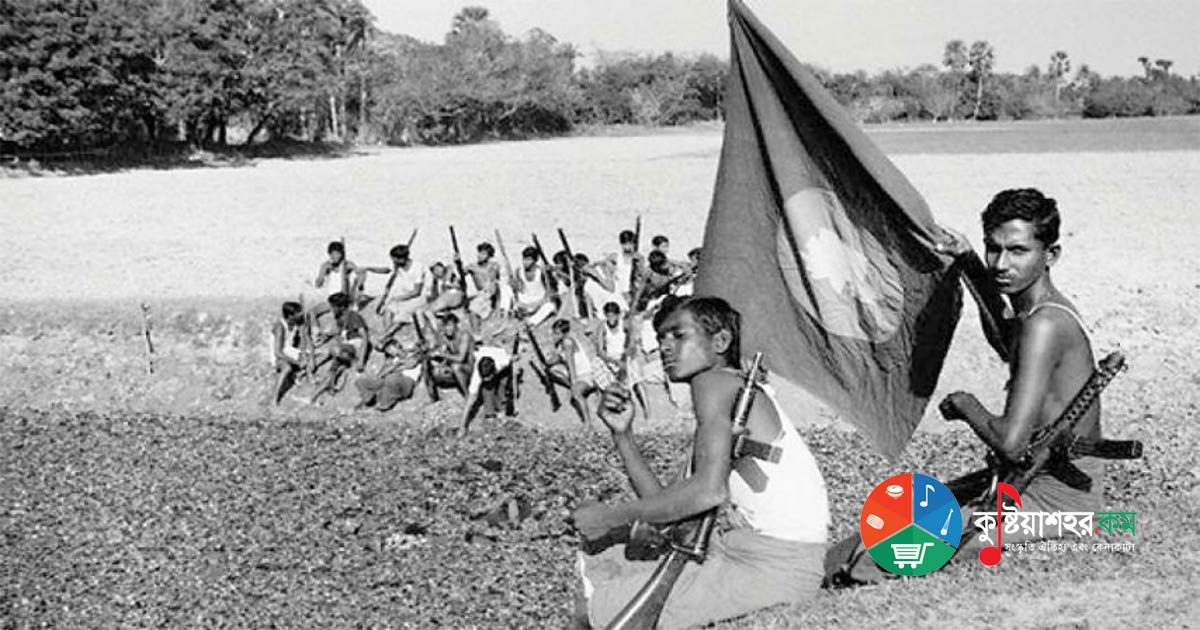
From his student days he was involved in political circles with the East Pakistan Chhatra League, and later he grew close to the Awami League. He was elected general secretary of the Awami League of the greater [Kushtia, Meherpur, Chuadanga] district, and at various times was also a member of the Awami League's national committee. He became actively involved in the Liberation War of 1971. He received advanced training in Bihar and Chakulia in India, and he was the wing leader of batch 3 of unit No. 6 at Chakulia.
During the war he published Bangladesh's first newspaper, 'Swadhin Bangla', from Krishnanagar in Nadia, which was widely circulated during the war. Many were involved with it. Mr. Waliul Bari Chowdhury held the responsibility of editor, Advocate Liaqat Ali was the acting editor, and many others were involved as well.
From his adolescence he was involved in sports. He was involved with various clubs of Kushtia district. He was an active member and player of the Jajabor (Nomad) Football Club. Later, at various times, he was the secretary of the KDS. During his time sports developed a great deal. For a long time he was an executive member of the Bangladesh Football Federation and a member of the NSCB sports council. He had a deep fondness for sports, art and literature.
His fame as a freedom fighter is widely known throughout Bangladesh. He is the president of the district freedom fighters (association), a member of parliament, and currently the president of the Bangladesh Freedom Fighters Lawyers' Council, as well as a central member of the Bangladesh Freedom Fighters Unity Council.
He was one of the organizers of the Liberation War of 1971. He was actively engaged in setting up camps in various areas of the border. He made a special contribution to the great War of Independence of 1971. In India — especially in the Nadia district of West Bengal and in Kolkata — he organized the people of this country in various ways in favor of the Liberation War. After the country became independent he worked hard on the task of rebuilding the nation. In 1974 Bangabandhu sent him to the Soviet Union as part of a delegation. He traveled to various countries of the world, and after returning home he devoted himself to the welfare of the country and society.
After Bangabandhu's death he was imprisoned for a long time, and after being freed from jail he again took up the responsibility of district general secretary of the Awami League and organized the party. Disregarding many problems and adversities, he worked in Bangabandhu's ideals and focused on the politics of Bangabandhu's hoped-for BAKSAL.
He believes that to bring smiles to the faces of the sorrowful people of Bengal, BAKSAL is the right path and creed. He also believes that ideals and principles matter more than individuals or parties. People and society can be served even without holding any office. If one cannot rise above greed and desire, one cannot truly love the country. One must be self-sacrificing for the welfare of the country's people.