বাংলা
 English
Introduction: Mr M Amir-Ul Islam is a distinguished son of Kushtia, the author of the Proclamation of Independence of the liberation war, one of the framers of the Constitution of Bangladesh, and a leading organiser of the independence movement and the liberation struggle. His name is deeply intertwined with Bangladesh's war of liberation.
From the very dawn of his student life to this day, the welfare of the people of this country has been his most cherished goal, and the people of the country will forever remember his glorious role in the struggle for independence and in his lifelong active movement for the empowerment of the people and the realisation of their rights. For he performed a historic role in organising the liberation war alongside Bangabandhu Sheikh Mujibur Rahman and the four national leaders who were his followers — Syed Nazrul Islam, Tajuddin Ahmad, Mansur Ali and Kamruzzaman.
Born in 1936. Father: Wasel Hossain; mother: Anwara Begum; birthplace: Aruapara, Kushtia. Siblings: 6 brothers and 3 sisters. His student life progressed alongside the currents of events that followed the partition of the country in 1947, and the contempt shown by the ruling clique of West Pakistan towards the Bengali language and culture set the young heart of Barrister M Amir-Ul Islam ablaze. Like the other progressive young people of the 1950s, his protesting spirit made him a fighter. As a result, in 1952 he took an active part in the historic Language Movement. After passing his matriculation he was admitted to the I.Sc. course at Jagannath College and later studied in the I.A. class. He became president of the Jagannath College Chhatra League and a member of the central committee of the Bangladesh Chhatra League.
Student leader Barrister M Amir-Ul Islam:-
This was a critical period in the student politics of East Bengal. He associated himself with it and took part in the movements and struggles against Pakistani misrule. He took part in the role played by the student community of the time in forming the United Front in 1954, and in the movement against the Basic Principles Report during the framing of the Pakistani constitution. After sitting the I.A. examination in 1954, he joined workers' organisation and movements. He was elected a central representative member of the Kushtia Cotton Mill Workers' Union and became involved in the workers' movement at Mohini Mill. During the workers' movement, after the promulgation of Section 92(A), he was arrested in Kushtia. Under the Pakistan Public Safety Act he served nearly two years in preventive detention.
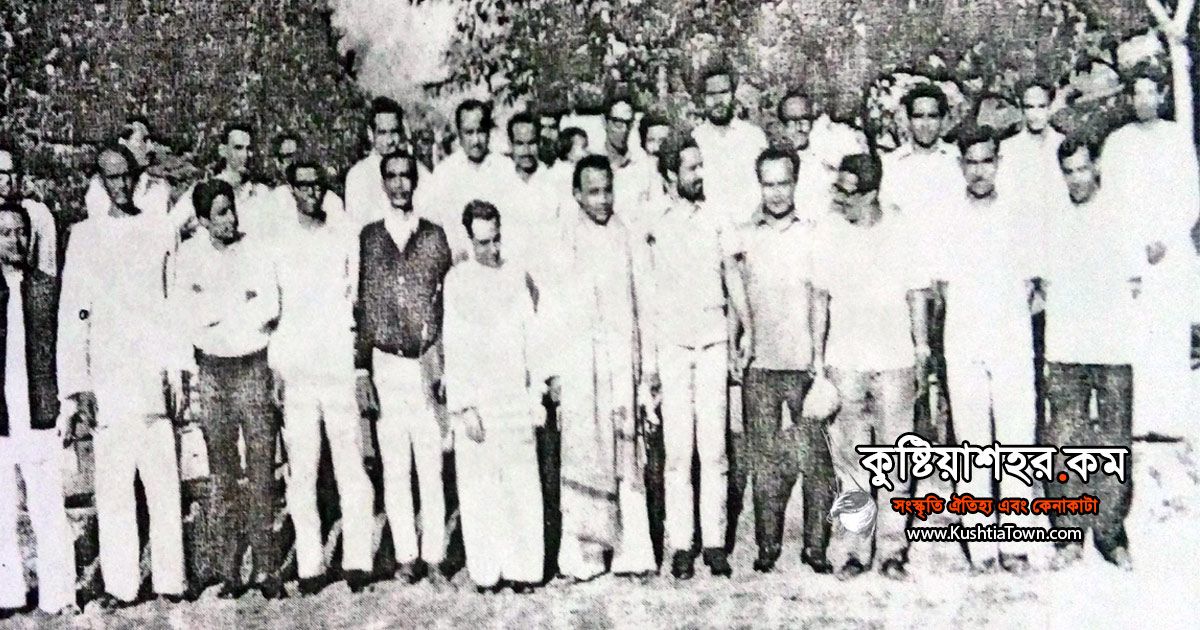
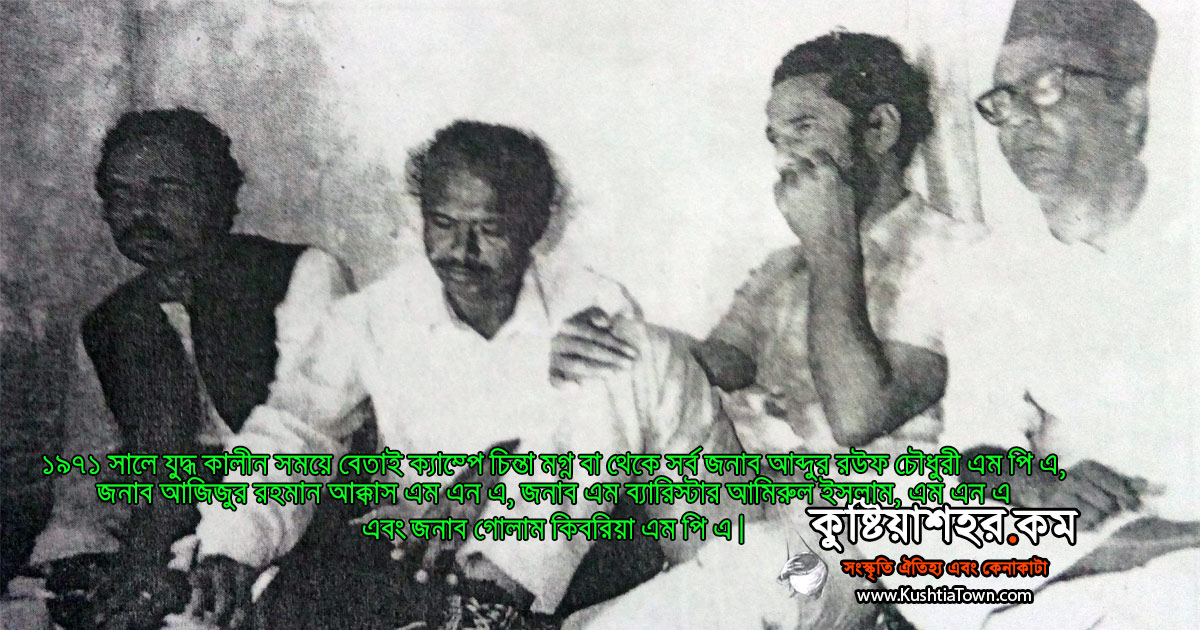
Barrister M. Amir-Ul Islam with the leaders of the Bangladesh Awami League during a visit to the transit camp at Ranaghat, India, in 1971.

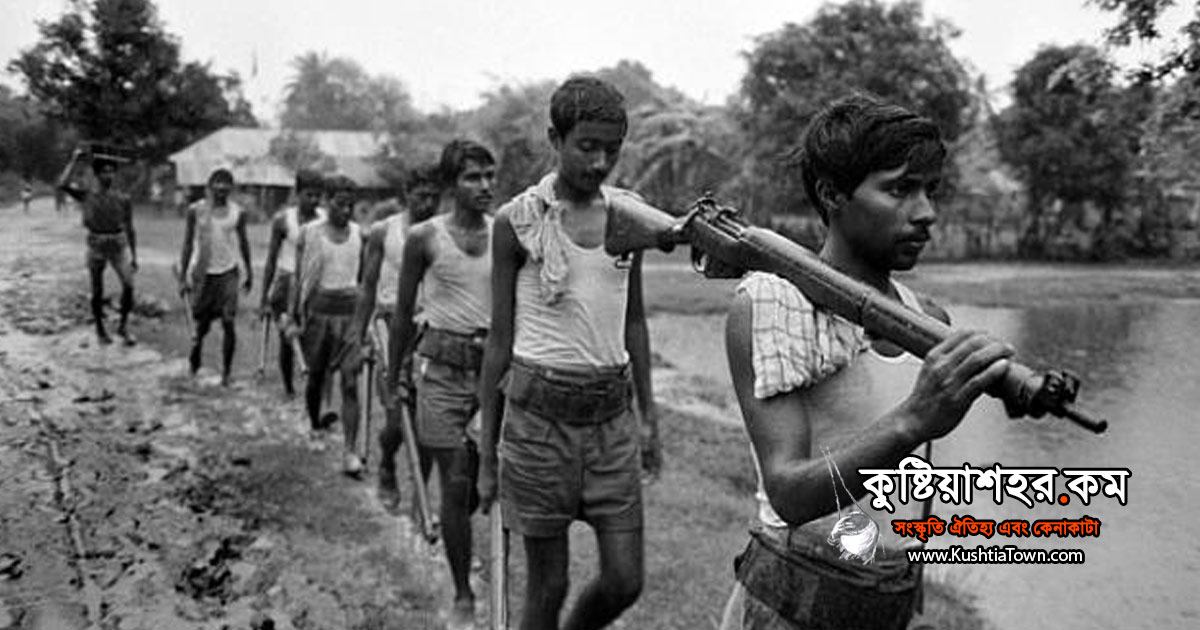
Barrister M Amir-Ul Islam, MNA, addressing the freedom fighters at Shikarpur.
Devoted and dedicated to the people as the bearer of a great ideal, throughout his long journey he accepted sacrifice and hardship for the sake of the people and never bowed his head to any adversity. He prepared for his bachelor's degree examination from jail, and after his release towards the end of 1955 he passed the B.A. examination and was admitted to study law and an M.A. at the university. After being freed, Barrister M Amir-Ul Islam became busier still in politics, and so under pressure from his family he went to London to study for the Bar. In England, Amir-Ul Islam was elected the first Bengali president of the Pakistan Students' Federation. Meanwhile, after Ayub Khan imposed martial law in 1958, Barrister Amir-Ul Islam built up a movement against martial law there. He led many progressive movements in London, including Unhappy East Pakistan. As a result, the Pakistan government cancelled his passport and barred him from returning home. Barrister Amir-Ul Islam built up a movement against martial law there as well. With the support of the Labour Party leaders David Ennals, Donald Chesworth, Peter Shore and Michael Barnes, and the member of parliament Lord Brockway, a movement grew up in Britain against Pakistan's martial law and the exploitation of East Bengal. Thus, in the movement against martial rule and against exploitation and discrimination in Bangladesh, a strong protest grew up among expatriate students and especially among expatriate Bengalis, including in the committee rooms of the House of Commons, and East Pakistan House emerged as a symbol of the Bengalis' separate identity.
Meanwhile, in 1961 he obtained his Bar degree from Lincoln's Inn and joined the legal profession in London itself, at the chambers of Mr D. N. Pritt, the famous constitutional expert of the time and counsel in many cases on several continents. His first grounding in the profession came under Mr Platt Mills. In 1963, after Ayub Khan withdrew martial law and promulgated a constitution introducing Basic Democracies, as part of the reforms he released many political prisoners, and at the same time returned Barrister Amir-Ul Islam's passport. He returned home at once and joined the legal profession. Refusing to take a degree from the then Governor Monem's government, he filed a writ case against the expulsion orders issued against nearly forty student leaders.
Barrister M Amir-Ul Islam in the movement for self-determination:-
In the turbulent political unrest immediately before the war of independence, Barrister M Amir-Ul Islam, as a devoted servant of the Awami League, remained engaged in the movements and struggles at Bangabandhu's side. He was a vocal presence in the Six Point movement of 1966. When the Pakistani junta, to stem the tide of public upsurge raised by this movement, filed a false case against Bangabandhu and the other leaders known as the Agartala Conspiracy Case, he played a special role in bringing Sir Thomas Williams, the Queen's Counsel of Britain and a legal expert of international renown, to Dhaka to conduct the case on Bangabandhu's behalf, and assisted in conducting it as his principal assistant. In recognition of this devoted work, in 1970 he was elected a central member of the then All-Pakistan Awami League. Alongside building Awami League organisation at the grassroots level in greater Kushtia district, he played a pioneering role in creating public opinion and unity in favour of the Six Points. In 1970 he was elected president of greater Kushtia district, and he also played an important role in drafting the draft constitution, the election manifesto and other proposals for the Awami League's central committee. He was elected a member of parliament in the general election held at that time, and immediately afterwards was elected whip of the Awami League parliamentary party.
Click here for Part 2