বাংলা
 English
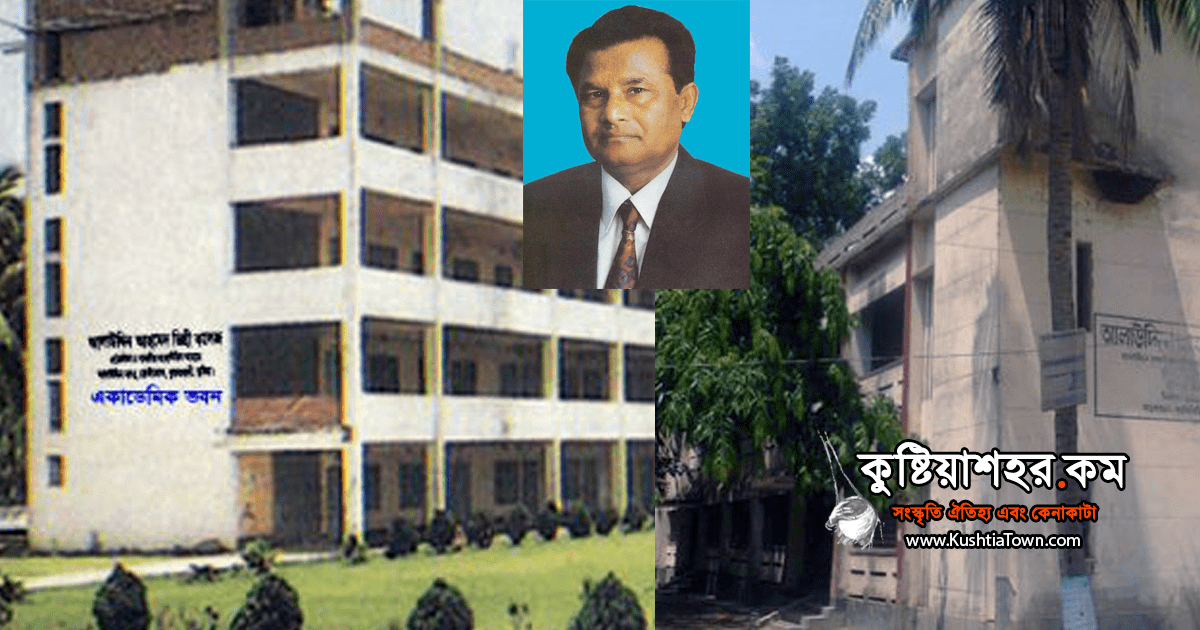
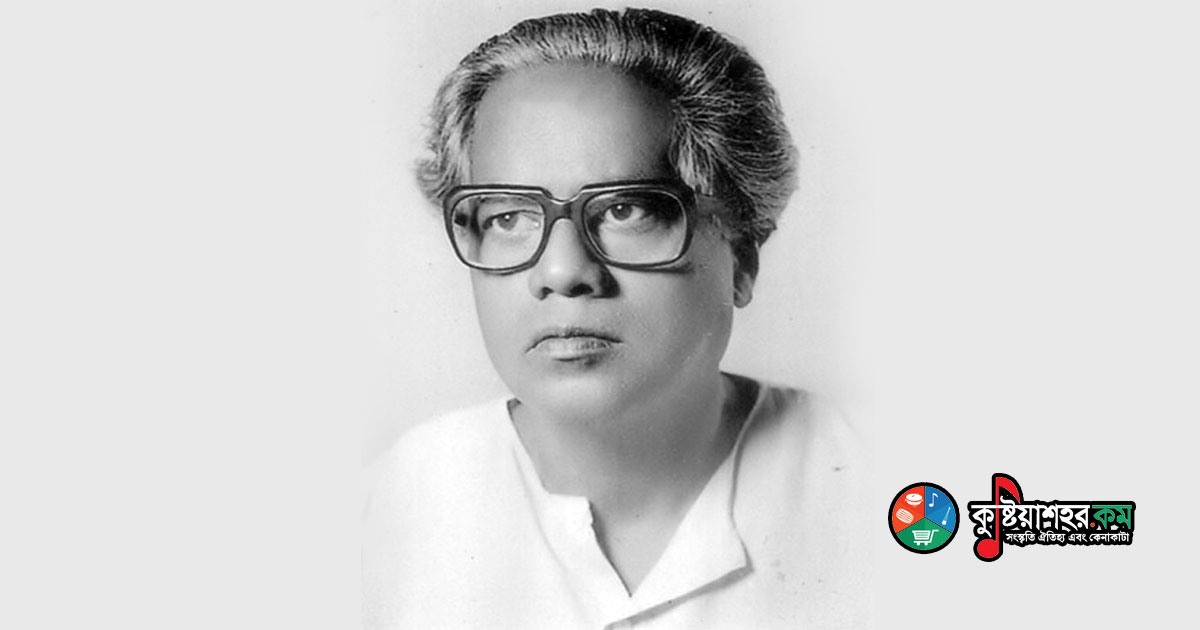
On 31 July 1931 Alauddin Ahmed was born at Chakorghua village in a remote corner of Kushtia district. Seeing the light of hope in him at his birth, his father Bahar Ali and mother Tahirunnesa named him “Alo” (light). Dr. Alhaj Alauddin Ahmed lost his father when he was only four years old. Under the loving care of his uncle Chand Ali and his mother Tahirunnesa, the child Alo grew up in talent and intellect. At the age of six his uncle admitted him to Nandlalpur Primary School. He had to walk two miles each way to school every day. From then on the thought was born in his mind that something had to be done so that the poor boys and girls of this region could receive an education.
After finishing primary education he was admitted to Kumarkhali M.N. High School. Alongside his studies he was also quite skilled at sports. In 1961 he passed the matriculation examination with credit from Jessore District School. In the same year he was admitted to the I.Com class at Kushtia College and travelled regularly to college from his home at Chakorghua; at that time the only means of communication was the train.
In 1966 he passed B.Com from Kushtia College. He studied chartered accountancy under Saha Majumdar and Company. After finishing his education he began his working life in Kushtia itself. In 1969 he obtained an LLB certificate, and in 1970 he began his career in Kushtia as an income tax consultant.
On 26 March 1972 he married Suraiya Bilqis, daughter of Gazi Habibur Rahman of Shilaidaha, a social worker, a man devoted to the people and a lover of culture. Through his efforts and funding, the Chakorghua Primary School was established in 1972. It is now under government acquisition.
As a token of respect for his uncle he established the Chand Furkania Madrasa. In 1982, with NG funding, he established the Alauddin Ahmed Primary School. In 1995 he transformed the institution into a higher secondary school. Alongside general education, there is provision here for learning computer skills, typing and shorthand. In 2000 he converted the collegiate school into a college.
In the same village he established the Alauddin Ahmed Physical Education College in 1999. For the improvement of the teachers' quality, he established the Alauddin Ahmed Teachers' Training College in 1998.
On the model of the Bangladesh Krira Shikkha Protishtan (sports education institute), he established the Alauddin Ahmed Sports Education Institute in 2000. Because of the many educational institutions he founded and the necessary teaching facilities and the physical infrastructure — auditorium, swimming pool, playground, hostel, women's hostel and entertainment stage — the village has now become widely known across the country as the Alauddin Ahmed Education Village.
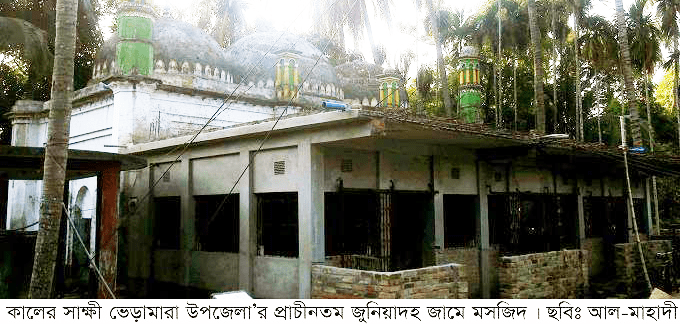
In 1993 Kumarkhali College was swallowed by the river. In 1994 Alauddin Ahmed built, at his own expense, a building 200 feet by 35 feet at Kumarkhali College. That building was named Alauddin Bhaban. In 1995 he established the Banshgram Alauddin Ahmed Degree College at Banshgram. The two-storey building of the Police Line School and College was built with his own funding. In 2005 he established Bahar Agriculture College at Alauddin Nagar in memory of his father. In 1992 he built a student hostel for the Mohammadia Samsul Ulum Madrasa on his own land at Milpara, and built the building of the Boyrat Majail Senior Madrasa of Pangsha thana together with a large student hostel to relieve the students' residential crisis. He established a Dakhil madrasa at Khorsedpur. He helped pave the place of prayer and build the wall of the Kushtia Eidgah maidan. He built a shade over the place of janaza at the Kushtia municipal graveyard. He established the Alauddin Ahmed Kindergarten at Khoksa and a Hafezia madrasa at Ambaria. He established Jame mosques at Jangalbari in Gazipur and at Nayanpur.
He continues to provide scholarships for students, honours medals, annual sports events and educational tours. He bore part of the cost of the construction of the Charaikol-Shilaidaha-Pabna road. He has had seven culverts built.