বাংলা
 English
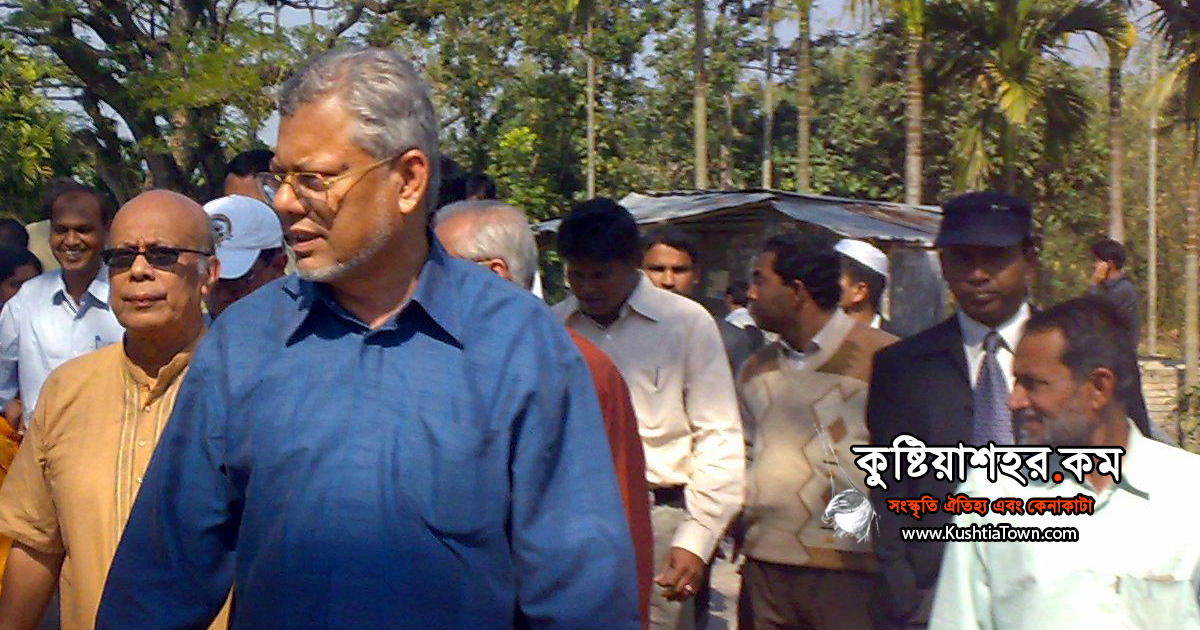
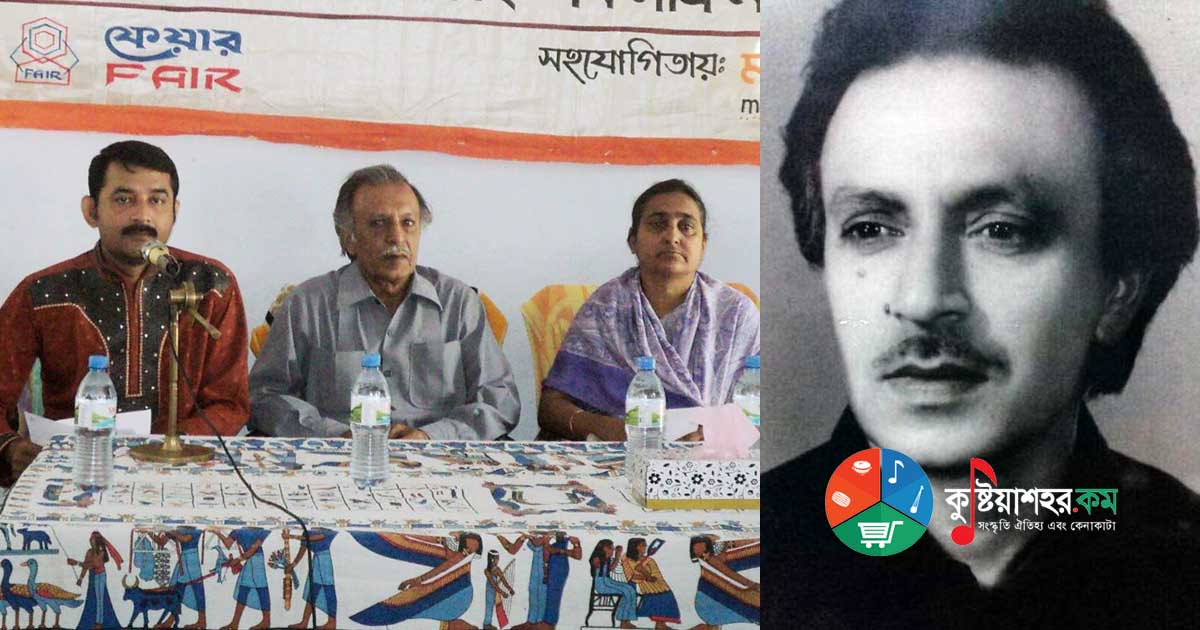
Kamrul Islam Siddiqui (born 20 January 1945, died 1 September 2008), pioneer of rural infrastructure development in Bangladesh and former secretary and engineer, was born in Kushtia on 20 January 1945. He was the son of the late Nurul Islam Siddiqui, a lifelong struggling fighter for agricultural development, and of Hamida Siddiqa, a mother who was a jewel of social service. The first chapter of Siddiqui's childhood and student life was spent in Kushtia, bound up with the memories of Lalon Shah, Rabindranath and Mir Mosharraf Hossain. Harmonising his own ideas and convictions with the global context, he worked with all his heart to develop the war-ravaged infrastructure of rural Bengal through technology suited to the country.
Kamrul Islam Siddiqui was a distinguished social worker, an organiser of freedom fighters and an engineer of international repute. He was the executive director of the Dhaka Transport Co-ordination Board (DTCB). He was former secretary of the Ministry of Housing and Public Works. He was the founder of the Local Government Engineering Department (LGED). While chief engineer of LGED he played a historic role in the rural infrastructure and social development of the country. He contributed greatly to the socio-economic development of the region and to the employment of unemployed young men.
His school life was spent at Kushtia Mission School and Sirajul Haque Muslim High School. He passed matriculation in 1960. He passed ISc from Kushtia College in 1962. He took an active part in the Liberation War of 1971. In 1973 he was transferred to Khulna Municipality as a municipal engineer. In 1974 he was joined in marriage to Sabera Siddiqa, daughter of the renowned Sufi saint Kazi Abu Mukarram Fazlul Bari.
Towards the end of 1975 he joined the Ministry of Local Government as an engineer. In 1976 he went to England to obtain a master's degree in Town and Regional Planning from Sheffield University, England. After earning the master's degree in England, he returned to Bangladesh and held important responsibilities in the Local Government Engineering Department (LGED). He also served as chairman of the PDB. He was the principal planner of the well-known Gulistan-Jatrabari flyover project. The Kushtia District Association in Dhaka awarded him the Unnayan Sarathi Padak 2002. He was president of the Kushtia Association in Dhaka.
After obtaining his civil engineering degree, he began his career in Kushtia in 1967 as an assistant engineer (works programme).
Kamrul Islam Siddiqui was an MSc engineer. Before the great Liberation War of 1971 he was the engineer of the Kushtia District Council. In the great Liberation War he carried the responsibility of organisation. After the war his career advanced. He won the trust of the donor countries of the world, and the donor countries accepted him as a trusted friend.
To build a war-ravaged country, development at the local level was needed. He concentrated on this and became chief engineer of the Local Government Engineering Bureau. Later, when the name was changed to the Local Government Engineering Department (LGED), as its chief engineer he paved the roads of every village across the country including Kushtia, and by building bridges, culverts and paved infrastructure he brought about unprecedented development.
In 1987 he obtained a master's degree in Urban and Regional Planning from Sheffield University in the United Kingdom. Engineer Kamrul Islam Siddiqui joined the PDB as chairman in 1991. After joining, when he began catching electricity thieves [industrialists], he could no longer remain in that post.
For storing water in the dry season in the agricultural fields and meeting the demand for food through IRRI cultivation, while in charge of participatory water management he introduced rubber dam technology in Bangladesh by installing rubber dams. To prepare the maps of districts, upazilas and even unions, he introduced GIS [Geographic Information System]. In his time, the ideal rural development project aided by JICA, an important project of that period, was completed with great success.
For the 2003-2004 term, Kamrul Islam Siddiqui was elected the first chairperson of Global Water Partnership South Asia Region. Along with discharging the responsibilities of president of the Bangladesh Water Partnership and the Bangladesh National Forum for Rural Transport Development, he kept himself extensively engaged in social activities. Through his efforts, the Hamida Siddique Collegiate School, named after his mother, and the Nurul Islam Siddique orphanage, named after his father, grew up in Baria village of Jagati union in Kushtia.
He passed away on 1 September 2008 in New Jersey, America.