বাংলা
 English
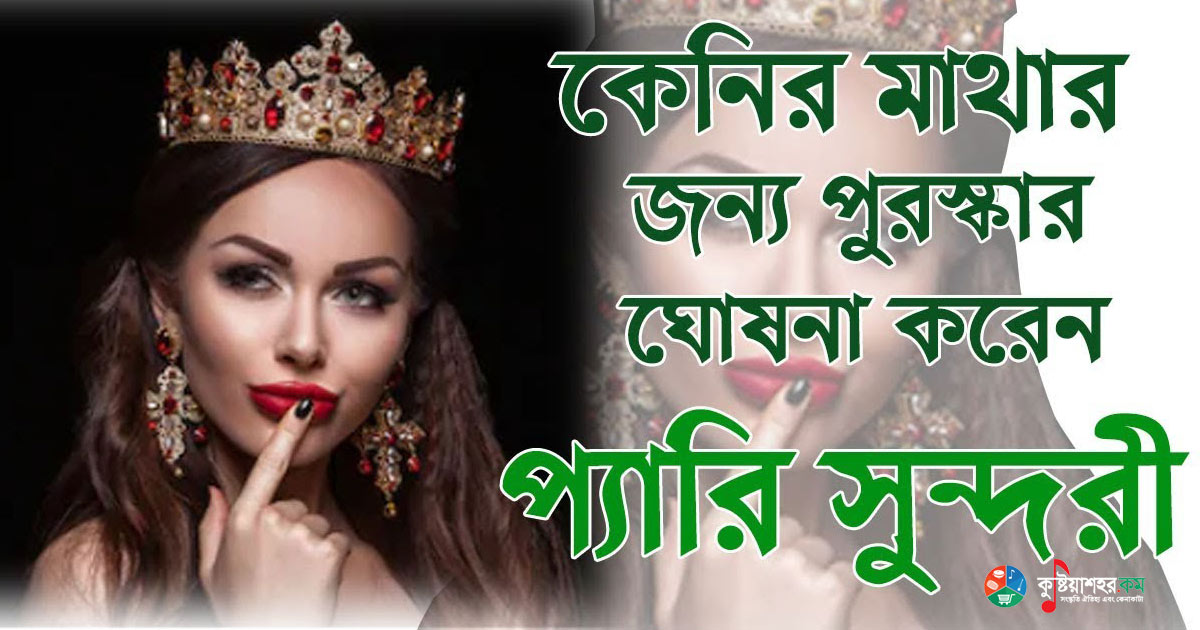
Pari Sundari — an unforgettable character of the Indigo Revolt, a name like an inextinguishable flame of patriotism. She was the youngest daughter of the zamindar Ramanand Singh of Sadarpur in Mirpur upazila of Nadia district (present Kushtia) in undivided Bengal. All her life she fought for the soil and for the people, for the cause of the motherland. Her struggle against the tyrannical indigo planter, together with the ordinary village people and the lathiyals, is the stuff of legend. Her adversary was the indigo planter Thomas Ivan Kenny, in short T. I. Kenny; Ferguson, Shelley Crawford, Stephenson, Simpson and the like are the most dreaded names among the tyrannical indigo planters.
In the testimony of the Indigo Commission, Ashley Eden, Magistrate of Barasat, said: "Murder, assault, riot, robbery, plunder, arson, abduction of people — there is no crime of the kind the indigo planters have not committed." Kenny's oppression was excessive even beyond theirs. Against him stood Pari Sundari.
Kenny's kachari was in the Beki building in Kushtia town; the kuthi was at no great distance, at Shalghar Madhua.
Against Pari Sundari's patriotism and love for her tenants stands the story of Kenny's injustice, oppression and persecution, found in the historical books. News of this was also published in The Hindu Patriot edited by Harish Chandra Mukhopadhyay. It is found most elaborately in Mir Mosharraf Hossain's Udaseen Pathiker Moner Katha. The example of Pari Sundari's courage, intelligence and patriotism is quoted in that book thus: "My lathiyals have plundered the kuthi; hearing this from ten mouths I feel happy. I am a Bengali's daughter; I have brought the sahib's kuthi plundered — what happier thing is there than this!"
The battle between the planter Kenny and the zamindar's daughter Pari Sundari was full of drama, to which the plots of imagined stories, novels and plays must yield. Against the snares of cunning and deceit, with heroic wisdom and skill, holding her head high, with the vow of devoting herself wholly for the country, she earned the rank of an inextinguishable flame of patriotism in the history of Bengal's Indigo Revolt.
The tenant-loving Pari Sundari's life and work can rouse one to patriotism, can initiate one into the fire-mantra. For instance: "Whoever brings Kenny's head to me by any device, for him I have kept this bundle of a thousand taka bound.... Witnessing my faith I say, all the property of Sadarpur is left for Kenny.... To protect the tenant from the hands of the rampant planter, even if I lose my life, so be it — I have pledged it. I do not care a bit for my own life. Hearing of the country's distress and the innocent tenants' helplessness, my heart bursts." With Pari Sundari was the full-hearted participation of a people who had lost everything. The cost of cultivating indigo on each bigha of land was 10 taka, yet the planters paid three and a half taka. In Nadia, 700 maunds of indigo were produced on 17,600 bighas of land. Of this Kushtia was first, behind whose scenes was the planter T. I. Kenny. Incidentally, the historian Binay Ray mentioned in his book Banglar Samajik Itihaser Dhara that between 1770 and 1780 Louis Bonnaud first began indigo cultivation in undivided Bengal. Carol Blum established the first indigo kuthi. In later times, under the charter of the East India Company, Europeans got permission to buy land and cultivate indigo in this country.
The origin of the dispute between Kenny and Pari Sundari was over the forced cultivation of indigo in the paddy fields of the Bharl-Poradah region. The farmers, tenants and chasis, unable to bear the oppression, lodged complaints day after day with Pari Sundari for redress. She advised her naib Ramlochan to recruit a force of lathiyals and attack. They were defeated by Kenny's force. The Bharl kuthi was plundered. Kenny's oppression increased.
Pari Sundari, armed with a new weapon, attacked Kenny's kuthi. As Kenny was not in the kuthi, he escaped with his life. Mrs. Kenny, scattering countless raw taka coins, saved herself from the hands of Pari Sundari's lathiyals. Kenny brought a suit against Pari Sundari for plundering the kuthi.
Unafraid, Pari Sundari rather felt proud. She announced a reward for Kenny's head and vowed to deck Mrs. Kenny in bala bangles as a Bengali bride. Kenny was enraged. He announced that whoever could bring Pari Sundari to him would receive a reward of one thousand taka, and that he would dress Pari Sundari in a gown, deck her as a memsahib and keep her in his kuthi. There began counter announcements of rewards and attacks. Again the Pari force attacked Kenny's kuthi. The cunning Kenny fled and survived. The Magistrate and police too escaped with their lives. Daroga Mohammad Box was killed. Again a suit was brought against Pari Sundari. In the farcical trial the English government seized the whole zamindari. With poor farmers, chasis and tenants, Pari Sundari fell into deep trouble. She brought a suit against the judgment and got the zamindari back. But by then she was crushed under the burden of debt; so she granted a vast portion of the zamindari in pattani bandobast. Dr. Abul Ahsan Choudhury, in a piece titled "Pari Sundari: The Forgotten Heroine of the Indigo Revolt", noted: "Pari Sundari was an extraordinary popular leader, nurtured in love for tenants, patriotic spirit and non-communal consciousness."
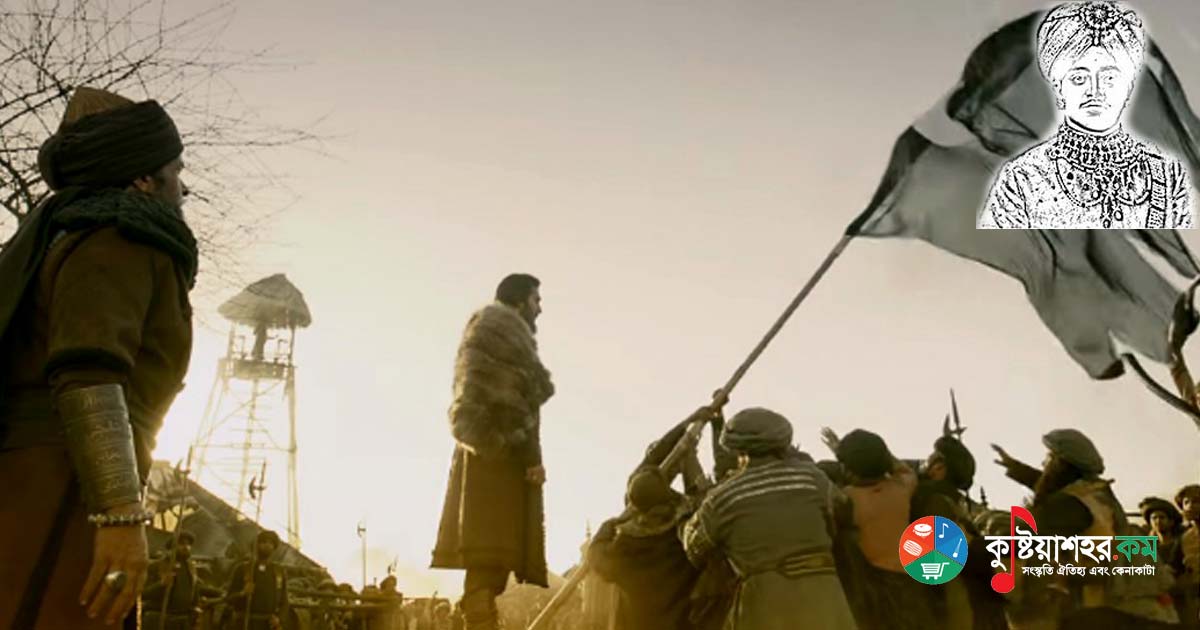
The tyrant Kenny himself admitted that Pari Sundari was ahead of him in every respect. He was frightened and anxious before her courage and patriotism. For instance — "Even to mention Pari Sundari's name among women one is afraid."
Remembered or not, Pari Sundari added to the history of the Indigo Revolt an inextinguishable flame of patriotism, a history whose span runs from 1849 to 1860.
Source and acknowledgement: Voyage of Bangladesh