বাংলা
 English
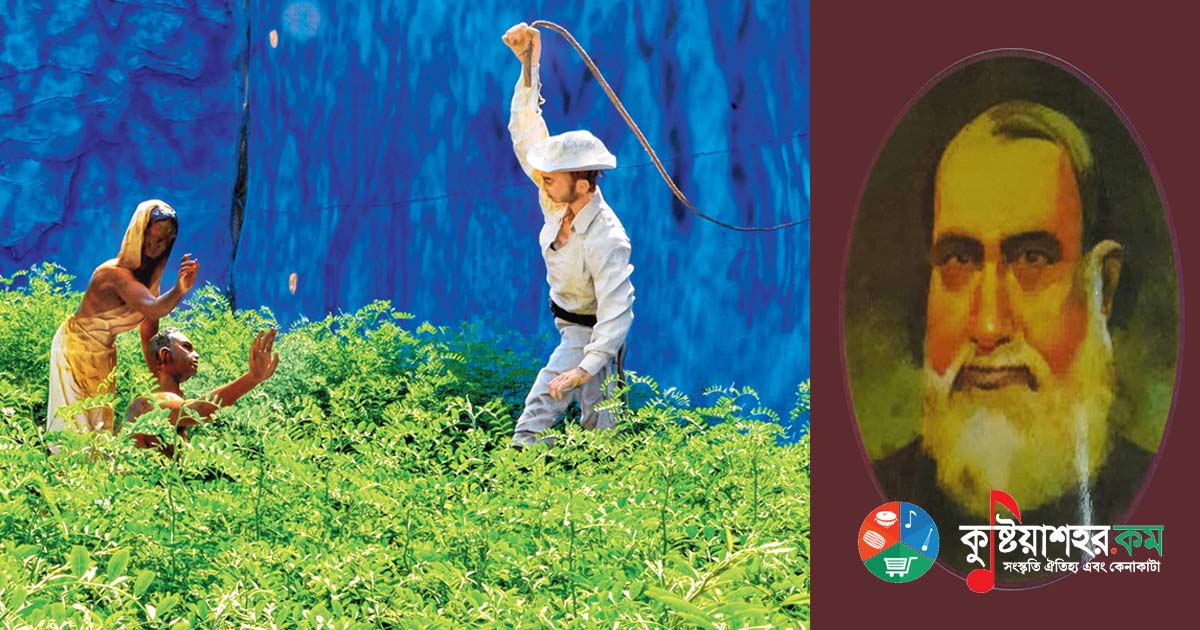
The zamindar Pari Sundari was one of the notable indigo-rebel zamindars — a woman radiant like the midday sun. Protecting the tenants from the all-devouring claws of the indigo planter was her sole devotion. Hence, in the history of the indigo movement and through the literature of Mir Mosharraf Hossain, she became known among the educated for her love of her tenants. Pari Sundari was the zamindar of Kushtia-Sadarpur in the then Nadia district.
Their tahsil kachari was at Radhanagar in Pabna town, and they donated some land to Edward College; at one time a scholarship was instituted in Pari Sundari's name at that college. How a zamindar of such standing, setting aside her own comfort, fought against the indigo planter Thomas Ivan Kenny of Shalghar Madhua in Kushtia (near Pierpur, Durbachara) and laid down her life is surely worth remembering. It was because of her resistance that Kenny, hindered from sowing indigo in the paddy lands, turned into gunpowder. He announced a reward of a thousand taka for seizing the zamindar Pari Sundari and carrying her off to the indigo kuthi. Kenny wanted to cleanse the dirt of her body with English soap and rid the Bengali of the smell of her skin; he wanted to dress her in a gown and keep her decked out as a fine memsahib in the kuthi. To such words of the tyrannical planter Pari Sundari gave an answer in kind: she announced a reward of a thousand taka for seizing Kenny's wife and bringing her before her, promised lifelong employment, and declared a special stipend for that person's descendants.
How the unwilling indigo cultivators lost their social dignity, were humiliated at the hands of the planters and their supporters, fled their villages bereft of everything, and gave their lives to become material for lawsuits; how piteously they languished under persecution — all this is learned from Mosharraf's literature. The writer shows that some patriotic people have always stood by the tenants — people who, being benevolent in ideal, charitable, lovers of freedom and patrons of learning, keep giving others inspiration and spur others on. Because Pari Sundari possessed these endearing qualities she remains memorable to historians, and she is compared with Joan of Arc, the heroic maiden who liberated enslaved France. The era of the Mir movement is the most gloriously proud chapter in the manifold self-expression of the Bengali's awakened consciousness. In Mosharraf's literature Pari is a flash of lightning: she poured a stream of courage into the breasts of the timid farmers, a stream whose rippling sound the farmers felt driving fear away.
About Pari Sundari Kenny said to his well-wisher, the zamindar Mir Muazzam: "We English, however many of us live in this country, make friends with you and speak our hearts to you, but you will never learn the deep secrets of our minds. You will see that in time Pari Sundari will lose her all, and will have to beg from door to door with a ladle in hand. This will not happen soon, for there is no lack of money yet; there is only delay in its happening.
The accused summoned in the suit over the plunder of the kuthi have gone to jail for seven years. In the murder suit the Company itself is the complainant against the daroga. You will soon see that the zamindari of Sundarpur has lapsed and passed into the Company's hands."
Mir Mosharraf's singular cast of mind is depicted in Udaseen Pathiker Moner Katha (The Wayfarer's Thoughts). In this autobiographical book, published in 1890, the tyrannical indigo planter T. I. Kenny of Shalghar Madhua holds the chief place, while the indigo-rebel zamindar Pari Sundari's place is the smallest. While greeting the people aroused against the planter, the writer, with a warning, keeps both banks safe and expresses his delight and warmth. The book tells of the unseen struggles, clashes, conspiracies and staged lawsuits of the Indigo Revolt; the suggestion it carries and the way it holds up the destitute lives of the struggling farmers have almost made it a telescope, though he himself was involved in no political or social movement. The writer notes that Pari Sundari's father Ramananda's zamindari was not inherited; it flourished by the grace of the silk factory of the East India Company at Kumarakhali.
Mir Mosharraf's Udaseen Pathiker Moner Katha (1890) still astonishes readers. During the indigo movement Mir was 12 years old. The writer says: "What is heard is the wayfarer's thoughts, and that hearing too was in childhood, so disjointed errors are quite possible."
Mir Mosharraf records: "At T. I. Kenny's instigation his lathiyals went on chasing the opposing party for half a kros, until, utterly broken, they saved their lives in bushes and jungles and in the villages ahead. Kenny began to say with swagger, 'Advance no further now. Now demolish whatever houses of Pari Sundari's tenants you find ahead and loot their goods.' At once the plunder began. The sardars began tearing away the plates, pots and the silver ornaments on the farmers' wives' bodies, snatching and ripping them off. The villains began stripping even the clothes on the women's bodies, some tying them about their waists and some about their heads, parading their bravery. They drove the cattle off toward the kuthi; whatever other household things they could conveniently get they took, and the rest they smashed to pieces and finished off in broken houses. Setting fire to the good houses, T. I. Kenny returned to the kuthi with his lathiyals."
Pari says: "In times of danger everyone can help everyone. Money and physical force are not the only kinds of strength; to crush the enemy another kind of strength is needed too." She also bade others emulate the strength in which T. I. Kenny was strong.
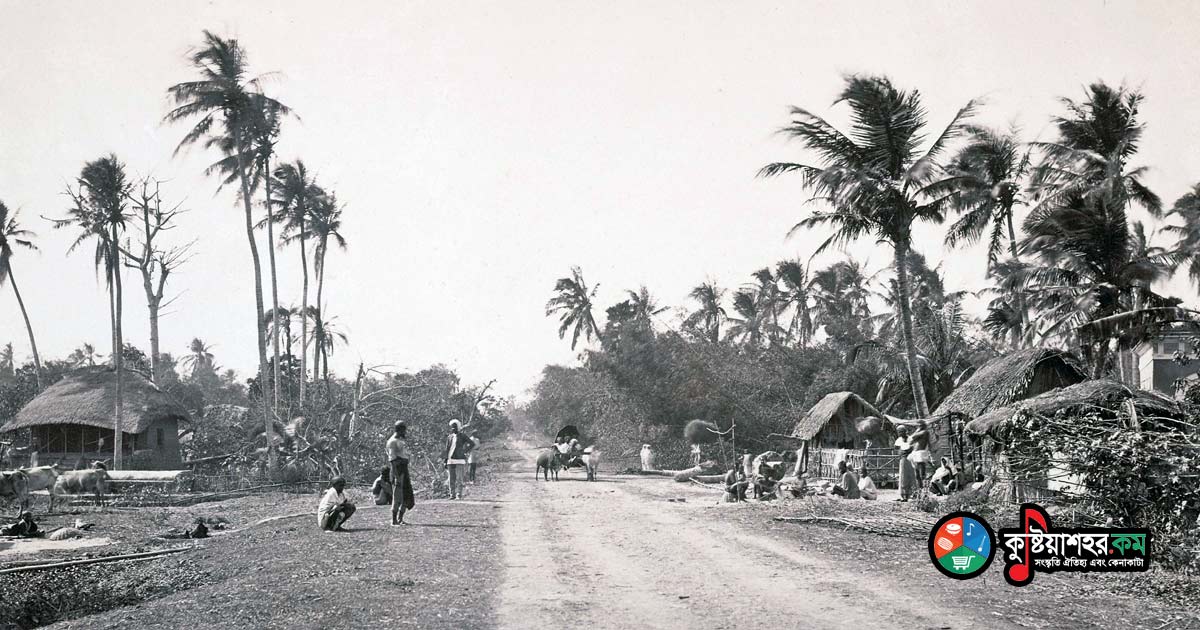
Part of planter Kenny's zamindari fell within Pabna and part under Jessore and Magura. Travel from Pabna to Shalghar Madhua was only by river; before 1869 there was no road in Pabna, and the Padma had to be crossed by way of Kach and the ghat. Government officials too travelled by this route. Unable to get on with Pari, Kenny sought the help of Mosharraf's father, the zamindar Mir Moazzem, and he extended his hand; the writer admits this frankly. In many cases the sense of humanity, too, is overcome by self-interest. Nor must it be forgotten that the tyrannical planter Kenny himself played the part of the angel of death with great skill; and the example his wife set of premeditated murder and the most ghastly persecution blazes in history.
In this book T. I. Kenny is a historical character, and around him revolve the zamindar Pari Sundari and the other zamindars. The author draws Pari's character to a close abruptly. Around 1850 the planter Kenny defeated Pari by stratagem, and from then on Kenny's dominion went on growing. The Indigo Revolt began in 1859-60. The leadership of this vast mass revolt did not come from outside; the revolt grew of itself and itself directed its leadership. Buckland wrote that under the heart-rending persecution of the planter dacoits the farmers began to band together, and in his view the first Indigo Revolt began in North Bengal. In the revolt the work of the kuthis came to a stop.
In 1870, during the construction of the Gorai bridge, Kenny's kuthi was demolished and thrown into the embankment, and Kenny left for Calcutta. In the murder suit Pari Sundari's position came to such a pass that the government attached her whole zamindari and appointed a receiver. The example set in that situation by a woman zamindar remains unforgettable. She appealed, and after much canvassing, running about and spending money she had the zamindari acquitted and heaved a sigh of relief; allotting part in pattani and part in bandobast, she freed herself from the burden of debt.