
 বাংলা
 English
Theology
Theology is a field of philosophy-centred knowledge in which religious assumptions and apologetics are discussed. Historically it was most associated with the Christian faith, though later the study of all religions — especially Islam and Judaism — became part of it. Systematic and rational study of religion, its influence and the nature of religious truth is theology; its widely discussed subjects include God, humanity, the universe, liberation and eschatology.

- Details
- Written by: সালেক উদ্দিন শেখ
- Category: Theology
- Hits: 6
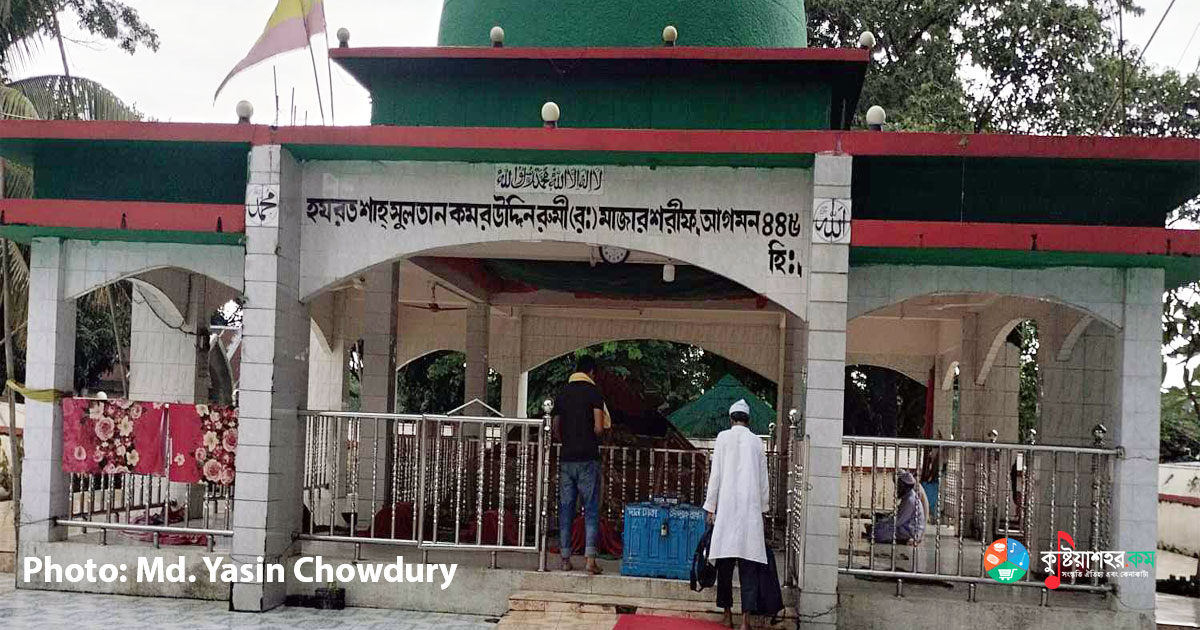
Shah Sultan Kamar Uddin Rumi (birth: unknown - died 1059 CE) was a Sufi dervish. The tomb of Shah Sultan Kamar Uddin Rumi lies at a place called Madanpur in Netrokona Sadar Upazila. It is said that the Sufi saint Shah Sultan Kamar Uddin Rumi (RA) came to Bengal from the Seljuk state of Turkey in West Asia some time before 1059 CE.
- Details
- Written by: সালেক উদ্দিন শেখ
- Category: Theology
- Hits: 5
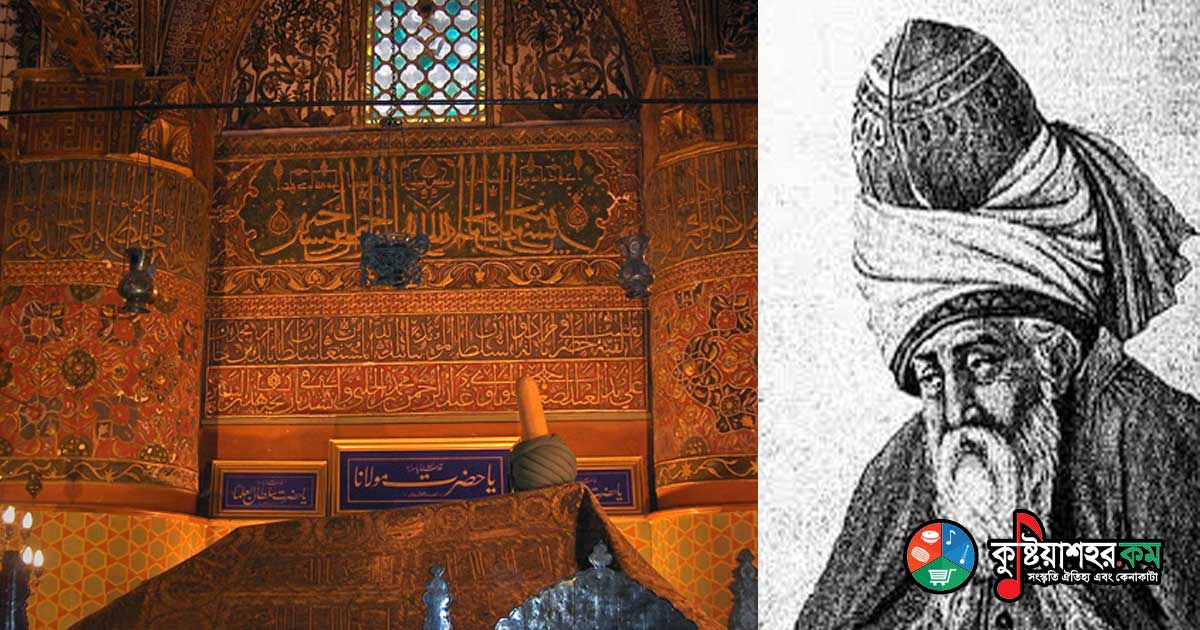
Jalal Uddin Muhammad Rumi (Persian: جلالالدین محمد رومی) (1207 - 17 December 1273), or known as Jalal Uddin Muhammad Balkhi, Maulana Rumi, Moulvi Rumi — though he is most popular simply by the name Rumi. He was a 13th-century Persian Sunni Muslim poet, jurist, Islamic personality, theologian, mystic and Sufi. Rumi's influence has transcended national borders and ethnic divisions and spread across the courts of the world; the Muslims of Persia, Tajikistan, Turkey, Greece, Pashtun areas, Central Asia and South Asia have been duly honouring his spiritual legacy quite well for the past seven decades.

- Details
- Written by: সালেক উদ্দিন শেখ
- Category: Theology
- Hits: 4
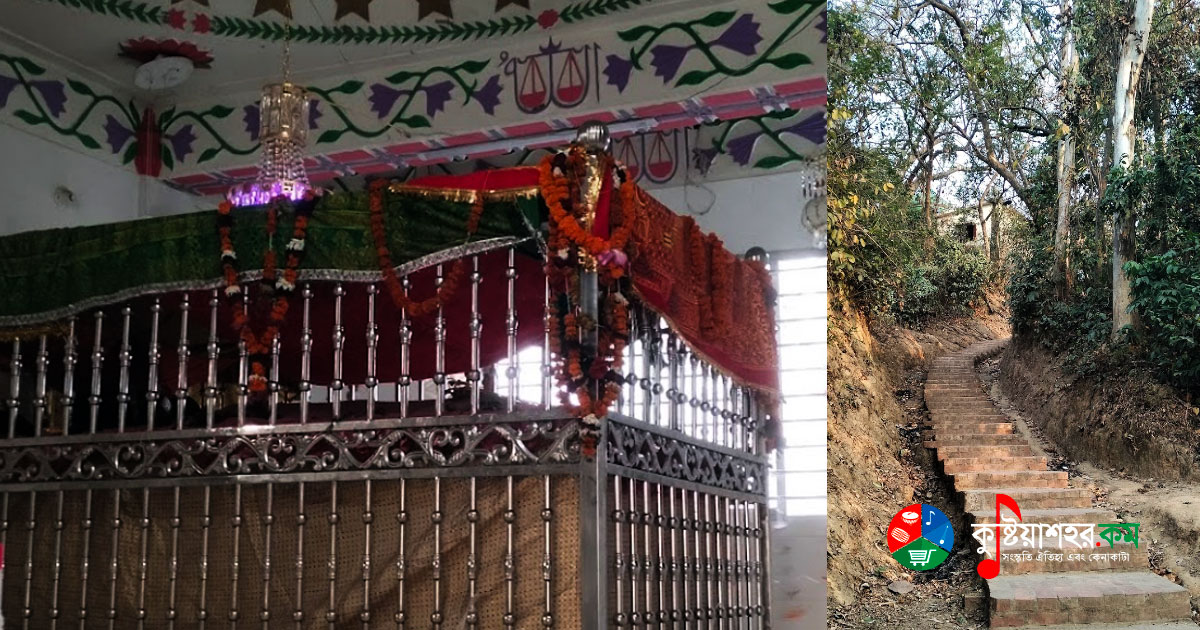
In 1303 Hazrat Shah Jalal (RA) came to Sylhet with 360 saints (auliya) to preach Islam. Among these 360 disciples one of the most notable was Syed Ahmad Gachhudaraj (RA). He was a person very close to Hazrat Shah Jalal (RA). The dargah of Hazrat Syed Ahmad Gachhudaraj (RA), located at Kharampur in Akhaura, is known throughout the country as the dargah of Kella Shahid or Kella Shah.
- Details
- Written by: সালেক উদ্দিন শেখ
- Category: Theology
- Hits: 5
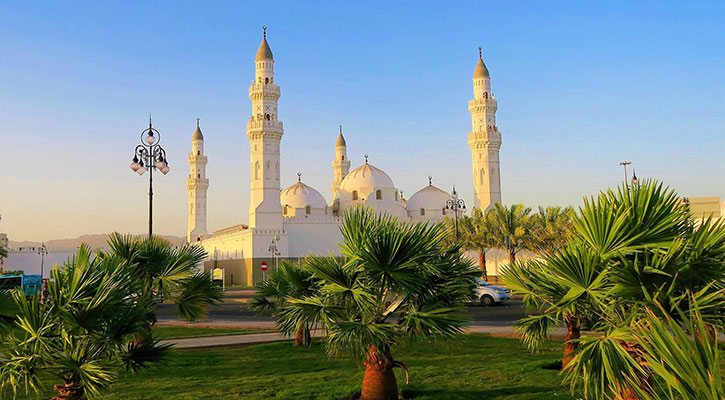
After attaining prophethood, the great Prophet Hazrat Muhammad (SAW) began preaching the religion of Islam in Makkah. Because of his preaching of Islam, the Quraysh inflicted cruel oppression and persecution upon the great Prophet (SAW) and his Companions (RA). Even after such persecution, when the great Prophet (SAW) continued his call to the faith, the Quraysh at one stage made a plot to kill the great Prophet (SAW).
- Details
- Written by: সালেক উদ্দিন শেখ
- Category: Theology
- Hits: 4
Hazrat Shah Sultan Qamar Uddin Rumi was a Sufi Muslim figure of the eleventh century. It is said that he was the first Sufi to travel to and settle in Bengal. His name is intertwined with the spread of Islam in Netrakona.
- Details
- Written by: সালেক উদ্দিন শেখ
- Category: Theology
- Hits: 3
Fanafillah, Babillah, Mahbube Chowhani, Qutbe Rabbani, Gaushe Samdani, Sultanul Auliya Darbar Sayyid Maulana Karam Ali Shah (RA) — the darbar sharif of the great Mahbub-e-Elahi. Hazrat Sayyid Maulana Karam Ali Shah (RA) of Sita Kund, Kumira is known as Dal Chaul Mia.
- Details
- Written by: সালেক উদ্দিন শেখ
- Category: Theology
- Hits: 4
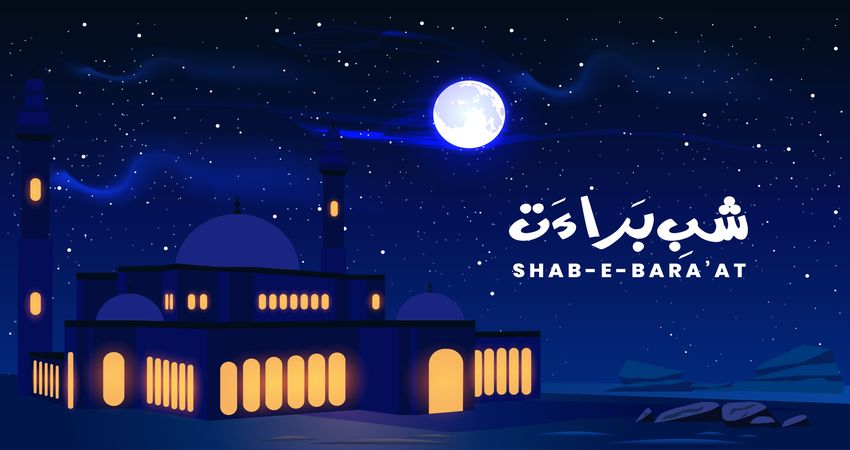
Shab-e-Barat is a word of the Persian language. 'Shab' means night, and the word 'Barat' means good fortune. In Arabic it is called Lailatul Barat, the night of good fortune. According to the exposition of the Hadith, on this night Almighty Allah forgives the sins of His servants and frees them from Hell.
- Details
- Written by: সালেক উদ্দিন শেখ
- Category: Theology
- Hits: 5
Did you know that the reward for giving charity in the month of Ramadan is greater? Did you know that the word "Ramadan" comes from the word "heat"? Interesting enough?
- Details
- Written by: সালেক উদ্দিন শেখ
- Category: Theology
- Hits: 5
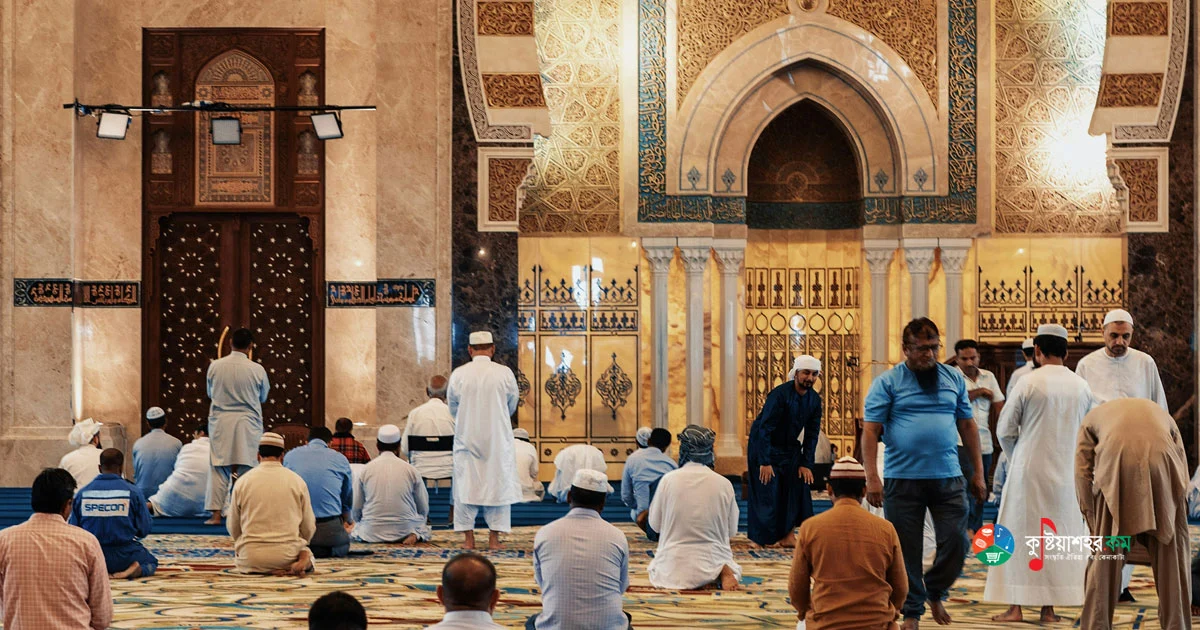
Among the many devotional practices Muslims observe at different times of the year is fasting (sawm). Muslims fast in various ways, all of which involve self-restraint. These include abstaining from eating and drinking, feeding the poor, remaining immersed in the remembrance of Allah, refraining from gossip or indecent speech, not being greedy with one's eyes or mouth, showing humility and purifying oneself.
- Details
- Written by: সালেক উদ্দিন শেখ
- Category: Theology
- Hits: 6
Ramadan is the ninth month of the Islamic calendar and an extremely sacred time for Muslims. The importance of the Ramadan of 2025 can be discussed from the following aspects:

- Details
- Written by: সালেক উদ্দিন শেখ
- Category: Theology
- Hits: 7
To Muslims across Bangladesh and the world, the month of Muharram is not merely a calendar entry — rather, it is a landmark of soul-stirring, self-sacrifice and deep history.
- Details
- Written by: সালেক উদ্দিন শেখ
- Category: Theology
- Hits: 6
One of the glorious nights of the Islamic calendar is Shab-e-Barat. The Persian word 'Shab' means night and 'Barat' means freedom or deliverance. That is, Shab-e-Barat is a night in which Allah Taala opens the doors of forgiveness, mercy and salvation for His servants. This night brings Muslims a unique opportunity for self-examination, repentance and self-purification.
- Details
- Written by: সালেক উদ্দিন শেখ
- Category: Theology
- Hits: 6
The history of human civilisation holds certain moments that change not merely the history of one nation or one land; rather their influence spreads from generation to generation, from society to society, and eventually into the history of the whole world. The arrival of the Prophet Hazrat Muhammad (SAW) upon the earth is such a historic event. Although he was born in the Arabian Peninsula of the seventh century, his life, teachings and ideals went on to deeply influence the thought, faith, morality, social order and culture of the people of vast regions of the world in later times.

- Details
- Written by: সালেক উদ্দিন শেখ
- Category: Theology
- Hits: 5
Hazrat Abdul Qadir Jilani (RA) is among those Sufi saints and religious personalities whose influence in the spiritual and intellectual history of Islam has extended century after century. He was a religious scholar, khatib, teacher and Sufi saint. In twelfth-century Baghdad his teaching, sermons and spiritual practice exercised influence over many people. Later on, a widespread Qadiriya tariqa grew centred on his name, and in various regions of the Muslim world he became a most highly honoured Sufi personality.