বাংলা
 English
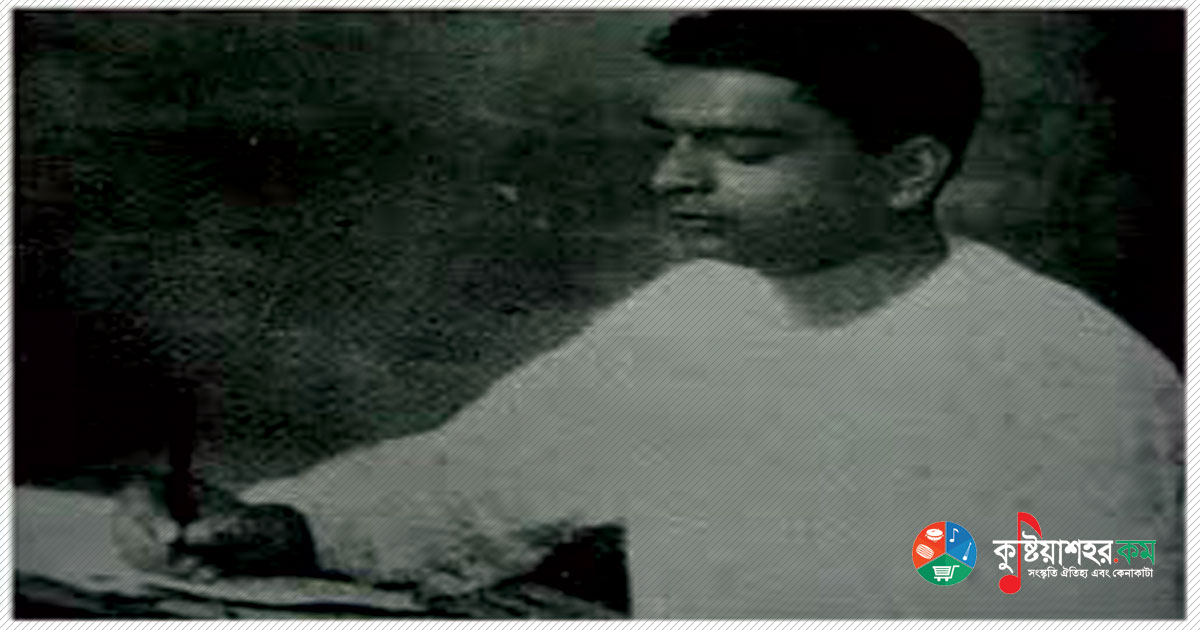
Jagadish Gupta (born 1886, died 1957) was of Kushtia town. His ancestral home was the village of Khordmaeghchari in Faridpur. His father Kailash Chandra Gupta practised law in Kushtia.
After Rabindranath and Sarat Chandra, Jagadish Gupta built a new dimension of reality. Insurmountable fate, the strange human mind and a pessimistic philosophy of life gave Jagadish Gupta's fiction its distinction.
His notable literary works are: Binodini (stories, 1927), Asadhu Siddhartha (novel, 1929), Romthon (novel, 1930), Ashyara (poems, 1932), Ruper Bahire (stories, 1930), Laghu-Guru (novel, 1931), Srimati (novel, 1931), Shutini (novel, 1933), Uday Lekha (novel, 1933), Trishit Srukkani (stories, 1933), Rati O Birati (stories, 1935), Upayan (stories, 1935), Shashank Kabirajer Stri (stories, 1936), Meghabritto Ashoni (stories, 1947), Mahishi (novel, 1929), Tatal Shaikote (novel, 1931), Andhajan Shalaka, Dayanand Mallik O Mallika (novel, 1939), Nishedher Potobhumikay (novel, 1952), Paik Srimihir Pramanik (stories, 1929), Kalyan O Surabhi (poems), Jothakrame (novel, 1935), Nanda Ar Krishna (novel, 1947), Dulaler Dola (novel), Nidrito Kumbhakarna (joint novel), Jaya (joint novel), Jagadish Gupta Granthabali (1935), Shonirbachhito Golpo (1959), Kalonkito Tirtha (1977), Jagadish Gupta Rachanabali (1978, Vol. 1, edited by Niranjan Chakrabarty), and the periodical: Gupter Golpo.
He passed away in 1957.