বাংলা
 English
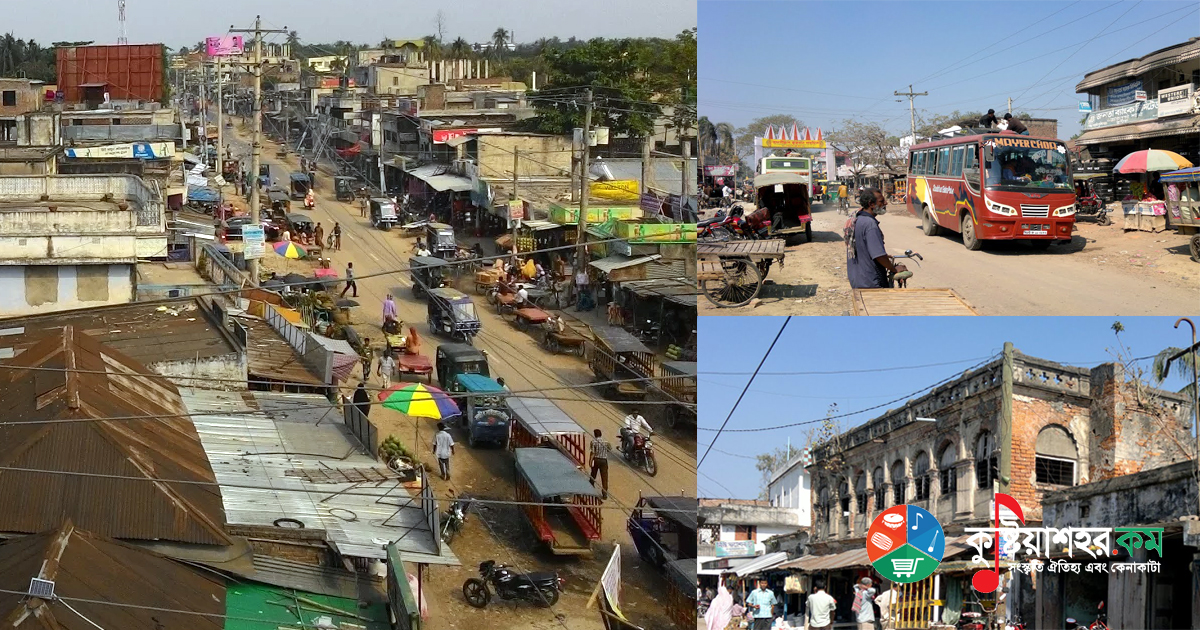
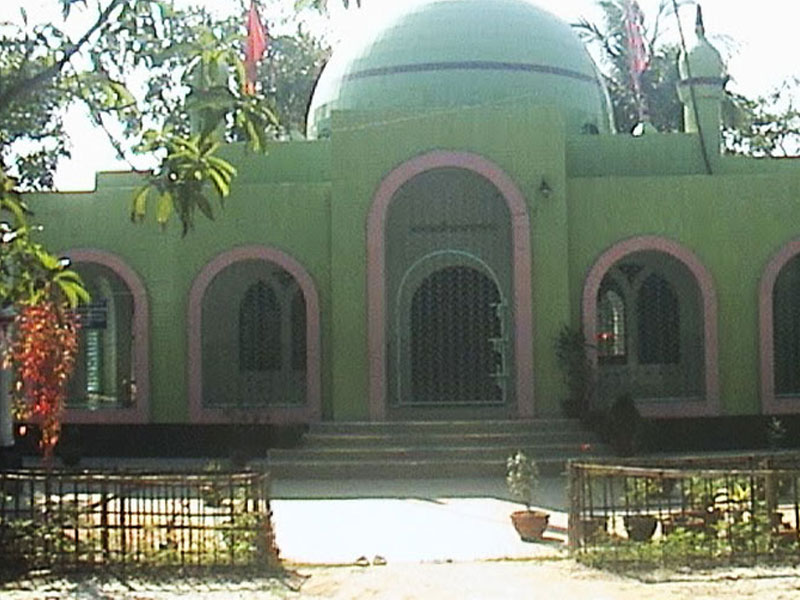
Allar Darga — at the very mention of the name a different kind of feeling stirs in the mind: surely there is some shrine or darga at Allar Darga. But in reality Allar Darga has no such shrine or darga worth the name. Yet the naming of Allar Darga has a history of astonishing events. In tracing the history of Allar Darga's naming, it is heard by word of mouth that some two and a half hundred years ago, during British rule, a family from Murshidabad in India lived with a few taluk of land in the village of Mirpur in Pierpur Union of Daulatpur Upazila of Kushtia District. The head of that family was Chhuti Mandal, and he had five children: Milan, Alam, Chand, Subad and Fatab Mandal.
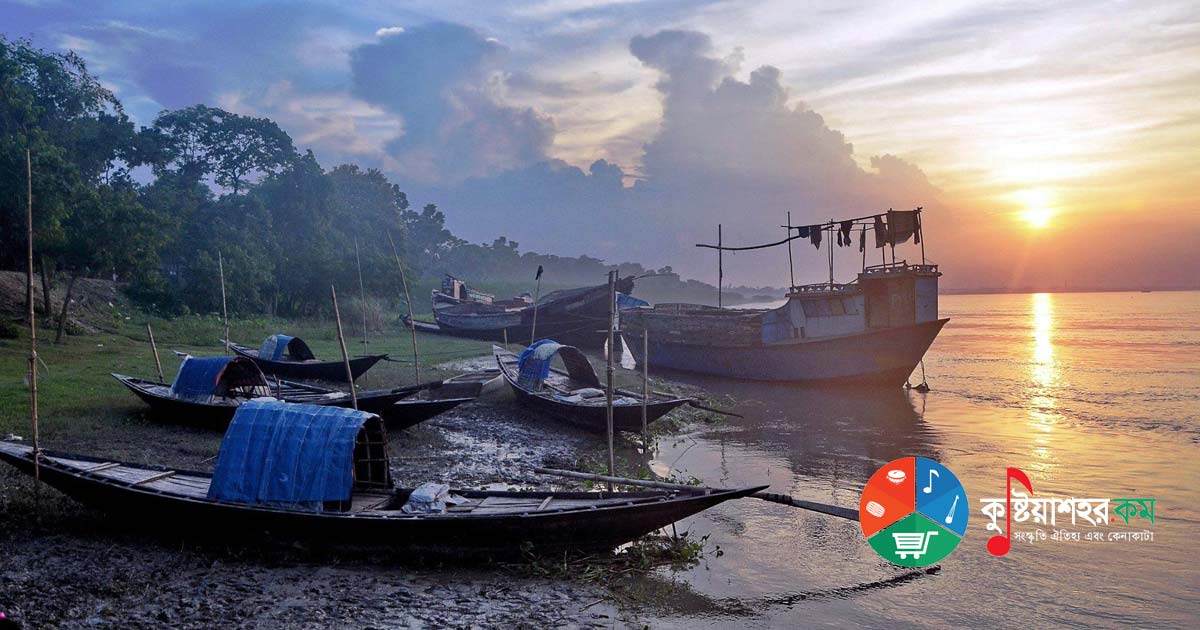
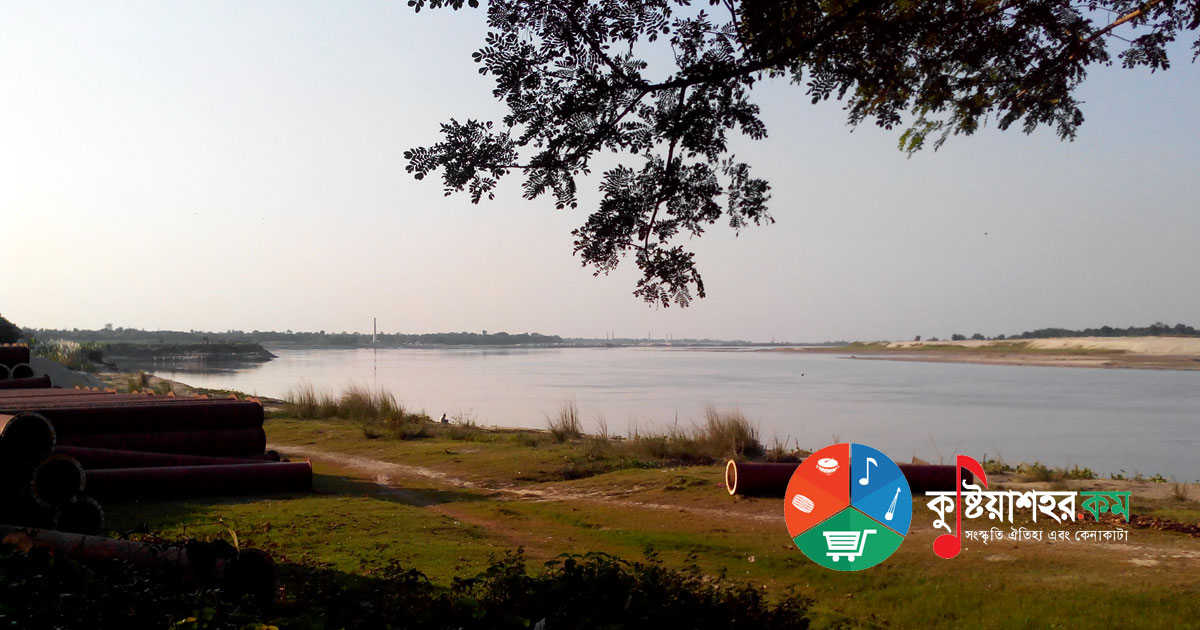
Of Chhuti Mandal's five children, Alam Mandal was a God-fearing man of dervish temperament, a man of the spiritual world. Chhuti Mandal's son Alam had built a place of worship in a quiet, secluded setting on the bank of the Ghola Daha — the present Hisna river — at the site of the present mosque. There is also a history behind the naming of the Ghola Daha river as the Hisna river. Because the Ghola Daha was connected with the Padma, its water was always muddy, and perhaps for this reason the river came to be known as Ghola Daha. In 1985 the late Prime Minister Shah Azizur Rahman officially changed the name of the Ghola Daha river and declared it the Hisna river. The Hisna was then in its full youth, an incomparably beautiful river; being a branch of the Padma, the Hisna river was the only route for transporting goods along with people. Boats and water-going vessels were the easy means of travel.
That is why the English chose this Hisna river of the Padma. On the bank of this river had grown up a village named Sonaikundi. Charmed by the incomparable beauty of the Padma, the English of that time built a kuthi on the bank of the Hisna river at the village of Sonaikundi. On the bank of the Ghola Daha — the present Hisna river — at the mosque site, Alam Fakir had built an ashram of devotion, which came to be known as Alam's Darga. Gradually shops, dwellings and an area fit for habitation grew up around Alam's darga. So the people of this area identified the place as Alam's Darga. Within a few years the name of the area became widely known as Alam's Darga. The God-fearing Alam Fakir fell into worry over the matter. How can anything in this world be said to be mine? What answer will one give to Allah after death? The great ascetic, at one point, called the people of the area together and said: nothing in this world is mine. The area you are identifying by my name as Alam's Darga cannot be so. Name this area after Almighty Allah Talah. Change the name of this area to that of Allah, the owner of all creation. This darga too is the fruit of His mercy; for this reason the name of the area should be Allar Darga. In accordance with the Fakir's words, the name of the area remains known as Allar Darga to this day. From an analysis of the life of Alam Fakir — a devotee of Allah possessed of spiritual knowledge — many miraculous events have come to light.
Alam Fakir was a witness in a case that took place beside Alam Fakir's darga. He went to give testimony at the Krishnanagar court in India of that time. Seeing the delay in his testimony, he approached the judge and said that if his testimony was to be taken, it had to be taken before noon. When the judge asked the reason, he said that after noon he would not remain in this world any longer. The curious judge, not believing the Fakir's words, became doubly curious; although he wished to take the testimony before noon, he arranged for it to be taken after noon in order to verify the truth of the Fakir's words. Alam Fakir did indeed pass away — gave up his life — on the veranda of the Krishnanagar court at midday. The body of the spiritually learned ascetic Alam was brought from Krishnanagar and buried in the family graveyard at his uncle's homestead in Harabhanga Mollapara village of Gangni Thana. The story of this burial has passed from mouth to mouth among the people of the area. The elders say that after the ascetic Alam's body was brought to Harabhanga village by bullock cart, it would go no further; when an attempt was made to force it on, no one could stay near because of the stench of the corpse, while when the cart was turned towards the village a sweet fragrance began to spread. For this reason his body was buried north of the then Ichamati river. Although the river no longer exists, even after so many ages the villagers carry the memory of the mark of his grave on the bank of the Ichamati river; his grave is preserved to this day. Even after the death of the ascetic Alam Fakir, quite a few miraculous events are heard of.
A Ghosh owed Alam Fakir three taka for the whey he had drunk. Suddenly the Ghosh met the Fakir at a place named Hawakhali in Bheramara Upazila. When the Ghosh spoke of the money he was owed, Alam Fakir told him to go to his house and to his wife — there was money on such-and-such page of the Holy Quran which she would hand over. The Ghosh did not know that Alam Fakir had died. As the Ghosh went to Fakir's house and told his wife the matter, everyone in the house was astonished, and to verify the Ghosh's words they all looked in the Holy Quran at that very page and found the money. Alam Fakir had forbidden the Ghosh to tell anyone that he had met him; if he told, the Ghosh would come to harm. Under pressure from the people of the house, the Ghosh at one point said that he had met Alam Fakir. Because he could not keep the Fakir's word, that day the Ghosh fell gravely ill and died a few days later. When this news spread through the area, a deep faith in Alam Fakir was born, and people began making votive offerings of various kinds at his darga site.
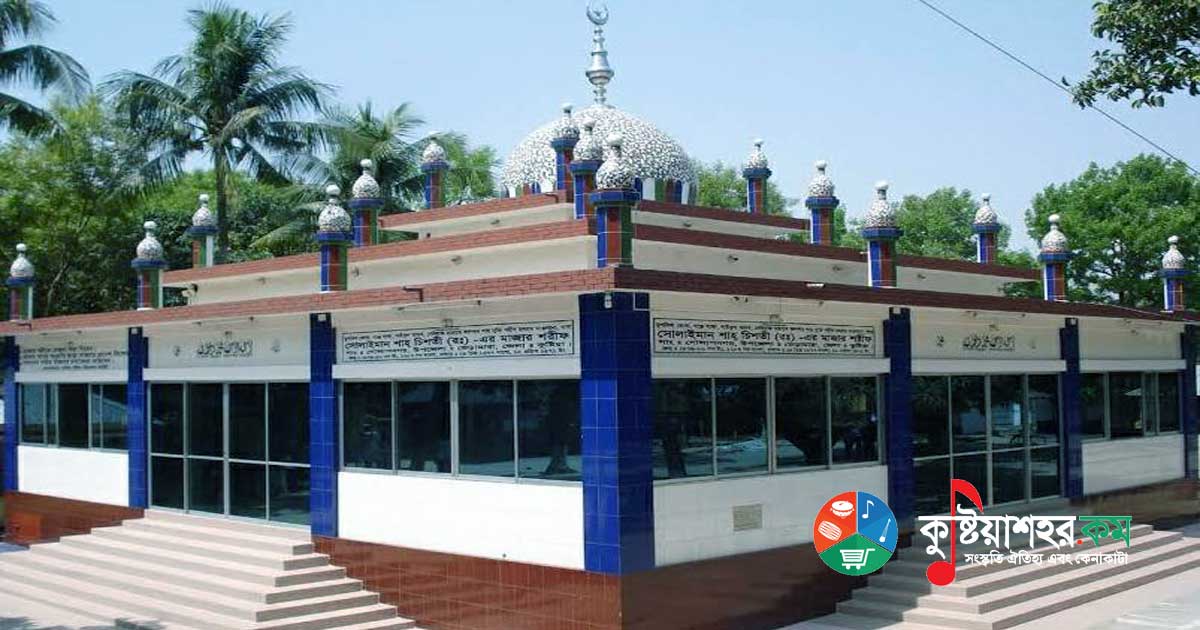
A number of events from Alam Fakir's lifetime are heard by word of mouth. He had many cattle. If anyone asked for them for ploughing, he would learn how much land was to be tilled; when the cultivator had ploughed exactly that amount of land, the cattle would walk no further. Again, if anyone asked for milk from a milch cow, he would learn how much milk the person needed; when exactly that amount of milk had been drawn, the milch cow would stop giving milk. After the Partition, during the Pakistan rule, at the direction of the District Administrator a mosque was built with a tin roof at the darga site. The mosque was named the Allar Darga Jame Mosque; this mosque and this area carry the memory of Alam Fakir's darga. In this way many lesser miraculous events amaze the people here. So people come from far and wide bringing goats and roosters, because they have vows to fulfil. Many astonishing things have been heard from them. By the blessing of this name the dignity of the place has remained unfaded through the ages. Miraculous events are still heard of; that is why many people wish to make votive offerings here to be freed of illness.
Khandkar Md Jalal Uddin
Allar Darga, Daulatpur, Kushtia.
Source: The Kushtia Report Twenty Four Dot Com.