বাংলা
 English
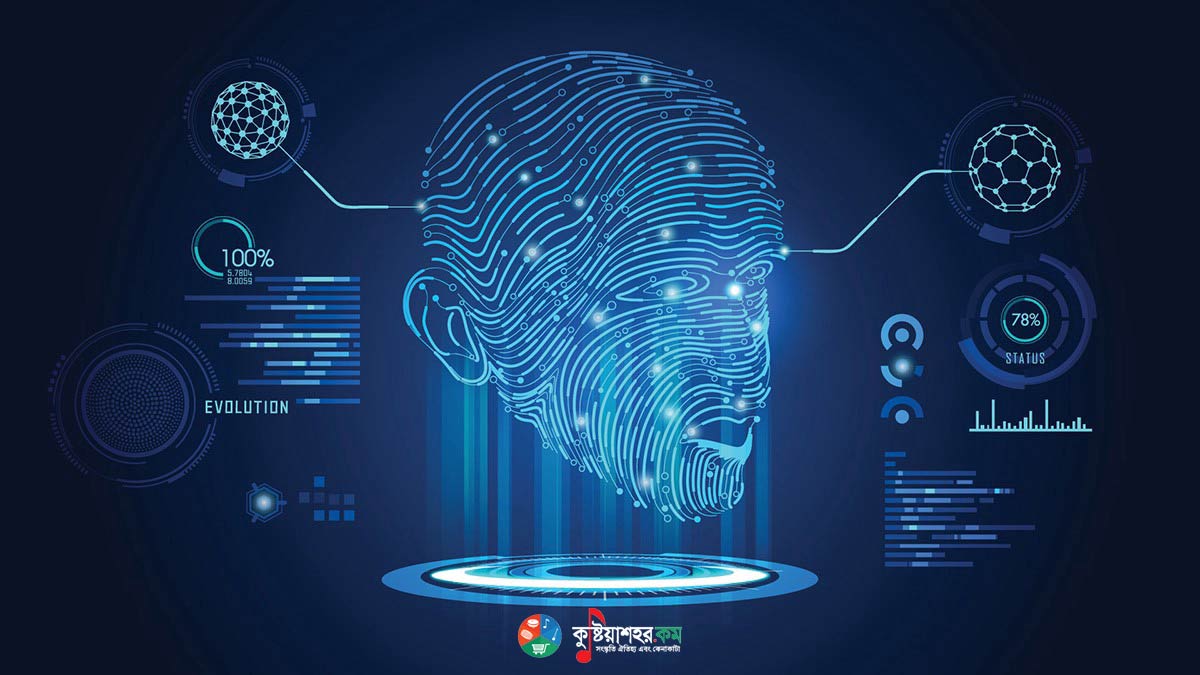
Technology refers to the practical knowledge of applying a species' various machines and natural materials. It also determines how well a species adapts to its natural environment and how it uses that environment. In human society, technology is a necessary result of science and engineering — though from many technological innovations, predictions of much knowledge in science and engineering have again been made. In the context of human society, technology may be defined thus: 'Technology is a set of practical techniques that man uses in the work of developing his surroundings.' The knowledge of any machine and natural material, and the ability to use it skilfully, is also called technology.
We use technology in order to control the world we live in. Technology is the use of knowledge, machines and systems — techniques that we employ in the interest of making our lives easier.
The Technology Life Cycle
The technology life cycle has four stages, as shown in the figure alongside. The four steps are:
- Research and development
- Ascent and commercialization
- Diffusion and maturity
- Decline and substitution
Fields of Technology
- Aerospace technology: the design and operation of small and large vehicles for space flight. Launching spacecraft, high-speed aircraft, aeroplanes, and the earth-based equipment used to guide spacecraft — all this is this technology's work. Geographic communication and methods of transmitting information developed from here.
- Agricultural technology: this technology combines modern laptops and the Global Positioning System with conventional tractors and other farming machinery. Its main work is to scrutinise every detail of food production and to increase productive capacity.
- Biotechnology: the study of the basic elements and units of life, such as cells, genes and bacteria.
- Construction technology
- Engineering technology
- Environmental technology
- Geographic information systems
- Information technology
- Manufacturing technology
- Marine technology
- Microtechnology and nanotechnology
- Chemical technology
- Transportation technology
Common Questions and Answers
Question: What is technology? What is the difference between technology and science?
Answer — Science: science is the acquiring of correct and complete ideas about everything around us in detail — nature, animals, space, the sea, the atmosphere. Forming ideas about the structure, nature and working of everything around us is science; and one who holds specialised knowledge of a subject is called a scientist.
Technology: putting the various discoveries of science to work to create something new and to raise the standard of life further — that is technology. One who puts science to such work is a technologist. The mobile phone, for example, is a contribution of technology, because every tiny part of it was invented by some scientist or other, and technologists combined those inventions to build the mobile phone.
So science is knowing the unknown and seeing the unseen; and technology is putting the various discoveries of science to work to create something new.
Question: Can technology improve our brain?
Answer: The very familiar machine called the computer was built in the image of the human brain. Now the human brain and the computer hold regular conversations in high-technology laboratories, and this communication grows by the day. What is the gain?
Think about it: paralysed people are now able to operate mechanical or robotic limbs by thought alone. This is widening researchers' span of hope. Perhaps one day it will be possible to upload the brain itself into a computer; in consequence, the physical strength of human beings will multiply many times over, because with the machine's help the capacities of both the human body and the human mind will grow.
Elon Musk, chief executive of the space technology maker SpaceX, has already begun working to realise this dream. To create a direct connection between mind and computer, he has taken ownership of an organisation called Neuralink.
What is Musk's organisation doing now? Latest of all, they have built 'Neural Lace' technology — a kind of conductor or wire to be placed in the brain to measure signals, for which surgery is required.
Given the many limitations of present technology, this project may seem over-ambitious; but technology researchers are working tirelessly for a breakthrough success.
The reality is that we have not yet reached there. Still, through combined effort, surely all the obstacles can be overcome.
Question: Can technology reduce poverty?
Answer: Science and technology can certainly reduce poverty, but they narrow the range of thought. In Karl Marx's view, so long as thoughts like 'I shall eat more, I shall wear more' do not leave the human mind, all of humanity's suffering will remain. Science and technology may increase people's mechanical comfort, but for poverty to be reduced, human awareness is essential.
Through technology we can acquire new skills. Here acquiring proficiency in the English language is an important matter — but in that field we suffer a terrible poverty. Running after the dream of establishing Bangla at every level, a great deal of our time has slipped by: we could not establish Bangla at all levels, yet alarmingly we lost our proficiency in English along the way. As a result, both English and digital technology now risk becoming golden deer for young society. Even so, the youth of Bangladesh still dream — but the question is, with poor knowledge of English, how far can they go in the fierce competition of digital technology? The success depends on how quickly and skilfully the youth of Bangladesh can master English.
Digital technology will help here too, because our schools and colleges lack sufficient equipment and teachers for teaching quality English. Some arrangements exist in the cities, but the situation in the villages is truly pitiful. What alternative arrangement could meet the enormous demand here? In the past decade Bangladesh adopted mobile technology with great success: mobile phones are now in the hands of 100 million people in the country. One may say 80 in every hundred people now own at least one mobile phone, and this extends to the remotest villages.
So for learning English quickly, the mobile phone can be an excellent medium. On the other hand, Bangladesh's performance in using computers and the Internet is very poor. Up to 2010 only 4 in every hundred people used the Internet by computer, and up to last year — 2012 — only 3 in every hundred could own a personal computer. But the number of cyber cafés has grown, and the number of computers in various institutions has increased. There are now more than 80 ISPs. How much of this is being used for education and the development of technology is hard to say. Setting aside how far technology has spread, the sad thing is that gender discrimination is very stark here too.
Although more than half of Bangladesh's population are women, in the education and use of digital technology girls are dangerously behind.
Question: Is technology a blessing or a curse?
Answer: Is technology swallowing up all our mutual friendship, love, affection, emotion, feeling, respect and tenderness? Or is its easy availability making us lazy? Unpleasant as these words sound, they are somewhat true. We are wrapping ourselves in technology so tightly that at times we behave like machines.
Alfred Nobel invented dynamite for creation, not for destruction. The rise and spread of technology is for the welfare of humankind. Man is the best of creations — for his emotion, feeling, love, conscience, humanity, hatred and sacrifice. Let us not become machines like the machines technology has created, because technology is for us — we are not for technology.
Question: Can one live forever by using technology?
Answer: Scientists are trying to connect the computer to the brain. If that succeeds, then perhaps something may come of it: it will make it possible to separate the human mind from the body, and a digital life may begin.