বাংলা
 English
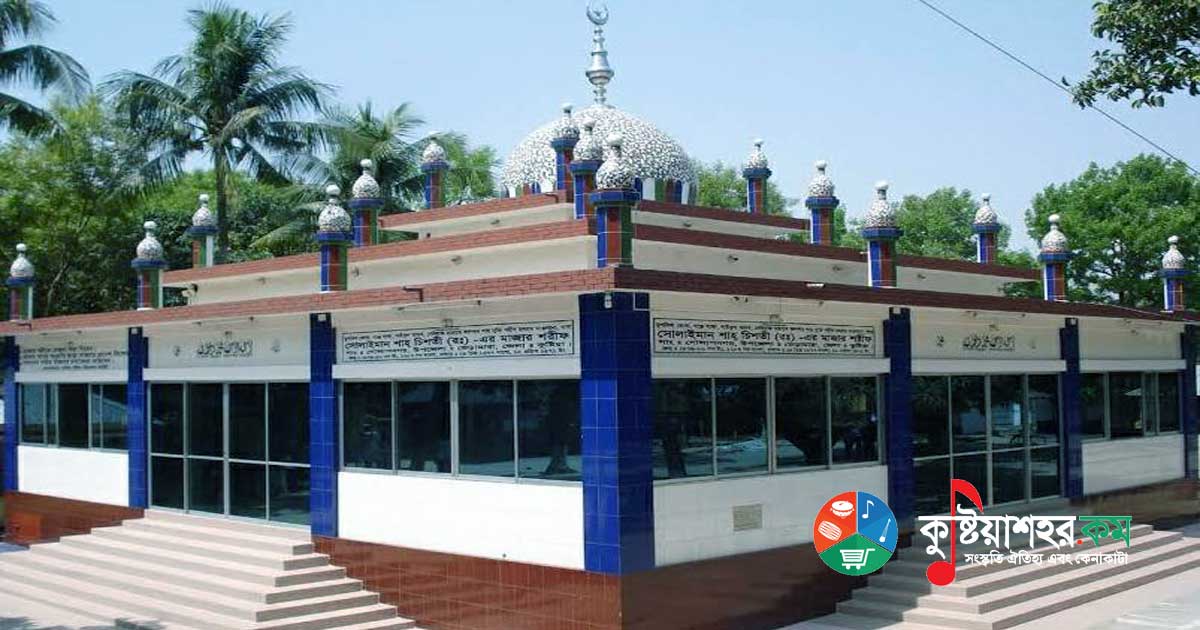
Solaiman Shah was a spiritual sage. The mazar of Solaiman Shah is at Golapnagar in Bheramara upazila of Kushtia. For his life and works, the spiritual sage Solaiman Shah still lives among thousands of devotees. That is why every year Golapnagar resounds with the footsteps of millions of devotees.
On the bank of the Padma river, a two-day fair of union sits with the devotees. The area resounds with the crowds of hundreds of thousands of devotees. Devotees in the mazar courtyard revel in spiritual devotional songs and jubilation. It is known that on the quiet west bank of the Padma river in Makarimpur union of Bheramara upazila, Kushtia, the char of Golapnagar, ringed by green trees in a delightful natural setting, is the sacred burial place of a spiritual sage. Here sleeps the great personality, the heart and soul of millions of devotees — Shah Sufi Hazrat Maulana Baba Solaiman Shah Chishti (R).
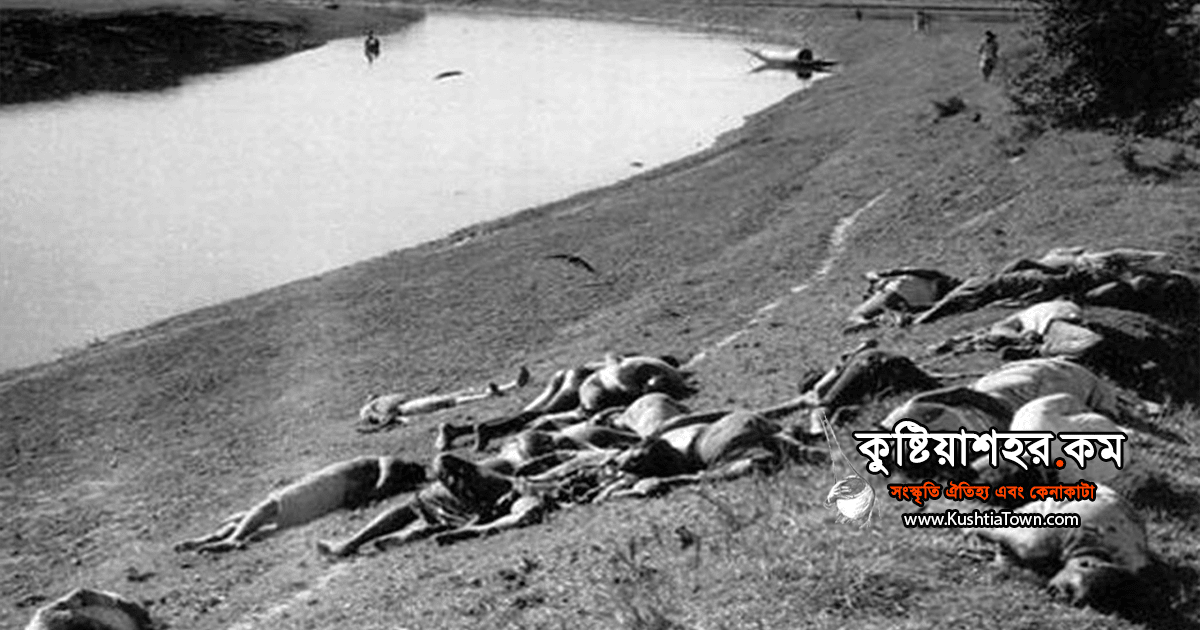
In 1971, during the Liberation War, he and eight of his companions were martyred in the Pakistani invading army's brushfire. Ever since, those devotees built the mazar sharif here. Every year on the 27th, 28th and 29th of Chaitra, irrespective of religion and caste, the urs is held, with people coming from remote parts of the country and from different countries of the world — India, Bhutan and Pakistan. Millions of men and women join the urs.
Hazrat Solaiman Shah (R) is one of those great personalities — auliyas, ghaus, qutubs, dervishes and fakirs — who were born in this subcontinent, that is Bangladesh, in the nineteenth century to preach the religion of Islam.
In the 1960s Solaiman Shah came and settled at a place near the bank of the Padma river. He lived there in a hut of straw. It is known that Baba Solaiman Shah was a man of Barishal district. On reaching youth, he left home and lived for some days in Karimpur thana of West Bengal, India, and at the Khajure border. From here he also stayed for a while in the chars of Rajshahi. Then he came from there to Ghoshpara village of Bheramara and stayed for some days under a babla tree in the field north of the Satbaria mosque as well.
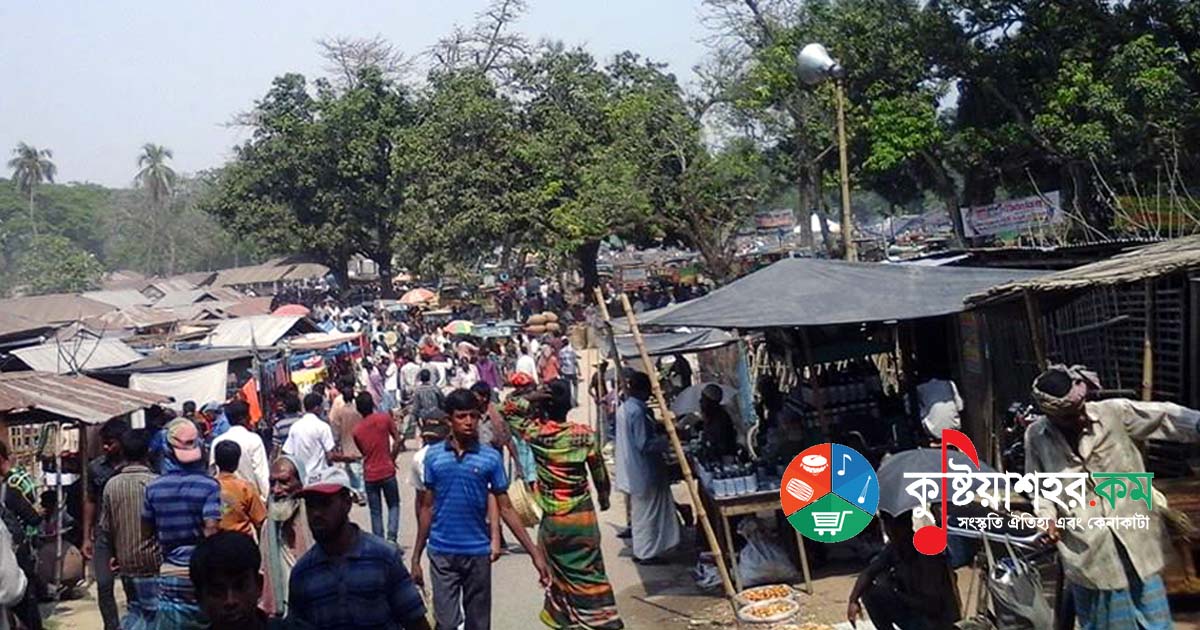
At last he settled on the bank of the Padma river at Golapnagar and began living there permanently. During the Liberation War in 1971, the Pakistani invading army crossed Paksey Ghat and entered Golapnagar. At that time Solaiman Shah was in his hut with his 8 murid devotees. In the Pakistani soldiers' brushfire, Solaiman Shah and 8 others were martyred. Ever since he and his companions were martyred, the sacred mazar sharif has grown up here. Every year the urs mubarak is held at the mazar sharif on the 27th, 28th and 29th of the month of Chaitra. Centred on the urs, various shops are set up in the mazar courtyard. Thousands of devotees hurry from remote parts of the country, drawn by Solaiman Shah.
Coming here, one's heart and soul become pure. Many also believe that one finds peace of the spirit.
How to Go:
From Kushtia one must come to Bheramara by bus, train or CNG. From Bheramara, Golapnagar can be reached by CNG, van or tempo. All told, the cost will be less than 100 taka.