বাংলা
 English
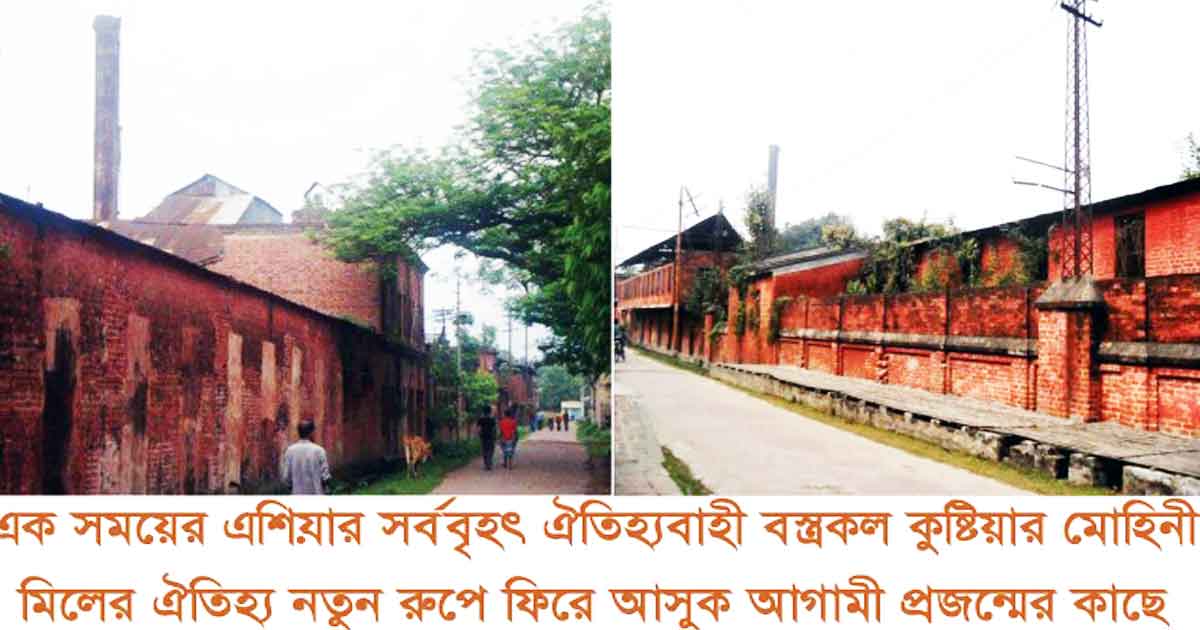
Once Asia's largest heritage textile mill, Kushtia's Mohini Mill was famed far and wide for the broad economic current it generated at the international level. But today, amid so much development across the country, the people of Kushtia express sorrow when they look at the mill's pitiful condition. Many believe that if the Bangladesh government now takes proper initiative to recover the mill and bring it back into operation with new technology in the interest of the nation's industrial development, Mohini Mill may perhaps once again regain the heritage of its lost days.
Will the economic driving force of that era, Mohini Mill and its landed property, vanish under the blows of time? If its machinery and property are to be saved, and the mill itself preserved, the government and the authorities concerned must now take fresh and proper steps in this regard. They, and the government, must be firm so that no one can divert this mill and its property to other channels through dishonest local individuals. Otherwise, if the mill is destroyed for good, or if its heritage cannot be restored in a modern form, the people of Kushtia will have to carry this shame before the coming generation.
For decades this mill has stood closed; its machinery is on the verge of destruction, while its land and unstable buildings, turned into abandoned ruins, are slowly disappearing. Although ownership and name have changed, it is worth investigating just how many crores of taka worth of machinery and property have been looted from Mohini Mill since it closed. Alongside this, local conscious circles fear that whatever remains may also be destroyed.
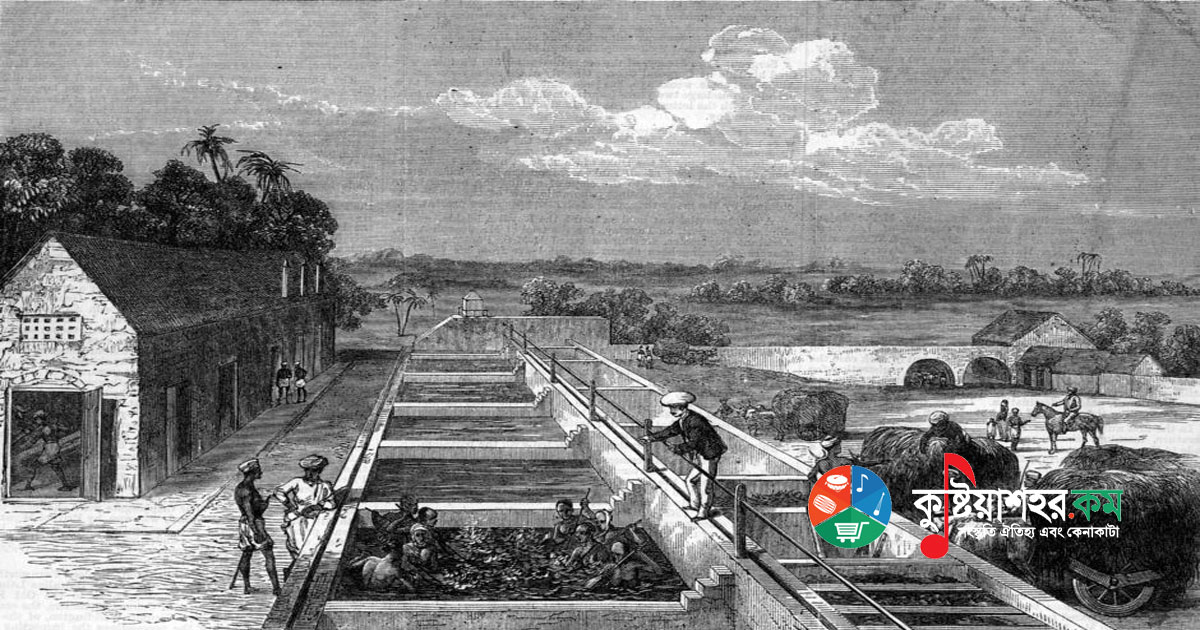
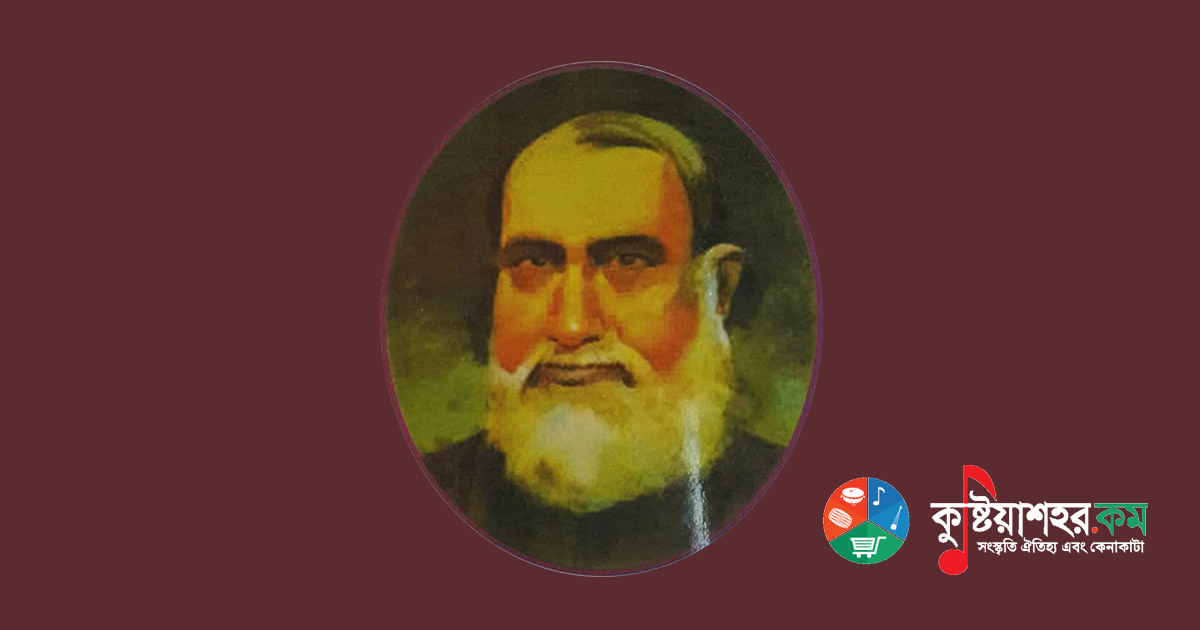
In that era the celebrated Indian businessman Mohini Mohan Chakrabarty set up a yarn mill in 1908 in the Millpara area on 100 acres of land beside Kushtia's big railway station. Later, after Mohini Mohan Chakrabarty's death, the mill began incurring huge losses every year owing to the misdeeds of various dishonest local individuals. Finally, in 1982 Mohini Mill was listed as bankrupt. It was then bought from the government by Mr Nazrul Islam, owner of Messrs Afsar Group Industries, and from 25 September 1984 it was renamed Shah Mazdum Textile Mills Limited. After some time, because of various local problems, it too was declared closed. But today, in view of reopening it under government initiative, all of Mohini Mill's lost machinery and land must be recovered. And considering the lost heritage, the people of Kushtia have sought the Prime Minister's immediate intervention to protect the mill and bring it back into operation.
It is learnt that the renowned Indian businessman Mohini Mohan Chakrabarty established the mill. At that time he imported brass handloom machines and about 200 looms made of brass from faraway England and installed them in his mill. Among the handful of modern yarn mills then working in different parts of India, Mohini Mill was one. Nearly three hundred workers laboured there. The yarn produced at this mill went to all the provinces of India, as well as to Burma, Pakistan and Sri Lanka. The mill, however, had begun production with just eight looms; Mohini Mill later expanded its reach, and its workforce rose to nearly three thousand. Mohini Mill's sarees and dhotis won popularity across Bengal. The mill was famed as the largest cloth mill in the whole of Asia, and on it hung the livelihoods of many people. Similarly, conscious circles believe that the heritage of Mohini Mill should return in a new form to the next generation.