বাংলা
 English
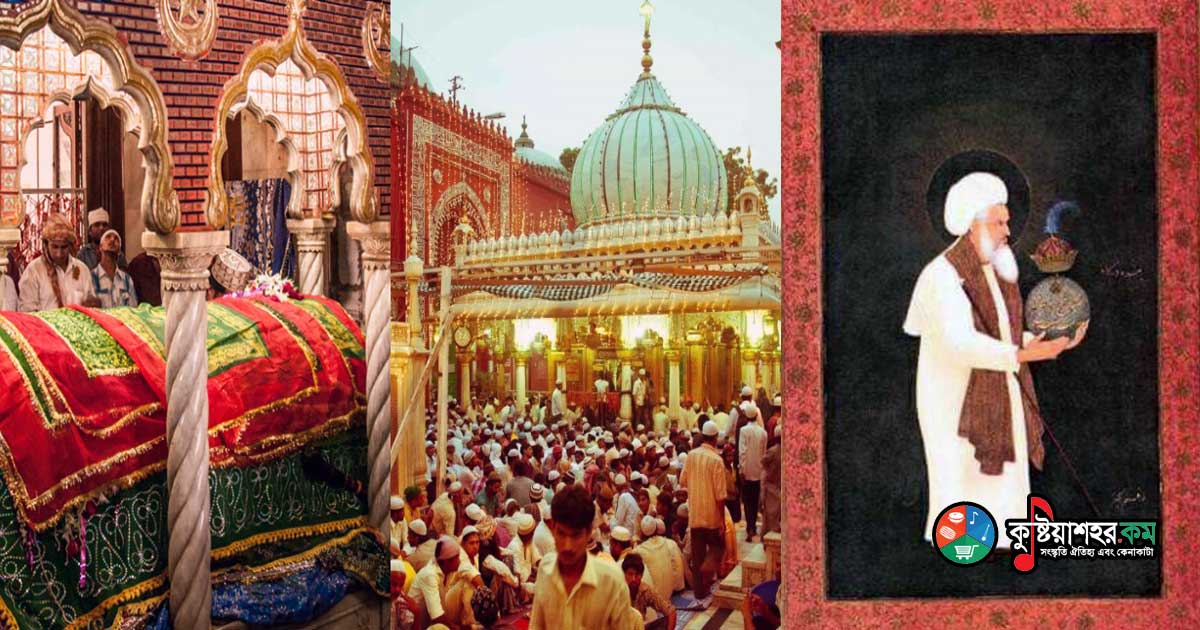
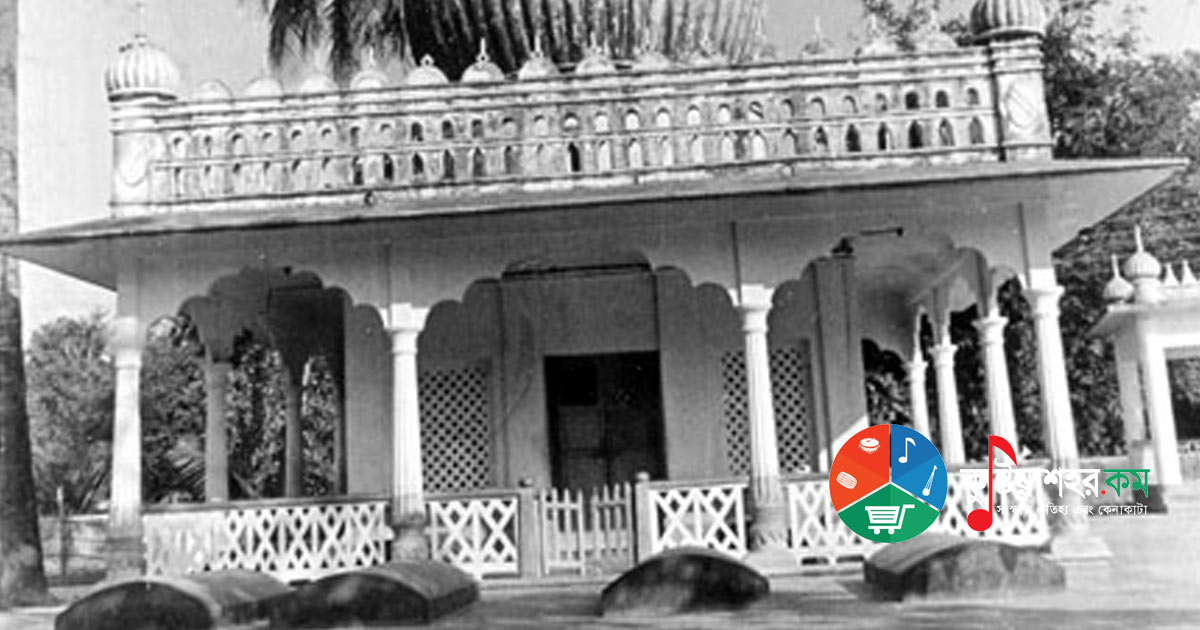
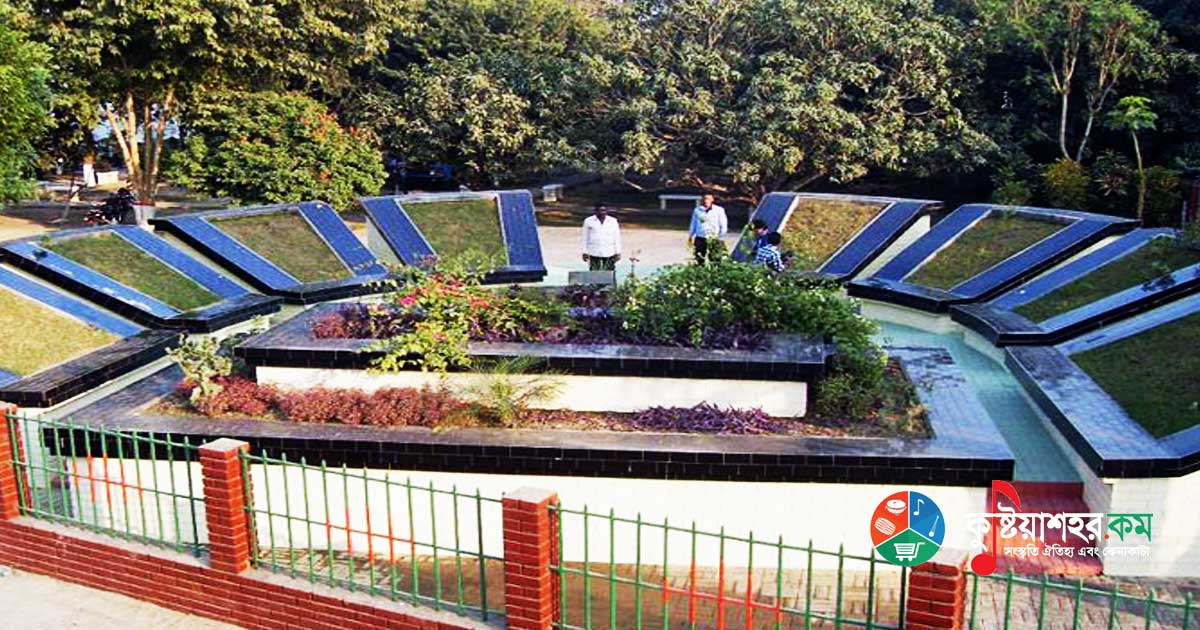
The shrine of the Baul emperor Fakir Lalon Shah in Cheuria village under Kumarkhali thana, adjoining Kushtia town, is one of the most important historical and sightworthy places of Bangladesh. The mystic sage Fakir Lalon Shah sang the triumph of man and humanity, forgetting all distinctions of caste, religion, tribe and colour. That is why the songs of Lalon stand established across the world as the unforgetting message of humanism, and the Lalon shrine at Cheuria, bound up with the memory of Fakir Lalon, is today a well-known historical and archaeological place across the whole world. And to Lalon's followers and the Baul community it counts as nothing short of a place of pilgrimage.
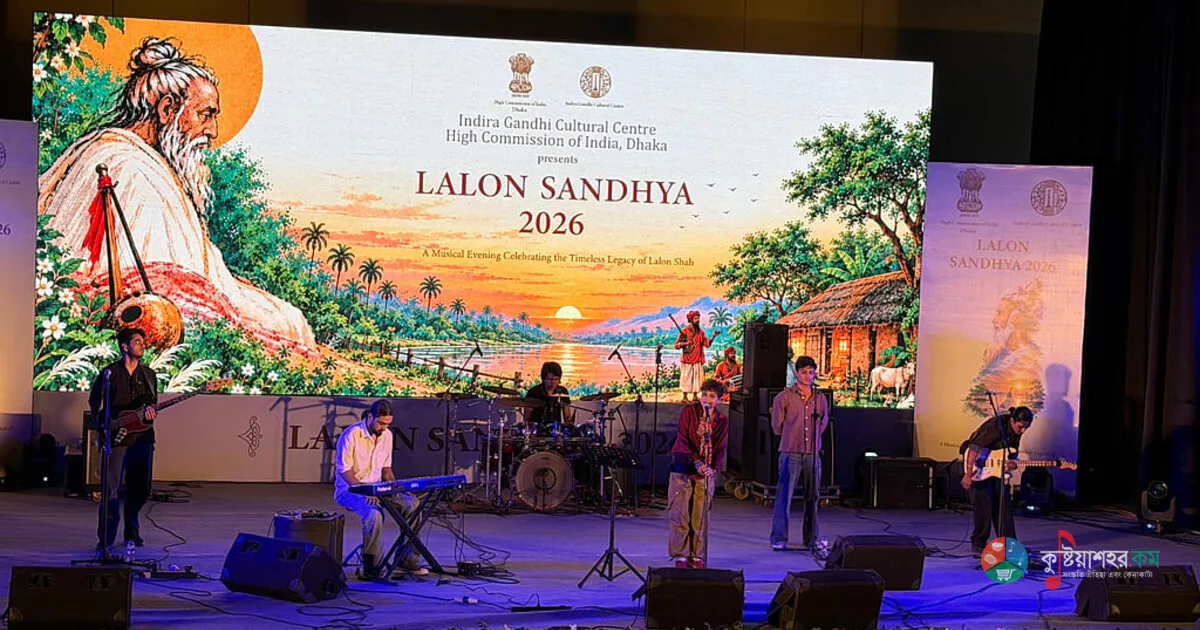
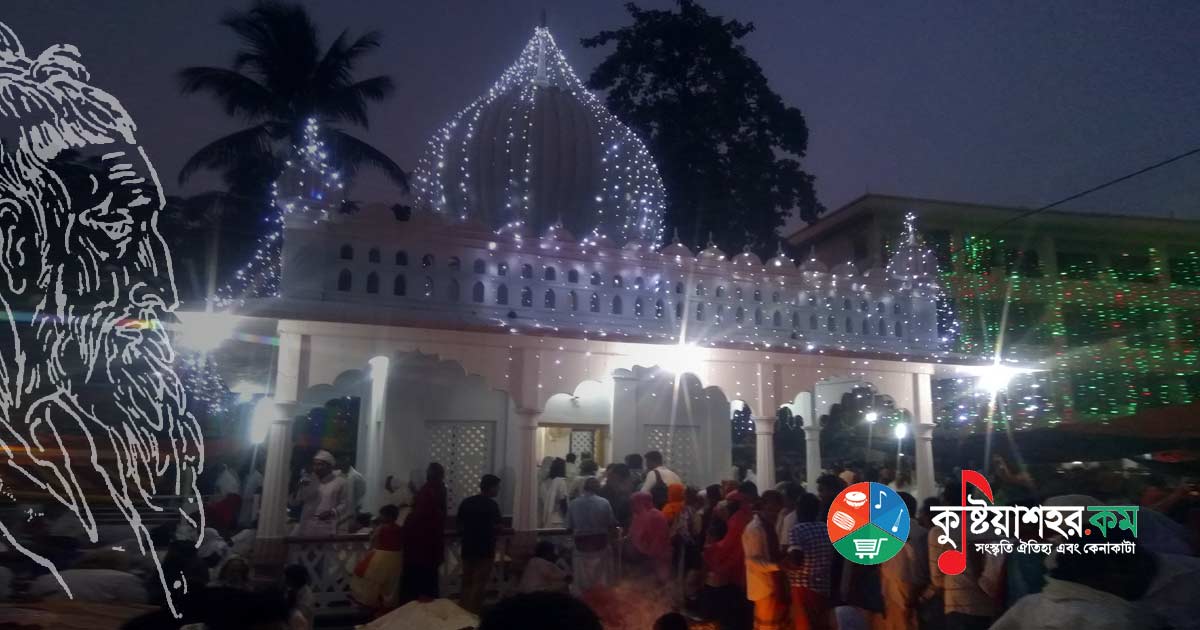
The two principal Lalon events of the year — the “Lalon Smriti Utsab” at Dol Purnima and the “Lalon Tirodhan Dibas” on the first of Kartik — turn the shrine courtyard and the entire surrounding area vibrant with the footsteps of lakhs of Lalon admirers, devotees, Bauls, sadhus, gurus and visitors from the remotest parts of Bangladesh and from abroad during their three-day national-level programmes. Besides, almost every day of the year the place sees “educational tours” by students of various institutions from different corners of the country, various pleasure trips, and the arrival of domestic and foreign tourists. And all this together has made the Lalon shrine of remote Cheuria not only the emblem of Kushtia district, famed as the “capital of arts and culture”, but the living symbol of the secular and humanist Bengali nationhood of all Bangladesh.
From time immemorial, among the meditation-absorbed sadhus, gurus and devotees of the Lalon school there has been a practice of taking tobacco or cannabis (siddhi in the sadhus' language) as an adjunct to a musical discipline. The taking of siddhi is intricately bound to the Lalon shrine and to Baul culture, and this is common knowledge. Since tobacco and cannabis fall under narcotics, their open, wanton use and trade have always been under the strict watch and control of the law-enforcing agencies. Though during the periods of the two Lalon events of the year, the administration has, by unwritten convention, somewhat relaxed the ban on the devotees' tobacco use in the field adjoining the Lalon shrine and the areas connected with it. This has been the way for many years. It needs to be mentioned here that since the main part of Lalon's shrine is the tomb itself, it is for all time a completely smoke-free area.
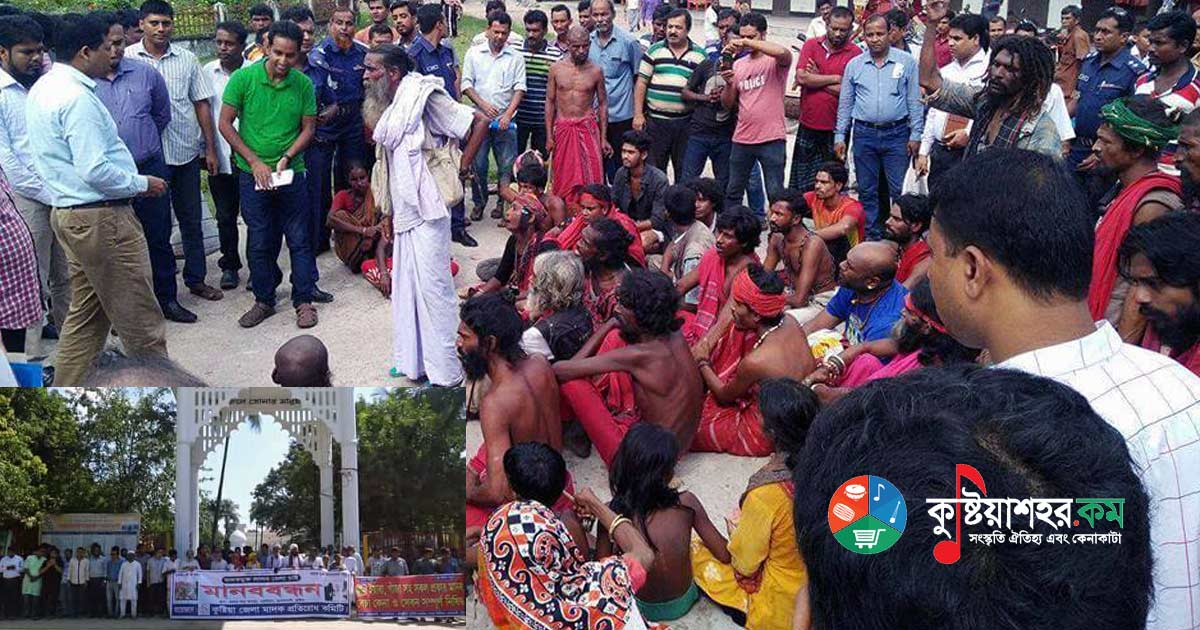
Of late, for quite some days it has been observed that in the field adjoining the Lalon shrine and the neighbouring areas, under the banner of the “local campaigners”, some youths, in the name of eradicating drugs, have been very busy insulting, disgracing and physically assaulting the incoming Bauls, sadhus and Lalon followers and snatching money and mobile phones from them. In this regard they have formed an “anti-drug human chain” and hung a digital banner in the shrine courtyard reading “the sale, purchase and use of all kinds of narcotics, including yaba and cannabis, are completely forbidden” — which at first gives those coming from afar a negative impression of the Lalon shrine area. At first sight it seems a most commendable initiative, but according to various sources, behind it operates a murky-water fishing type conspiracy of some locally interested quarter.
The dreadful spread of narcotics is a social malady of our country, and the trade or use of drugs at every stratum of society must surely be resisted. Not only the Lalon shrine of Kushtia — society, town, village, the whole country — every conscious citizen will wholeheartedly support resistance to the dreadful claws of every kind of drug. But the question is: does not this sudden “anti-drug activism” of a handful of over-enthusiastic youths in the Lalon shrine area, and their harassment, persecution and plunder of visitors in the name of eradication, rather provoke the young community the wrong way about drugs! At the same time many feel that such conduct is also tarnishing the image of the traditional Lalon shrine. Not only that; one inquiry has learned that most of the youths involved in this activism are themselves drug users, and a few are directly involved in the drug trade. It has even been learned that the patrons and instigators of this group are the greatest beneficiaries of the long-running drug trade centred on the Lalon shrine, especially the cannabis traders.
In this connection one may quote an advertisement of the world-famous cigarette company “Abdullah”. One advertisement said, “No smoking; not even Abdullah”! Here, rather than a call to abstain from smoking, what is noticeable is the quiet attempt, as an advertising ploy, to draw smokers towards the “Abdullah” brand. Similarly, many in civil society have opined that hanging a digital banner with an “anti-drug appeal” in the area adjoining the Lalon shrine is on the contrary complicit in provoking ordinary people, especially the young community, towards drugs. That is, if the area adjoining the Lalon shrine is awash with narcotics like yaba and cannabis, it is exactly that which the banner advertises. And the biggest point is that the administration is always active in drug control. For geographical reasons, the Lalon shrine area is in an even stronger position. In these areas the Kushtia Sadar thana, Kumarkhali thana, Milpara outpost and Bandh Bazar police camp keep regular watch. Besides, the patrol teams of RAB and the operations of the Department of Narcotics Control's own force are there as well.
Now the question is: after all this, why did this handful of youths of the area suddenly have to take up so eager a role, raising the cry of drug eradication? And in playing that role, why did they have to take the path of violence — humiliating without discrimination the incoming Bauls, Lalon followers or visitors, and when occasion offered, snatching their mobile phones and money? Do this handful of youths and their instigators, then, hold up a thumb of no-confidence at the role of Kushtia's efficient law-enforcing agencies!
One more point must be highlighted here: the philosophy of Lalon is intensely non-communal, and believes in the equal dignity of all people irrespective of caste, creed or lineage, especially of the simple people, the marginal communities. For that reason Lalon's followers have always been oppressed and maligned by religious orthodoxy. Even one and a half to two hundred years ago, Lalon Saiji himself drew the venom and wrath of the then orthodox Muslims and Hindus alike, and was attacked by them again and again. Lately, only a few years back, religious militants in the neighbouring Pansha area of Kushtia humiliated several Lalon followers and cut off their long hair. That incident roused the progressive, free-thinking practitioners of the whole country, and they raised their voices in a countrywide movement.
Even now, in this age of globalisation, religious zealots hurl venom at the philosophy of Lalon whenever they get a chance, and to these groups the Lalon shrine remains an untouchable place. So in such a reality, spreading any slander centred on the Lalon shrine means, in effect, directly or indirectly doing the religious militants' work of enraging people against Lalon Shah's shrine!
A humble appeal remains to the authorities concerned to take the necessary steps to keep the Lalon shrine free of all wrongdoing, controversy and corruption.
Victory to the guru. Victory to humanity. Alek Sai.
Source: Daily Andoloner Bazar, 17 October 2017.