
 বাংলা
 English
Kushtia
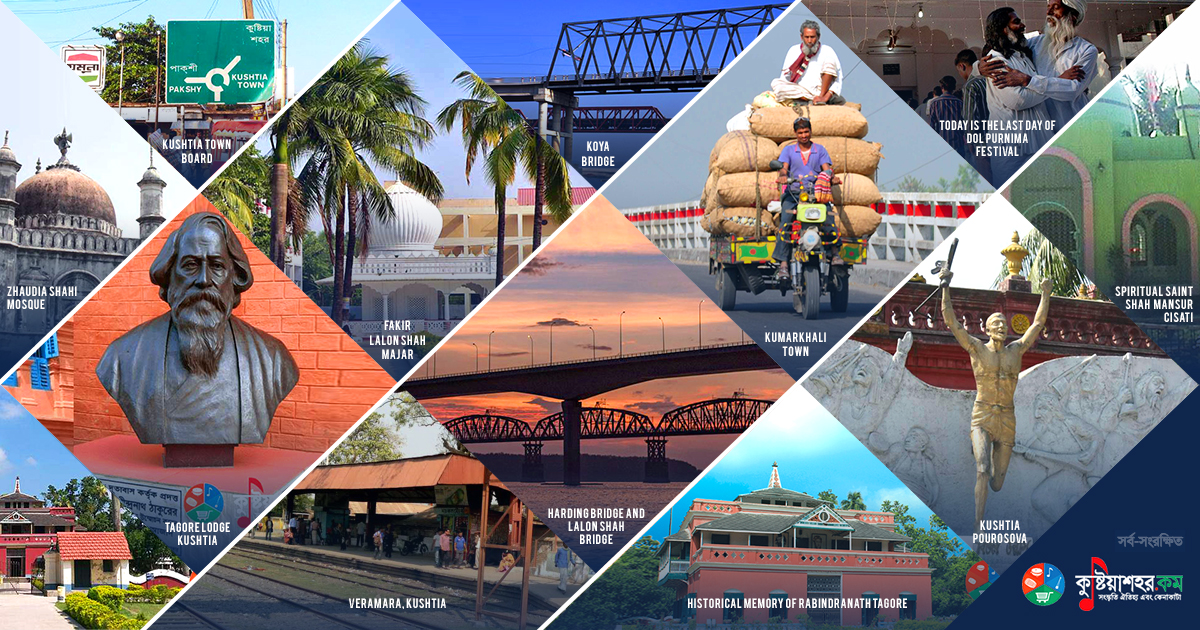
Greater Kushtia: the heart of history, culture and industry.
- Details
- Written by: সালেক উদ্দিন শেখ
- Category: Kushtia
- Hits: 2
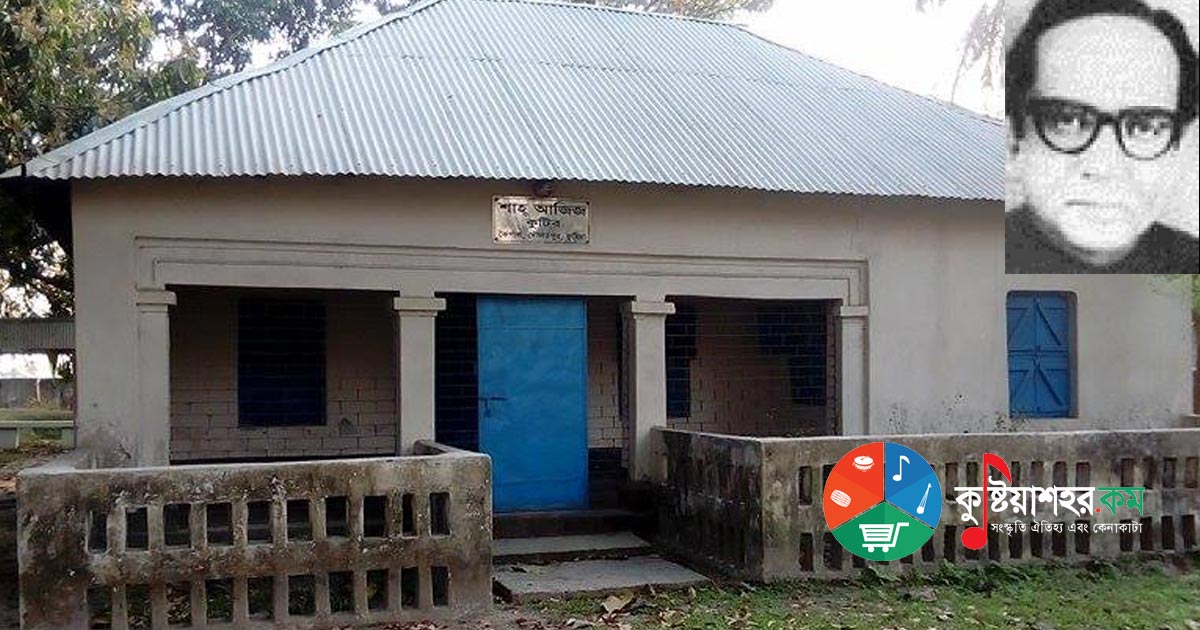
Shah Azizur Rahman (1925-1988) was a former Prime Minister of Bangladesh. He was born in Kushtia in 1925. He was involved in politics from his student days and played an important role in the anti-British movement on behalf of the Muslim League.
- Details
- Written by: সালেক উদ্দিন শেখ
- Category: Kushtia
- Hits: 4
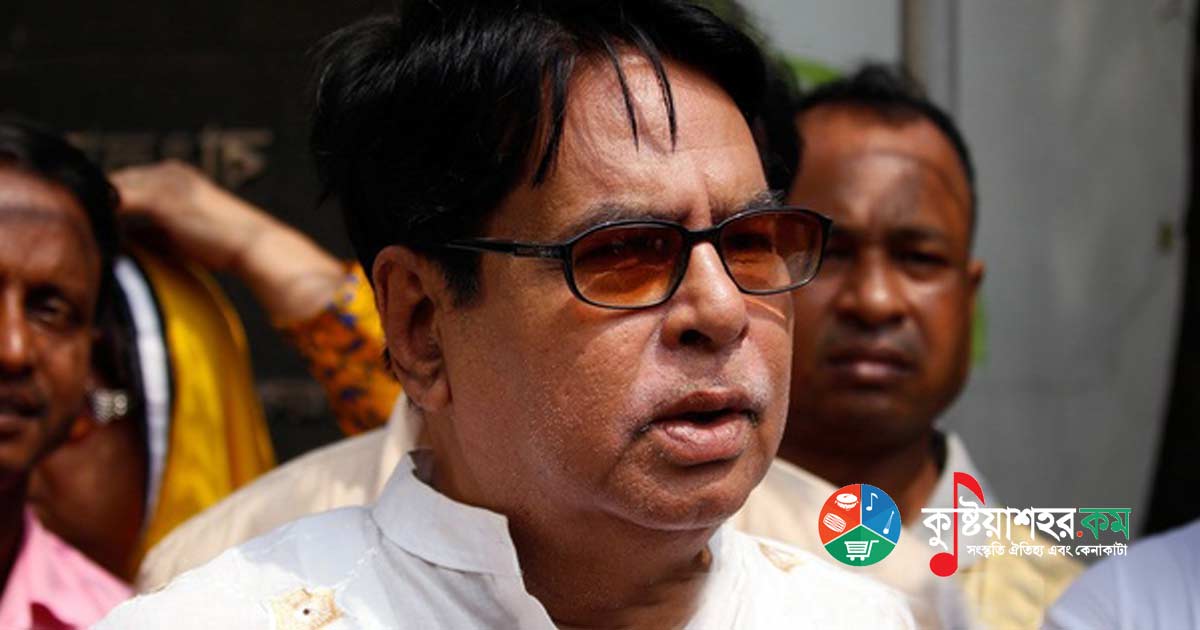
Miju Ahmed (17 November 1953 - 27 March 2017) was a Bangladeshi film actor. His birth name was “Mizanur Rahman”; he was born in Kushtia town. He made his film debut in 1978 by acting in Trishna. He was also known in the Dhallywood quarter as a producer. Ahmed was, above all, widely known in Bangla cinema for his villain roles.
- Details
- Written by: সালেক উদ্দিন শেখ
- Category: Kushtia
- Hits: 4
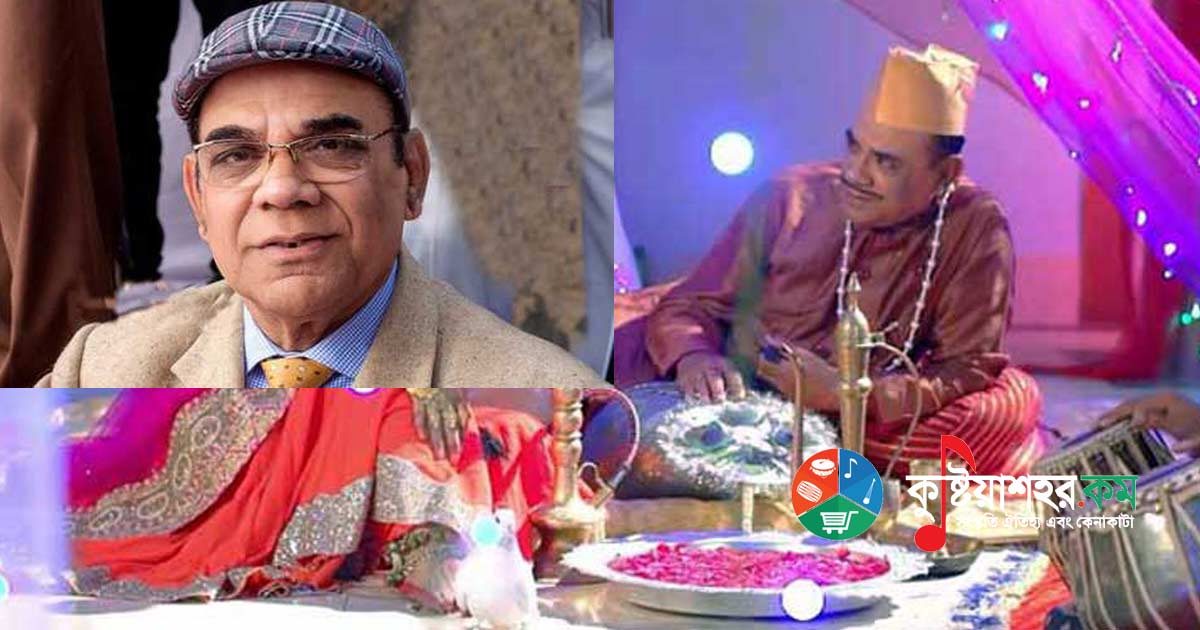
Ahmed Sharif (12 August 1943) is a Bangladeshi actor. He was born in the village of Bania Para in Kushtia district. He has acted in more than eight hundred Bengali films. Although he made his name as a villain, he has also played many different kinds of roles in numerous films. His notable films include Arunodoyer Agnishakshi, Denmohor (1996), Tin Kanya (1985), Bonduk and others.
- Details
- Written by: সালেক উদ্দিন শেখ
- Category: Kushtia
- Hits: 3
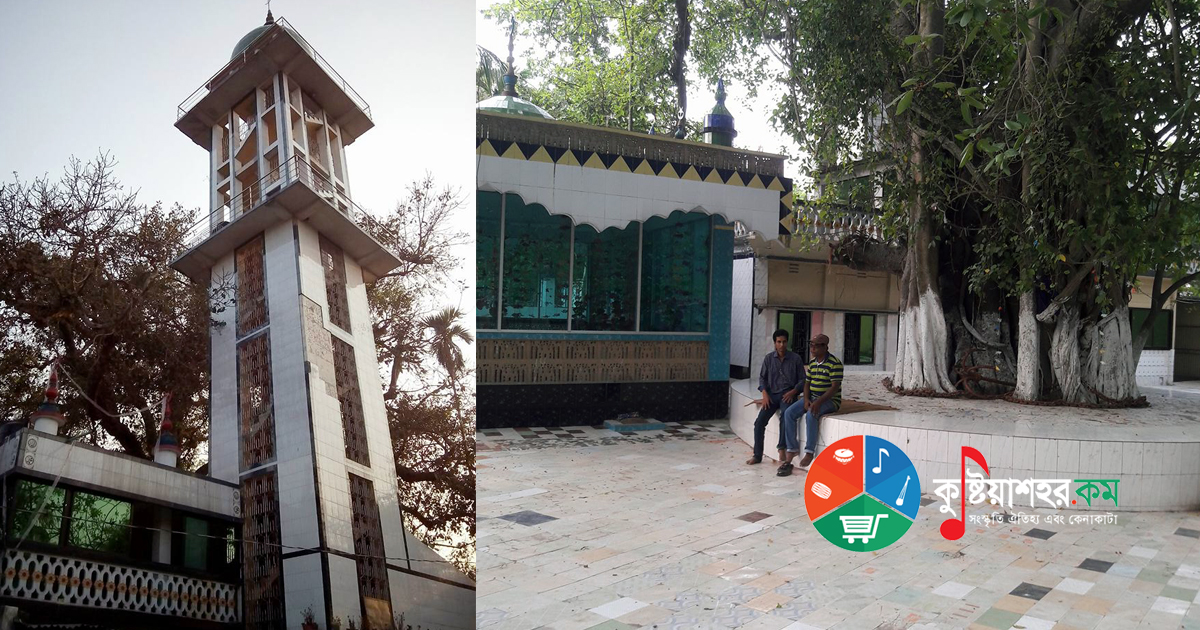
Hatsh Haripur is one of the important villages of Kushtia district. This village is the birthplace of poets, writers, industrialists, engineers, pirs and dervishes, Bauls and countless people of talent. The people of Haripur continue to play an important role in the commercial development of Kushtia town. They set off for work as soon as they rise from sleep, spend the whole day busy at work in Kushtia town, and in the evening return to their own nests. Experts believe that in the days ahead this Hatsh Haripur union will come to be known as a suburb.
- Details
- Written by: সালেক উদ্দিন শেখ
- Category: Kushtia
- Hits: 4
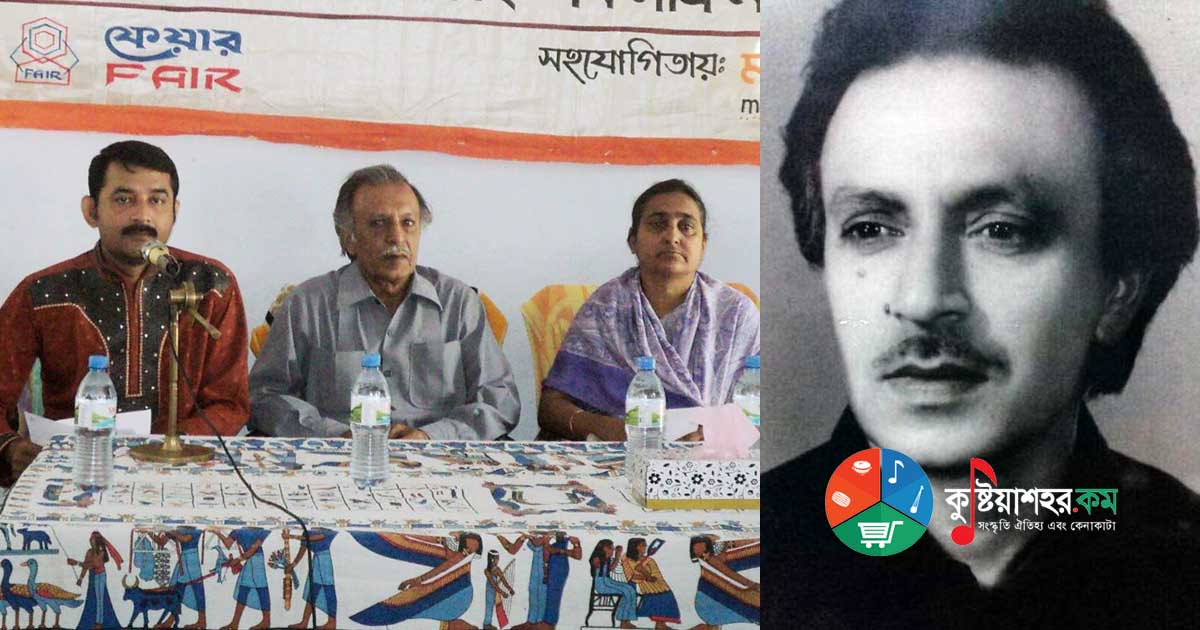
Advocate Badruddoza Gama (born: 1937, died: 29 July 2017) was a veteran guardian figure of Kushtia. In his short life he earned many identities — broadly, member of parliament, municipal father, district council chairman and social worker.
- Details
- Written by: সালেক উদ্দিন শেখ
- Category: Kushtia
- Hits: 3
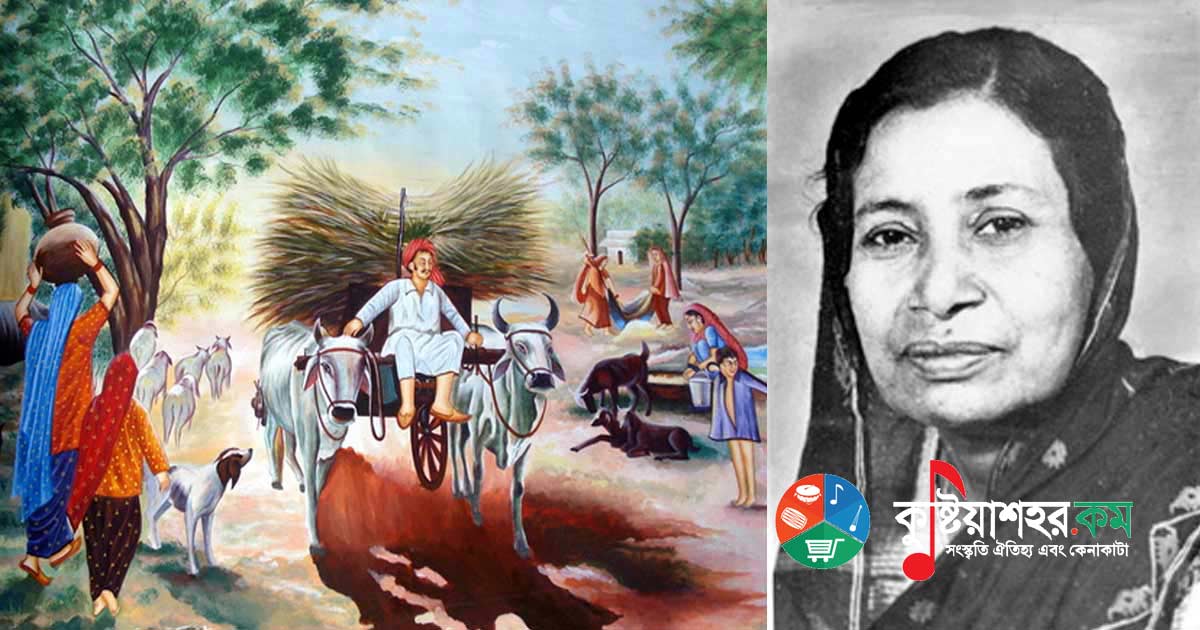
Mahmuda Khatun Siddika (born 16-12-1906, died 02-05-1977) was a litterateur. Her ancestral home was the village of Niamat Bari in Kushtia district. She was born in Pabna. Her father, Khan Bahadur Mohammad Solaiman, was a divisional school inspector, and her mother, Syeda Rahatunnesa Khatun, was devoted to literature and music. Mahmuda was the second of six sisters and one brother. In the poems and fairy tales she wrote in her adolescence her name appears as Sree Rokibunnesa Mohammada Khatun; at that time her nickname was Batashi.
- Details
- Written by: সালেক উদ্দিন শেখ
- Category: Kushtia
- Hits: 4
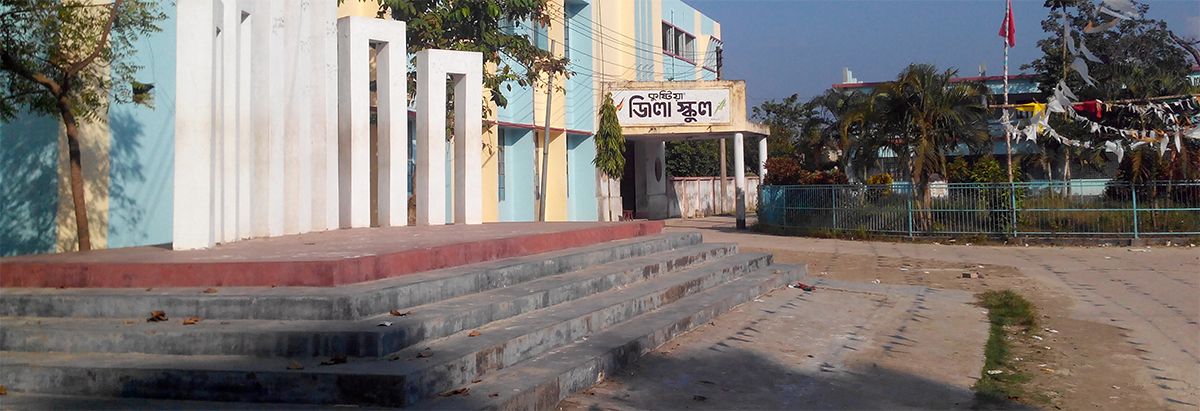
Kushtia Zilla School is one of the notable educational institutions of Bangladesh. The school was founded in 1961 at Kushtia Sadar. Since its establishment in 1961 it has emerged as one of the best schools of the region, and many distinguished individuals spent their student years at this school. From pre-independence days to the present, 'Kushtia Zilla School' has possessed a unique appeal and identity. It is situated at the very heart of Kushtia district, beside the Kushtia-Jhenaidah road. The school is divided into two branches, morning and day, and education is provided from Class 3 to Class 10. In terms of PSC, JSC and SSC examination results, the school has held one of the top positions on the Jessore Education Board for several years, and its results, prestige and cultural activities enjoy an unblemished reputation across the whole of Bangladesh. The school resounds with the studious energy of some 2,500 students.
- Details
- Written by: সালেক উদ্দিন শেখ
- Category: Kushtia
- Hits: 2
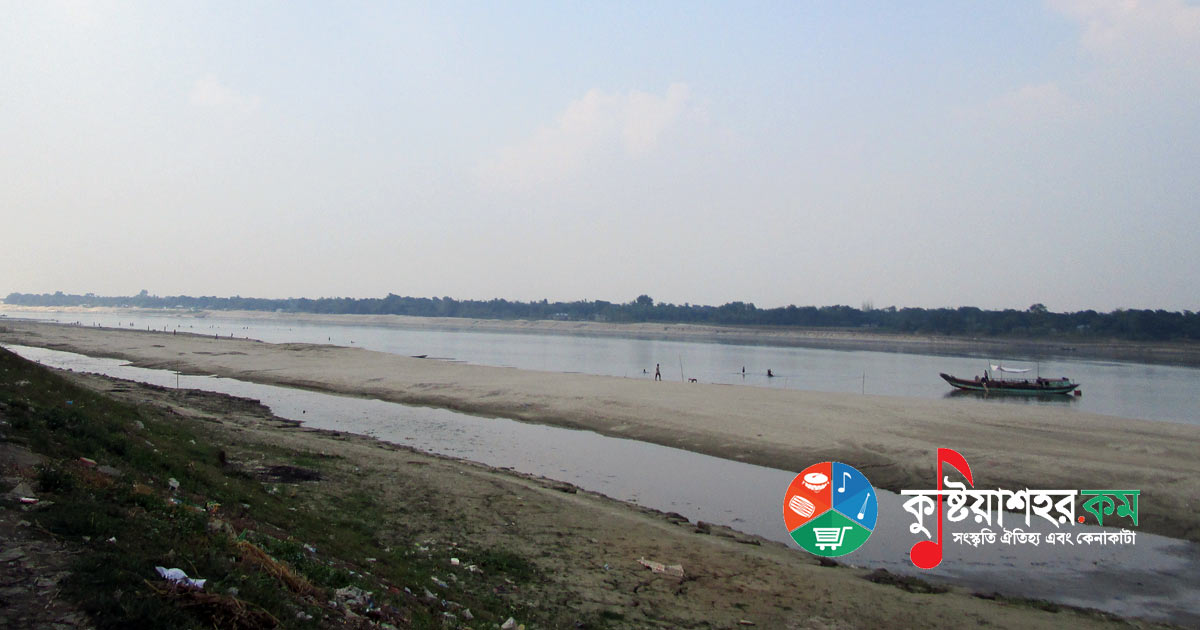
The Gorai is a major distributary of the Ganges, that is, of the Padma. Flowing out between the present-day villages of Barkhada and Hats Haripur, the Gorai originates from the Padma river. It is an important river for the south-western region of Bangladesh. The identification number given to it by the Bangladesh Water Development Board, or 'Pawubo' (BWDB), is River No. 24 of the south-western region.
- Details
- Written by: সালেক উদ্দিন শেখ
- Category: Kushtia
- Hits: 2
Jagadish Gupta (born 1886, died 1957) was of Kushtia town. His ancestral home was the village of Khordmaeghchari in Faridpur. His father Kailash Chandra Gupta practised law in Kushtia.
- Details
- Written by: সালেক উদ্দিন শেখ
- Category: Kushtia
- Hits: 2
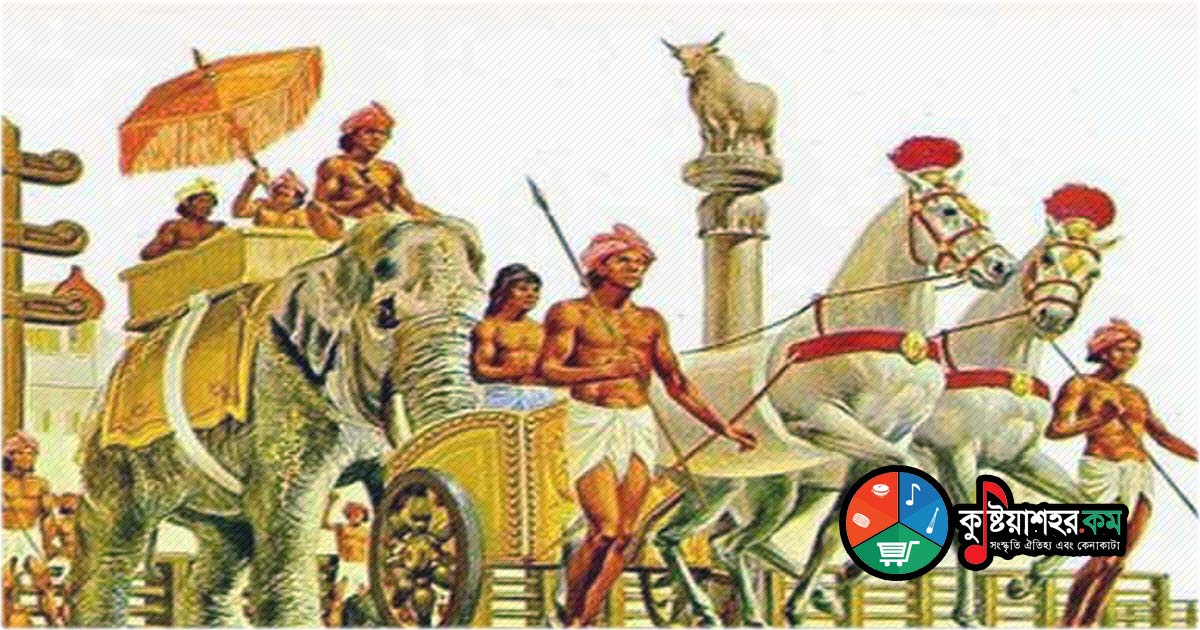
In the second century AD, several small islands can be seen in the basin of the Ganges river on the map of the famous geographer Ptolemy. This cluster of small islands is considered to be the Kushtia region. It is presumed that the Pundra, or Pod, people from southern Bengal and people of other communities from the surrounding areas came in groups and settled on this fertile land of islands that rose from the bed of the Ganges or other watery expanses, hoping to farm or to catch fish in abundance. The Bharat Kosh says about the Kushtia region: 'Situated on the flat plain formed by silt in the Ganges delta region washed by rivers, its soil is extremely fertile and suited to agriculture. Therefore the presumption that farming and fishing communities came to this region, drawn by these two attractions - land fit for cultivation and abundant fish in countless rivers, streams, canals and marshes - is reasonable.'
- Details
- Written by: সালেক উদ্দিন শেখ
- Category: Kushtia
- Hits: 3
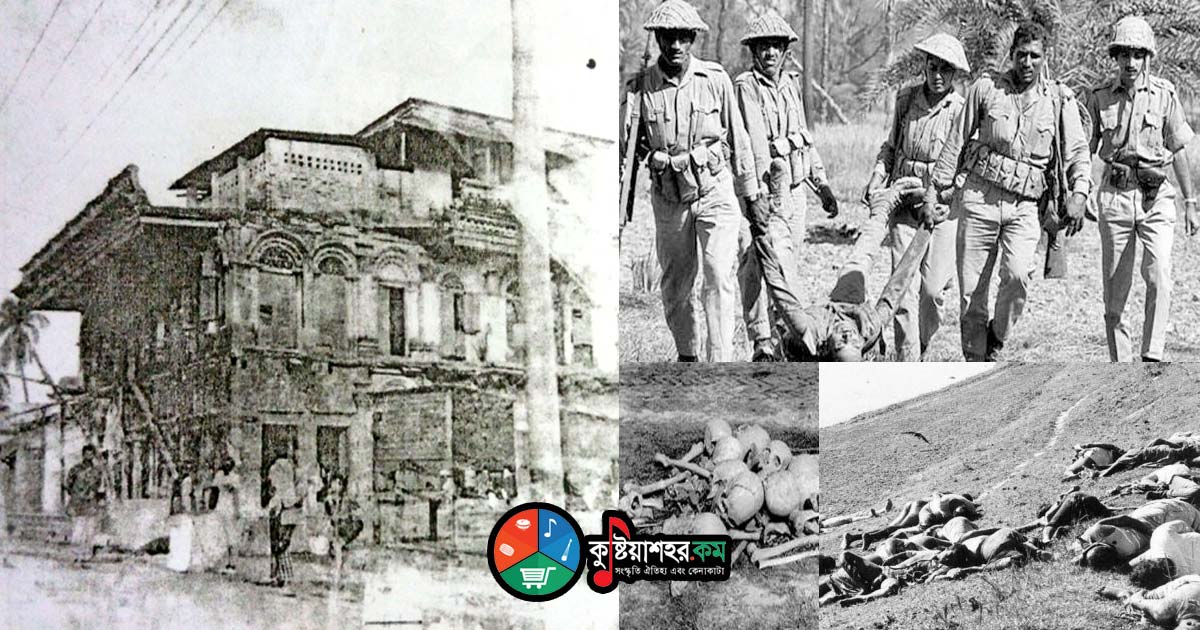
We know that in the Battle of Kushtia the Pakistani forces were completely routed by the Bengalis, and nearly all the Pakistani soldiers fighting from their position at Kushtia Zilla School were killed. At this stage, several non-Bengalis also lost their lives at the hands of the enraged masses. Among them was Nabi Bakhsh, the leader of the non-Bengalis (Biharis) and vice-chairman of the Kushtia pourashava.
- Details
- Written by: সালেক উদ্দিন শেখ
- Category: Kushtia
- Hits: 9
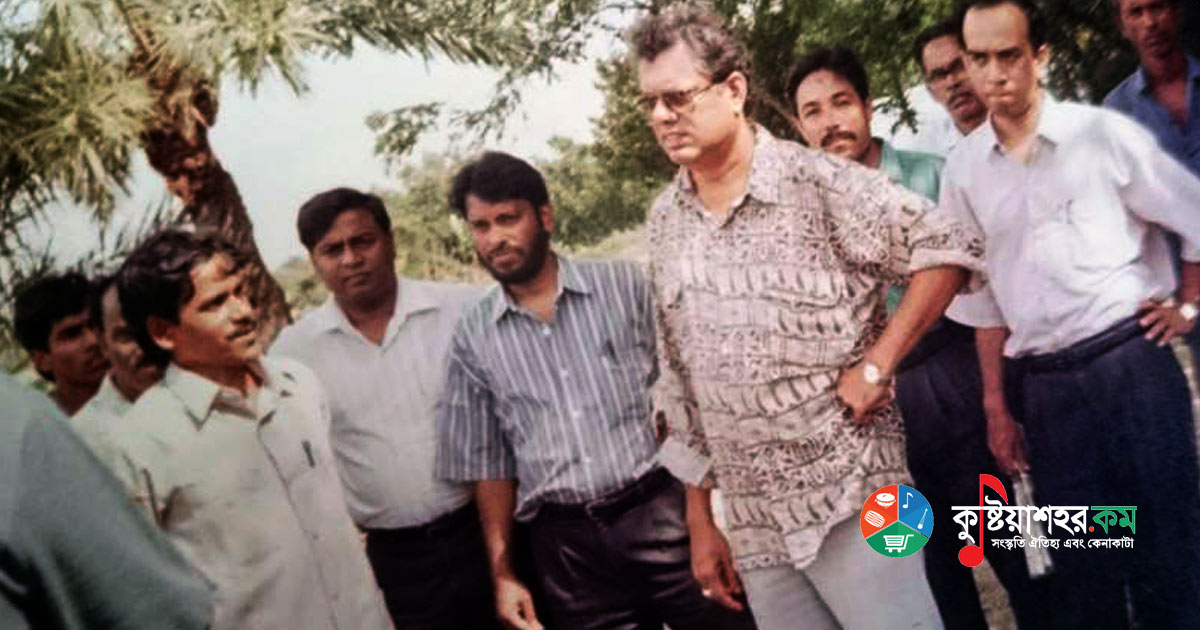
Kamrul Islam Siddiqui left an unforgettable contribution to the development of Bangladesh's rural infrastructure. When he joined the Local Government Engineering Department, rural infrastructure work was scattered and investment was minimal. The freedom fighter Kamrul Islam Siddiqui was also a soldier of the country's economic liberation.