
 বাংলা
 English
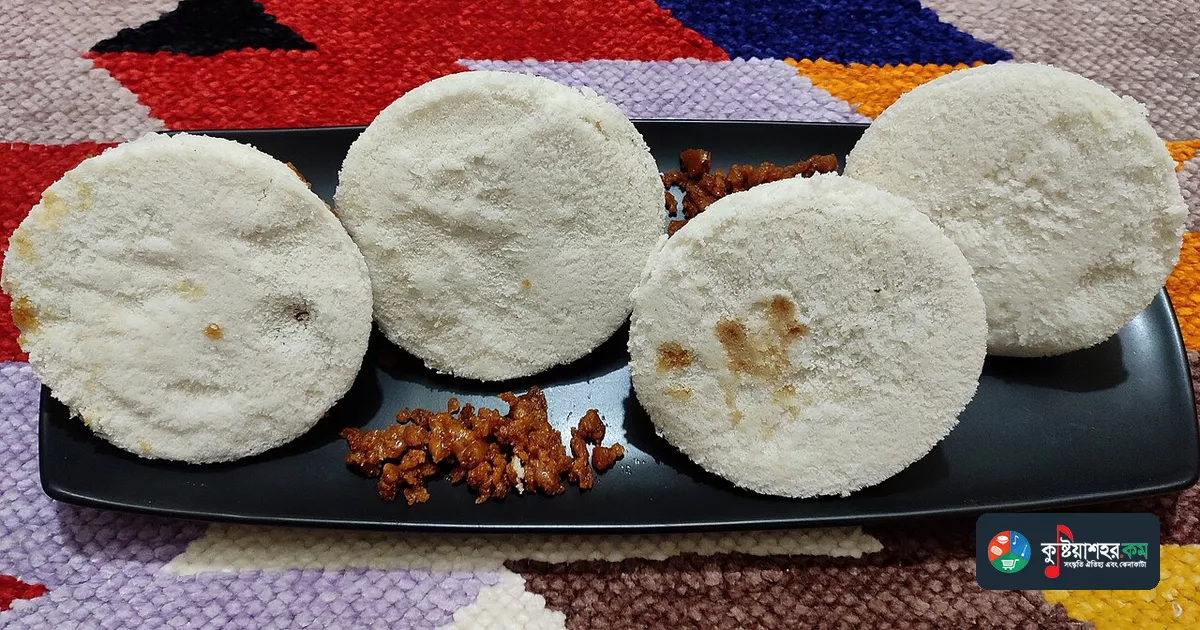
When the new harvest reaches Bengali kitchens in Agrahayan, pitha season begins: bhapa pitha steamed over smouldering husk-fire on winter evenings, chitoi off the hot griddle at dawn, and patishapta rolled in a ribbon of jaggery. Fresh rice flour, date-palm jaggery and coconut filling—in their meeting lies the sweetest face of a tradition Bengalis have passed down for generations.
Why winter is the season of pitha
Winter is the prime pitha season in Bengal. The festival cooking begins once the fresh harvest comes home, and by the Poush Parbon households across the country are steaming, frying and rolling pitha. Winter’s dry sun makes soaking, drying and grinding rice easy, and the season brings date-palm sap—in the Kushtia, Chuadanga and Jashore countryside, fresh khejur gur is the classic companion of bhapa pitha. Nabanna, the new-rice festival, is the traditional opening of the pitha calendar.
The winter pithas everybody knows
Bhapa pitha
Rice-flour batter layered with jaggery-coconut filling is steamed in a covered pot over a dhuni—smouldering husk fire—to make bhapa pitha, the most atmospheric of them all on fog-washed mornings and nights. In Sylhet and the hill regions it is better known as dhuni pitha.
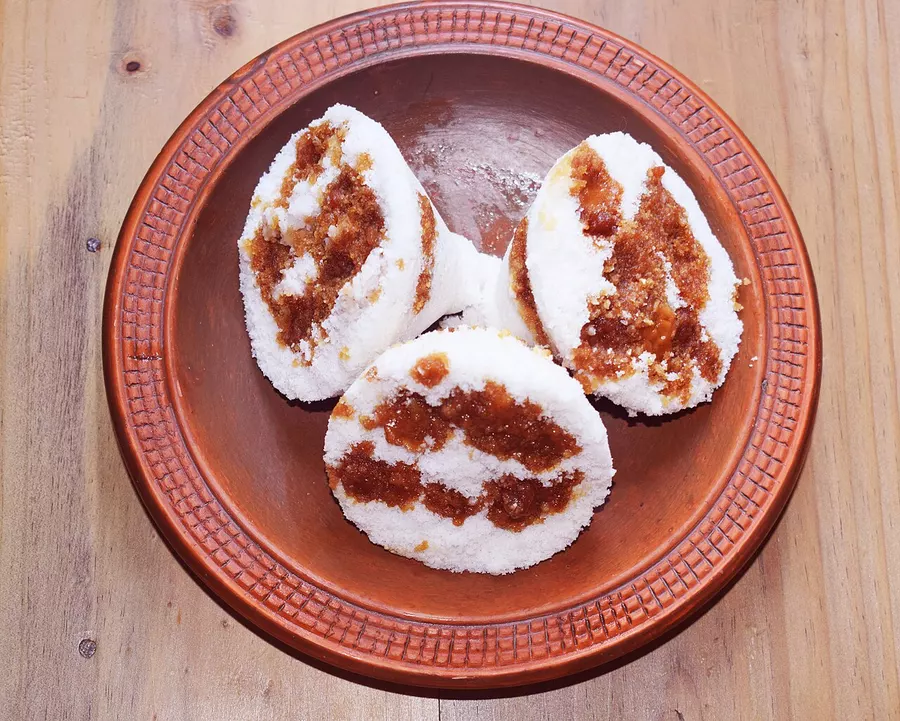
Bhapa pitha filled with jaggery and coconut (Photo: Dolon Prova, Wikimedia Commons, CC BY-SA 4.0)
Chitoi pitha
Thin batter poured onto a covered hot griddle puffs into chitoi pitha. With mustard leaves, meshi or spicy bhorta it is savoury; in milk-and-jaggery batter it turns sweet. On Dhaka’s street stalls the chitoi griddle has become a winter landmark.
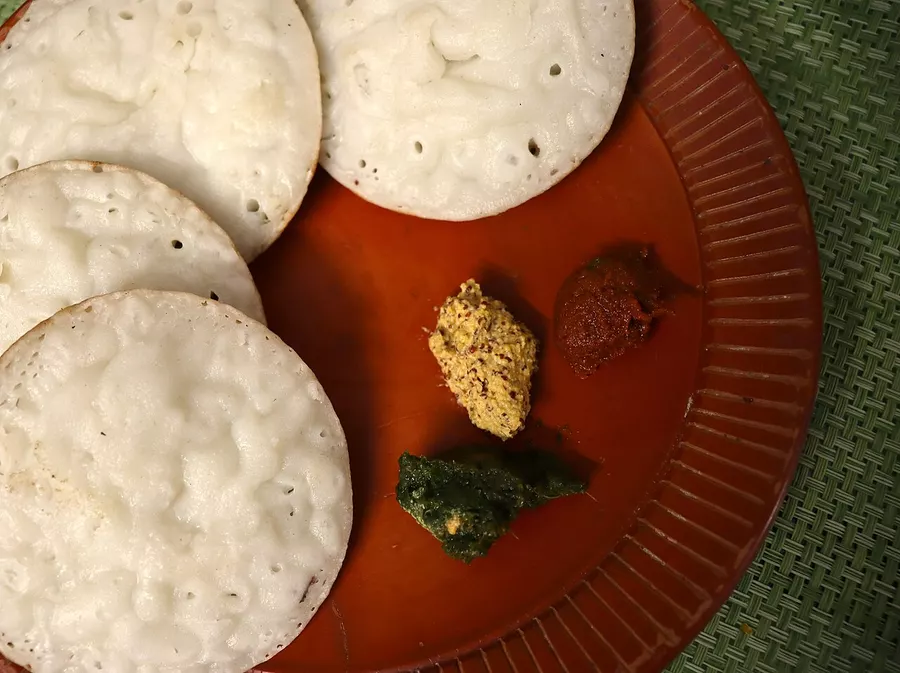
Chitoi pitha with mustard leaves and mashed sides (Photo: Evening42, Wikimedia Commons, CC BY-SA 4.0)
Patishapta
Thin crepes are fried, filled with jaggery-coconut nadu and rolled into patishapta—arguably the crowd favourite of every pitha mela, and high on the list at winter weddings and guest tables.
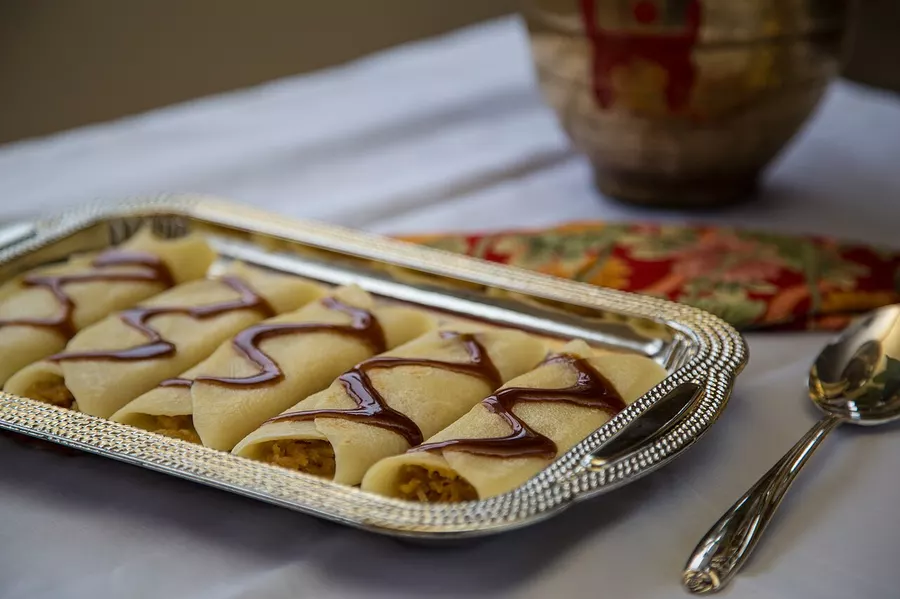
Patishapta rolls drizzled with jaggery (Photo: Abhinaba Basu, Wikimedia Commons, CC BY 2.0)
Dudh puli
Rice-flour shells stuffed with coconut filling, fried and dropped into thickened milk—dudh puli is one of the oldest homemade winter sweets of Bengal.
Gokul pithe
Chittagong’s winter favourite, gokul pithe, is fried pitha crushed and mixed with powdered sugar, roasted nuts and cardamom, then shaped—it keeps for days and travels to relatives’ homes.
Kakra pithe
Fried half-moons stuffed with sesame-jaggery-coconut, kakra pithe is a familiar name in both Bangladesh and West Bengal; the filled ones keep for two to three weeks.
Gorgore pithe
In West Bengal’s Bankura, Purulia and Medinipur districts winter brings gorgore pithe—tradition links it to the royal house of Simlapal for some 450 years.
Other familiar names
Bibiana (the “bridegroom-pleaser”), kholajali, jhinuk, roshful, chand pakon and sarbhaja also appear in winter households—every region carrying its own names and hand-marks.
Pitha in folk culture
Pitha runs deep in Bengali folk culture: poet Sufia Kamal’s verses evoke the Poush festival and its pitha, and a popular Bhaiwaiya line of north-western Bengal pleads—mon tai mor pitha khabar chai (my heart just wants pitha). Grandmothers, mothers and daughters binding pitha together is, in truth, a tradition passed hand to hand across generations.
Pitha festivals in the city
The village chulha taste has reached the cities too. In Dhaka, institutions such as the Bangladesh Shishu Academy and the Bangladesh Mahila Samiti host regular pitha festivals where hundreds of varieties from across the country gather; cafes and restaurants add pitha to their menus each winter.
A winter sealed in the taste of pitha
Seasonal ingredients, the craft of mothers and grandmothers, and a family occasion together make pitha more than food—it is a cultural identity. This winter, take the time to soak the rice, light the dhuni and fold the new generation into the ritual; one chitoi off the griddle will keep the tradition alive on its own.