বাংলা
 English
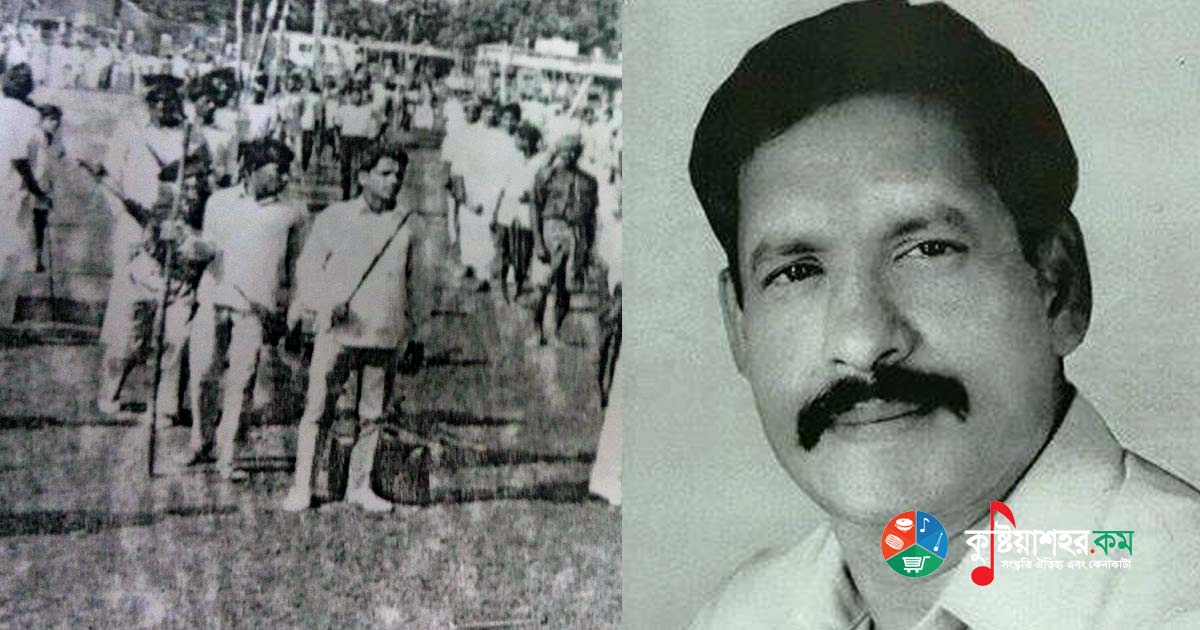
When his body was brought to the Amla High School field after he was killed by an assassin's bullet, the sky and the air grew heavy with the weeping of hundreds of thousands of men and women. No one had ever seen so many people at anyone's death, such weeping.
Marfat Ali was a popular student leader. In the Kushtia College students' union election of 1968-69 he won the post of general secretary by a huge vote as an independent candidate. He passed B.Sc. from Kushtia College.
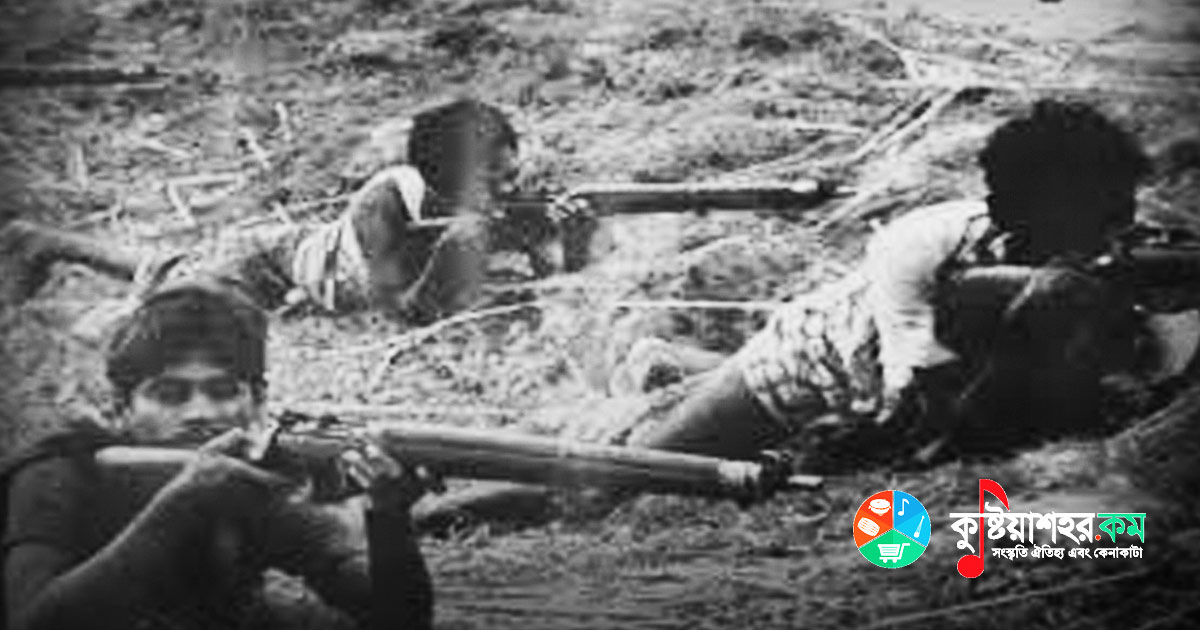
Marfat Ali was an outstanding freedom fighter. Under his leadership many frontal battles were fought in Mirpur thana, Gangni thana and Alamdanga thana, and the freedom fighters succeeded.
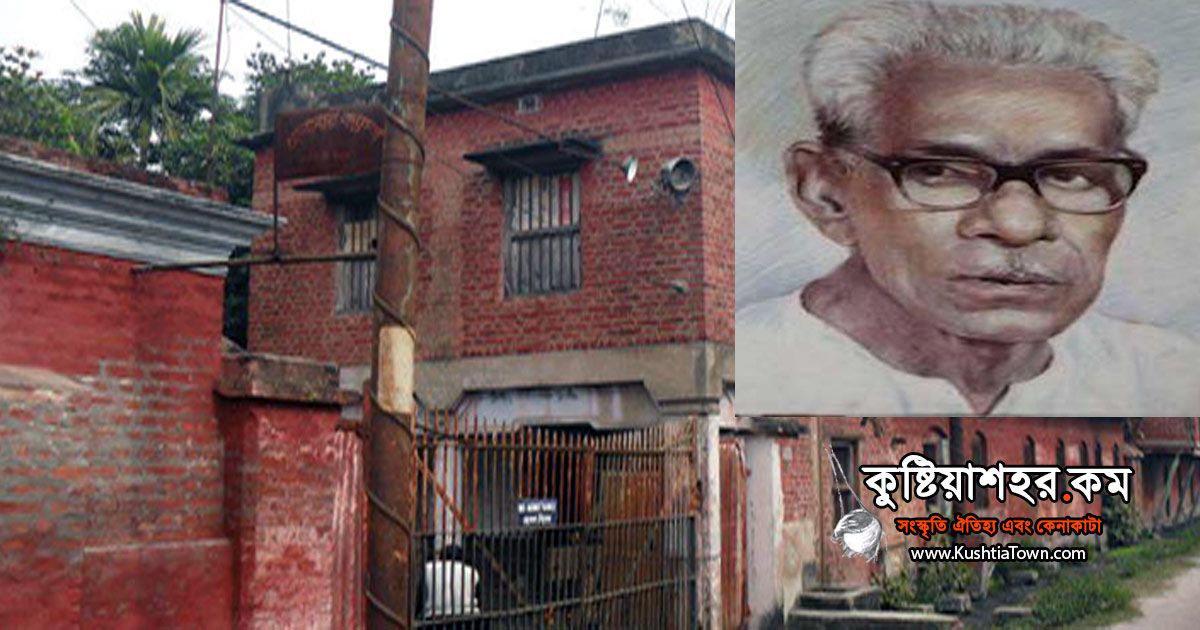
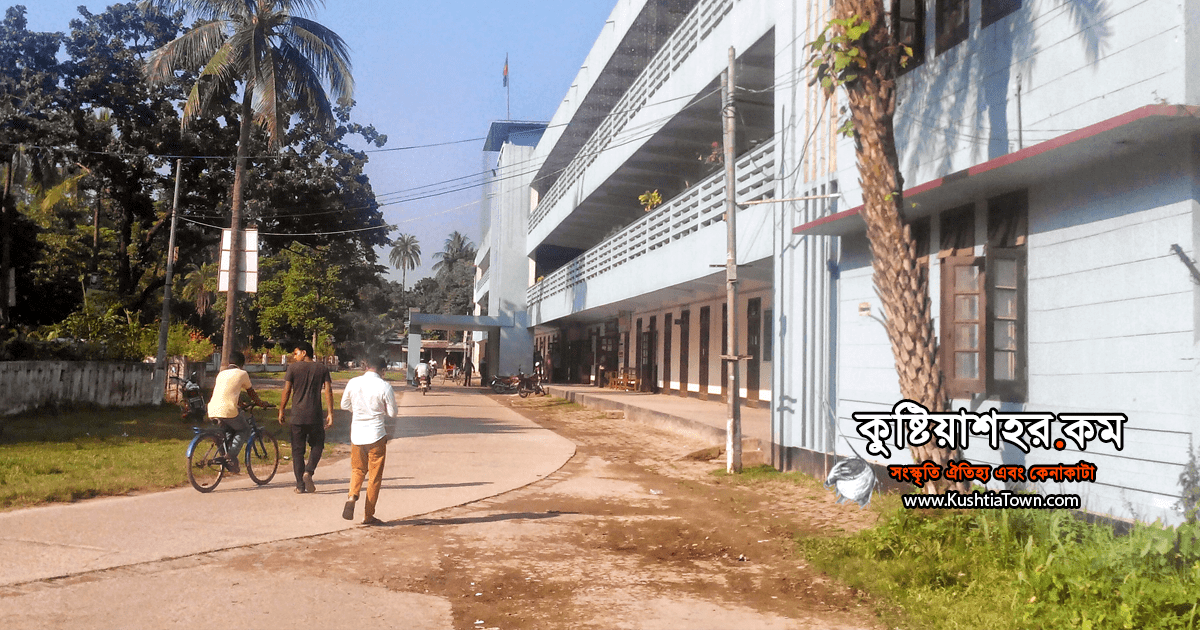
After the great Liberation War he founded Amla College. Entering Amla College, his grave lies on the left.
Marfat Ali was born in 1944 into a poor peasant family of Malidah village in Mirpur thana. Father - the late Mokshed Ali; mother - Ramesha Khatun. His wife Anjuman Marfat is a social worker and politician; he has one daughter. Marfat Ali lost his life to an assassin's bullet on 17 February 1991.
Joining the Students' League, he held meetings and gatherings at various schools of the district - including Alamdanga, Gangni, Mirpur and Daulatpur - and in villages and small towns to win Bangabandhu's six-point demand, explaining to ordinary people what the six points meant for the Bengalis and that an organisation and activists were needed to win these demands. Marfat Ali spread them widely among ordinary people selflessly and built up the organisation. By winning the various demands of ordinary people he earned enormous popularity. He played a big role in greater Kushtia district in the students' mass movement of 1969. Because he held meetings in villages and small towns and moved for ordinary people and farmers, he came to be known as a peasant leader. Whenever student leader Marfat visited a school or college, crowds would gather to see him and hear the words from his mouth. In the 1970 election he worked across the whole district to secure Bangabandhu's boat an early victory and gained immense popularity as a self-sacrificing youth worker. A personal rapport grew up between him and Bangabandhu.
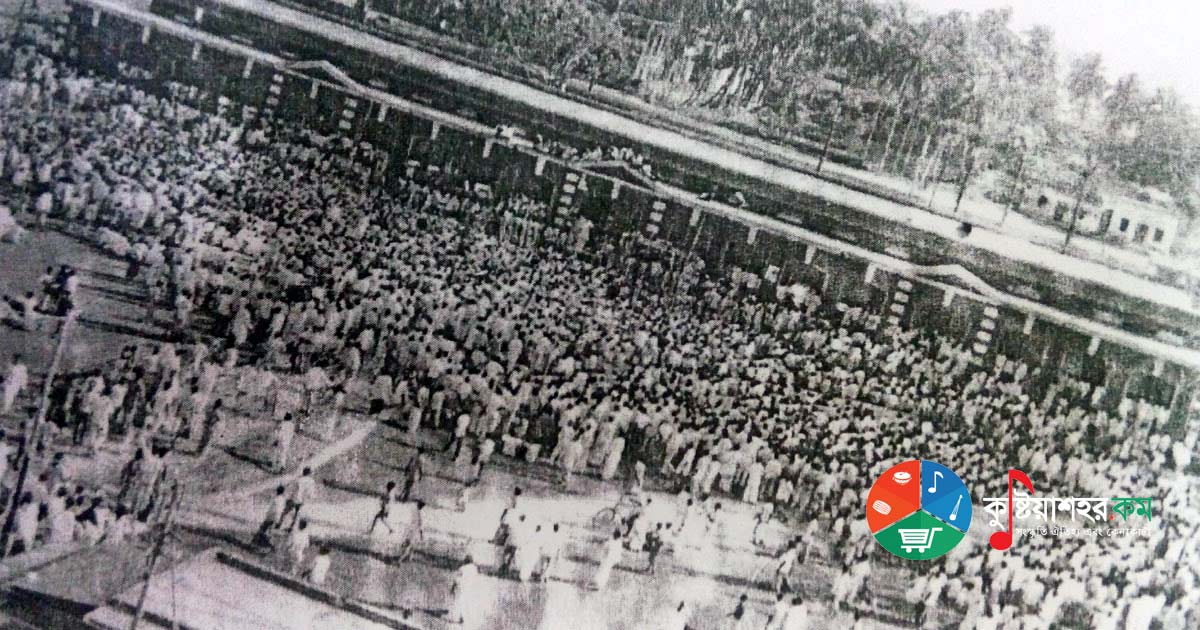
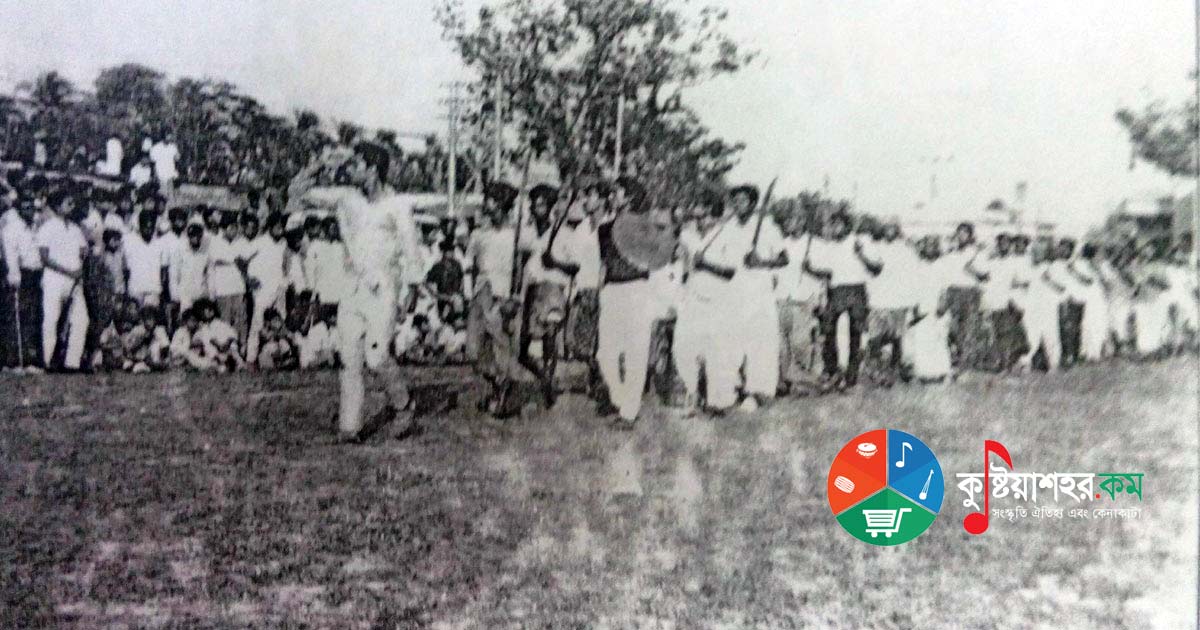
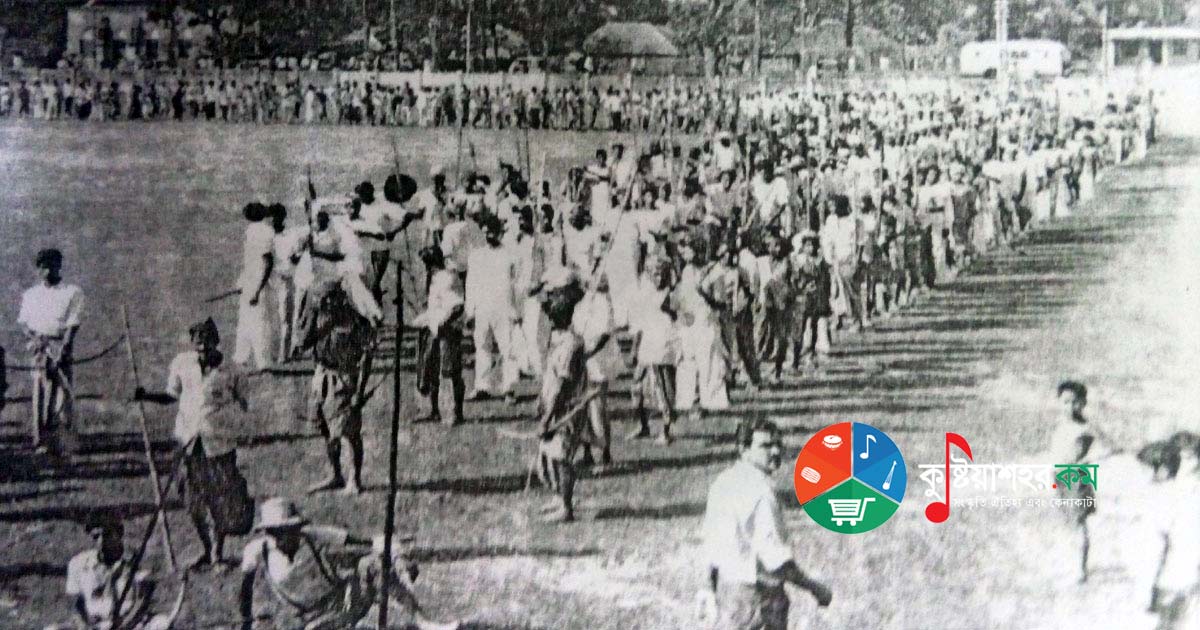
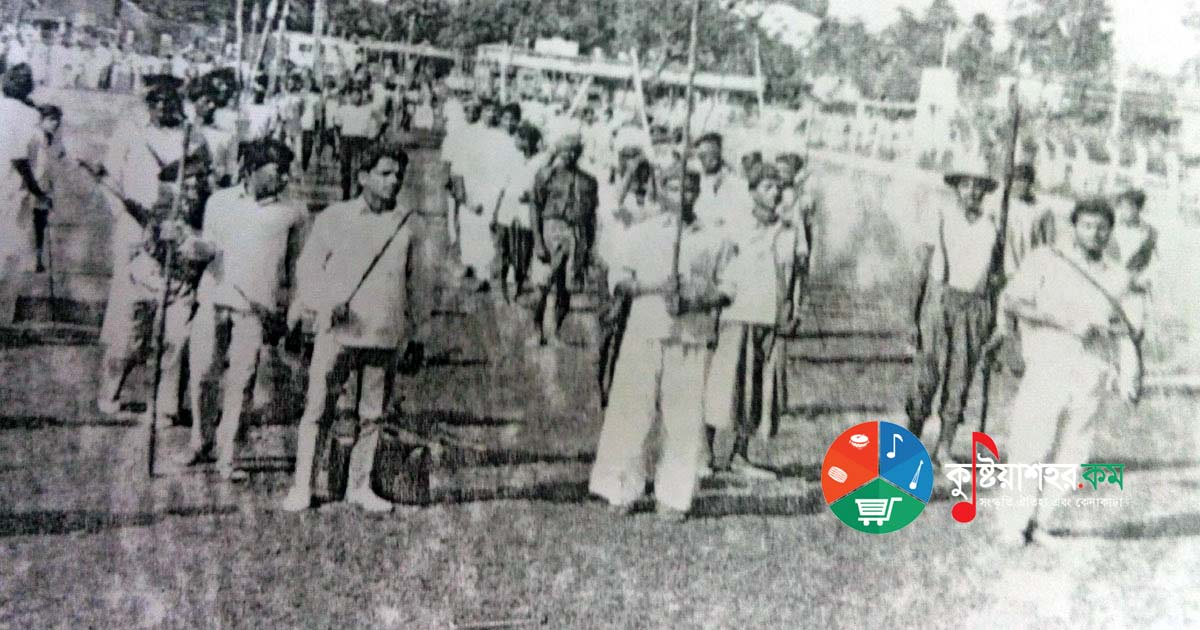
In the 1970 election, alongside the six-point demands, he spoke at student-public rallies in various places for the independence of Bangladesh. Marfat Ali became a member of the Independent Bangla Students' Struggle Council, that is, of the Nucleus, in 1967. On 7 March 1971 he went to Dhaka to hear Bangabandhu's speech. Returning from Dhaka, he went around forming Joy Bangla Bahini units in various places of the district and, as assistant commander of the district Joy Bangla Bahini, worked in various thanas to give military training to students and young men. On 23 March, declaring Pakistan's national day as Bangladesh Day, he hoisted the flag of Bangladesh at various places of Kushtia district and assembled at the Kushtia High School ground for the parade of the Joy Bangla Bahini. Members of the Joy Bangla Bahini from each thana assembled at the high school ground with local and foreign weapons, and the parade was held under his leadership. All took the oath to make the country free. Mr. Golam Kibria, MPA, took the salute as chief guest of the event.
For the convenience of the Joy Bangla Bahini's work he took a new jeep from the office of the Amla Water Development Board. Riding in that jeep, Marfat, Bari Bhai, Samsul Hadi, Abdul Momen and Ingrej Dakat - brother of the famous dacoit Alhim Dakat of Meherpur - went to Ingrej Dakat's house to arrange bomb-making for the members of the Joy Bangla Bahini, and there taught them how to make the bombs.
Among the politicians and thinkers who, by the inexorable law of time, remain sculpted for ever in their own glory for advancing the progress of world civilisation and building an exploitation-free society, the rare-born man of the twentieth century, martyr Marfat Ali, is one. He spent his childhood with the uneducated and half-educated fellow pupils of Malihad. His student life was one of extreme hardship. After completing secondary education at Hat Boalia High School he earned a B.Sc. degree from Kushtia Government College, and at that time he was elected general secretary of the college students' union. During his school and college years, through close association with various politicians, he grew temperamentally attached to politics. He played a direct role in the mass movement of 1969 and took part wholeheartedly in Bangladesh's Liberation War in 1971.
Martyr Marfat Ali's political thinking was unique. From childhood he wanted to free the oppressed, persecuted and deprived of Bangladesh from the clutches of the rich and the merchant class and build an exploitation-free society. Through his political ideology, establishing justice, he dreamt of finding an ideal state - "An Ideal State".
After Bangladesh became independent on 16 December 1971 he realised that none of the manifesto on whose oath the country had been made independent was being fulfilled - that the true interests and commitments of professionals such as the blacksmith, the potter, the washerman, the fisherman, the barber, the teacher, the doctor were not being protected. Under Major Jalil's stern leadership, he too took up the slogan 'Let the weapon of '71 roar once again'.
During his tenure as upazila chairman he paid the greatest attention to agricultural production, education, culture and sports. He was the first to think about higher education for the boys and girls of this region, and it was through his very efforts that the highest seat of learning, Amla College, was founded. Through tireless work he got the college nationalised in 1988.
In truth his devotion to women's education was extraordinary. It was by his indomitable will that Jahanara Secondary Girls' School was improved, and he got the Mirpur upazila girls' school nationalised. To speak of him briefly: during his lifetime education, culture and the production process of Mirpur upazila, indeed of Kushtia, rose to their very peak.
In his personal life Marfat Ali was an extraordinary person. He spoke to everyone with a smile. He thought complicated matters simple, and even the word 'impossible' conceded defeat before him. He was always active to bring a smile to ordinary people's faces. He never thought of himself. His food and clothing were extremely simple and scanty. To mingle with ordinary people he chose Amod Ali's tea stall at the Amla bazar, and sitting there morning and evening he discussed and exchanged views on politics, religion, social, cultural and economic matters. Renouncing the allure of tall buildings, he slept in a thatched hut in Sadarpur village.
Martyr Marfat Ali gave the greatest importance to the producing class, the source of his political ideology. His conviction was that the producing class is the guiding force of the nation's progress, and that this very class would be the finest citizens and rulers of the ideal state. He was himself a farmer and among the best producers in Bangladesh at cultivation. For his special achievement in farming, with government sponsorship in 1989 he joined various agricultural research events in Indonesia, the Philippines, the Malacca islands and Morocco. In short, he was a foremost agriculturist and researcher.
The sun's reflected shadows move ahead or far behind. Although he invites a little criticism for his efforts to build a beautiful, well-ordered, exploitation-free society, it must be remembered that he was the sharpest-minded thinker of this region and a unique figure in political thought.