বাংলা
 English
Will Kushtia one day stand not merely as a district on the map of Bangladesh, but as an internationally recognised centre of Fakir Lalon Shah's humanist philosophy, Baul music, folk heritage and cultural tourism? The question is not new. Yet after the idea of building a 'City of Lalon' came up at the commemoration held at Cheuria in Kushtia on the occasion of Fakir Lalon Shah's 136th death anniversary in October 2026, the issue has returned to discussion with renewed force.
Speaking at an event held at the Lalon Akhra on 17 October 2026, Cultural Affairs Minister Nitai Roy Chowdhury said Kushtia would one day be developed as the 'City of Lalon'. He also mentioned initiatives to develop the tourism industry and to restart vessel navigation on the Gorai and Madhumati rivers. At the same event, the Prime Minister's adviser on information and broadcasting, Jahed Ur Rahman, said Prime Minister Tarique Rahman had expressed interest in spreading Lalon's humanist philosophy at the school level.
These statements have raised fresh expectations about preserving Kushtia's cultural heritage and developing tourism. But is building a city into the 'City of Lalon' limited merely to naming, holding festivals or constructing a few facilities? Or does it require long-term planning, proper preservation of heritage, the participation of local people, and initiatives to embody Lalon's philosophy in real life?
This special report by KushtiaTown.com examines the potential of the 'City of Lalon' idea, the announced plans, the economic opportunities of tourism and the challenges of implementation.
The plan to build the City of Lalon: what do we know?
A Jago News report of 17 October 2026 said Cultural Affairs Minister Nitai Roy Chowdhury had expressed the hope that Kushtia would be developed as the 'City of Lalon'. He mentioned developing the tourism industry and initiatives to restart navigation on the Gorai–Madhumati rivers. The Daily Sun also published a report on the subject the same day.
According to the information adviser's statements, the head of government has expressed interest in taking Lalon's life philosophy and humanist teachings to students. If this initiative is implemented, Lalon's philosophy could become a subject of discussion in education as well, no longer confined to festivals, songs or commemoration.
However, an important distinction needs to be kept in mind here. Building Kushtia as the 'City of Lalon' and launching river navigation currently remain at the stage of announced plans and initiatives. Until detailed government information is published on their full project designs, specific budgets, implementation deadlines and completed infrastructure, these should not be treated as implemented projects.
Sources on this:
- Jago News, 17 October 2026: https://www.jagonews24.com/country/news/1169290
- Daily Sun, 17 October 2026: https://bangla.daily-sun.com/20/59138
The announcement of building the 'City of Lalon' can therefore be seen as a promising beginning for Kushtia. But for that promise to take real shape, what matters next is what kind of planning follows and how far its implementation actually progresses.
Why does Kushtia have a claim to be the City of Lalon?
Kushtia holds a place of special importance in the history of Bengal's folk culture, Baul practice and humanist philosophy. The Lalon Akhra at Cheuria, steeped in the memory of Fakir Lalon Shah, is one of the principal centres of the district's cultural identity. Alongside, Shilaidaha, hallowed by Rabindranath Tagore's memory, the literary legacy of Mir Mosharraf Hossain and the places associated with Kangal Harinath Majumdar have made Kushtia a rich historical and cultural landscape.
Viewed in isolation, these heritages do not give the full picture of Kushtia's cultural identity. Rather, if Lalon's humanism, Tagore's literary practice, Mir Mosharraf Hossain's literary achievements and Kangal Harinath's history of journalism are presented in an integrated way, Kushtia can gain recognition as an expansive cultural destination.
Yet at the centre of the 'City of Lalon' idea must stand the philosophy and heritage of Lalon Shah himself. Other historic sites can be linked to this larger cultural experience, but Lalon's identity should not be reduced to a mere tourist attraction.
Building a well-informed cultural environment centred on reliable historical research on Lalon's life, collections of his songs, the continuity of living Baul practice and the history of the Akhra itself could be the foundation of this initiative.
Lalon Shah: a philosophy larger than a tourist attraction
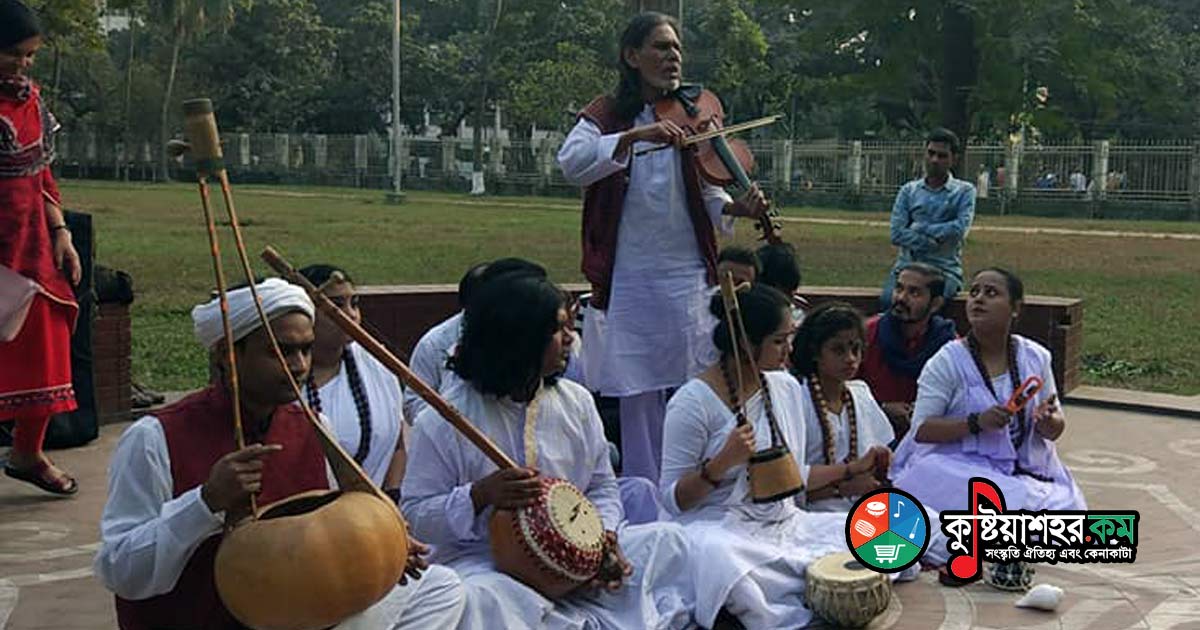
Fakir Lalon Shah's identity is not limited to being a composer of Baul songs or a mystic practitioner. His songs deeply explore human identity, self-inquiry, social division, caste and human dignity.
The call in Lalon's songs to understand a person's inner being rather than their outward identity remains relevant today. Against the tendency to divide people by religion, caste, colour or social position, Lalon's humanist thought demands fresh discussion.
That is why in the plan to build the City of Lalon, merely beautifying the Akhra or expanding the festivals will not be enough. Initiatives are also needed to spread Lalon's philosophy through research, music, literature, education and public discussion.
If visitors to Cheuria only take photographs and return, they will have seen just the visible part of the Lalon heritage. But if there is an opportunity to learn reliable information about his life, songs, philosophy and contemporary relevance, the trip becomes a meaningful cultural experience.
Towards this goal, the Akhra could offer a quality information centre, research-based exhibitions, a digital archive with explanations of the songs, and trained cultural guides.
The Lalon Akhra and the commemoration: the centre of heritage preservation
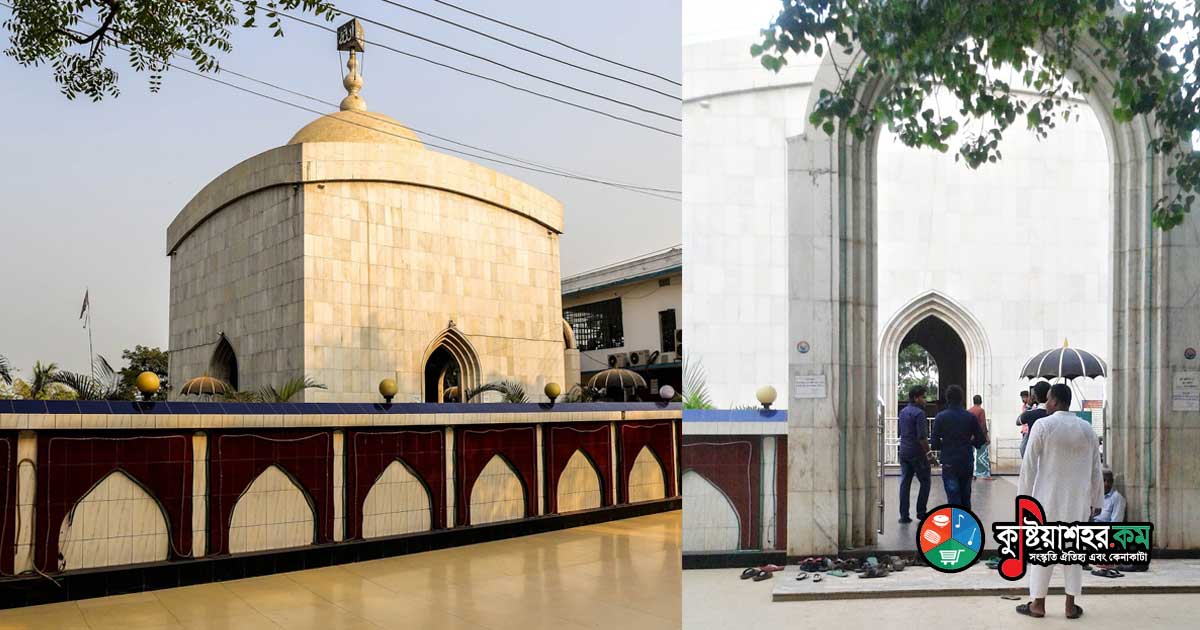
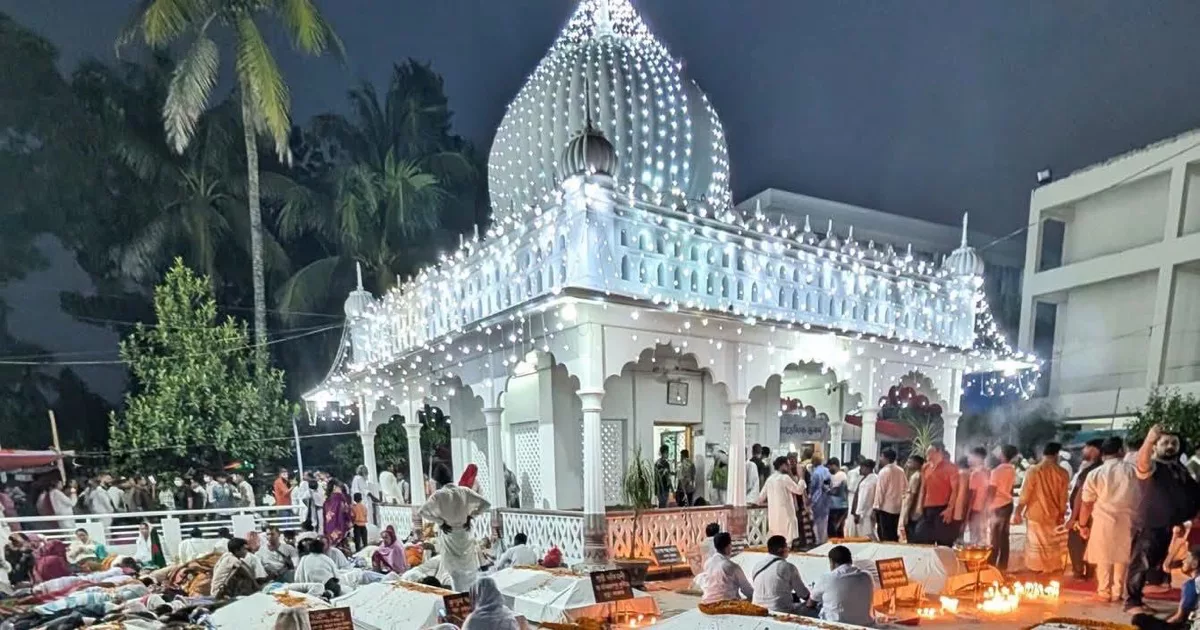
The Lalon Akhra at Cheuria in Kumarkhali upazila of Kushtia is an important centre of remembrance of Lalon Shah and of sadhu-sanga with his followers. Every year, around the death anniversary and Dol Purnima, sadhus, Bauls, devotees, researchers and visitors gather here.
From 17 to 19 October 2026, a three-day commemoration was held on the occasion of Fakir Lalon Shah's 136th death anniversary. In a report published on 11 October, the Bangladesh Sangbad Sangstha (BSS) covered the festival preparations, the cleaning and decoration of the Akhra, and the arrival of sadhus and visitors from home and abroad.
Such events play an important role in raising Kushtia's cultural profile. But alongside festival-centred management, the Akhra needs to be kept informative and well organised for visitors throughout the year.
To manage the huge crowds during the festival, it is essential to have security, emergency medical care, drinking water, clean toilets, waste management, vehicle control and accessible movement for persons with disabilities. After the festival, these arrangements can be assessed to plan improvements for the next event.
At the same time, the Akhra's historic environment, the distinctive rites of sadhu-sanga and the dignity of the practitioners and their followers must be protected. The main aim should be to present the heritage to visitors while preserving its distinctiveness, rather than turning cultural heritage into a tourism product.
Source: BSS, 11 October 2026 — https://www.bssnews.net/others/433784
The Gorai and Madhumati rivers: new possibilities for tourism
River-centred tourism being linked to the City of Lalon idea is significant. Kushtia's geography, the life of its people, agriculture and the local economy have long been tied to its rivers.
The Cultural Affairs Minister's remarks of 17 October included initiatives to restart vessel navigation on the Gorai and Madhumati. If the plan is implemented, travel, introductions to local history, riverbank recreation and new opportunities for small business could grow around the waterways.
But several questions must be answered first. On which river route will vessels run? From where to where will passengers be carried? Which authority will approve navigation? How will the rivers' navigability, seasonal water flows, currents, the safety of waterways and possible environmental impacts be assessed?
Without answers to these questions, river tourism should not be promoted as a settled project.
A BSS report published on 30 April 2026 discussed the char areas near the Gorai–Padma confluence in Kumarkhali and Haripur of Kushtia in connection with river-tourism potential. It mentioned natural beauty, boat trips and the potential of the riverbanks. The same report said no final tourism project had yet been approved for the area; feasibility assessment was under discussion.
This information shows that discussion on opportunities centred on Kushtia's rivers and char lands is ongoing, but turning the potential into real development requires research, planning and environmental assessment.
Source: BSS, 30 April 2026 — https://www.bssnews.net/bangla/national-parliament-session/303437
An integrated cultural tourism circuit for Kushtia
One realistic way to build the City of Lalon is to bring Kushtia's important historical and cultural sites under an integrated tour route.
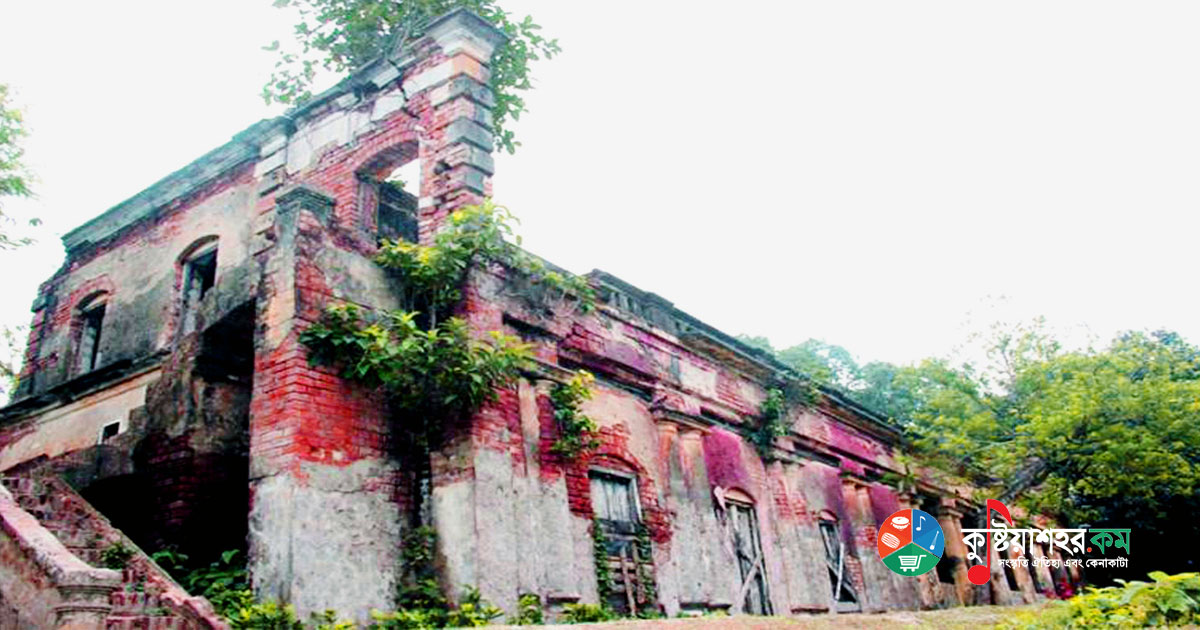
The Lalon Akhra at Cheuria could be the centre of this route. Along with it, the Shilaidaha Kuthibari, Tagore Lodge, the places associated with Mir Mosharraf Hossain, Kangal Harinath's Kangal Kuthir and other historic structures of the district could be connected.
Such a circuit must record each site's history, points of interest, travel information, essential guidance for visitors and permitted visiting times. Routes should be planned after verifying the real distances between sites, the condition of the roads and the time needed to travel.
Alongside a one-day route, a two-day cultural trip could also be planned. This would give visitors from afar the chance to see more places and increase spending on local accommodation, food and transport.
A Daily Sangram report published on 29 August 2026 discussed the need to develop Kushtia's historic structures in an integrated way as tourism centres. The report also noted shortfalls in conservation, communications, signage, rest houses and cleanliness.
The important point here is that merely publishing a list of tourist sites is not enough. Up-to-date information must be provided on access, the state of conservation and the existing facilities for visitors.
Source: Dainik Sangram, 29 August 2026 — https://archive.dailysangram.com/bangladesh/country-news/wPfz4yw8G0ww/
What could tourism growth change in the local economy?
Planned tourism can have a positive effect on Kushtia's local economy. As the number of visitors grows, demand is likely to rise for hotels, restaurants, local transport, handicrafts, music, cultural events and guide services.
In particular, training-based employment opportunities can be created for local youth. Some could work as cultural guides, some could take up research and presentation of local history, and others could build businesses in Baul music, handicrafts or local food.
Yet there is no guarantee that local people's incomes will rise automatically simply because tourism grows. If a large share of tourism earnings leaves the local economy, ordinary people will not receive the expected benefits.
For this reason, the participation of local small entrepreneurs, artisans, artists, transport workers and food vendors must be ensured. Fair business opportunities, training, hygienic sales arrangements and simpler approval processes can be provided for them.
In the case of the singers of Lalon's songs too, fair remuneration, a dignified performing environment and recognition of their creative work must be ensured. If Baul culture is used merely as entertainment, its historical and spiritual depth may be overlooked.
The success of tourism therefore should not be measured only by how many visitors came. It must also be assessed by the positive changes in local incomes, employment, cultural participation and heritage preservation.
Lalon's philosophy in schools: a long-term cultural investment
News reports of 17 October 2026 noted the Prime Minister's interest in spreading Lalon's philosophy at the school level. If implemented, this initiative would be significant not only for the City of Lalon idea but also for Bangladesh's folk culture and humanist education.
But introducing Lalon in schools does not mean merely having students memorise a few of his songs. His life, songs, historical context, humanist thought and contribution to Bengal's folk culture can be presented through age-appropriate learning materials.
For this, reliable learning materials need to be created through the combined effort of researchers, teachers, folk musicians and cultural institutions. Activities such as listening to the songs, explaining their meaning, discussing folk heritage and visiting local cultural sites could be included.
It is also important to use reliable texts of Lalon's songs and sayings when discussing his philosophy. If unverified quotations circulating on social media are promoted in his name, there is a risk of misinformation spreading.
If this education is carried on consistently, future generations will come to know Lalon not merely as a familiar figure of festivals but as an important personality in the intellectual and cultural history of Bengal.
The main challenges of implementing the City of Lalon
1. Clarity of planning and financing
'City of Lalon' is an attractive idea, but its real form must be defined. Which projects will fall under it, which agency will be responsible, how much money will be needed and by what deadlines the work will be completed — without clarity on these, it is difficult to measure the plan's progress.
An integrated master plan could be prepared, placing heritage preservation, tourism infrastructure, communications, river-based activities, local business and cultural education under separate programmes.
2. Heritage preservation versus commercialisation
In the name of tourism development, the environment and distinctiveness of the Akhra or of historic structures must not be damaged. Excessive construction, unplanned shops, loud noise, waste and unregulated commercial activity can harm the heritage.
Before any restoration or construction at a site, advice should be taken from the relevant conservation authorities and experts. Development must be such that the historic environment remains intact while visitors' facilities also improve.
3. Access and visitor services
To grow tourism in Kushtia, reliable connectivity to the sites, adequate signage, safe parking, clean toilets, rest areas and emergency medical care are important.
An official or otherwise reliable digital information portal could be created for visitors, holding site profiles, travel guidance, entry rules, approved guides and emergency contact information.
4. Protecting the rivers and the environment
River-centred tourism plans must consider the rivers' navigability, biodiversity, bank stability, waste management and seasonal risks. For vessel operation, safety equipment, trained operators and approved waterways must be ensured.
Growing tourism at the cost of the natural environment will not be profitable in the long run. The river and char-area environments must be protected even as tourism opportunities are created.
5. Participation of sadhus, Bauls and local people
The practitioners, Bauls, artists, researchers and local communities connected with the Lalon heritage must be involved from the planning stage. Plans made from outside, without their experience and views, may not match the reality of local culture.
During cultural events, the distinctive rites of sadhu-sanga, personal space and the dignity of spiritual practice must be protected. Their representation can be ensured in order to balance tourism management and heritage preservation.
6. Who will receive tourism's benefits?
If the economic benefits of tourism remain confined to a few large businesses, local participation will decline. Real opportunities must be created for local artists, small entrepreneurs, transport workers, artisans and young people.
Dedicated spaces for selling local products, training, support for small entrepreneurs and mechanisms to ensure fair pay for cultural services could be arranged.
How could implementation begin?
Rather than doing everything at once, it would be realistic to begin building the City of Lalon in several phases.
Phase one: information gathering and planning. The current state of the Lalon Akhra and other historic sites, visitors' needs, communications and the list of necessary improvements must be mapped. A coordinated plan could be prepared with the relevant government departments, researchers, local organisations and public opinion.
Phase two: urgent services. Improving cleanliness, signage, a tourist information centre, security, emergency medical care and other necessary basic facilities could take priority.
Phase three: cultural and educational programmes. A reliable digital archive of Lalon's songs and philosophy, research-based exhibitions, programmes for students and trained guide services could be built.
Phase four: integrated tourism and local employment. Based on feasibility assessment, a tour route connecting the historic sites, a market for local products and river-based tourism activities could be planned.
Phase five: regular evaluation. Visitor numbers, local employment, environmental impact, the state of heritage preservation and visitors' experience must be reviewed and the plan adjusted as necessary.
These steps are a proposed work plan. They should not be treated as the government's approved or ongoing programmes until the relevant authorities formally confirm them.
The people of Kushtia: expectations and accountability
The people of Kushtia have an important role in implementing the 'City of Lalon' idea. Local residents can give direct insight into their area's heritage, environment and tourists' real experience. Their participation will help make the plan realistic and people-friendly.
At the same time, regular information on the progress of government initiatives must be published. If project names, approved budgets, responsible agencies, work deadlines and progress reports are easily available to the public, the plan's accountability will increase.
Local media too can play an important role here. Beyond merely reporting announcements, they need to regularly follow the progress of announced initiatives, local people's opinions, the state of heritage preservation and tourists' problems.
For history- and heritage-based local platforms like KushtiaTown.com, this can be a long-term field of work. Through fact-checking, field reporting, interviews with elders and the collection of historical documents, the district's cultural assets can be documented.
Last word: identity will be built by work, not by name
The idea of building Kushtia as the 'City of Lalon' is undoubtedly promising. The memory-laden Akhra at Cheuria, the Baul song tradition, the humanist philosophy and the district's broader cultural resources can form a strong foundation for this initiative.
The Cultural Affairs Minister's remarks in October 2026 and the government's interest in taking Lalon's philosophy to schools have given birth to new expectations. But to turn expectation into reality, what must follow the announcement is clear planning, financing, a division of responsibilities and regular review of progress.
Growing tourism while protecting Kushtia's heritage, creating employment for local people, ensuring the protection of the rivers and the environment, and carrying Lalon's humanist philosophy to the new generation — these four goals must move forward together.
The success of building the City of Lalon will not depend on how many new structures are raised or how many tourists arrive. Rather, how far the Lalon heritage is preserved, how much local people benefit and how widely his humanist philosophy is practised in society — these will be the true measures of success.
Whether Kushtia will truly become the City of Lalon is a question the future still holds. But if the planning is realistic, participatory and sensitive to heritage, the path to realising this dream can be built.
Sources
- Jago News, 17 October 2026 — ‘Kushtia will one day become the city of Lalon: Cultural Affairs Minister’. https://www.jagonews24.com/country/news/1169290
- Daily Sun, 17 October 2026 — ‘PM wants to spread Lalon's teachings in schools: Information Adviser’. https://bangla.daily-sun.com/20/59138
- Bangladesh Sangbad Sangstha (BSS), 11 October 2026 — preparations for the 136th death anniversary at the Lalon Akhra. https://www.bssnews.net/others/433784
- Bangladesh Sangbad Sangstha (BSS), 30 April 2026 — report on the tourism potential of Kushtia's Gorai–Padma confluence and char areas. https://www.bssnews.net/bangla/national-parliament-session/303437
- Dainik Sangram, 29 August 2026 — ‘Huge tourism potential in the cultural capital Kushtia; planned initiative needed’. https://archive.dailysangram.com/bangladesh/country-news/wPfz4yw8G0ww/