
 বাংলা
 English
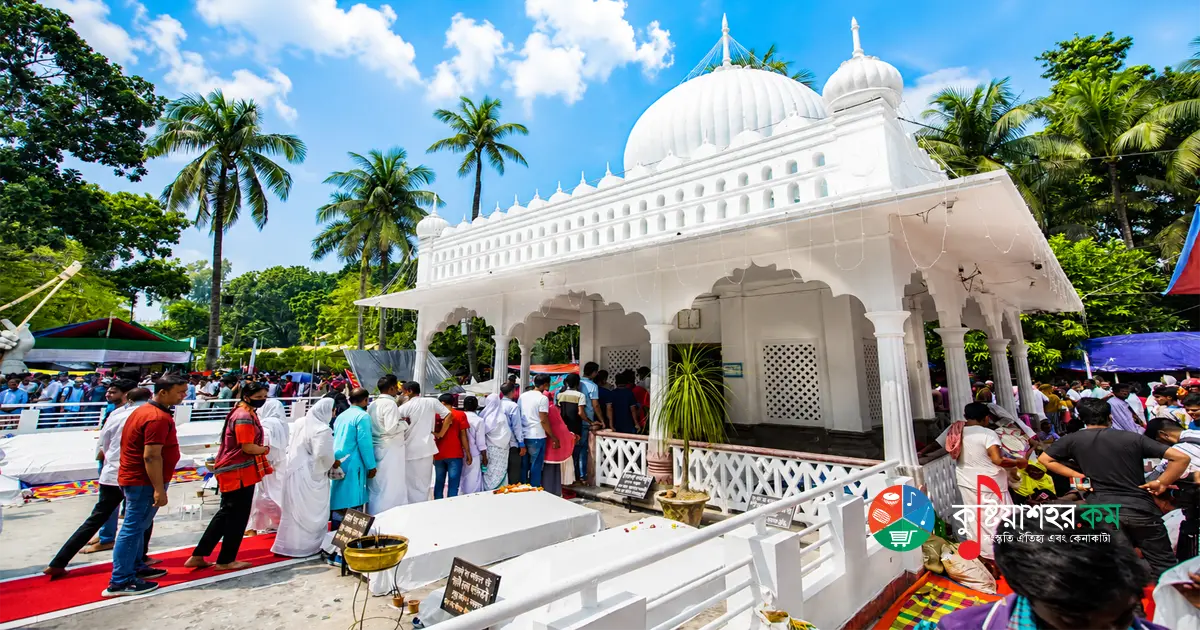
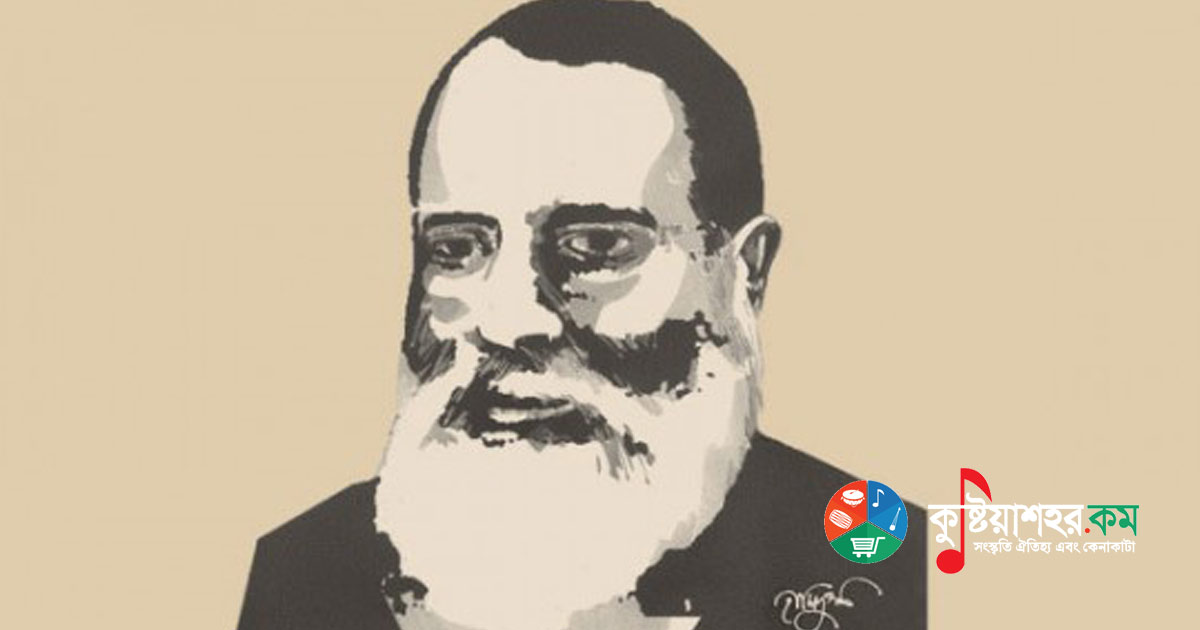
Baul Samrat Fakir Lalon Shaiji is a unique sadhak of the spiritual, cultural and humanist consciousness of Bengal and the Bengali people. His life, philosophy and songs still teach us to rise above nation, religion, caste, class and division, and to love people. His immortal creations are not merely a treasure of Bengali folk music; they are a profound philosophical inquiry into human life, self-identity, love, equality and liberation.
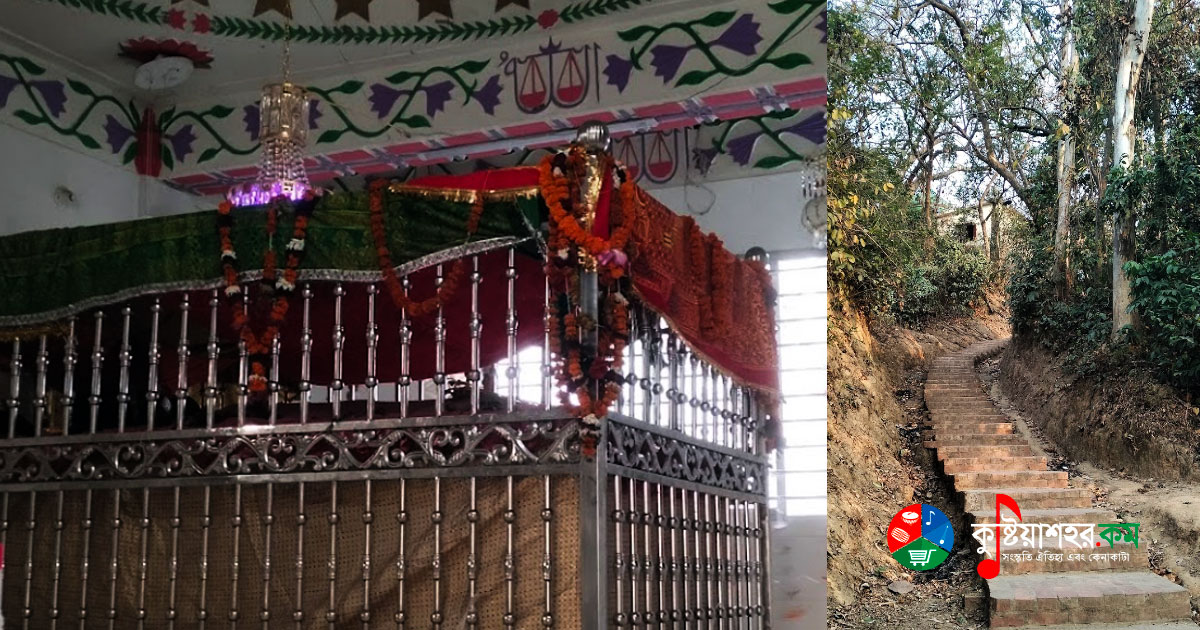
On 17 October 1890, Lalon Shaiji departed this world at his own akhra at Cheuria in Kumarkhali Upazila, Kushtia. Every year, this day carries special meaning for his devotees, followers and sadhu-gurus. On 17 October 2026 will be observed Baul Samrat Fakir Lalon Shaiji's 136th Tirodhan Dibas — the day of his departure.
The 136th Tirodhan Dibas 2026
Date: 17 October 2026
Bengali date: 1 Kartik 1433 Bangabda
Venue: Lalon Akhrabari, Cheuria, Kumarkhali, Kushtia - 7000
Around Lalon Shaiji's Tirodhan Dibas, the Lalon Akhrabari at Cheuria in Kushtia turns every year into a meeting ground of sadhus, bauls, devotees, researchers and visitors. Discussions, Lalon songs, sadhusanga and various other programmes are generally organised at the initiative of Lalon Academy, the local administration and allied cultural institutions.
In 2025, an initiative was taken to observe Lalon Shaiji's Tirodhan Dibas at the state level for the first time. In the same year, the government decided to observe the day as a Category A national day. Thus began a new chapter in presenting Lalon's philosophy and cultural legacy on the national stage with renewed importance.
The Akhrabari at Cheuria: A Meeting Ground of Sadhus and Devotees
Cheuria in Kushtia is not merely a place — to those connected with Lalon's philosophy, it is a field of spiritual practice. It was here that Lalon Shaiji spent the long years of his life in sadhana, song and the discipline of self-reflection. Even after his departure, disciples, devotees and followers have continued to gather around this akhra. Over time, a grand tradition of memorial festival and fair has grown up here around the Tirodhan Dibas.
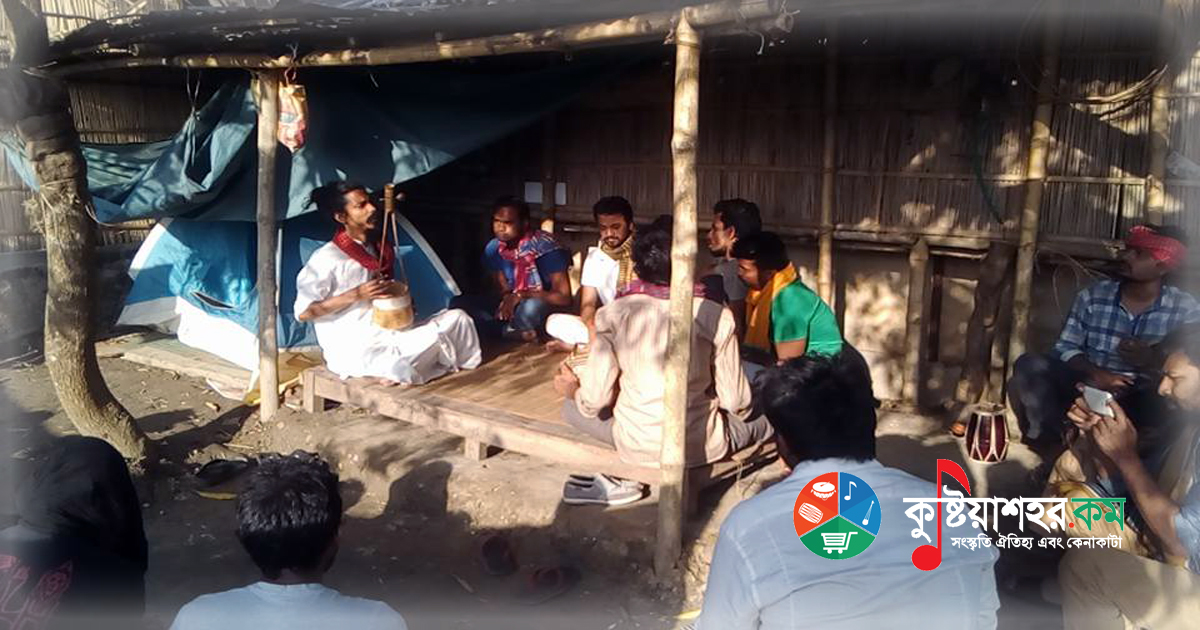
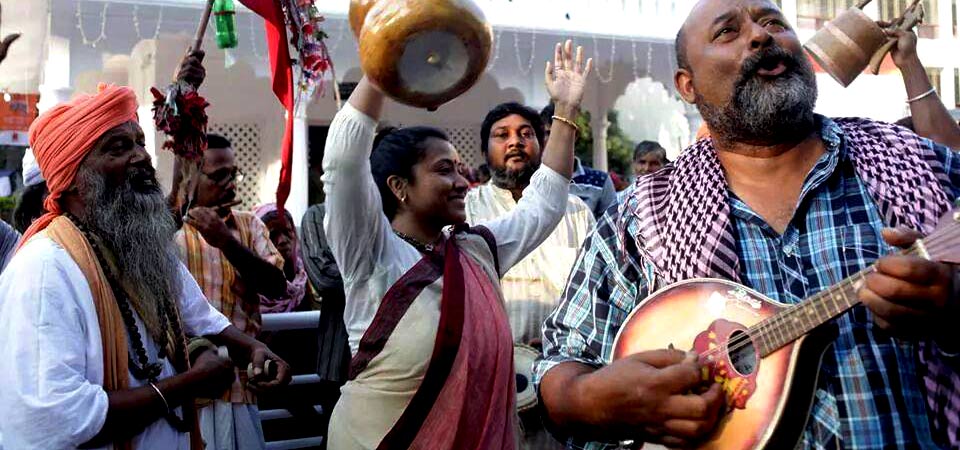
Centred on the Tirodhan Dibas, bauls and sadhus from different parts of the country come to Cheuria and set up their akhras. Some sing, some join the sadhusanga, some discuss Lalon's philosophy. Deep into the night, many an asar keeps the air of the akhrabari ringing with the strains of the ektara, the dotara and other instruments.
Here lies the real power of Lalon's songs — these songs are not merely for listening; they are an invitation to reflect and to search for the person within oneself.
The 'Human' in Lalon's Philosophy
At the heart of Lalon Shaiji's philosophy stood the human being. He did not confine a person's identity within any outward marker. Instead of caste, religion, colour or social standing, he valued a person's inner being.
Self-identity, love for humanity, the mystery of the body, the mystery of the guru, the secret of creation and the search for the ultimate being return again and again in his songs. In his philosophy, no religion or spiritual practice finds fulfilment while the human being is left out.
This humanist philosophy is what keeps Lalon relevant in today's world, far beyond the bounds of his own time.
Lalon's Stand Against Caste and Communalism
Lalon expressed his philosophy through song and sadhana at a time when caste divisions, religious schisms and many forms of social discrimination ran strong in society. He looked beyond conventional social identities to seek the identity that dwells within a person.
His question was — where does a person's true identity lie?
Not in birth, religion, caste or outward identity, but in the being within.
For this reason, Lalon's philosophy is not the private doctrine of the baul community alone; it is regarded as a non-communal philosophy of equality for the wider human society.
Lalon's Songs: Philosophy in Simple Language
One of Lalon's greatest strengths was his ability to express complex spiritual and philosophical ideas in simple folk idiom. His songs sound simple, yet within them lives a profound worldview.
Who is a human being? Where have people come from? How can one know the person within oneself? What is the bond between guru and disciple? What is the relation of body and soul? Such questions surface in countless forms across his numerous songs.
His songs are thus, on one hand, folk music; on the other, an easy primer in philosophy.
Lalon and the Cultural Identity of Kushtia
Today, the name of Lalon Shaiji is inseparable from Kushtia's identity. The Lalon Akhrabari at Cheuria is not only Kushtia's but one of Bangladesh's foremost centres of folk culture and spiritual tradition.
Every year, on the occasion of the Tirodhan Dibas, people come here from different parts of the country. Alongside devotees and followers, ordinary visitors, researchers, artists and lovers of culture all take part in this memorial festival.
Lalon's songs, the sadhusanga and the akhra-centred culture have carried Kushtia's cultural identity beyond the borders of Bangladesh to a much wider world.
A New Chapter at the National Level Since 2025
Lalon Shaiji's Tirodhan Dibas had long been observed with special devotion at Cheuria in Kushtia. In 2025, its state recognition broadened the scale of the observance even further.
On 28 August 2025, following the decision of the Advisory Council, the proposal to observe Lalon Shah's Tirodhan Dibas as a Category A national day was approved. The day was then observed at the state level for the first time on 17 October 2025.
This recognition is not merely an elevation of one day's official status; it has created the opportunity to establish Bangladesh's folk culture, baul philosophy and Lalon's humanist thought more firmly as an important part of the nation's cultural heritage.
The Significance of the 136th Tirodhan Dibas
To remember Lalon on the 136th Tirodhan Dibas of 2026 is not simply to mark the day of his death; it is to stand once more before the questions he left behind.
At a time when religious division, social discrimination, ethnic hatred, intolerance and mutual distrust are building distance between people, Lalon's humanist philosophy offers fresh ground for reflection.
He reminds us that loving people, understanding people, and finding the person within oneself may well be the true path of sadhana.
To Know Lalon, Listening to His Songs Is Not Enough
Every year, festivals are held in Lalon's name, fairs are set up, songs are sung. But to truly know Lalon, his songs and philosophy must be read deeply.
His songs are not merely stage performances; within each song live questions, philosophy and a call to self-inquiry.
The festival's greatest fulfilment will come only when its songs and discussions strengthen, in people's own lives, the practice of humanity, tolerance, equality and non-communalism.
Lalon Eternal
In 1890, Lalon Shaiji's earthly life came to an end on the soil of Cheuria. But his philosophy and songs never stopped. From the baul with an ektara in hand to the university researcher, from folk singers to modern listeners — generation after generation keeps searching for Lalon.
One hundred and thirty-six years after his departure, that search is not over.
Rather, the further time advances, the newer Lalon's questions return.
"Worship the human, and you become a human of gold" — within this humanist call lies, as it were, a profound essence of Lalon's philosophy.
On 17 October 2026, 1 Kartik 1433 Bangabda, when the ektara sounds again at the akhrabari of Cheuria, when the sadhusanga gathers and Lalon's songs resound, it will not be a single sadhak alone who is remembered; a philosophy will be remembered — one in which a person's humanity comes before everything.
On Baul Samrat Fakir Lalon Shaiji's 136th Tirodhan Dibas, our deepest homage to him.
May Lalon's songs live on, may Lalon's philosophy of humanity live on, and may the spirit of human love and communal harmony spread ever wider.



Comments