
 বাংলা
 English
Our History

"Our History" presents the glorious past, the struggling journey and the cultural heritage of the Bengali people. From the Language Movement to the Liberation War, from ancient civilisation to the making of modern Bangladesh — this category offers analysis of the historical events that shaped our nation. History is not only a record of the past but a guide to the future; here you will find informative, reliable and research-based writings that open a window to our roots.
- Details
- Written by: সালেক উদ্দিন শেখ
- Category: Mir Mosharraf Hossain
- Hits: 161
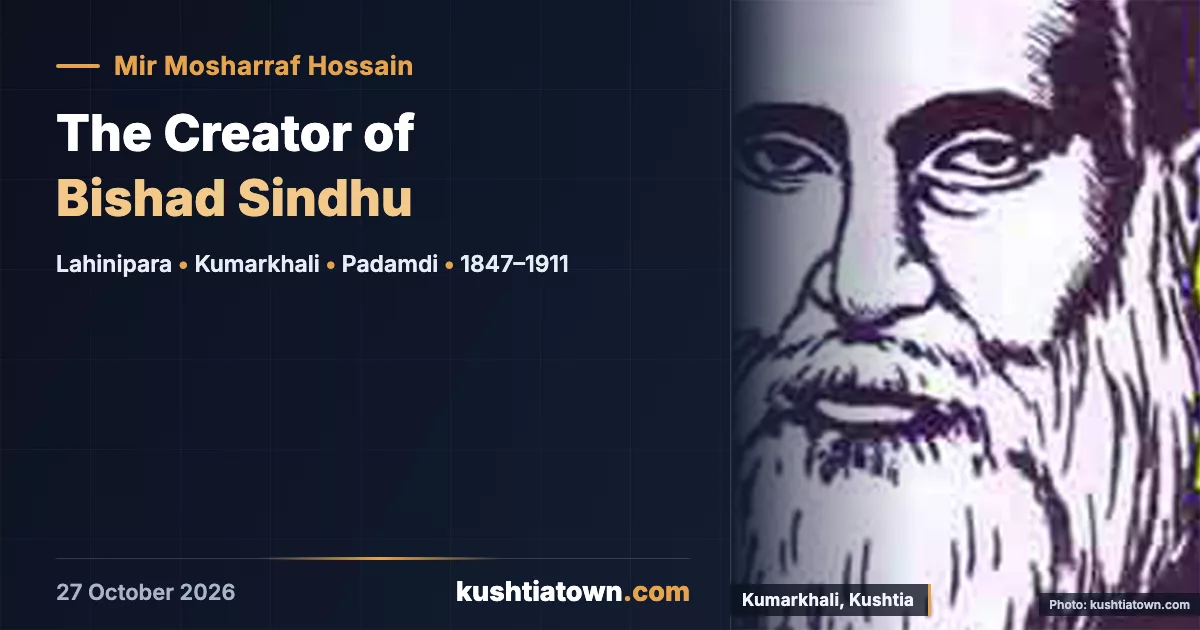
When the history of modern Bengali literature written by Muslims is told, the name that comes first is Mir Mosharraf Hossain of Lahinipara, Kumarkhali. In the very age of Bankim Chandra he produced novels and plays that became the first literary expression of the Bengali Muslim voice — and among them stands immortal 'Bishad Sindhu', in which the tragedy of Karbala found its own flowing Bengali form.
- Details
- Written by: সালেক উদ্দিন শেখ
- Category: Mohini mohon
- Hits: 132
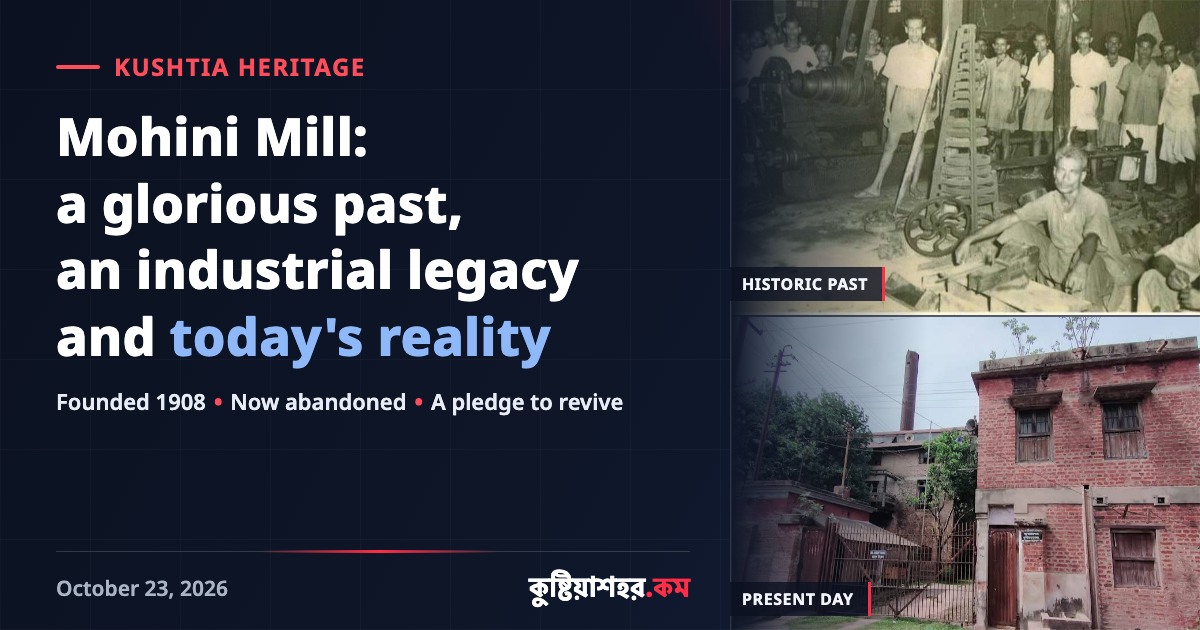
When the industrial heritage of Kushtia town is discussed, one name stands out: Mohini Mill. At its height, this textile mill mattered not only to Kushtia's economy but was deeply woven into the lives of weavers, workers, traders and ordinary people across the wider region. The yarn, sarees and dhotis it produced once earned recognition in different areas, and its impact on employment, trade and the local economy was considerable.
- Details
- Written by: সালেক উদ্দিন শেখ
- Category: Fakir lalon shai
- Hits: 99
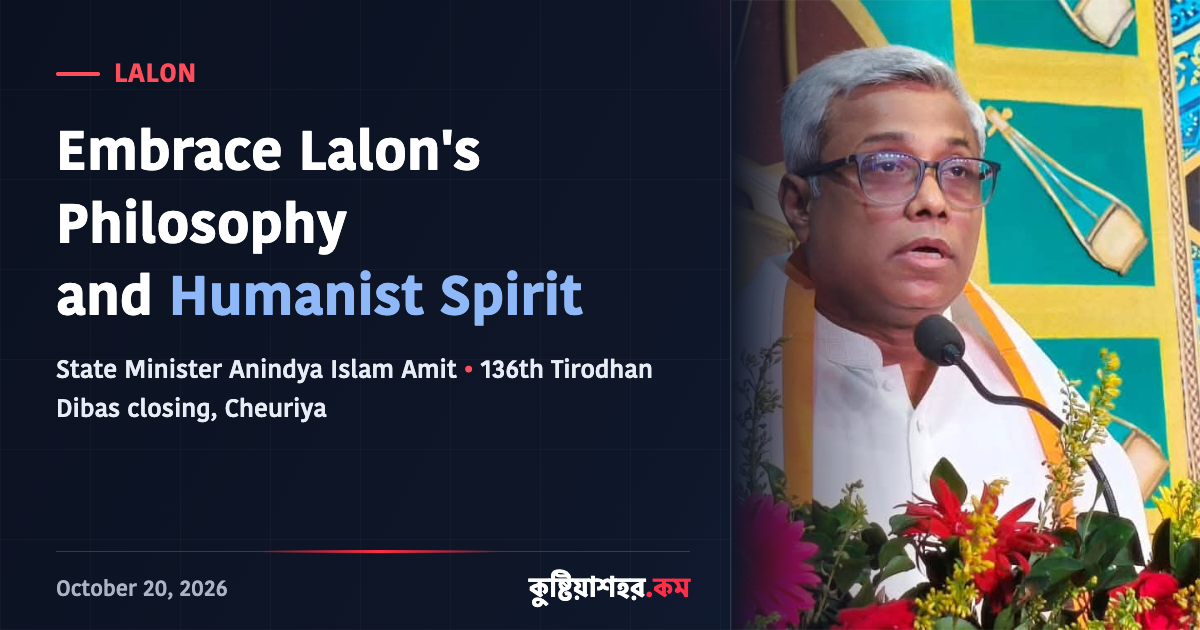
Will Kushtia one day stand not merely as a district on the map of Bangladesh, but as an internationally recognised centre of Fakir Lalon Shah's humanist philosophy, Baul music, folk heritage and cultural tourism? The question is not new. Yet after the idea of building a 'City of Lalon' came up at the commemoration held at Cheuria in Kushtia on the occasion of Fakir Lalon Shah's 136th death anniversary in October 2026, the issue has returned to discussion with renewed force.
- Details
- Written by: সালেক উদ্দিন শেখ
- Category: Fakir lalon shai
- Hits: 118
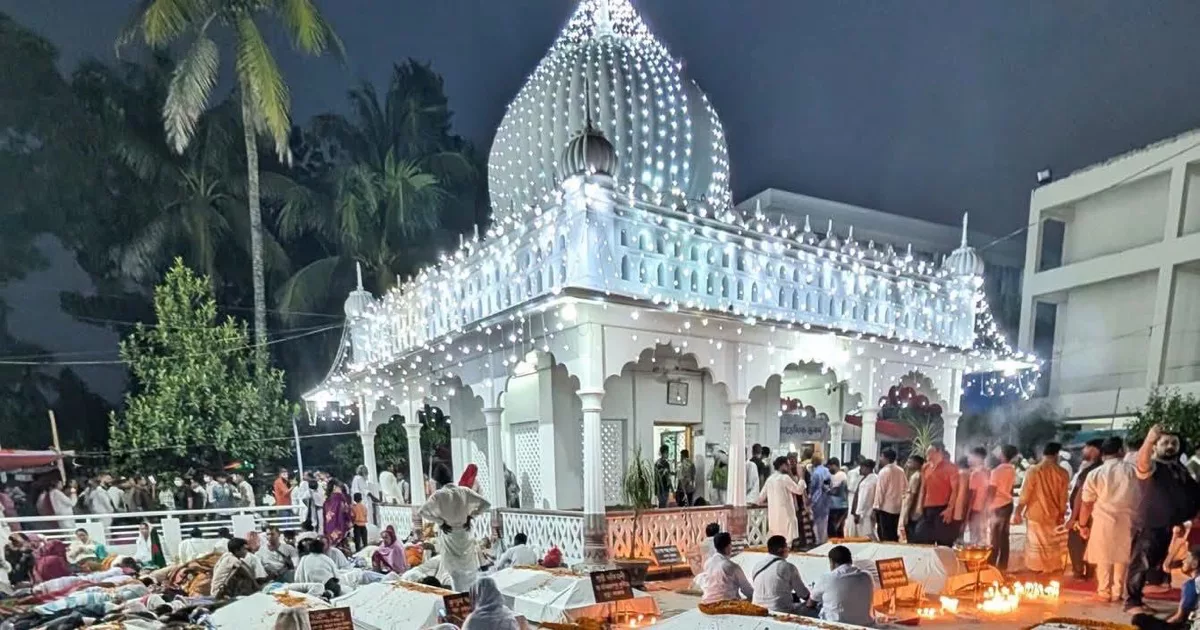
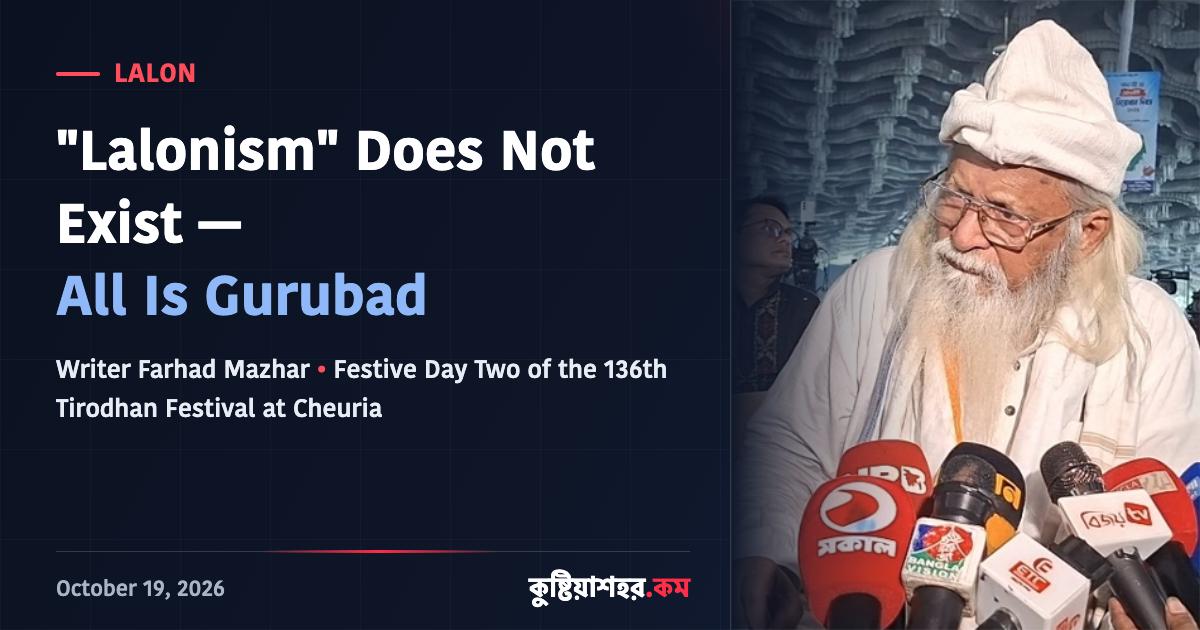
Immersed in the message of humanity, equality and non-communalism stood the Lalon Akhrabari at Cheuriya. With thousands of bauls, sadhus, Lalon devotees and visitors in attendance, the three-day observance concluded last Monday (19 October) evening. The majar courtyard resounded with overflowing crowds, songs and devotion, discussions and heartfelt reminiscences of Lalon.
- Details
- Written by: সালেক উদ্দিন শেখ
- Category: Fakir lalon shai
- Hits: 90
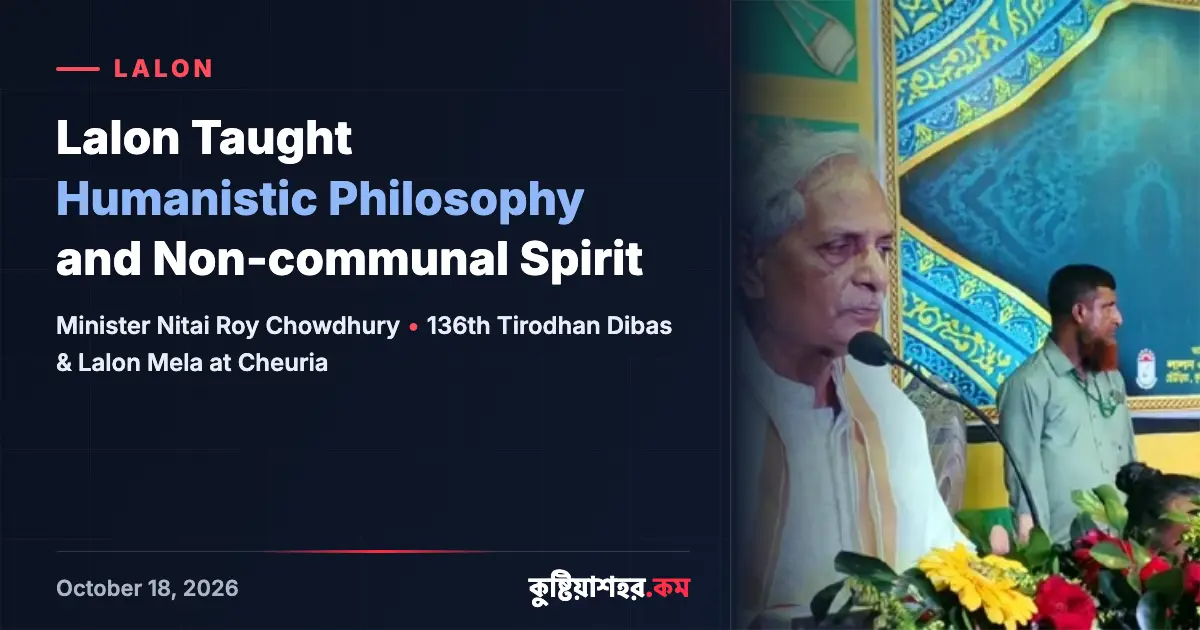
Song, ritual and an unending stream of devotees kept Cheuriya festive through the day. The second day of the three-day observance marking Baul Samrat Fakir Lalon Shah's 136th Tirodhan was celebrated at the Lalon Akhrabari in Cheuria, Kumarkhali, Kushtia on Sunday (18 October).
- Details
- Written by: সালেক উদ্দিন শেখ
- Category: Fakir lalon shai
- Hits: 97
Mankind's identity lies in humanity, and man's liberation in self-realisation — this eternal truth echoes again and again in the songs and philosophy of Baul Samrat Fakir Lalon Shah. The lesson Lalon left behind — to see every person as a human being, rising above caste, religious divides and narrow-mindedness — remains just as relevant today.
- Details
- Written by: সালেক উদ্দিন শেখ
- Category: Fakir lalon shai
- Hits: 159
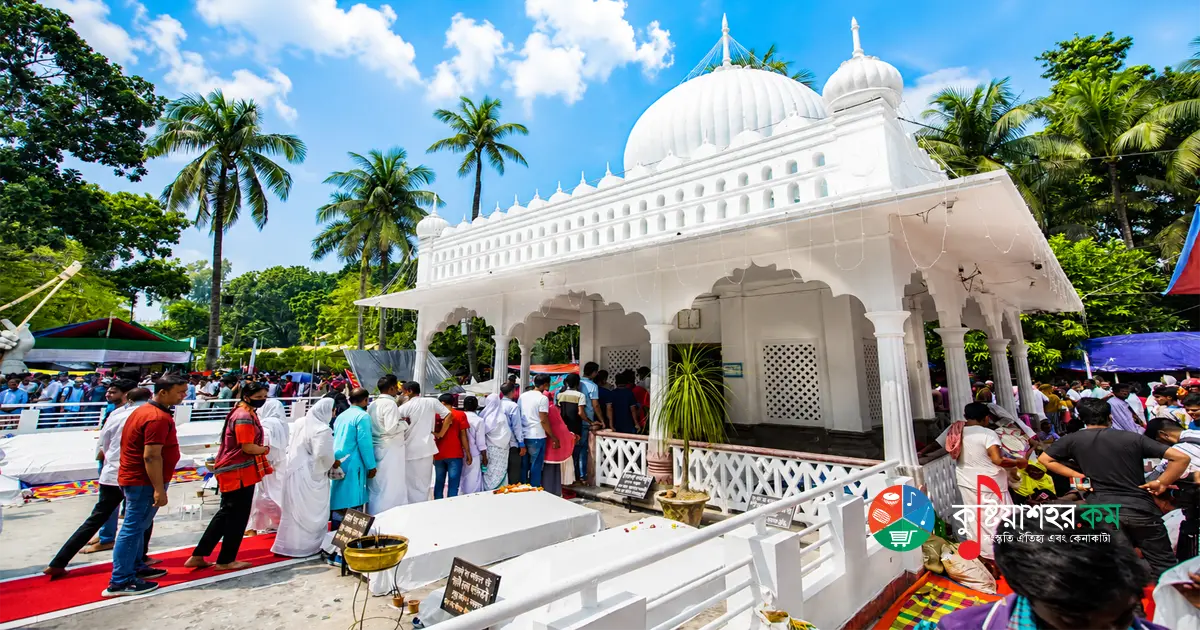
The bank of the Kaliganga, towards the end of the eighteenth century. Lalon is young still. A body scorched by smallpox lies unconscious on the riverbank; the kinsfolk have abandoned him and gone — in that age smallpox meant almost certain death, and the family had simply concluded that this body would not survive. Then a fakir couple of Cheuriya — Malam Shah and his wife Motijan — lifted the body up and nursed it back to health. And from that discarded body was born one of the subcontinent's greatest saint-poets — Fakir Lalon Shai, who, it is said, lived nearly one hundred and sixteen years.
- Details
- Written by: সালেক উদ্দিন শেখ
- Category: Fakir lalon shai
- Hits: 603
Baul Samrat Fakir Lalon Shaiji is a unique sadhak of the spiritual, cultural and humanist consciousness of Bengal and the Bengali people. His life, philosophy and songs still teach us to rise above nation, religion, caste, class and division, and to love people. His immortal creations are not merely a treasure of Bengali folk music; they are a profound philosophical inquiry into human life, self-identity, love, equality and liberation.